Omega-3 Benefits, Uses and Food Sources: A Bangladesh Guide
What can omega-3 realistically do for you? Start with its role as a nutrient, then see which supplement uses have clinical support and which popular promises go beyond the evidence.
Quick Answer
Omega-3 fats contribute to normal cell function; DHA is especially important in brain and retinal tissue. Food sources help provide these nutrients. Some prescription omega-3 medicines treat specific conditions, but ordinary fish-oil supplements do not reliably prevent heart disease or improve every brain, eye or joint symptom.
Key Takeaways
- A nutrient can be important without extra supplementation producing an additional benefit for everyone.
- Identify whether a claim concerns food, a retail supplement or a prescription medicine before applying it to your purchase.
- Choose the question that matters to you, then use the linked specialist guide rather than buying for a long list of vague promises.
Search for omega-3 benefits and one ingredient seems to promise help with almost everything: the heart, memory, eyesight, joints and even the next examination. It is easy to finish reading with a longer shopping list and less certainty.
A better starting point is to separate three things: what the body needs, what a particular study found and what the bottle in front of you actually contains. This guide connects those questions so you can decide which information matters before buying omega-3 in Bangladesh.
What is omega-3?
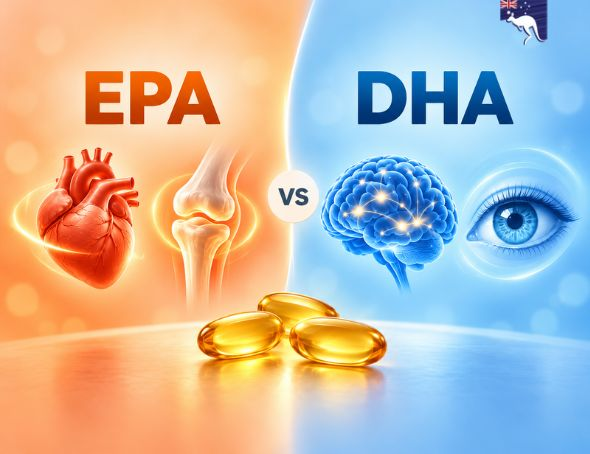
Omega-3 describes a family of fats. The three names you will encounter most often are ALA, EPA and DHA. Plant foods provide ALA; seafood supplies EPA and DHA, and some algae products provide DHA with or without EPA.
These fats form part of cell membranes. DHA is particularly concentrated in the brain and retina. ALA must come from the diet, while conversion from ALA to EPA and DHA is limited. The NIH fact sheet explains these nutritional roles.
That is the foundation of the topic. It does not establish that a person with adequate intake will notice sharper eyesight or better memory after adding a capsule.
Which benefits are established, and which need caution?
| Question | Useful interpretation | Next step |
|---|---|---|
| Supporting dietary intake | Foods and suitable supplements can provide named omega-3 fats. | Review the usual diet and actual ingredient amounts. |
| Lowering raised triglycerides | Specific prescription products have a clinical role. | Discuss the blood result and treatment options with the clinician. |
| Preventing heart attacks in otherwise healthy adults | Routine fish-oil supplementation is not a dependable universal prevention strategy. | Assess overall cardiovascular risk. |
| Improving memory or dry-eye symptoms | Biological plausibility has not translated into consistent benefit in major trials. | Investigate the symptom and use condition-specific evidence. |
| Managing arthritis | Possible additional effects depend on the diagnosis; supplements do not replace core treatment. | Review the plan with the treating professional. |
The evidence below explains this distinction. A positive result for one outcome should not become a promise about all the others.
Heart health: food, prevention and treatment are different
The American Heart Association supports regular fish meals within a healthy dietary pattern. This includes the whole meal and the foods it replaces, not simply a nutrient number.
In the large VITAL trial, a daily marine omega-3 supplement did not significantly reduce the main combined cardiovascular outcome. That is a reason to be careful with broad claims that an ordinary bottle prevents heart attacks or strokes in everyone.
Raised triglycerides are a different question. The AHA's clinical advisory describes prescription omega-3 treatment and distinguishes it from dietary supplements. A clinician also checks underlying causes and other required treatment. Do not substitute imported capsules for a prescribed medicine because both labels mention fish oil.
For the full distinction, read our omega-3 and heart-health guide. It is a better starting point than choosing the highest strength for a family member with several heart medicines.
Brain and eyes: a normal role is not a treatment promise
Fish oil is often described as a memory aid. However, the VITAL cognitive studies found no significant overall cognitive benefit from supplementation in older adults over their study periods. That finding does not answer every research question, but it does not support selling a guaranteed improvement in concentration.
For eyes, the DREAM trial found that omega-3 supplements did not outperform placebo for moderate to severe dry-eye disease over a year. A statement about DHA in the retina therefore cannot stand in for evidence that a capsule will resolve a reader's eye symptoms.
Ask what the problem actually is before buying: distracted attention, worsening memory, gritty eyes or a diagnosed eye condition. Each may need a different assessment. Our adult memory and concentration guide explores the cognitive question without treating everyday tiredness as a nutrient diagnosis.
Joints, inflammation and other popular claims
The word “inflammation” appears in many advertisements, but it is not a diagnosis or a single treatment target. Evidence from rheumatoid arthritis cannot automatically be applied to an injured ankle, osteoarthritis or a headache.
The American College of Rheumatology's integrative-care guideline conditionally favours established dietary recommendations without adding supplements for RA management because consistent, clinically meaningful benefit was not established across the evidence considered. This does not rule out every individual use; it keeps the decision connected to medical care.
Our joint-pain article separates the relevant conditions. Apply the same discipline to claims about hair, skin, mood or weight: ask which people were studied, what improved and whether the product being sold matches the research.
Start with your usual meals
Write down a normal week's fish meals rather than an ideal week. Include the species if you know it and who shared the meal. Then note plant sources such as flaxseed, chia or walnuts. This creates a concrete discussion about intake without assuming that every Bangladeshi household eats the same foods.
Consider what is feasible next week: a regular fish meal, an identifiable canned option, or a plant food that fits breakfast. A more expensive ingredient is not automatically the most sustainable choice for your household. Do not add the ALA amount from seeds to an EPA+DHA target as though the fats were identical.
If fish is excluded because of allergy or a dietary commitment, discuss an appropriate alternative. Algal products need their own ingredient and capsule-shell checks; a plant image on the front does not describe the complete formulation.
If you use a supplement, give it a clear job
A worthwhile purchase starts with a sentence: “I am considering this because…” It might concern a dietary gap or a clinician's recommendation. “It supports everything” is too vague to judge value, tolerability or whether to continue.
Read EPA and DHA individually, the serving size and the other ingredients. The total oil weight is not necessarily the amount of EPA+DHA. Compare similar formulations only after their suitability is clear, and check the pack you receive against the listing.
For everyday use, follow the exact product directions and any personalised clinical advice. Do not copy research doses or add several products simply because they mention different benefits. Our guide to dose, meals and duration explains how to turn a suitable choice into a manageable routine.

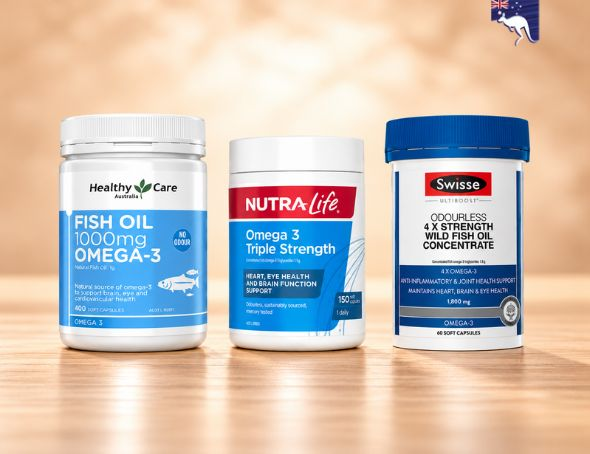
Swisse Ultiboost Odourless High Strength Wild Fish Oil
Swisse Ultiboost Odourless High Strength Wild Fish Oil is a premium Omega-3 supplement that supports heart health, brain function, healthy vision, and nervous system health. Its hi...
Who should check before starting?
Tell a pharmacist or clinician about regular medicines, planned surgery, bleeding problems, seafood allergy and a heart-rhythm condition. Pregnancy, breastfeeding and use in children need age- and situation-specific advice. The NIH ODS fact sheet covers potential adverse effects and interactions.
Use the product cards to examine labels once you know the purpose. If the purpose is still uncertain, the most useful next step may be a clearer question rather than a larger bottle.