Omega-3 Rich Foods in Bangladesh: Fish and Plant Sources
Build omega-3 into the meals you already enjoy. This guide separates fish EPA and DHA from plant ALA, explains what local hilsa research can tell us, and turns food lists into practical shopping choices.
Quick Answer
Fish supplies EPA and DHA; flaxseed, chia and walnuts mainly supply ALA. Hilsa is a relevant local source, but its fatty-acid composition varies. Use verified serving information where available, rotate suitable foods and avoid treating plant ALA grams as an equivalent amount of EPA+DHA.
Key Takeaways
- Choose foods you can buy and prepare regularly rather than building the whole plan around an expensive occasional purchase.
- A nutrient figure needs a named species, serving size and preparation method to be useful.
- Fish choices for pregnancy and children also require attention to mercury, bones and age-appropriate portions.
A packet of chia seeds, a tin of sardines and a fresh hilsa can all belong in a conversation about omega-3 foods. They do not, however, contribute the same kinds or amounts. Knowing the difference makes a weekly shopping list much more useful than a long ranking of “superfoods.”

For a household in Bangladesh, the starting point is practical: which foods fit your budget, who will eat them and how often will they actually reach the table?
Fish omega-3 and plant omega-3 are different
ALA is an essential omega-3 found in plant foods. Fish provides the long-chain fats EPA and DHA. The body converts only a limited amount of ALA into these longer-chain forms, so the numbers are not interchangeable. The NIH consumer guide explains the distinction.
Keep two columns when planning meals: foods providing EPA/DHA and foods providing ALA. That simple distinction prevents the mistaken calculation that a spoonful of seeds necessarily replaces a fish serving.
Where does hilsa fit?
Hilsa deserves a place in a Bangladesh-focused guide. Researchers from BCSIR and Bangladeshi universities examined hilsa from six markets, including Barisal, Bhola and Chandpur. Their fatty-acid composition study identified EPA and DHA and showed differences between locations.
The study reports fatty-acid composition in extracted oil. A percentage of fish oil is not automatically grams in a cooked plate of fish. This is why we do not assign one universal EPA+DHA number to every hilsa portion sold in Bangladesh.
If hilsa is affordable and suits your household, include it within a varied menu. If it is an occasional purchase, build the routine around other suitable options too. Do not let the price of one species become a reason to give up on balanced meals.
Reference amounts for familiar food choices
These examples use the NIH table's named foods and portions. Fish values are calculated by adding the listed EPA and DHA. They are reference figures, not laboratory results for every brand or fish sold locally. Three ounces is approximately 85 grams; one ounce is approximately 28 grams.
| Food and reference portion | Omega-3 amount | Type |
|---|---|---|
| Atlantic farmed salmon, cooked, 85 g | 1.83 g | EPA+DHA |
| Sardines in tomato sauce, drained, 85 g | 1.19 g | EPA+DHA |
| Atlantic mackerel, cooked, 85 g | 1.02 g | EPA+DHA |
| Chia seeds, 28 g | 5.06 g | ALA |
| English walnuts, 28 g | 2.57 g | ALA |
| Whole flaxseed, 1 tablespoon | 2.35 g | ALA |
A reference portion is a measurement unit, not a requirement to eat that quantity every day. The table also cannot establish that an imported food is necessary: it illustrates differences and provides a starting point for comparing identifiable products.
How to judge fish at the market or on a label
Ask for the species when the name is unclear. “Mackerel” and “tuna” each cover more than one fish, and generic names can hide meaningful differences. For a tin, look at the species, net and drained weights, ingredients and salt information before comparing prices.
For fresh fish, think about the edible portion rather than the whole purchase weight. Heads, bones and shared servings make a household purchase different from an individual's serving. A useful question is, “How many meals will this give us?” rather than simply, “Which fish has the biggest number online?”
Rohu, tilapia and other familiar fish can contribute to a varied diet, but do not copy a salmon or hilsa figure onto them. Without a matching species and preparation entry, it is better to leave the omega-3 quantity uncertain than create false precision.
Turn the list into meals you will repeat
The American Heart Association recommends two fish servings per week, especially fatty fish, within a healthy eating pattern. Its adult serving is about 3 ounces cooked. This general reference is not a personalised plan for every medical condition or life stage.
For a simple weekly plan, choose two fish meals your family already likes and decide the shopping day in advance. A curry with vegetables can fit familiar cooking habits. A labelled tin may be convenient for a day when fresh fish shopping is difficult. Check the portion and accompanying ingredients instead of assuming convenience makes it nutritionally identical to fresh fish.
For plant foods, try a small amount of flaxseed in a familiar preparation, soaked chia in yoghurt, or walnuts alongside breakfast if those foods suit you. These are serving ideas, not a promise of a particular health result. Buy a modest pack first if your household has never eaten the food; an unused bulk bag contributes nothing to the routine.
Pregnancy, children and food safety
The FDA/EPA fish advice helps pregnant or breastfeeding people and caregivers choose lower-mercury species. Atlantic mackerel and king mackerel fall into different categories, so the complete name matters. Use guidance that matches the identified fish, and ask a maternity clinician about locally sold species you cannot confidently identify.
Children need smaller portions and careful removal of bones. Prepare nuts and seeds in a form suitable for the child's age and chewing ability. The NHS advises against whole nuts under age five because of choking risk. An adult food table is not an instruction to give a toddler an adult portion or supplement.
The FDA's seafood-safety guidance recommends buying fish kept refrigerated or on ice and protecting it from unsafe temperatures. In hot weather, plan the journey home and refrigeration before buying. Nutrient content is only one part of a good purchase.
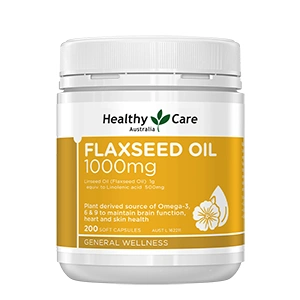
Healthy Care Flaxseed Oil 1000mg
Healthy Care Flaxseed Oil 1000mg in Bangladesh. Compare pack prices, oil and ALA amounts, directions and supplied label details.
When might a supplement be worth considering?
If fish is consistently absent from your diet, identify the reason: preference, allergy, access or a dietary restriction. That helps determine whether to adjust meals or discuss a suitable supplement. A capsule is not a replacement for the protein and wider food pattern provided by meals.
For a fish-free option, distinguish a plant ALA oil from an algal product that declares DHA or EPA. Check the full ingredient list and suitability rather than relying on a “vegetarian” headline. Our plant-based omega-3 and fish-oil comparison explains that choice.
If you decide to compare supplements, use our omega-3 buying checklist. Bring your usual food pattern into the decision so the product has a clear purpose.