How to Choose the Right Omega-3 Supplement
Choosing omega-3 becomes easier when you compare the right details in the right order. Establish the purpose first, read the active ingredients next, and consider price after suitability. This guide turns a crowded supplement shelf into a manageable decision without declaring one bottle best for everyone.
Quick Answer
Choose an omega-3 supplement by checking why you need it, the EPA and DHA amounts per stated serving, other ingredients, warnings and credible product information. Then compare suitable options by practical use and cost. The largest fish-oil number or highest concentration does not automatically make a product the best choice.
Key Takeaways
- Use EPA plus DHA for a like-for-like active-ingredient comparison; total fish-oil weight is a different number.
- Check the full formulation and serving directions before comparing price or deciding that a concentrated capsule is convenient.
- A suitable supplement should have a clear purpose, readable current label and a seller who can identify the exact product supplied.
Open three fish-oil listings and you may see “1,000 mg,” “triple strength” and “one a day” competing for attention. Each describes something different. You do not need to decide which phrase sounds strongest; you need to work through a few concrete questions.
1. Define why you are considering omega-3
Write one sentence: “I am considering this because…” It may be about food intake, a recommendation from a clinician or a particular health concern. If the sentence is only “it is good for everything,” pause before comparing brands.
Supplements do not replace a varied diet or prescribed treatment. The FDA's consumer guidance recommends discussing benefits and risks with a health professional, particularly where medicines or overlapping supplements are involved. A clinical treatment question needs more than a shopping comparison.
If someone has recommended a product, ask for the exact formulation and reason. “Take omega-3” leaves open the ingredient amounts, serving directions and whether a prescription product was intended.
2. Read EPA and DHA separately
Find the active-ingredient panel before studying the front label. Record the total oil, EPA, DHA and the basis of the figures: one capsule, two capsules or a liquid serving. Then add EPA and DHA together.
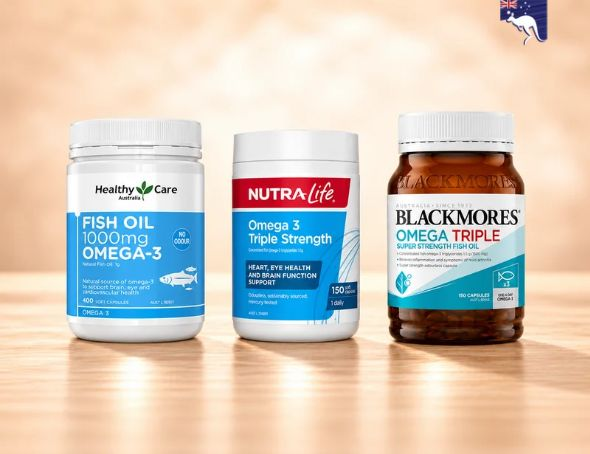
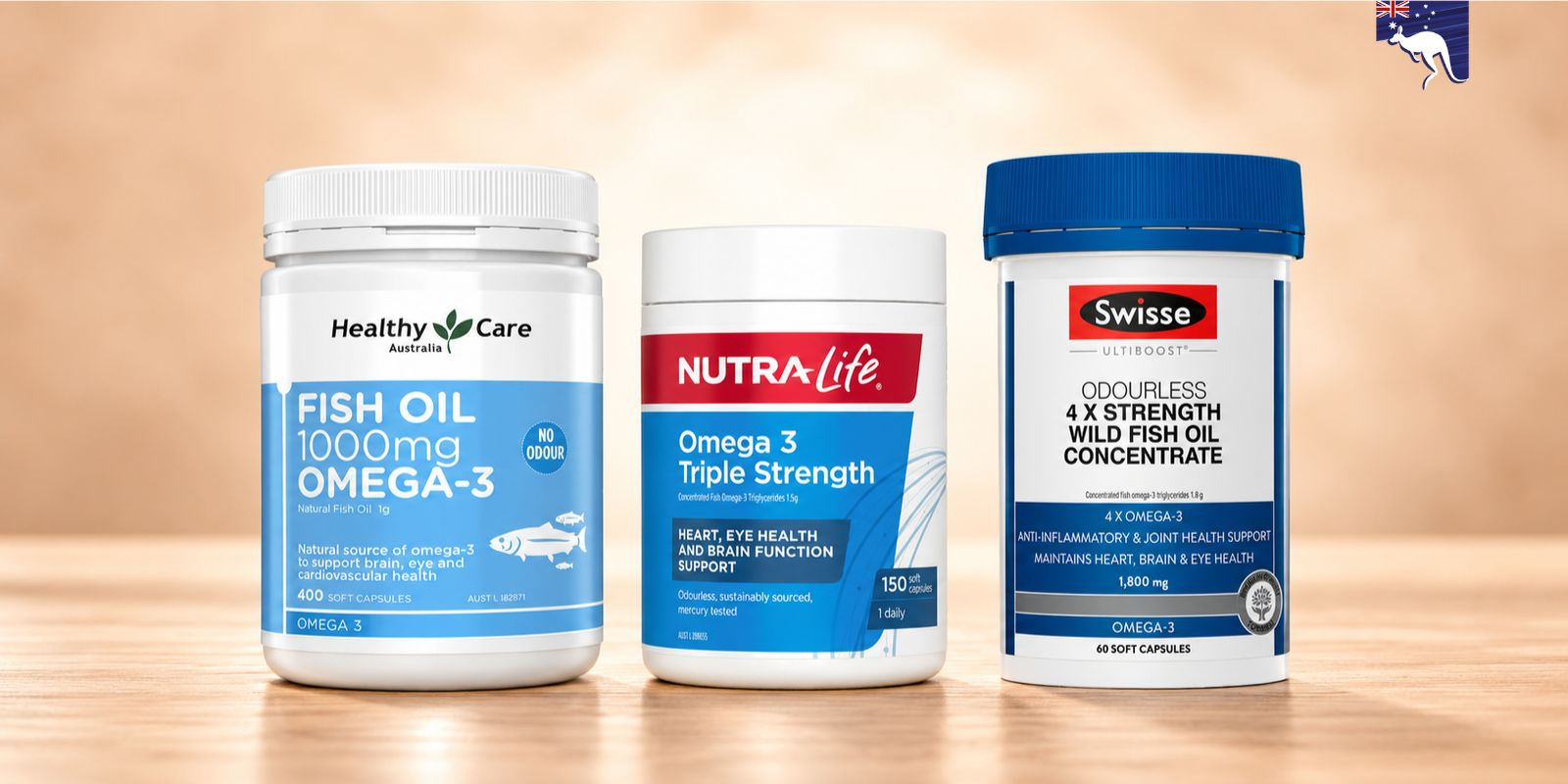
For a real example, Nutra-Life lists 1.5 g concentrated fish omega-3 triglycerides per capsule, providing 540 mg EPA and 360 mg DHA. Those two amounts total 900 mg. This illustrates the difference between the oil amount and named fatty acids; it does not establish that you need that concentration. See the manufacturer's current ingredient panel.
| Label detail | What to write down | Common mistake |
|---|---|---|
| Serving basis | Number of capsules or measured liquid amount | Treating a two-capsule serving as one capsule |
| EPA and DHA | Each amount and their combined total | Using the total oil weight instead |
| Other ingredients | Added nutrients, capsule ingredients and warnings | Reading only the active-ingredient headline |
US-style Supplement Facts panels state serving size and ingredient quantities per serving. Australian labels may use an “each capsule contains” format. Read the wording rather than assuming every imported pack follows the same layout. The FDA explains supplement-label information.
3. Check whether the format fits everyday use
A capsule you struggle to swallow may be an inconvenient choice even if its ingredient comparison looks attractive. Check capsule size, the available format and the manufacturer's instructions. Do not assume that softgels can be opened, chewed or mixed with food unless the specific product allows it.
Consider who will use the bottle and how the directions fit their routine. An adult product is not automatically suitable for a child. When a liquid is appropriate, the measuring method and instructions after opening matter as much as the amount on the front.
For amount, meals and timing, use our guide to taking omega-3. This selection guide helps you compare products once those requirements are clear.
4. Look beyond the oil
Check for added vitamins, other oils, flavourings and capsule materials. Do not assume that a blend meets the same purpose as a straightforward fish-oil product. Equally, a formula described as plant-based needs a complete ingredient check if you require a vegetarian or vegan product.
Tell your pharmacist about allergies, pregnancy, regular medicines and other supplements before choosing. Bring photographs of the full labels rather than a list of brand names alone. The FDA notes that supplement combinations and medicine interactions can create problems; “natural” does not settle suitability. Read its safety guidance.
5. Ask what supports the claims
Separate a declared ingredient amount from a promise about what the product will do. A claim should be supported by evidence relevant to the formulation, intended user and outcome. A study on a prescription medicine does not automatically validate a retail supplement.
For Australian packs, AUST L, AUST L(A) and AUST R identify different regulatory pathways. An AUST L listing does not mean the TGA assessed that individual product's efficacy before sale. The TGA explains the distinction.
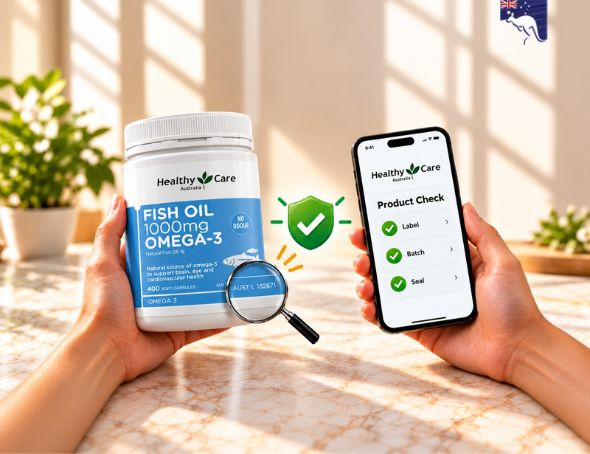
Authenticity and freshness also need their own checks. Use our original fish-oil checklist for seller and identity questions, and our purity and storage guide for quality evidence.
6. Compare value among suitable options
A cheaper bottle may contain fewer usable servings, while a larger pack may be awkward to finish within its stated dates. Compare the current price, capsule count, EPA+DHA content and the relevant serving directions together. Record the date because prices and available pack sizes change.
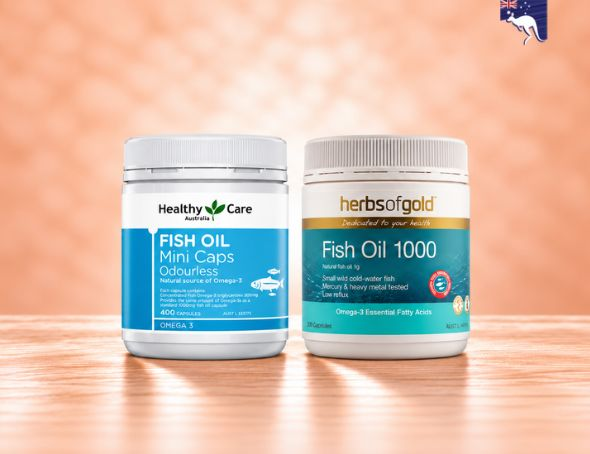
Cost per comparable quantity of EPA+DHA can reveal differences hidden by bottle price. It cannot decide whether that amount is appropriate or whether two formulations are clinically interchangeable. Our fish-oil value guide covers the arithmetic without turning it into a dosing recommendation.

Swisse Ultiboost Odourless High Strength Wild Fish Oil
Swisse Ultiboost Odourless High Strength Wild Fish Oil is a premium Omega-3 supplement that supports heart health, brain function, healthy vision, and nervous system health. Its hi...
7. Confirm the exact pack before ordering
For a Bangladesh delivery, ask about the actual variant, expiry, storage instructions and what happens if the item arrives damaged or differs from the listing. Keep the invoice and original container. A clear answer to these practical questions is more useful than another broad “premium quality” slogan.
You should now be able to explain the purpose, identify the active amount and understand the main trade-off. For product-by-product options after that check, use our Bangladesh fish-oil comparison.