Omega-3 for Joint Pain and Arthritis: Benefits and Limits
A stiff knee, swollen fingers and a sudden painful toe can have different causes. Learn where omega-3 research fits, why diagnosis matters and how to judge supplement claims.
Quick Answer
Omega-3 may have a supplementary role for some people with rheumatoid arthritis, but results are mixed and it does not replace disease-modifying treatment. Evidence for osteoarthritis and general knee pain is less convincing. A hot, swollen joint or sudden severe pain needs assessment rather than a supplement purchase.
Key Takeaways
- Match the evidence to the diagnosed condition, not simply to the word “joint.”
- A supplement should have a clear purpose alongside the existing treatment plan.
- Improvement should be assessed through daily function and symptoms, with a clinician-agreed review.
Perhaps your knee complains on the stairs. Perhaps your fingers are stiff every morning. Both may lead you to search for omega-3 for joint pain, yet the right next step can be quite different.

A product labelled “joint support” cannot tell you why a joint hurts. Before comparing fish-oil bottles, identify what has been diagnosed, what treatment is already helping and what you hope to change. That approach is especially useful when buying for a parent whose medicine list you may not know fully.
Which joint problem are we discussing?
| Situation | What omega-3 evidence can tell you | Priority |
|---|---|---|
| Rheumatoid arthritis | Some research suggests an additional benefit alongside medical treatment; guidance remains cautious. | Keep rheumatology treatment and monitoring in place. |
| Osteoarthritis, including knee osteoarthritis | Studies are inconsistent; convincing symptom relief is not established for every product. | Follow the agreed exercise, weight-management and pain plan. |
| Undiagnosed pain, gout, injury or a hot swollen joint | Results from arthritis supplementation trials cannot establish the cause or treatment. | Obtain an appropriate assessment. |
The NHS joint-pain guidance explains that pain can arise from several conditions. Similar discomfort does not mean that the same supplement is appropriate.
Fish oil for rheumatoid arthritis: a possible addition
One randomised trial in recent-onset rheumatoid arthritis compared higher and lower fish-oil intake while participants followed a structured disease-modifying drug programme. The higher-intake group had better results for some treatment outcomes. The key detail is that both groups received active medical care.
That study did not establish fish oil as a replacement for methotrexate or other disease-modifying antirheumatic drugs. It also does not justify copying a trial's high intake using shop-bought capsules. Research dosing, eligibility checks and monitoring differ from ordinary self-directed use.
The American College of Rheumatology's integrative-care guideline conditionally favours established dietary recommendations without adding supplements for RA management. It found no consistent, clinically meaningful benefit across the supplement evidence considered. This cautious recommendation can coexist with encouraging individual studies.
If you have RA, ask the rheumatologist whether there is a specific reason to add omega-3 in your case. New swelling, increasing morning stiffness or loss of function may indicate a need to review disease control rather than simply add another product.
What about knee pain and osteoarthritis?
Rheumatoid arthritis findings should not be transferred to osteoarthritis. In a 2024 randomised trial, 262 people with knee osteoarthritis and inflammatory features received krill oil or placebo. Krill oil did not improve knee pain more than placebo over 24 weeks.
That trial tested krill oil, so it cannot settle every fish-oil formulation. It does show why a plausible anti-inflammatory explanation is not enough to promise pain relief. A product category, ingredient mechanism and demonstrated clinical outcome are different pieces of evidence.
For knee osteoarthritis, ask your treating professional which exercise and rehabilitation options fit your symptoms. A supplement order should not postpone the measures already recommended for walking, strength and everyday function.
How long would a benefit take?
Omega-3 is not a quick rescue treatment for a painful flare. Supplement trials generally assess outcomes over weeks or months. There is no reliable “pain-free in seven days” promise to apply to your bottle.
If your clinician supports trying a supplement, agree on a review point and record a few meaningful measures beforehand: how long morning stiffness lasts, whether stairs are manageable and whether pain interrupts sleep. Keep the notes simple enough to maintain.
Record changes in exercise, pain medicines and symptoms too. Otherwise, a better week may be attributed to the latest capsule even when several things changed. Persistent worsening deserves an earlier review; you do not need to wait until a bottle is empty.
Reading a joint-support label
Compare the named EPA and DHA amounts, serving size and directions. The total weight of fish oil alone is not an adequate basis for choosing between products. A large bottle can be poor value if it does not fit the intended routine.
Check whether the formula also contains vitamins, minerals or other joint ingredients. A combination product makes it harder to know which ingredient produced an effect and can duplicate supplements already used. Keep photographs of every label for a pharmacist's review.
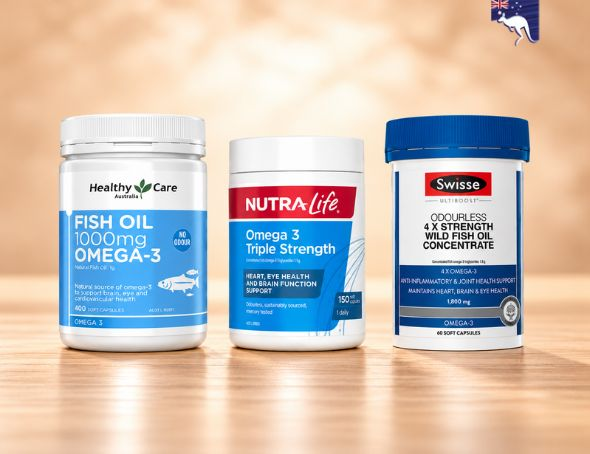
For those comparisons, our omega-3 buying guide provides a practical label checklist. Product cards on this page are options to inspect, not a ranking of arthritis treatments.
Medicines and safety questions
Tell the pharmacist about regular painkillers, aspirin, anticoagulants and your arthritis medicines. Mention seafood allergy, unusual bleeding, a heart-rhythm condition and any planned operation. A supplement that suits one family member may not suit another.
The NCCIH overview discusses supplement safety and medicine interactions. Digestive discomfort can occur, and increasing the amount because pain persists is not a sensible response.
In Bangladesh's hot weather, follow the bottle's storage instructions and keep it away from direct heat. Check the seal and expiry when the delivery arrives, while retaining the invoice and original packaging.
When to seek help promptly
A suddenly hot or swollen joint, fever, feeling unwell or severe pain requires prompt medical assessment. Severe pain after an injury or inability to bear weight also needs urgent care. The NHS septic-arthritis guidance highlights why a possible joint infection must be treated quickly.
For recurring symptoms, arrive at the appointment with a short symptom record and your product list. That creates a better starting point than choosing a bottle solely because someone else found it helpful.