Honey Benefits and Side Effects: What the Evidence Shows
Honey can be enjoyable food and may offer some short-term symptom relief, but popular claims often go further than the research. This guide separates practical benefits from hype and explains sugar, infant safety, allergies and sensible buying choices.
Quick Answer
Honey provides sweetness and energy, and limited evidence suggests it may ease an acute cough in people old enough to have it. It is still a source of free sugars, not a proven immunity booster, weight-loss aid or substitute for treatment. Never give honey to babies under 12 months. People managing blood glucose or food allergies need particular care.
Key Takeaways
- The clearest everyday benefit is flavour; cough relief is possible but evidence has limits.
- Honey still contributes free sugars, including raw, organic and Manuka varieties.
- Never give honey to a child under 12 months, even in a drink or home remedy.
- Food honey is not a sterile wound treatment, and a higher price does not prove greater health benefit.
A little honey can make plain yoghurt more appealing or take the sharp edge off a warm drink. That is a useful benefit in itself. The confusion begins when one familiar food is asked to improve immunity, melt body fat, cure infections and solve digestive problems all at once.
The evidence for honey benefits is more specific than those promises. Some uses have research behind them, others remain uncertain, and the sugar content does not disappear because a jar is natural, raw or expensive. Here is how to enjoy honey with realistic expectations.
Honey benefits: what is supported, and what is not?
| Claim or use | What to know | Practical meaning |
|---|---|---|
| Flavour and energy | Honey is a sweet food containing sugars | Use it for taste within your overall diet |
| Short-term cough relief | Some evidence suggests a benefit; studies have limitations | It may soothe symptoms, not treat every cause of cough |
| Stronger immunity or fewer infections | Broad promises are not established by the evidence discussed here | Do not replace vaccination, balanced meals or treatment |
| Weight loss or a morning detox | A honey drink is not a demonstrated fat-burning treatment | Adding honey adds sugar and energy |
| Wound treatment | Clinical honey products differ from a food jar | Do not apply kitchen honey to wounds |
Can honey help with a cough or sore throat?
A warm drink with honey can feel soothing. The 2018 Cochrane review of acute cough in children found possible short-term benefit, but studies were limited and often assessed only a brief period. This supports cautious symptom relief, not a promise to cure the underlying illness.
It also does not mean an expensive Manuka grade is required. Evidence about honey in a cough study should not be automatically turned into an advertisement for one brand, MGO number or daily routine.
Use a comfortably warm drink, not one hot enough to burn. Never give honey to a baby under one year. A cough lasting more than three weeks, or symptoms such as difficulty breathing, chest pain or coughing blood, needs medical attention; see the NHS cough guidance for warning signs. Seek urgent help for severe symptoms rather than waiting to see whether honey works.
For practical use, age limits and warning signs, see our honey for cough and sore throat guide.
What does honey contribute nutritionally?
Think of honey mainly as a sweetener, rather than a multivitamin. Different honeys contain small amounts of other compounds, but finding a substance in a food does not show that a normal serving provides a meaningful clinical benefit. A laboratory antioxidant result is not the same as evidence that eating a particular jar prevents disease.
The World Health Organization includes honey in free sugars. That classification applies even when the jar says raw, organic or pure. The relevant question is how much sugar you consume across the day, including sweetened drinks, desserts and other foods.
For example, adding honey to unsweetened yoghurt changes the flavour, but adding it to an already sweetened drink is another source of sugar. You do not need to ban a food you enjoy; you do need to count it honestly.
Honey side effects and precautions
Babies under 12 months
No honey is suitable for a baby under 12 months because of the risk of infant botulism. This includes Manuka, organic and ordinary honey. Do not add it to a baby’s drink, food or dummy. The NHS infant feeding guidance explains this restriction.
Blood glucose and diabetes
Honey is not a sugar-free alternative for diabetes. The Mayo Clinic comparison of honey and sugar advises considering its carbohydrate content. A natural origin or high MGO grade does not remove its effect on blood glucose.
If you follow a diabetes meal plan, keep that plan in charge of the decision. Do not add a daily honey routine because a product description suggests it is universally healthy. Your care team can help you decide whether and how it fits.
Our honey versus sugar comparison explains the nutrition and blood-glucose questions in more detail.
Allergies and digestive discomfort
Some people can react to honey or substances associated with it. The Mayo Clinic honey overview discusses allergy and safety concerns. If a product causes itching, swelling or other suspected allergy symptoms, stop using it and seek advice. Breathing difficulty or rapidly developing swelling requires urgent medical help.
Large portions may also cause stomach discomfort. More is not automatically better, and increasing the amount does not turn an uncertain health claim into a proven benefit.
Teeth and frequent sweet drinks
Honey’s sugar matters for dental health too. Consider how often you sip a sweetened drink, not just the amount in one spoon. Keep normal oral hygiene and avoid turning an occasional flavour addition into something you consume continuously throughout the day.
Are Manuka honey benefits different?
Manuka honey has distinctive chemistry and recognised grading systems. That makes it an interesting food, but laboratory antimicrobial activity cannot be assumed to produce the same effect when the honey is swallowed. MGO is not a prescribed dose for coughs, stomach problems or immunity.
If you enjoy its taste or value a traceable graded product, those are reasonable buying preferences. If you are considering it for a health condition, first read our evidence-focused guide below.
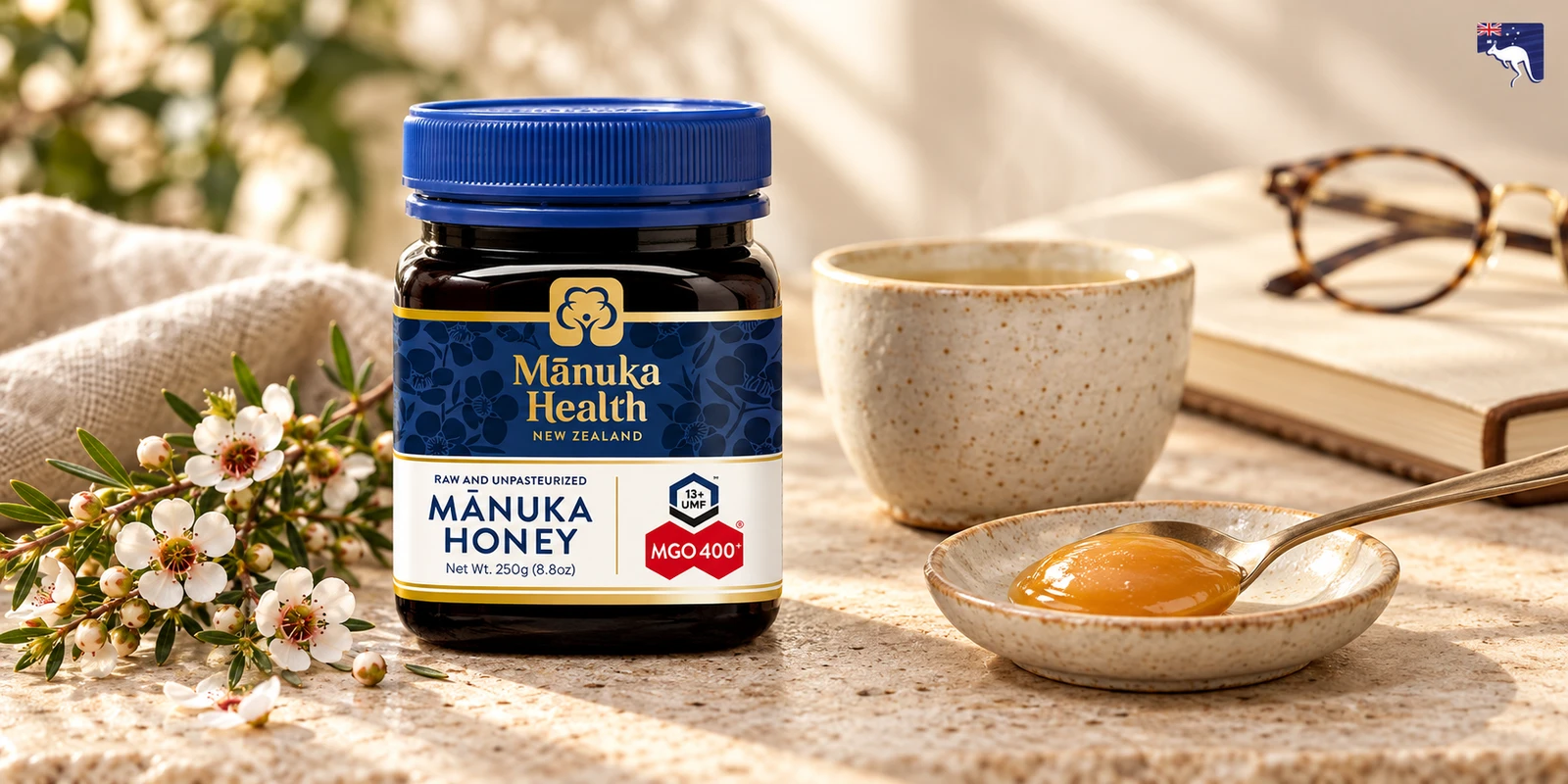
For a food-use example, Egmont Multifloral MGO 50+ is one option in our range. Its product page lets you compare the selected pack and current price. We are not presenting it as a treatment or claiming that this specific jar was used in the studies cited here.

Egmont Premium Multifloral Manuka Honey MGO 50+ (New Zealand)
Egmont MGO 50+ Manuka honey in Bangladesh: compare jar weight, labelled grade, batch traceability, food-use guidance and current price.
Why food honey should not go on wounds
Medical honey dressings are prepared for a different purpose from supermarket or retail food honey. The British Heart Foundation explains the difference between food honey and sterilised medical use. A label saying “antibacterial” does not make an ordinary jar a suitable dressing.
Get proper advice for a wound that is deep, infected, slow to heal or associated with diabetes. Eating honey and applying a clinical wound product are separate questions, and neither should be used to postpone assessment.
Is honey a useful swap for sugar in tea?
It can be a flavour choice, but the word “swap” matters. If you add honey while keeping the same sugar, sweetened milk or syrup, you have added another sweetener rather than replaced one. Start by looking at the whole drink instead of judging a single ingredient in isolation.
Try the smallest amount that gives the flavour you enjoy and use a measuring spoon for consistency. There is no need to take another spoonful separately because a wellness routine recommends it. If you already like your tea unsweetened, adding honey is optional, not a nutritional upgrade you are missing.
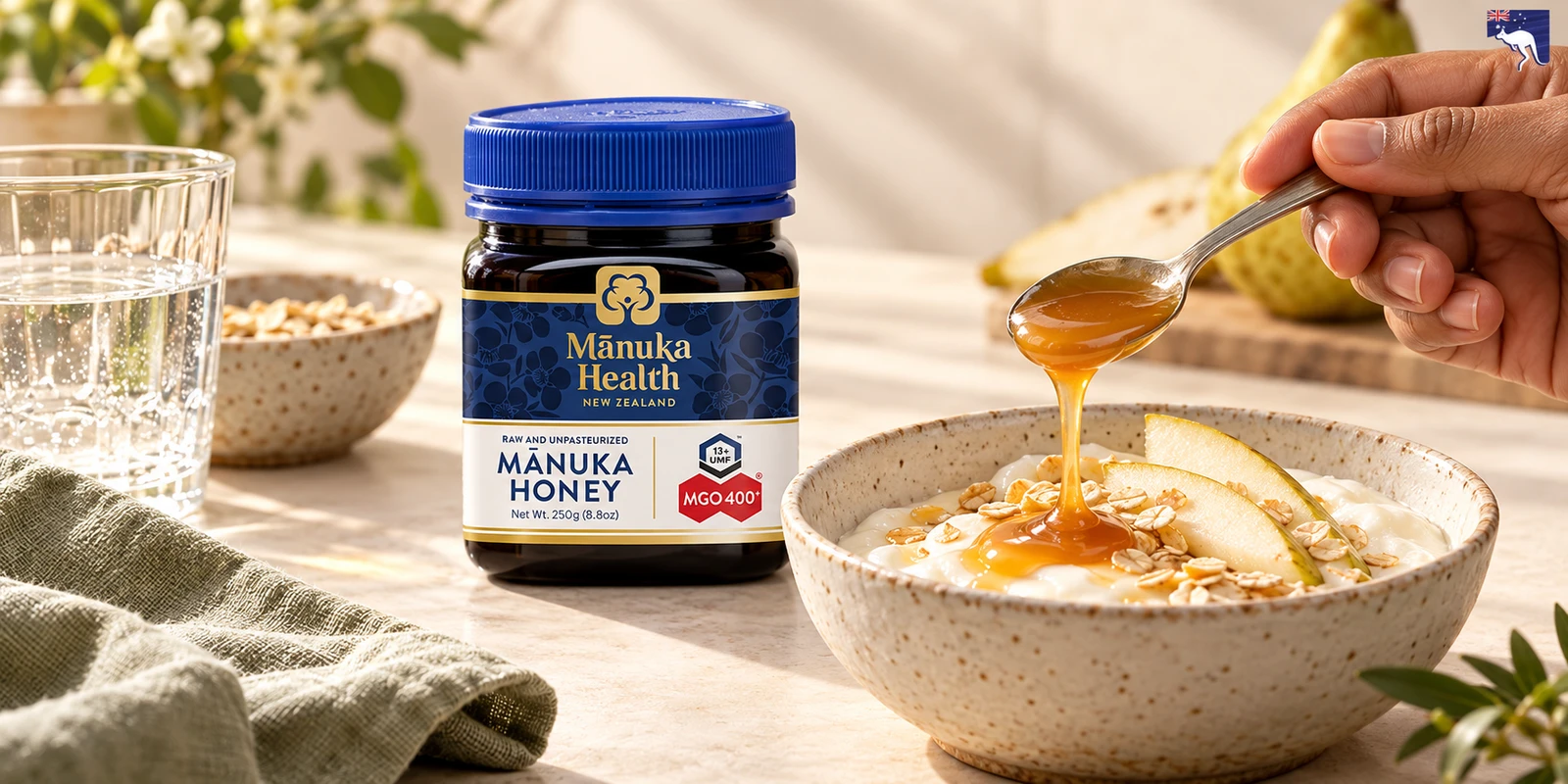
The same idea works at breakfast. Plain yoghurt with fruit and a little honey is a different combination from sweetened yoghurt with extra honey poured over it. Compare the full ingredients and portions that you actually eat. For someone following a specific carbohydrate plan, those details matter more than whether the sweetener looks natural.
For portions, warm drinks and everyday food ideas, read how to eat honey.
A sensible way to enjoy honey
Start with the food you actually like: a small drizzle over plain yoghurt, a little on toast or a modest amount in a warm drink. Use a spoon so the portion is deliberate rather than pouring freely. There is no universal evidence-based daily honey dose that everyone needs to take.
Choose a jar for flavour, clear labelling, traceability and price. If you are deciding between raw and processed options, our raw honey versus regular honey guide explains what those labels do and do not establish.
Honey can remain a pleasure rather than a project. You can enjoy it without an empty-stomach ritual, an escalating MGO target or a promise that it will transform your health. When ready to buy, compare the practical honey buying criteria for Bangladesh alongside your own dietary needs.