Omega-3 During Pregnancy and Breastfeeding: DHA and Safety
A prenatal vitamin, a DHA capsule and a weekly fish meal may all contribute to your maternity nutrition plan. Learn how to check what each provides, avoid overlapping ingredients and discuss the right approach with your maternity clinician.
Quick Answer
DHA is important during pregnancy and breastfeeding, but the right plan depends on food intake, existing prenatal products and individual circumstances. Choose lower-mercury fish when appropriate, check the actual DHA amount on supplements and review suitability with your maternity clinician. Avoid cod liver oil and retinol-containing supplements during pregnancy.
Key Takeaways
- A front-label fish-oil amount is not the amount of DHA supplied by the serving.
- General dietary targets and clinician-directed plans to reduce preterm-birth risk answer different questions.
- A pregnancy product should be reviewed again during breastfeeding rather than continued automatically.
At a maternity appointment, “Are you taking DHA?” can sound like a simple question. At home, the answer may be less clear: your prenatal contains several nutrients, the fish-oil bottle lists a large number, and you eat fish some weeks but not others.

You do not need to solve that puzzle by buying another bottle immediately. Start with the labels and your usual meals. A clear picture of what you already receive makes the next decision about omega-3 during pregnancy much easier.
Why DHA is discussed in maternity nutrition
DHA is one of the long-chain omega-3 fats relevant to a baby's developing brain and eyes. However, a nutrient's biological role is not a guarantee that taking extra amounts will improve a child's intelligence. NIH's pregnancy evidence review distinguishes nutritional needs from the variable results of supplementation studies.
For example, the DOMInO randomised trial tested DHA-rich fish oil during pregnancy. Mean cognitive and language scores at 18 months did not differ significantly between the study groups. That finding does not make DHA unimportant; it shows why a seller should not promise a smarter baby from a capsule.
Keep the purpose clear when discussing a product: supplying a dietary nutrient is different from promising a particular developmental outcome or treating a pregnancy complication.
How much omega-3 is recommended?
Different authorities express guidance in different ways. Some describe weekly seafood intake, while others specify fatty-acid amounts. Those numbers cannot be substituted for one another without checking what they measure.
| Guidance | What it describes | How to use it |
|---|---|---|
| FDA/EPA food advice | Two to three weekly servings from the lower-mercury “Best Choices” fish list; 8–12 ounces in total | Plan fish choices and portions, rather than translating ounces into capsule counts. |
| EFSA dietary reference framework | 250 mg EPA+DHA daily for adults, with an additional 100–200 mg DHA during pregnancy and lactation | Discuss total dietary provision and any gap, not simply the largest bottle strength. |
| Individual maternity plan | May differ according to diet, risk and clinical assessment | Follow the clinician's specified formulation and review plan. |
Sources: FDA/EPA fish advice and EFSA dietary reference values. These are international reference frameworks, not a personalised prescription or a Bangladesh-specific national dosing policy.
Tell the clinician whether you already take a prenatal with DHA. Ask whether the advised amount includes food and your existing supplement, or whether an additional product is intended. That single clarification helps prevent accidental duplication.
What about preterm-birth prevention?
A 2024 clinical practice guideline discusses omega-3 intake specifically for reducing preterm and early preterm birth. It identifies women with low DHA intake or status as a group for whom a higher intake may be appropriate.
This is a clinical decision, not a reason to turn a retail “extra strength” claim into a pregnancy regimen. Your maternity team needs to interpret your intake and circumstances, choose the amount and timing if indicated, and place it alongside the rest of your care. Do not self-prescribe a research dose after reading a study summary.
If you have previously delivered early, mention that history at the appointment. Ask how the omega-3 discussion fits your existing prevention plan rather than assuming it replaces other monitoring or treatment.
Fish choices for a household in Bangladesh
FDA/EPA advice encourages variety within its lower-mercury choices. One adult serving in that guidance is 4 ounces, approximately 113 g, measured before cooking. Fish supplies protein and other nutrients as well as fats; replacing every fish meal with a DHA capsule does not reproduce the whole food.
Use care when applying a foreign fish chart to local market names. Verify the species where possible, and do not assume every fish sold under a similar name has the same mercury profile. This article does not classify all Bangladeshi freshwater or marine fish as safe or unsafe.
Discuss practical barriers too. If nausea makes fish difficult, or you avoid it for religious, ethical, allergy or budget reasons, tell your maternity clinician. The aim is a workable nutrition plan, not pressure to buy an expensive imported food that you cannot maintain.
Read the prenatal and omega-3 labels together
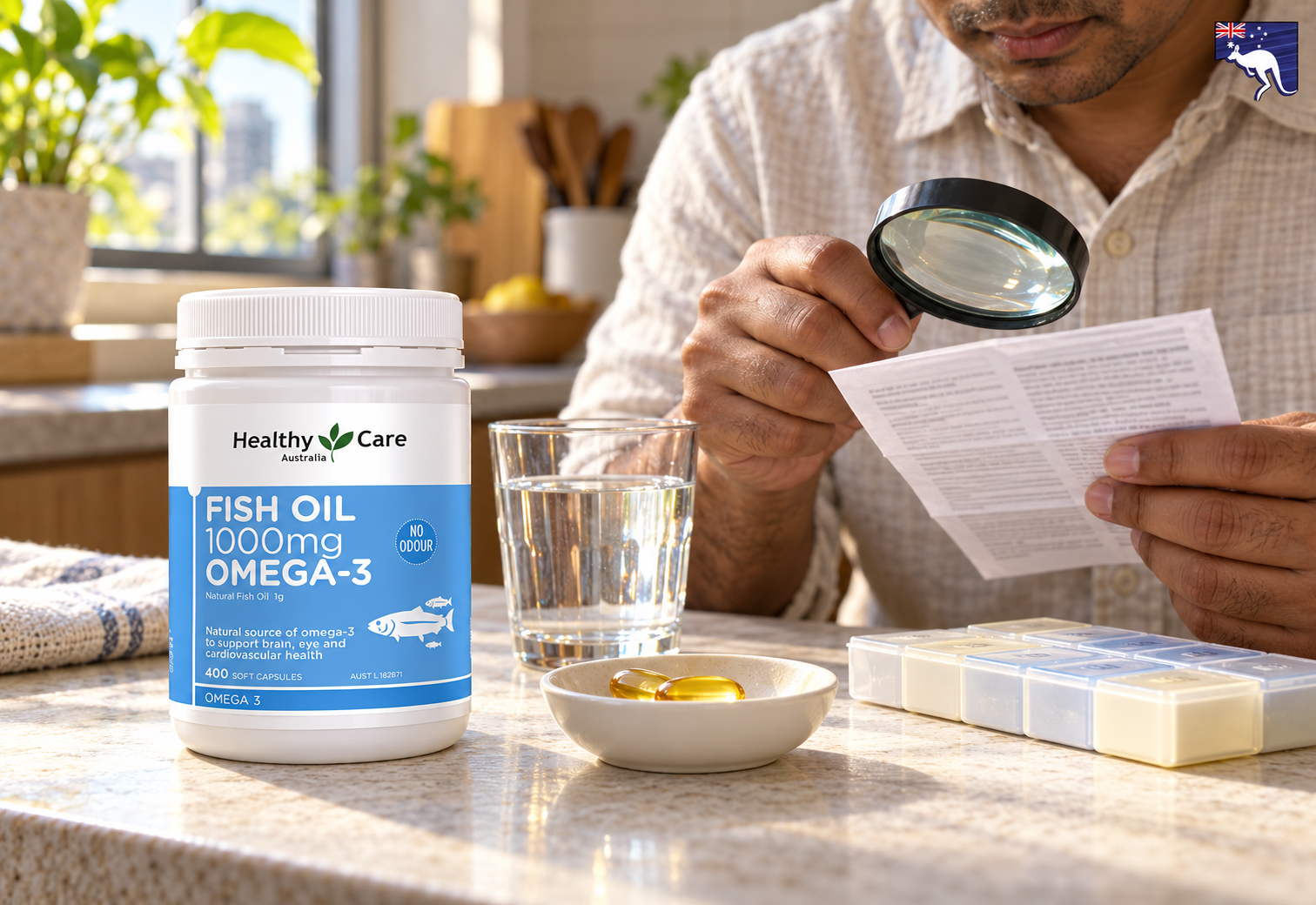
Place both bottles side by side. Find the serving size first, then the DHA and EPA amounts for that serving. “Fish oil 1,000 mg” describes total oil; it does not establish that the capsule contains 1,000 mg DHA. A two-capsule serving also cannot be compared directly with a one-capsule figure.
For illustration, if a prenatal supplies 200 mg DHA and a separate product supplies another 200 mg per daily serving, together they provide 400 mg DHA from supplements. That is an arithmetic example, not a suggested amount for every pregnancy. It shows why the clinician needs both labels.
Next, scan the other ingredients and warnings. Look for added vitamins, herbs, allergens and any pregnancy restriction. Our EPA versus DHA guide explains the fatty-acid terms if the panel is unfamiliar.
Cod liver oil needs a clear warning
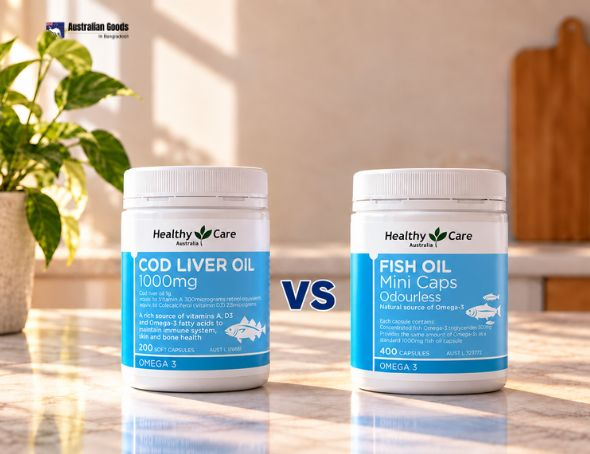
Avoid cod liver oil and supplements containing vitamin A as retinol during pregnancy. The NHS advises this because excessive vitamin A can harm fetal development. Cod liver oil is not interchangeable with ordinary fish-body oil merely because both provide omega-3.
Do not assume a product is suitable because it is natural, imported or sold beside prenatal vitamins. If a label is unclear about its ingredients or intended users, pause that purchase and ask a pharmacist or maternity clinician to check the exact pack.
Fish-free options and product suitability
Algal products can provide DHA without fish oil, but formulas differ. Check the actual fatty acids, capsule shell and complete ingredient list rather than relying only on the words “plant based.” A children's algal-DHA product is not automatically an adult prenatal formulation.
Discuss seafood allergy, current medicines, planned procedures and troublesome side effects before adding a product. If swallowing capsules is difficult, ask about an appropriate format. Do not open, chew or alter a capsule unless the directions or a pharmacist confirm that this is suitable.
Once suitability is established, compare the expiry, seal, storage requirements and seller records. The related product panels support those checks. They are not a claim that every displayed product is appropriate for pregnancy.
Review the plan during breastfeeding
After delivery, your food routine and supplement needs may change. Bring the prenatal and any separate omega-3 to the postnatal review. Ask whether to continue both, adjust the plan, or meet the intended intake in another way.
CDC breastfeeding guidance recommends a varied diet and an individual review of supplementation. It also highlights the need to assess nutrients including EPA/DHA for mothers following vegan or vegetarian diets. The food and supplement decisions belong within the whole nutrition picture.
A mother's supplement directions are not instructions for giving that product to her baby. Ask the child's clinician about the baby's own needs, especially if the baby was born prematurely or has feeding concerns. Maternal supplementation should not be used to improvise changes to a baby's feeding plan.

Swisse Ultiboost Pregnancy DHA Fish Oil
Swisse Pregnancy DHA Fish Oil in Bangladesh: check DHA and EPA amounts, prenatal overlap, supplied directions and current 30-capsule pack price.
Take five questions to your next appointment
- What do my current meals and prenatal already contribute?
- Is the goal general nutritional intake or a specific clinical concern?
- If another product is useful, which fatty acids and daily amount should it provide?
- Does the full formula fit my medicines, allergies and stage of pregnancy or breastfeeding?
- When should we review the plan?
Photographs of the front and ingredient panel make the discussion easier. Record the agreed instructions before ordering so that a change in pack size or a similarly named formula does not quietly change your routine.