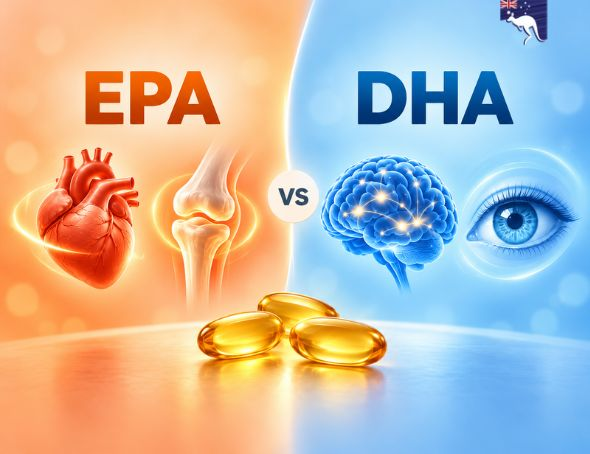
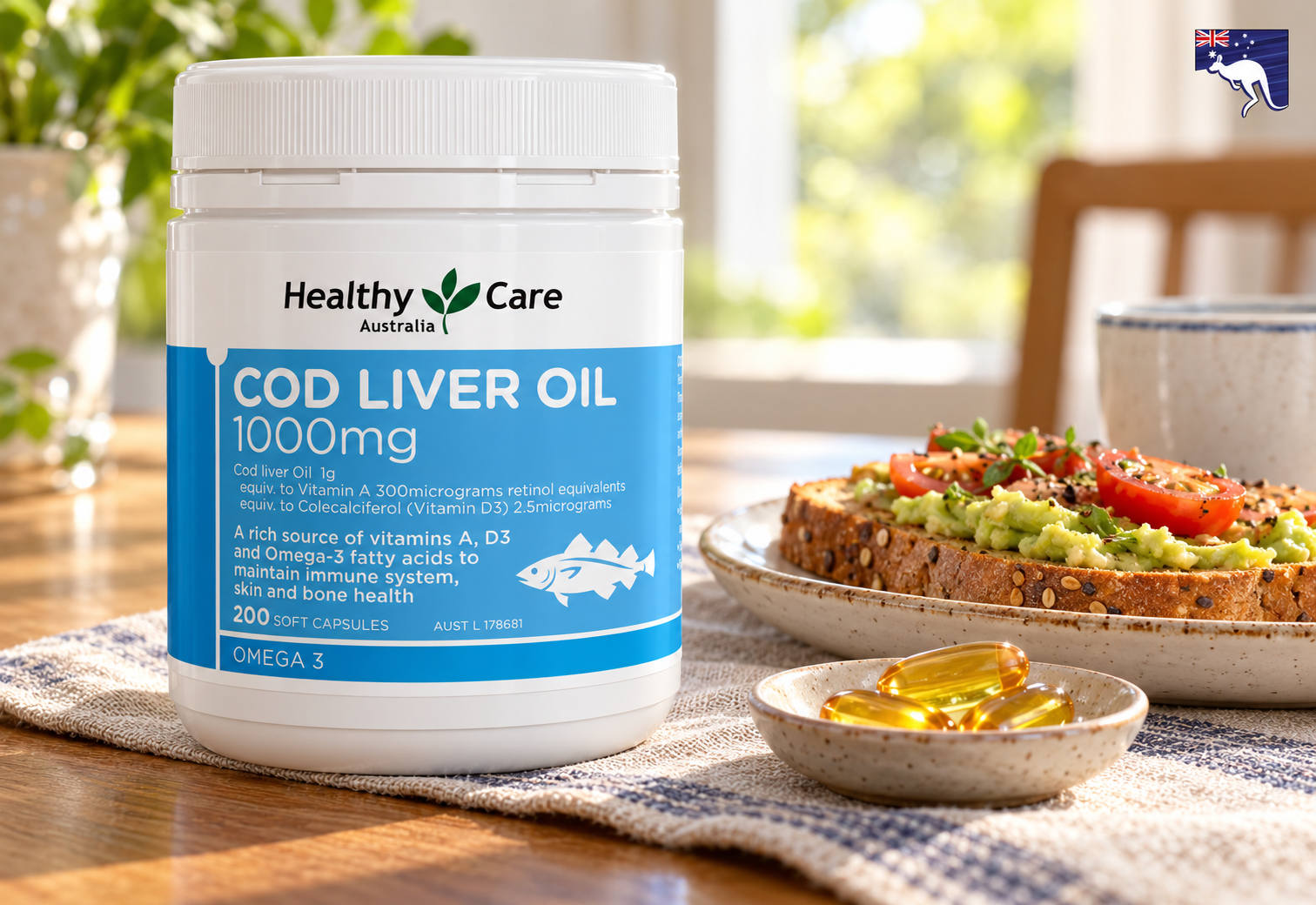
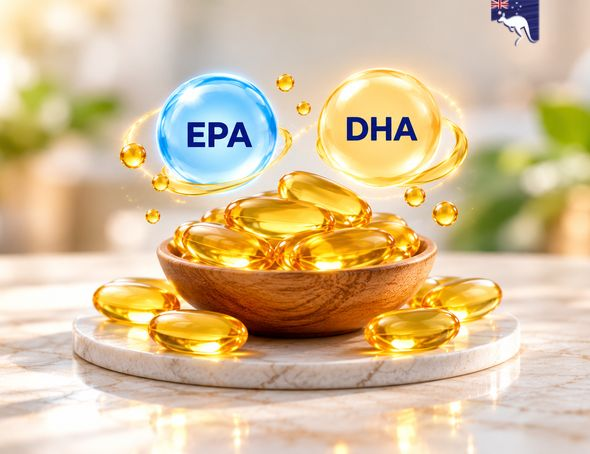
Cod Liver Oil vs Fish Oil: Omega-3, Vitamins A and D
Cod liver oil and fish oil share an omega-3 connection, but the extra vitamins change the buying decision. Compare the complete formula, especially if you already take a multivitamin, vitamin D or a pregnancy supplement.
Quick Answer
Cod liver oil supplies omega-3s alongside vitamins A and D in amounts that vary by product. Fish-oil products are mainly compared by their EPA and DHA, though added ingredients must still be checked. Choose according to the nutrients you need, and avoid cod liver oil during pregnancy because of its vitamin A content.
Key Takeaways
- A larger oil weight does not identify which product supplies more EPA and DHA.
- Include every supplement when checking vitamin A and vitamin D intake; ingredients can overlap.
- A product combining several nutrients is convenient only when its complete formula is suitable.
Your usual fish oil has run out, and the bottle beside it says cod liver oil. Both mention omega-3. Is it a straightforward swap? The answer depends on the smaller ingredient numbers, especially vitamins A and D.
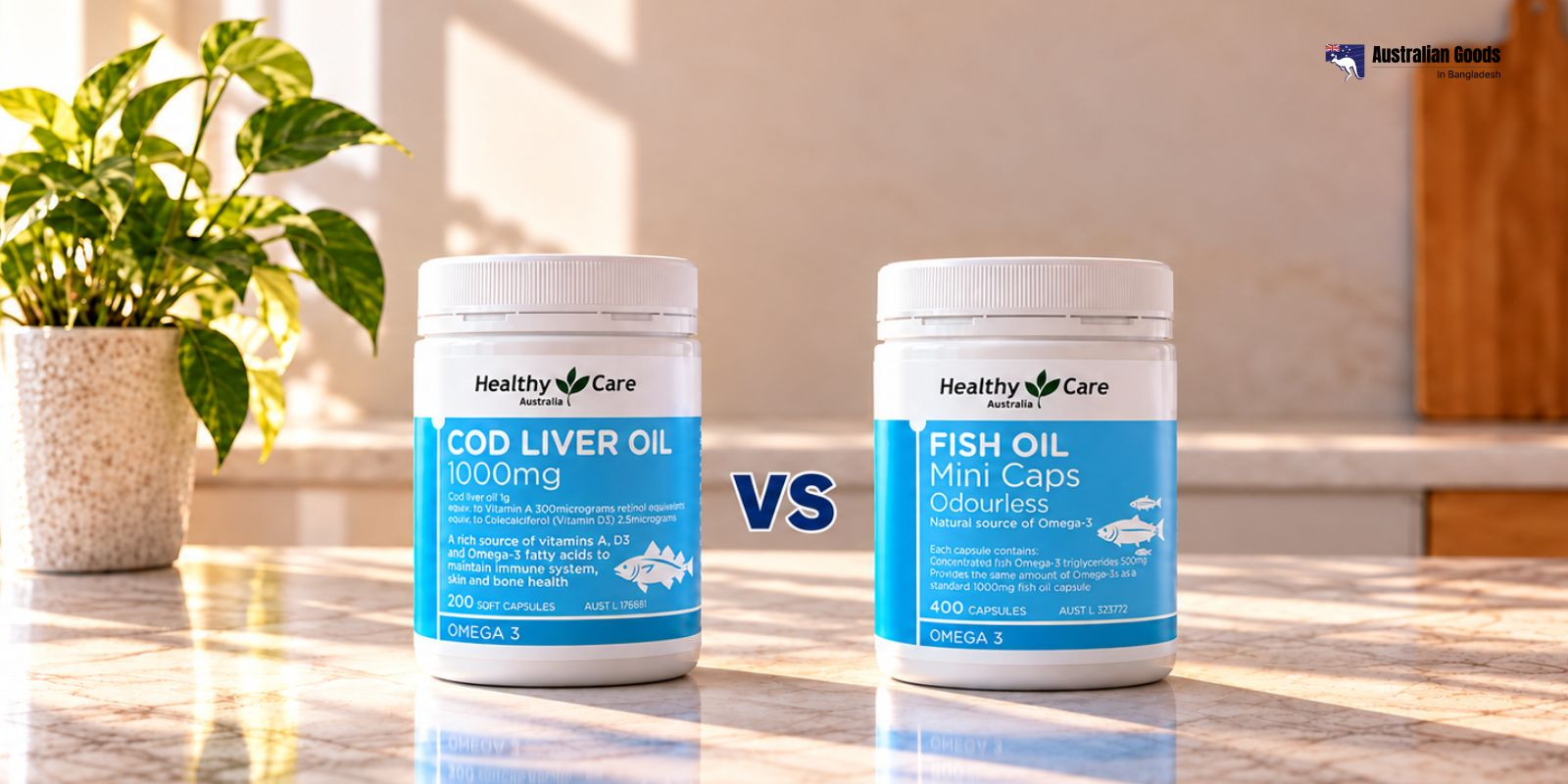
When comparing cod liver oil vs fish oil in Bangladesh, resist choosing by the size of the bottle or the familiarity of the name. First decide which nutrients you need. Then check whether one serving delivers those nutrients without adding something unnecessary.
The main difference is the complete formula
NCCIH explains that fish oil contains EPA and DHA, while fish-liver oils such as cod liver oil also contain vitamins A and D. The amounts vary between products, and excessive vitamin intake can be harmful.
| What to compare | Fish oil | Cod liver oil |
|---|---|---|
| Main label focus | EPA and DHA amounts | EPA, DHA and vitamins A/D |
| Extra ingredients | Check for added vitamins or other actives | Check vitamin amounts and any additions |
| Serving format | Capsules or liquid, depending on product | Capsules or liquid, depending on product |
| Key decision | Does the omega-3 formula fit the purpose? | Does the entire nutrient combination fit? |
The category name cannot tell you the exact strength. A concentrated fish oil may supply a different EPA/DHA amount from a standard oil; two cod-liver-oil products may also differ considerably. Use the supplied pack’s current panel for the final comparison.
Read four nutrient lines instead of one
Write down EPA, DHA, vitamin A and vitamin D for the labelled serving. Keep the serving size beside each figure. One capsule, two capsules and a measured liquid dose are not interchangeable quantities.
Total oil weight is another figure altogether. “1,000 mg oil” does not tell you how much EPA or DHA it contains. If a listing does not disclose those amounts, request a clear label photograph before treating it as comparable with a fully specified product.
Keep the units visible too. Milligrams and micrograms differ by a factor of 1,000. Vitamin D may also be written in international units: NIH states that 1 microgram equals 40 IU. Vitamin A conversions depend on the form, so do not reuse the vitamin D conversion for it.
A comparison written this way is useful to a pharmacist as well as to you. It makes missing information and overlapping ingredients easier to spot than a collection of front-label photographs.
Why the vitamin A content matters
Vitamin A supports normal functions including vision and immune function, but more is not always better. NIH distinguishes preformed vitamin A, including retinol and retinyl esters, from plant-derived carotenoids. The form matters when assessing excessive intake.
Review multivitamins, skin or hair supplements and other products alongside the oil. The relevant question is the combined routine, not whether each individual bottle appears reasonable in isolation.
The NHS vitamin A guidance also draws attention to liver in the diet and supplements containing vitamin A. If you eat liver regularly or already take vitamin A, get advice before adding cod liver oil. Do not interpret the presence of a useful vitamin as permission to take additional servings.
Pregnancy changes the choice
Do not take cod liver oil during pregnancy. The NHS advises avoiding cod liver oil and supplements containing vitamin A (retinol) because excessive vitamin A can harm a developing baby. If you are trying to conceive, ask your clinician about your supplement routine before continuing a fish-liver-oil product.
A need for DHA does not remove this concern. Ask the maternity clinician or pharmacist to review an appropriate formulation together with your prenatal supplement. Do not assume that an ordinary multivitamin or a product marketed for the whole family is suitable for pregnancy.
If you have already taken a product and are worried, keep the label and record the amount and timing, then contact your clinician for individual advice. Avoid drawing conclusions about risk from the product name alone.
Vitamin D is a separate decision
Cod liver oil is sometimes chosen because it contains vitamin D, but it should not be used to improvise treatment for a diagnosed deficiency. The required formulation and schedule depend on the clinical plan. Increasing cod liver oil to obtain more vitamin D also increases its other ingredients.
For someone already taking vitamin D, add the oil’s contribution to the full list before discussing the routine with a pharmacist. NIH’s vitamin D guidance describes harms from excessive supplemental intake and interactions with some medicines. A familiar nutrient can still need careful dosing.
Do not assume Bangladesh’s sunshine means that every person has the same vitamin D status. Equally, tiredness or aches alone do not establish that you need a vitamin D-containing oil. An assessment should guide treatment decisions.
Which option fits your reason for buying?
- You want to compare EPA+DHA only: start with a clearly labelled fish-oil or other appropriate direct omega-3 formula, then check for additional ingredients.
- You want a combined product: consider cod liver oil only after reviewing whether its vitamin A and D amounts fit your overall intake.
- You have prescribed treatment: do not replace a prescription omega-3 or vitamin product with either oil without approval from the prescriber.
- You are buying for a child: check the intended age, formulation and directions. An adult bottle does not become a children’s product by guessing a smaller amount.
For a focused explanation of EPA and DHA, see our omega-3 ingredient guide. For a child’s product, our children’s format and label guide helps organise the checks.
Check the practical details before ordering
Review fish allergy, medicines, existing supplements and the reason for use with a healthcare professional where relevant. Use the manufacturer’s measuring instructions for liquids, and follow its storage directions rather than assuming every oil belongs in the fridge.
Finally, compare the cost of the labelled serving, not only the bottle price. The more economical choice is the suitable formula you can use correctly. Open the related product labels, record the four nutrient lines and settle any missing details before you buy.