Omega-3 Side Effects, Interactions and Who Should Avoid It
Most problems people notice with fish oil are digestive, but the right response depends on the symptom, dose and medicines involved. Learn how to read the label, reduce avoidable discomfort and recognise when a pharmacist or doctor should review your supplement.
Quick Answer
Common omega-3 side effects include a fishy aftertaste, reflux, nausea and loose stools. Check with a clinician before taking fish oil if you use blood-thinning medicines, have a bleeding disorder or a history of atrial fibrillation. Trouble breathing, severe swelling or significant bleeding needs urgent medical attention.
Key Takeaways
- Count EPA plus DHA on the label; the total fish-oil weight is a different number.
- A new symptom deserves a review of the product, dose and other medicines—not an automatic increase or brand switch.
- High-dose prescription findings should not be applied to every ordinary fish-oil supplement.
A fishy burp after a capsule is unpleasant. A racing heartbeat or unusual bleeding calls for a different response. Knowing that difference makes a safety guide more useful than a long list of possible problems.

If you are buying omega-3 in Bangladesh, begin with the actual bottle and a list of medicines you take. “Natural” does not settle whether a product suits you, and two capsules with similar front labels can deliver very different amounts of EPA and DHA.
Common fish oil side effects: what you may notice
The NIH Office of Dietary Supplements describes generally mild effects such as an unpleasant taste, bad breath, heartburn, nausea, stomach discomfort and diarrhoea. These symptoms do not prove that a product is fake, but persistent symptoms should not be ignored.
| What happens | A sensible next step |
|---|---|
| Fishy aftertaste or burping | Check the label's directions for taking it with food. Ask a pharmacist whether another formulation would suit you. |
| Heartburn or nausea | Review when symptoms start and whether they follow the capsule. Seek advice if they continue or worsen. |
| Loose stools or stomach discomfort | Check for accidental extra doses or overlapping supplements. Do not keep increasing the dose. |
| A new rash or other suspected reaction | Stop taking the supplement and obtain medical advice; severe allergic symptoms need urgent help. |
Record the product name, how much you took and when the symptom appeared. That short record gives a pharmacist something concrete to assess. A vague description such as “the strong omega-3” is much less helpful.
Fish oil and blood thinners: a precaution, not a blanket ban
Tell your prescriber about fish oil if you take warfarin, another anticoagulant, an antiplatelet medicine such as clopidogrel, or regular aspirin. Mention painkillers and over-the-counter products too. The NCCIH safety guidance advises discussing possible interactions with medicines that affect blood clotting.
The evidence is more nuanced than “fish oil always causes bleeding.” A 2024 analysis of 11 randomised trials involving 120,643 participants did not find an overall increase in bleeding with omega-3 treatment. A subgroup receiving high-dose purified EPA did show an increase. The formulation, dose and person's situation therefore matter.
Do not stop a prescribed blood thinner to make room for a supplement. Your clinician may advise a particular product, monitoring or avoiding supplementation. If you use warfarin, discuss changes before starting or stopping fish oil rather than adjusting your medicine yourself.
Should you stop fish oil before surgery?
A bleeding analysis of the OPERA randomised trial included 1,516 people undergoing cardiac surgery. Fish oil did not increase major perioperative bleeding compared with placebo. This challenges the assumption that everyone taking fish oil necessarily faces extra surgical bleeding, but the result does not establish instructions for every procedure or patient. Read the OPERA bleeding analysis.
There is no universal “stop seven days before surgery” rule to take from this study. It used a supervised research regimen; do not copy its dose or use its findings to override your hospital's instructions.
Before your preoperative appointment, prepare one list of prescribed medicines, painkillers, herbal products and supplements, with the amount, frequency and last use of each. Photographs of the packs can prevent confusion about similar names. Ask the surgeon or anaesthetist for exact instructions on which items to continue, pause and restart, and when. If two sets of instructions conflict, contact the treating team to reconcile them. Do not stop a prescribed anticoagulant yourself or delay a procedure solely because of an online supplement rule.
What about atrial fibrillation and high doses?
Atrial fibrillation is an abnormal heart rhythm. Some large trials of higher-dose omega-3 treatment found more atrial fibrillation among participants, particularly in cardiovascular-risk populations. The NHLBI discussion of benefits and risks explains why dose and the reason for treatment belong in the same conversation.
This does not mean everyone taking fish oil will develop a rhythm problem. It does mean that “more concentrated” is not automatically better. If you already have atrial fibrillation, another rhythm disorder or unexplained palpitations, ask your clinician before choosing a high-strength supplement.
Research using prescription products at several grams a day is not a reason to copy that intake with shop-bought capsules. A treatment selected for high triglycerides requires a different assessment from filling a dietary gap.
Who should get individual advice before taking omega-3?
- People with fish or seafood allergies: check the oil source and all other ingredients with a clinician. Purification and an “odourless” label do not establish allergy safety.
- Anyone with unusual bleeding or a bleeding disorder: review the cause and all medicines before adding a supplement.
- People preparing for an operation or dental procedure: tell the treating team what you take and follow its instructions. Do not apply a universal stopping schedule found online.
- Anyone using several supplements: bring every label, including multivitamins and other omega products, so overlapping ingredients can be identified.
- Children and people who are pregnant or trying to conceive: choose only after checking suitability for that life stage.
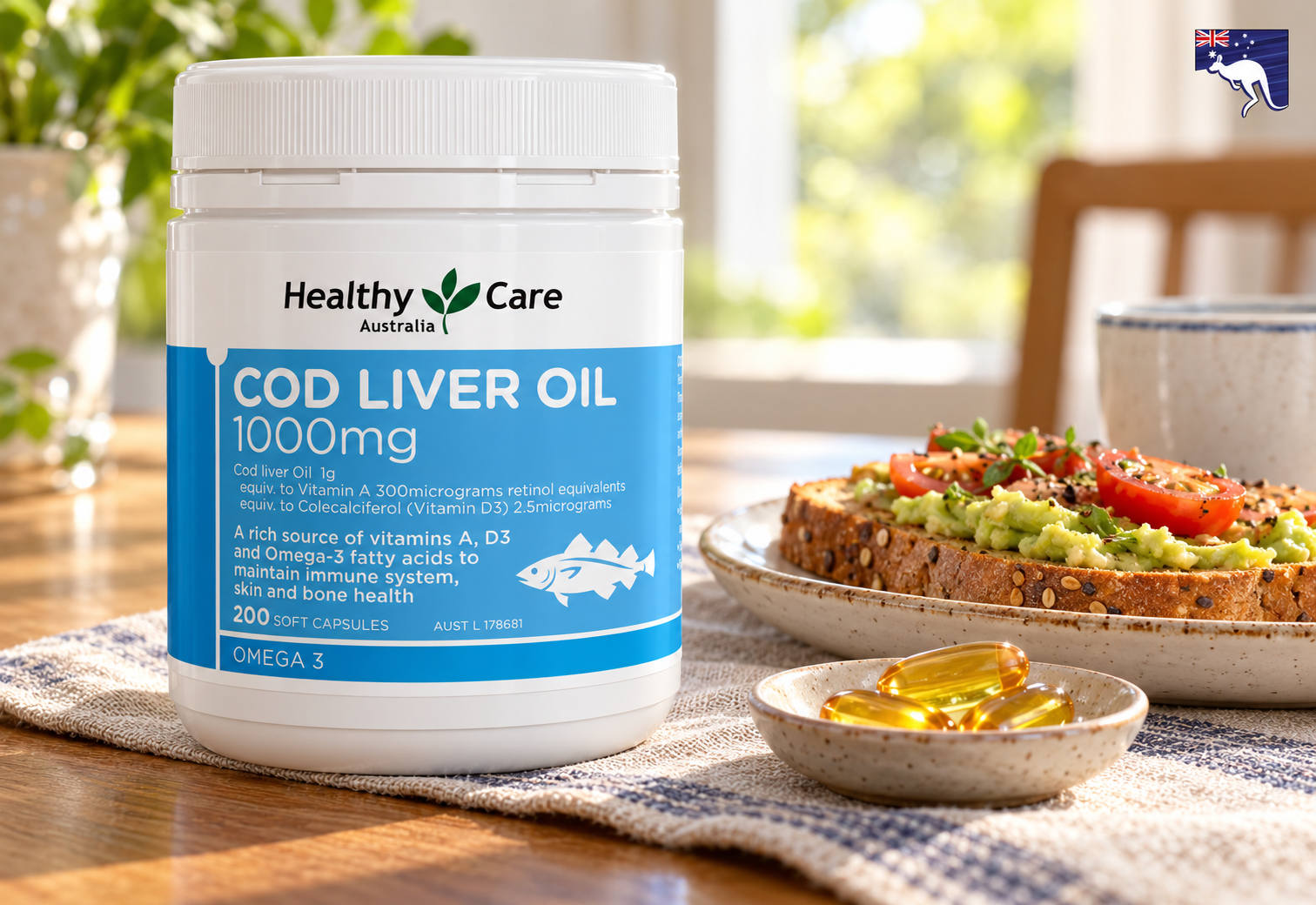
Pregnancy also makes the distinction between fish oil and cod liver oil especially important. NHS pregnancy guidance advises avoiding cod liver oil and supplements containing vitamin A as retinol. Do not substitute one type of oil for another simply because both mention omega-3.
Read the active amount before comparing bottles
A front label may highlight “1,000 mg fish oil.” That is the weight of the oil, not necessarily 1,000 mg of EPA plus DHA. Find the separate EPA and DHA entries, establish whether they are per capsule or per serving, then add them together.
For example, a label listing 180 mg EPA and 120 mg DHA per capsule supplies 300 mg combined. This is label arithmetic, not a recommended dose. A concentrated capsule can contain more EPA and DHA while showing a similar-looking number elsewhere on the pack.
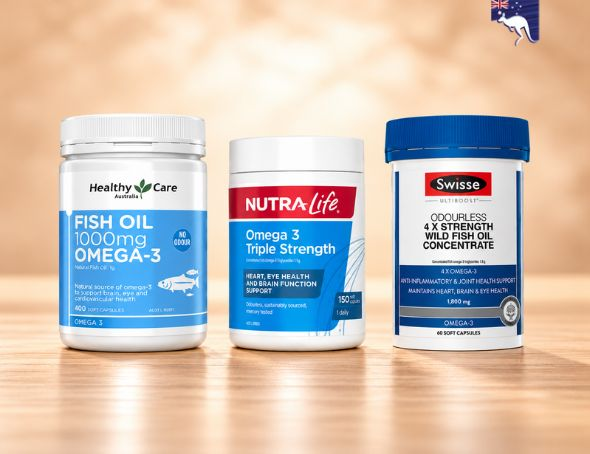
Use the product panel below to inspect a real formulation. Check the current ingredient list, directions and warnings before ordering; the featured bottle is an example for comparison, not a claim that it is suitable for everyone.

Healthy Care Fish Oil 1000mg Omega-3
Healthy Care Fish Oil 1000mg Omega-3 is an odourless fish oil supplement that provides essential Omega-3 fatty acids to support heart, brain, eye and joint health. It is a convenie...
A practical safety check before your next order
Ask the seller for clear photographs of the available pack if the listing leaves a question unanswered. Match the full product name, strength and capsule count. Check the seal, expiry date and batch information, and follow the storage conditions printed on that bottle.
During Bangladesh's hot weather, think about where the bottle will actually stay after delivery. A sunny windowsill, a parked vehicle and a shelf near a cooker are poor choices for a product that requires cool storage. Do not invent your own refrigeration rule; follow the manufacturer.
Keep the original container so its directions remain available. If the capsules look damaged or leak, or the product seems abnormal, contact the seller or manufacturer before using it. An expiry date alone cannot answer every storage or quality question.
Warning signs that should not wait
Seek urgent medical care for difficulty breathing, swelling of the tongue or throat, collapse, or another severe allergic reaction. The NHS anaphylaxis guidance identifies these as emergency symptoms. Do not wait to see whether another capsule causes the same response.
Significant unexplained bleeding, black stools, vomiting blood, chest pain or fainting also needs urgent assessment, whether or not fish oil caused it. New persistent palpitations should be discussed promptly. Mild burping and these warning signs belong in different categories.
If your question is simply how much EPA and DHA your daily routine provides, read the dosage guide below. If your question is whether fish oil fits your medicines or medical history, take the label to your pharmacist or doctor.