Zinc for Immunity in Bangladesh – Dose, Benefits & Safety
Zinc deficiency is a major reason for weak immunity, frequent viral infections, hair fall, and slow wound healing in Bangladesh. This guide explains how Zinc supports immune cells, why rice-based diets block absorption, safe daily dosage limits, and how to choose the best Zinc supplements for adults and children without risking side effects.
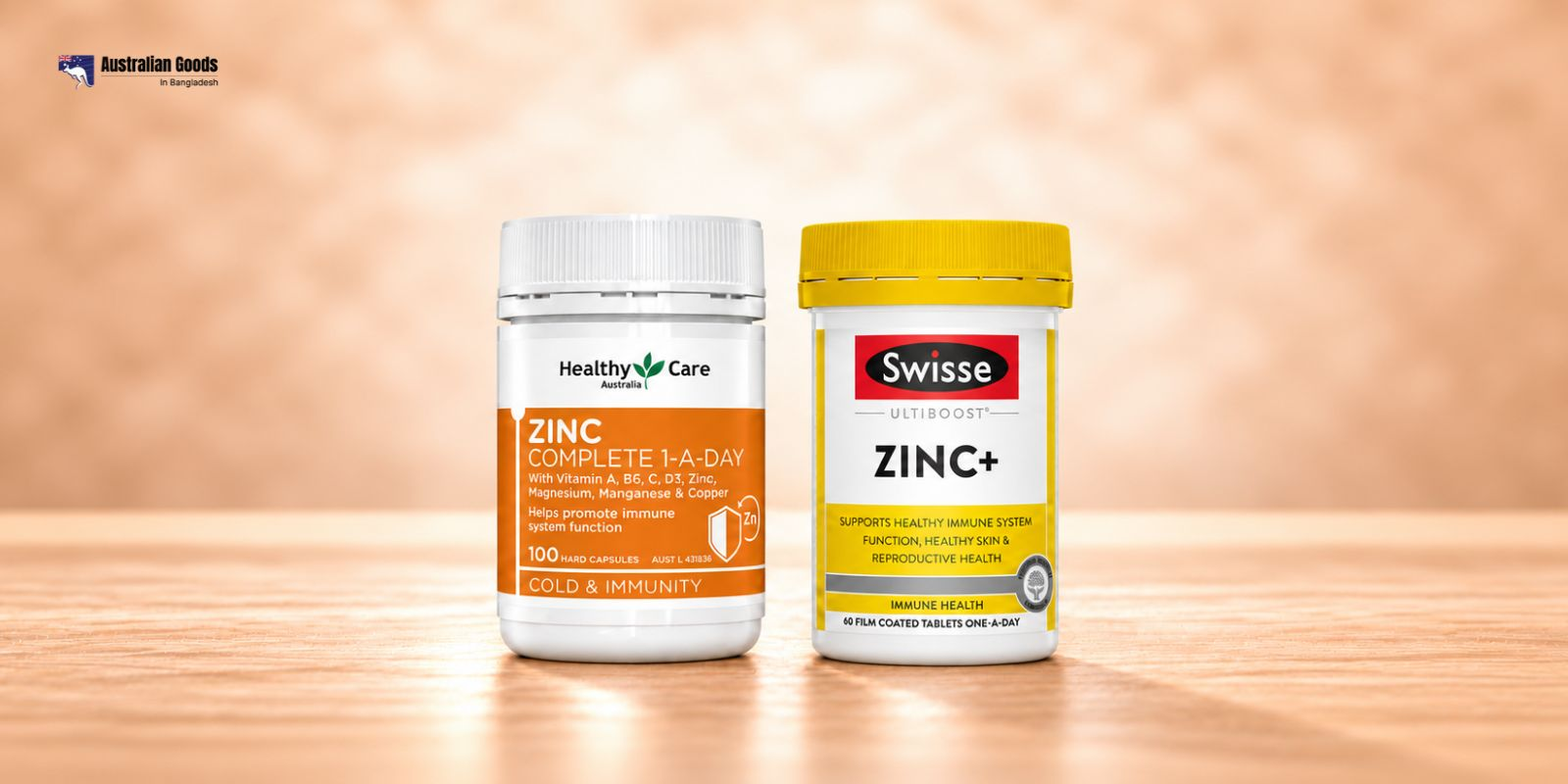
Zinc is essential for normal immune function, wound healing, growth, DNA and protein synthesis, and the senses of taste and smell. But that does not mean everyone in Bangladesh needs a zinc supplement or that taking extra zinc will prevent seasonal colds, flu or other infections.
The useful question is not simply, Does zinc boost immunity? It is: Are you getting enough zinc from your diet, are you at higher risk of deficiency, and would a supplement add value without pushing your total intake too high?
That distinction matters in Bangladesh. Diets built heavily around cereals and legumes can provide zinc, but phytates in plant foods can reduce zinc absorption. At the same time, animal-source foods generally provide zinc in a more bioavailable form.
This guide explains what zinc actually does for immunity, what older Bangladesh nutrition data can and cannot tell us, how much zinc different age groups need, when supplements may be useful, and where excessive intake becomes a safety concern.
If you are mainly looking to compare available products rather than understand the evidence, visit the Zinc Supplements in Bangladesh category.
Does Zinc Really Support the Immune System?
Yes. Zinc is necessary for normal immune function. It contributes to the development and activity of immune cells and helps maintain normal barriers, cell growth and tissue repair.
But supporting normal immunity is not the same as making the immune system stronger than normal, preventing every viral infection or treating diseases such as influenza or dengue.
Zinc deficiency can impair immune function. Correcting inadequate zinc intake is therefore important. For someone who already gets enough zinc, however, taking progressively larger amounts does not mean progressively better immunity.
The goal is adequacy, not maximum intake.
For a deeper explanation of zinc's cellular immune functions and its relationship with hormone pathways, read How Zinc Supports Immune Function and Hormone Balance .
What Does Zinc Do in the Body?
Zinc is an essential trace mineral. The body requires it in relatively small amounts, but those amounts are involved in many fundamental processes.
- Normal immune-system function
- DNA and protein synthesis
- Cell division and growth
- Normal growth and development during childhood and adolescence
- Wound healing
- Normal taste and smell
- Reproductive and developmental processes
This broad biological role explains why severe zinc deficiency can affect several parts of the body at once. It does not mean zinc supplements are a treatment for every symptom connected with those systems.
Is Zinc Deficiency a Concern in Bangladesh?
Bangladesh has a documented history of zinc inadequacy, particularly among nutritionally vulnerable groups. National micronutrient research has previously reported substantial zinc deficiency among preschool children and women.
There is an important limitation: much of the widely cited nationally representative zinc data comes from the 2011–2012 National Micronutrient Survey. Those findings remain useful for understanding the country's nutritional background, but they should not be presented as if they prove the exact prevalence of zinc deficiency in Bangladesh in 2026.
The more useful current takeaway is that several features of common diets can make zinc nutrition worth paying attention to.
- Heavy reliance on cereals with relatively limited animal-source foods can reduce overall zinc density.
- Phytates found in grains, legumes, nuts and seeds can bind zinc and reduce its absorption.
- Children and pregnant or breastfeeding women have life-stage-specific nutrient requirements.
- Restrictive diets or gastrointestinal disorders can affect zinc intake or absorption.
This does not mean everyone who eats rice and dal is zinc deficient. Diet quality, food variety, total zinc intake and individual health all matter.
Do Rice, Dal and Plant Foods Block Zinc Absorption?
The simple statement rice blocks zinc is misleading.
The relevant issue is phytate, a naturally occurring compound in many cereals, legumes, nuts and seeds. Phytate can bind zinc in the digestive tract and reduce the proportion that the body absorbs.
This does not make dal, whole grains, nuts or seeds unhealthy foods. They provide many valuable nutrients. It simply means zinc from plant-heavy diets may be less bioavailable than zinc from many animal-source foods.
A varied diet that combines plant foods with appropriate zinc-rich foods is more useful than treating one traditional Bangladeshi food as the problem.
How Much Zinc Do You Need Each Day?
Daily zinc requirements depend on age, sex and life stage. The values below are U.S. National Institutes of Health dietary reference amounts and refer to total zinc intake from food, beverages and supplements.
They are nutritional reference values not instructions to take that amount as a zinc tablet.
| Group | Recommended Daily Amount | Daily Upper Limit |
|---|---|---|
| Children 1–3 years | 3 mg | 7 mg |
| Children 4–8 years | 5 mg | 12 mg |
| Children 9–13 years | 8 mg | 23 mg |
| Teen males 14–18 years | 11 mg | 34 mg |
| Teen females 14–18 years | 9 mg | 34 mg |
| Adult men | 11 mg | 40 mg |
| Adult women | 8 mg | 40 mg |
| Pregnant adults | 11 mg | 40 mg |
| Breastfeeding adults | 12 mg | 40 mg |
Important: the upper limit is a safety ceiling, not a recommended daily target. The NIH adult upper limit of 40 mg includes zinc from all sources unless higher intake is being used for a specific medical reason under professional care.
Why More Zinc Is Not Better
Zinc is essential, but excessive intake can cause problems.
Too much zinc can cause:
- Nausea
- Vomiting
- Stomach upset
- Headache
- Loss of appetite
Excessive zinc taken over longer periods can also interfere with copper absorption. This can lead to low copper status and other health problems.
That is why immune loading with high-dose zinc should not become a routine wellness habit.
Can You Get Enough Zinc From Food?
Many people can meet their zinc needs through a varied diet.
Useful dietary sources include:
- Beef and other meats
- Chicken and poultry
- Fish and seafood
- Eggs
- Milk and other dairy foods
- Beans and lentils
- Nuts such as cashews
- Pumpkin and other seeds
- Whole grains and fortified foods
Animal-source foods generally provide zinc that is more readily absorbed. Beans, grains, nuts and seeds still contribute zinc, but phytate can reduce its bioavailability.
If you want a broader look at zinc, magnesium and other dietary minerals, see our Mineral Supplements in Bangladesh guide.
Who Might Need More Attention to Zinc Intake?
A supplement is not automatically required simply because zinc is important.
People who may benefit from a closer look at their intake include those who:
- Eat a restrictive diet with limited zinc-rich foods
- Follow a vegetarian or vegan diet that is high in phytate-containing foods
- Have certain gastrointestinal disorders or have undergone gastrointestinal surgery
- Are pregnant or breastfeeding and have increased nutritional requirements
- Have persistent symptoms that a healthcare professional considers compatible with zinc deficiency
- Have been advised by a qualified healthcare professional to use supplemental zinc
The decision should consider food intake and other supplements as well. Many multivitamins already contain zinc, so adding a separate zinc product can unintentionally increase total intake.
What Are Possible Signs of Zinc Deficiency?
Zinc deficiency can be associated with several problems, including:
- Poor growth in children
- Loss of appetite
- Hair loss
- Frequent infections
- Changes in taste or smell
- Delayed wound healing
- Diarrhea in some contexts
These symptoms are not specific to zinc deficiency. Hair loss, altered taste, frequent illness or slow wound healing can have many different causes.
Do not diagnose zinc deficiency from a symptom checklist alone. Clinical assessment, diet history, and laboratory information may all be relevant, and zinc status can be difficult to assess accurately using a single test.
Does Zinc Help With the Common Cold?
This is one of the most misunderstood zinc topics.
Some studies suggest that certain oral zinc lozenges or syrups started around the beginning of a common cold may shorten recovery time. However, study results have varied, and the best formulation, amount and treatment schedule are not firmly established.
That evidence should not be turned into the claim that taking an ordinary zinc tablet every day will prevent colds, flu, dengue or other viral illnesses.
Zinc is required for normal immune function. It is not a daily antiviral shield.
Intranasal zinc products should also be avoided because they have been associated with loss of the sense of smell.
For broader products intended for general cold, flu and immune-support categories, browse Cold, Flu & Immunity Support .
Zinc for Childhood Diarrhoea Is a Different Medical Use
Parents in Bangladesh may already be familiar with zinc because it is used alongside oral rehydration therapy in the management of acute childhood diarrhoea.
WHO recommends zinc as part of clinical management for children with diarrhoea in relevant settings. This is a specific treatment protocol and should not be confused with routine daily zinc supplementation for immunity or growth.
Do not use the therapeutic diarrhoea regimen as a general daily supplement plan for a healthy child. Follow appropriate medical guidance when a child is ill.
Does Zinc Help Hair, Skin and Wound Healing?
Zinc is involved in protein synthesis, cell division and wound healing, and zinc deficiency can be associated with hair loss and skin problems.
But this does not mean zinc supplementation will stop every type of hair fall or treat every skin condition.
Hair loss can also be related to iron deficiency, thyroid disease, stress, genetics, hormonal conditions, medication use and many other factors. Acne also has multiple causes.
If a person is zinc deficient, correcting the deficiency may help deficiency-related symptoms. If zinc status is already adequate, taking progressively more zinc is not a reliable hair or acne treatment.
Can Zinc Make Children Taller?
Zinc is necessary for normal childhood growth, and deficiency can contribute to impaired growth.
That is very different from saying a zinc supplement can make a child taller than their healthy genetic growth potential.
Height is influenced by genetics, overall nutrition, health conditions, hormones and development. A child with poor growth should be properly assessed rather than given increasingly large amounts of zinc.
What About Zinc and Men's Reproductive Health?
Zinc is involved in normal reproductive biology, and severe zinc deficiency can affect several body systems.
However, zinc should not be marketed as a guaranteed testosterone booster or fertility treatment for men who already have adequate zinc status.
Fertility problems, low testosterone and related symptoms require proper medical evaluation because they have many possible causes.
Our separate guide on zinc, immunity and hormone balance explains the biological relationship in more detail.
Which Form of Zinc Is Best?
Zinc supplements can use forms such as zinc gluconate, zinc acetate, zinc sulfate and other zinc compounds.
Marketing often claims that one zinc form is universally best absorbed or easier on the stomach. Current NIH consumer guidance notes that it is not clear that one commonly used supplement form is better than all others.
A better comparison is to check:
- Amount of zinc provided per serving
- Product directions
- Other vitamins and minerals included
- Allergens and other ingredients
- Age guidance
- Warnings and precautions
- Whether you already get zinc from another supplement or multivitamin
Zinc Can Interact With Some Medicines
Mineral supplements are not automatically harmless simply because they are sold without a prescription.
Zinc can interact with some medicines, including certain quinolone and tetracycline antibiotics. Taking zinc at the same time can reduce absorption of the zinc and the antibiotic.
Zinc can also interact with penicillamine, a medicine used for particular medical conditions.
The correct separation interval depends on the medicine. Follow the medication instructions or ask a doctor or pharmacist rather than using one universal 2-hour rule.
If you take regular medicines, tell your pharmacist or doctor about all vitamin and mineral supplements you use.
Should Zinc Always Be Taken With Food?
Zinc supplements can cause nausea or stomach upset in some people, and taking a product with food may improve tolerance when that is compatible with its label directions.
But there is no scientific rule that lunch is the best time for zinc or that every zinc supplement must always be taken immediately after a full meal.
Follow the directions on the exact product. If it repeatedly causes nausea or stomach discomfort, review the product and your total zinc intake with a pharmacist or healthcare professional.
How to Choose a Zinc Supplement in Bangladesh
If your diet, healthcare advice or individual circumstances lead you to consider a supplement, compare the product itself rather than choosing whichever bottle makes the strongest immunity claim.
| What to Check | Why It Matters |
|---|---|
| Zinc per serving | Helps you understand how the product fits with zinc from food and other supplements |
| Serving size | One serving may be one tablet or several units |
| Other nutrients | Helps prevent accidental duplication with multivitamins or other supplements |
| Age guidance | Adult products should not automatically be used for children |
| Warnings and medicine interactions | Particularly important when taking regular medication |
| Batch and expiry information | Useful for product traceability and appropriate use |
| Seller transparency | Important when purchasing imported supplements in Bangladesh |
You can compare current zinc products in the Zinc Supplements in Bangladesh category.
For information about how Australian Goods reviews sourcing, packaging and authenticity information, see our Authenticity Commitment.
When Should You Ask a Healthcare Professional About Zinc?
Professional advice is especially useful if you:
- Suspect a significant nutritional deficiency
- Have unexplained or persistent hair loss
- Have poor wound healing
- Have persistent changes in taste or smell
- Have a gastrointestinal condition that may affect nutrient absorption
- Are pregnant or breastfeeding
- Are considering zinc for a child
- Take prescription medicines
- Already use a multivitamin or another zinc-containing supplement
- Are considering long-term or high-dose zinc
Common Zinc Supplement Mistakes
- Treating 40 mg as the recommended adult dose. It is an upper intake limit, not the nutritional target for most adults.
- Using zinc as a daily antiviral shield. Zinc supports normal immune function but does not guarantee protection from viral infections.
- Assuming every cold needs zinc supplements. Evidence for cold treatment depends on formulation and timing and remains uncertain in important respects.
- Giving routine high-dose zinc to children for growth. Children's zinc requirements and upper limits are age-specific.
- Trying to treat hair loss or acne without checking other causes. These symptoms have many possible explanations.
- Combining a separate zinc supplement with a multivitamin without checking totals. Zinc from every supplement contributes to overall intake.
- Ignoring medicine interactions. Zinc can reduce absorption of certain medicines when taken at the wrong time.
- Assuming one zinc compound is universally superior. Compare the actual label and suitability rather than relying only on marketing around the chemical form.
Key Takeaways: Zinc and Immunity
- Zinc is essential for normal immune function, growth, wound healing and many cellular processes.
- Zinc deficiency can impair immunity, but more zinc does not automatically create stronger immunity.
- Bangladesh has documented zinc-nutrition concerns, but widely cited national prevalence data are older and should not be presented as current 2026 prevalence.
- Grain- and legume-heavy diets can contain phytates that reduce zinc absorption, but traditional foods such as rice and dal should not automatically be blamed for deficiency.
- Adult men generally need about 11 mg of zinc per day and adult women about 8 mg from all dietary sources.
- The adult 40 mg upper limit is a safety ceiling, not a routine supplement target.
- Long-term excessive zinc can interfere with copper absorption.
- Zinc can interact with certain antibiotics and other medicines.
- Children, pregnancy, suspected deficiency and high-dose supplementation require extra care.
- Food should remain the foundation whenever zinc needs can be met through a varied diet.
Frequently Asked Questions About Zinc and Immunity
1. Does zinc boost immunity?
Zinc is essential for normal immune function, and deficiency can impair immune responses. However, taking extra zinc when your intake is already adequate does not mean your immune system becomes progressively stronger.
2. Should I take zinc every day to prevent colds?
Routine daily zinc is not proven to prevent every cold. Some research suggests certain oral zinc products started around the beginning of a cold may shorten recovery, but evidence varies by formulation and study. Your normal dietary zinc requirement is a separate issue.
3. How much zinc does an adult need per day?
NIH dietary reference values are 11 mg per day for adult men and 8 mg per day for adult women. These amounts refer to total intake from food and supplements, not a required supplement dose.
4. Is 40 mg of zinc safe every day?
Forty milligrams per day is the NIH adult tolerable upper intake level from all sources, not the recommended target. Regularly approaching or exceeding the upper limit without a medical reason can increase the risk of adverse effects, including copper deficiency.
5. Can zinc help hair loss?
Zinc deficiency can be associated with hair loss, so correcting a confirmed or likely deficiency may help deficiency-related hair problems. Zinc is not a universal treatment for hair loss because genetics, iron status, thyroid conditions, stress and other factors can also be responsible.
6. Can zinc make a child taller?
Zinc is necessary for normal childhood growth, and deficiency can impair growth. A zinc supplement does not make a zinc-sufficient child grow beyond their normal genetic potential. Persistent growth concerns should be assessed professionally.
7. Does zinc interact with antibiotics?
Yes. Zinc can interfere with absorption of certain quinolone and tetracycline antibiotics. The correct timing depends on the medicine, so follow the prescription instructions or ask a pharmacist rather than using one timing rule for every antibiotic.
8. Why does zinc make me feel nauseous?
Nausea and stomach upset are recognised effects of oral zinc supplements, particularly at higher intakes. Taking a product with food may improve tolerance when permitted by the label. Persistent symptoms should be discussed with a healthcare professional.
9. Which form of zinc is best?
Common supplements use forms such as zinc gluconate, acetate and sulfate, along with other compounds. Current NIH guidance does not establish one commonly used form as universally superior. Compare zinc per serving, directions, other ingredients, warnings and individual suitability.
10. How do I choose an authentic zinc supplement in Bangladesh?
Check the exact product and pack size, packaging condition, batch or lot and expiry information, manufacturer details, applicable regulatory information and seller traceability. No single barcode or packaging feature should be treated as complete proof of authenticity.
References & Evidence Sources
This article uses nutrition, safety and public-health sources rather than relying on supplement marketing claims. Bangladesh prevalence figures from older national surveys are treated as historical context rather than current 2026 estimates.
- NIH Office of Dietary Supplements – Zinc: Fact Sheet for Health Professionals
- NIH Office of Dietary Supplements – Zinc: Fact Sheet for Consumers
- World Health Organization – Zinc Supplementation in the Management of Diarrhoea
- World Health Organization – Zinc, Diet, Phytates and Childhood Nutrition
- Rahman et al. – Status of Zinc Nutrition in Bangladesh: The Underlying Associations
Editorial Note
Australian Goods Bangladesh is an ecommerce retailer of health and wellness products. This article explains zinc nutrition, general supplement safety and Bangladesh-specific dietary context. It does not establish that any particular reader needs a zinc supplement or that a product is medically appropriate for every person.
Product availability or inclusion in our catalogue is not a clinical recommendation. Our supplement content is prepared using available product labels, manufacturer information, regulatory sources, public-health guidance and relevant scientific evidence.
Learn more about our editorial process in How We Review Supplements.
Medical Disclaimer
This article provides general educational information and does not constitute individual medical advice, diagnosis or treatment. Zinc needs vary according to age, sex, pregnancy, diet, health conditions and medicine use.
Do not use zinc supplements to self-treat persistent infections, poor childhood growth, hair loss, fertility problems or other medical symptoms. Speak with an appropriately qualified healthcare professional before using high-dose or long-term zinc, giving zinc supplements to a child outside the product directions, or combining zinc with prescription medicines.