Probiotic Foods in Bangladesh: How to Choose Yogurt and Drinks With Live Cultures
Buying yogurt or lassi in Bangladesh often means choosing between a chilled pot of doi and a shelf-stable drink. This guide shows how to read the label, choose a serving you enjoy, and keep dairy cold on the way home.
Quick Answer
Plain doi, lassi made with live yogurt, and some kefirs can supply live cultures. Check whether the finished food contains them and whether it needs refrigeration. If a product promises a particular health benefit, look for the strain and the evidence behind that claim.
Key Takeaways
- Look for a live-culture statement on the finished pot or bottle.
- Sweet doi can contain live cultures. Compare added sugar separately.
- Buy chilled dairy last and keep it cold on the trip home.
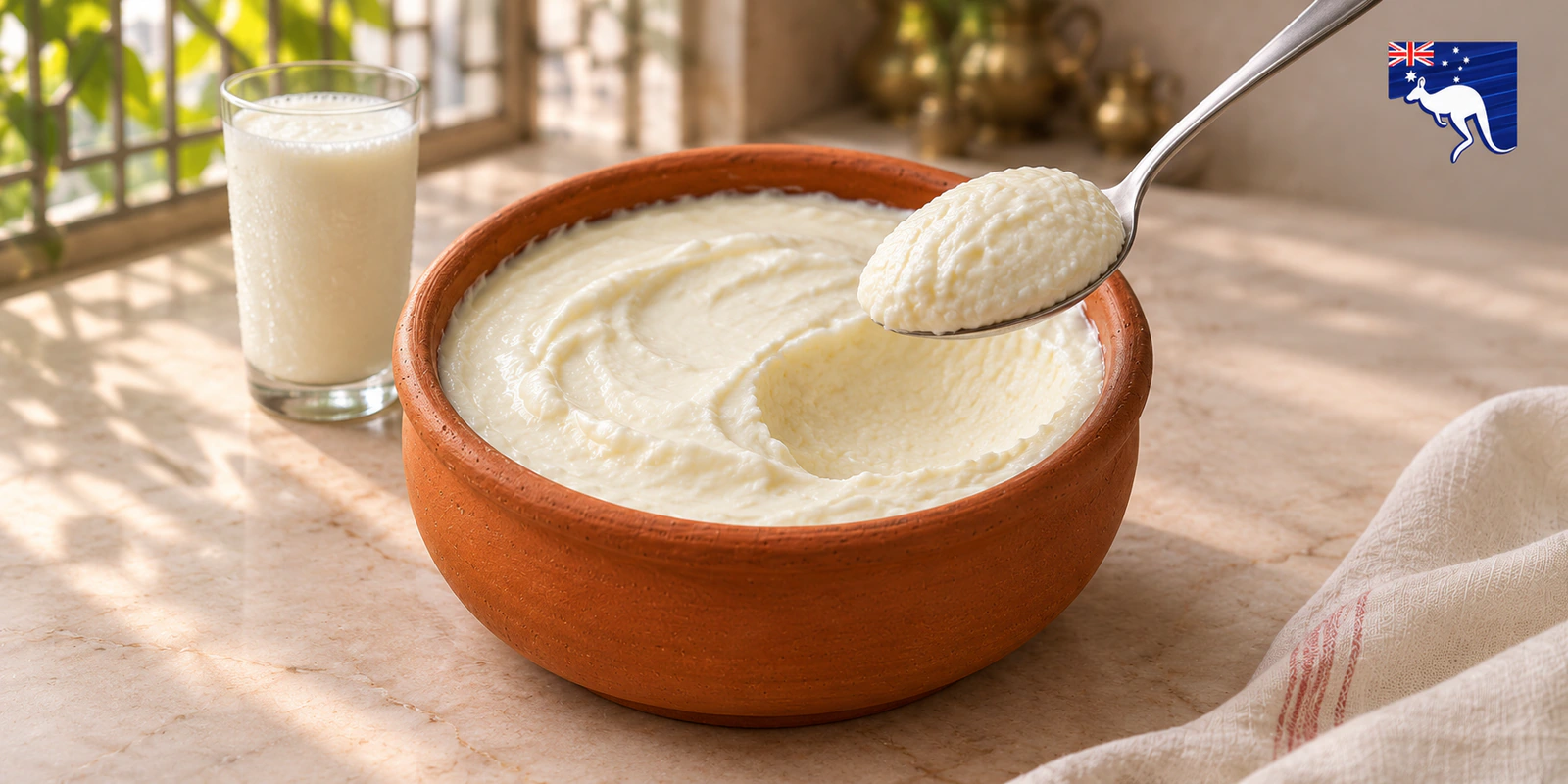
A pot of doi, a bottle of lassi and a yogurt-flavoured drink can sit on the same shelf and tell three different stories. If you’re looking for probiotic foods in Bangladesh, start with plain yogurt that says it contains live cultures. You can eat it by the spoonful or whisk it into lassi. The useful clue is on the label, even when the drink looks and tastes like yogurt.
Which foods and drinks can contain live cultures?
| Food or drink | What to check |
|---|---|
| Plain yogurt or tok doi | Look for a statement about live cultures. An unsweetened pot works equally well with fruit at breakfast or cucumber at lunch. |
| Mishti doi | Sweet doi can also contain live cultures. Look for the same culture information, then check the ingredients if added sugar matters to you. |
| Lassi or borhani | A freshly mixed drink can carry live cultures from its yogurt base. For a packaged drink, check what happened after the yogurt was made. |
| Kefir | If you come across milk kefir, look for live cultures and follow the storage directions. Kefir uses a mix of bacteria and yeasts. |
What does “live cultures” actually tell you?
Yogurt starts when bacteria turn some of the milk sugar into lactic acid. That gives doi its tang and helps it set. “Live cultures” tells you the finished food contains living microbes. A specific probiotic claim goes a step further. There should be evidence that the identified organism, eaten in a sufficient amount, produces the stated benefit. That distinction matters if you are buying a drink because someone said it would help a particular symptom. International scientific consensus on fermented foods.
Researchers who analysed 30 samples of sweet and sour yogurt made in Bangladesh found differences in the microbes present. They examined the yogurts themselves. Measuring what is in a pot cannot tell us how eating it will affect someone’s health. It also means that choosing the most sour doi at the counter is a poor way to identify a particular culture. Bangladesh yogurt study in Scientific Reports.
How to read a yogurt label in the shop
Imagine two packs. The first says “pasteurised milk, live yogurt cultures” and asks you to keep it refrigerated. The second says “yogurt drink, heat-treated after fermentation” and can sit unopened at room temperature. The first gives you a clear reason to expect live cultures. With the second, look for a separate statement that live cultures were added after heating. The order of those processing steps matters. Pasteurising the milk before adding a starter is entirely compatible with making live yogurt. Codex standard for fermented milks.
Turn the pot over once more before you buy. If the manufacturer makes a particular health claim, look for the full culture name, including any letters or numbers that identify the strain. If all you want is breakfast, plain live yogurt is a straightforward choice. If you’re trying to match a product named by a clinician, take a photo of the label so you can check the exact strain and amount together. NIH guide to probiotic labels.
When comparing sweetness, use the same quantity on both nutrition panels, such as 100 grams. Total sugar includes the lactose naturally present in milk. The ingredient list tells you whether the maker also added sugar or syrup. A family-size tub can be better value if you’ll finish it within the maker’s instructions after opening. Otherwise, a smaller pot makes more sense.
From the fridge to the table
For a quick savoury lassi, whisk chilled plain doi with safe drinking water and a pinch of roasted cumin. Adjust the water until it pours the way you like. If you’re buying a glass made to order, ask what yogurt goes into it and whether the yogurt has been kept cold. For lunch, spoon cucumber raita alongside rice and dal. Serving it on the side keeps the yogurt out of the hot pan.
On a warm shopping day, pick up chilled dairy last. An insulated bag with an ice pack helps on a long journey home. Set your fridge to 4°C or colder. Perishable dairy should go back in the fridge within two hours, or within one hour if it has been exposed to temperatures above 32°C. Throw it away if it has been out longer. Food safety guidance on chilling perishables.
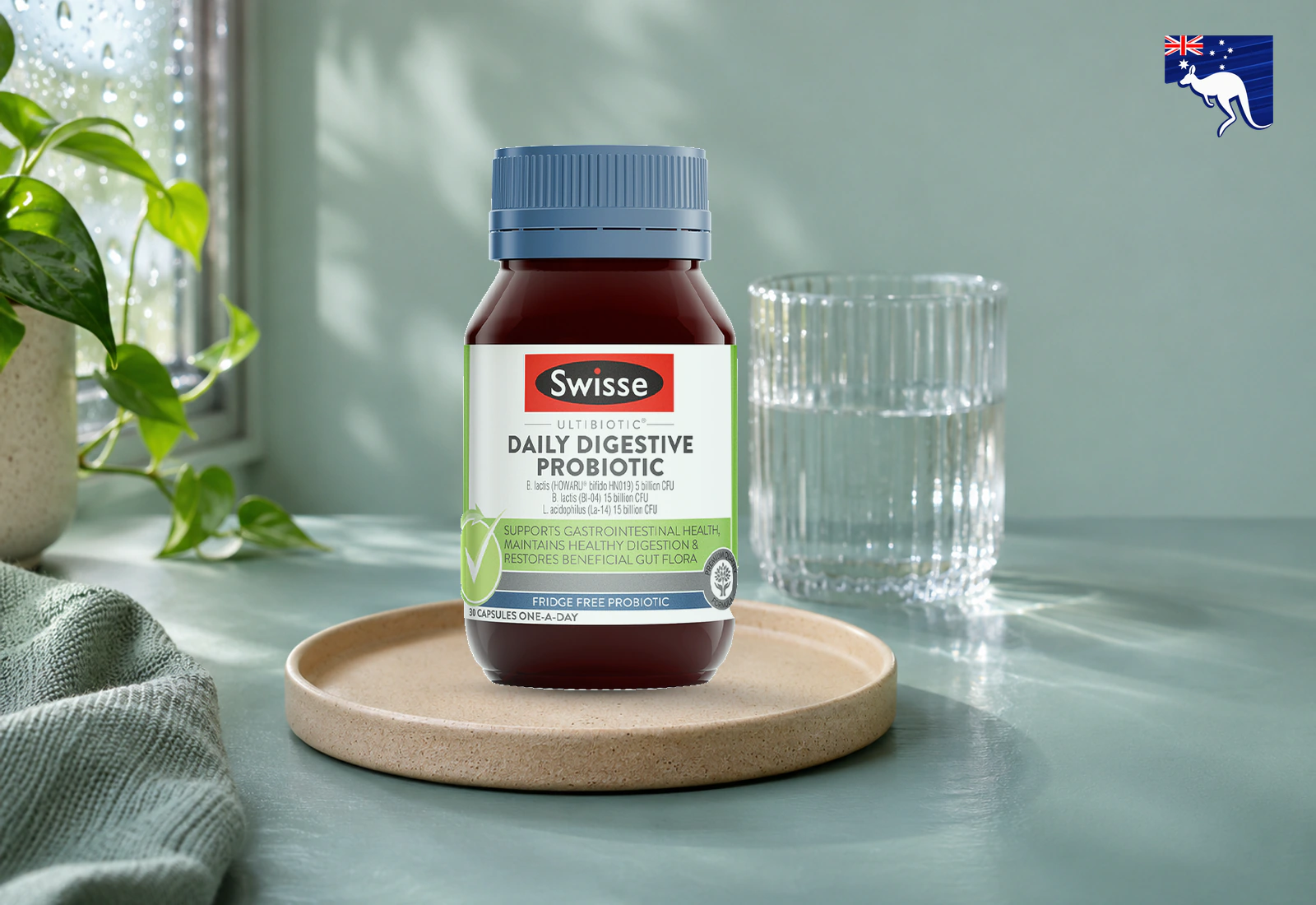
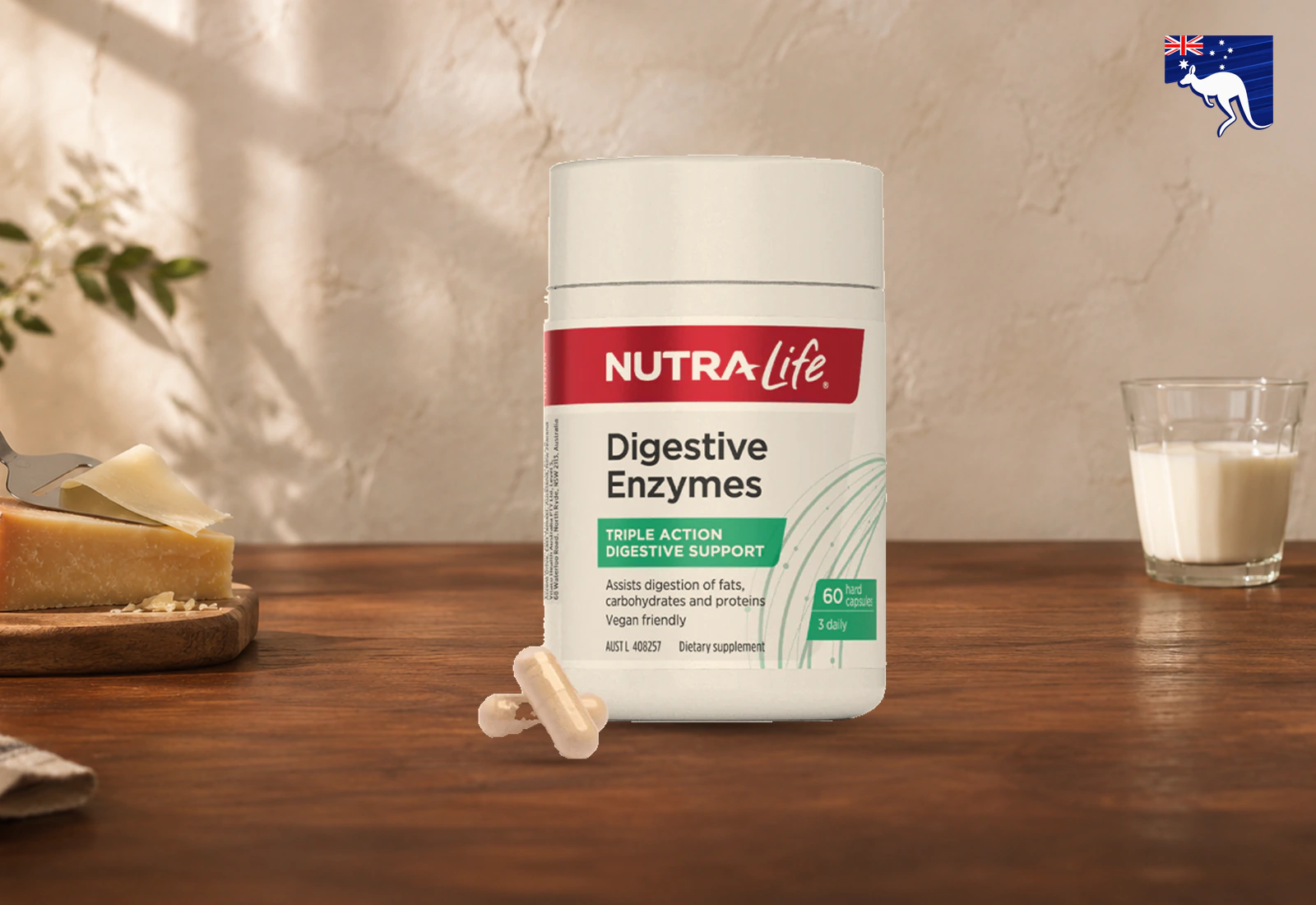
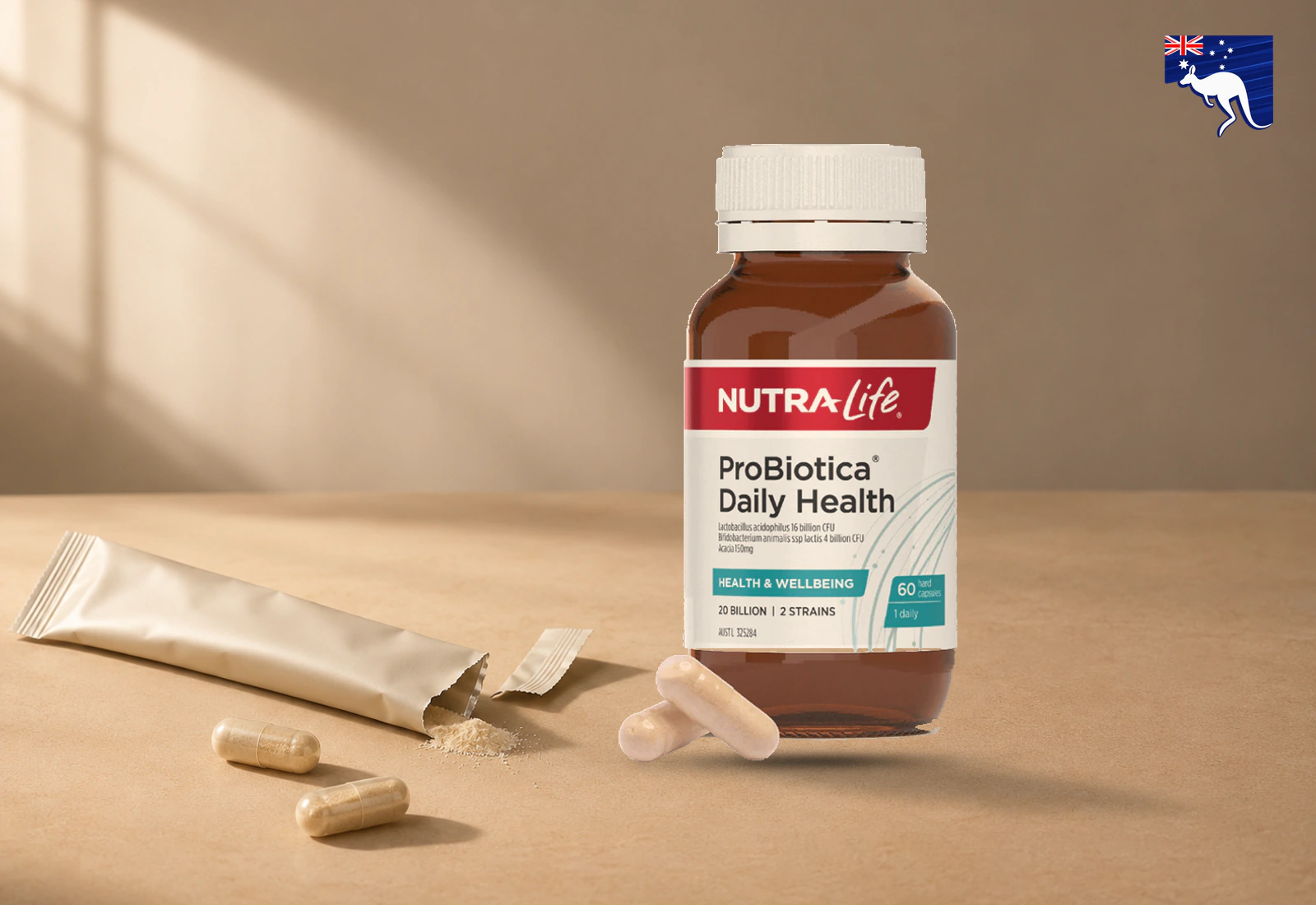
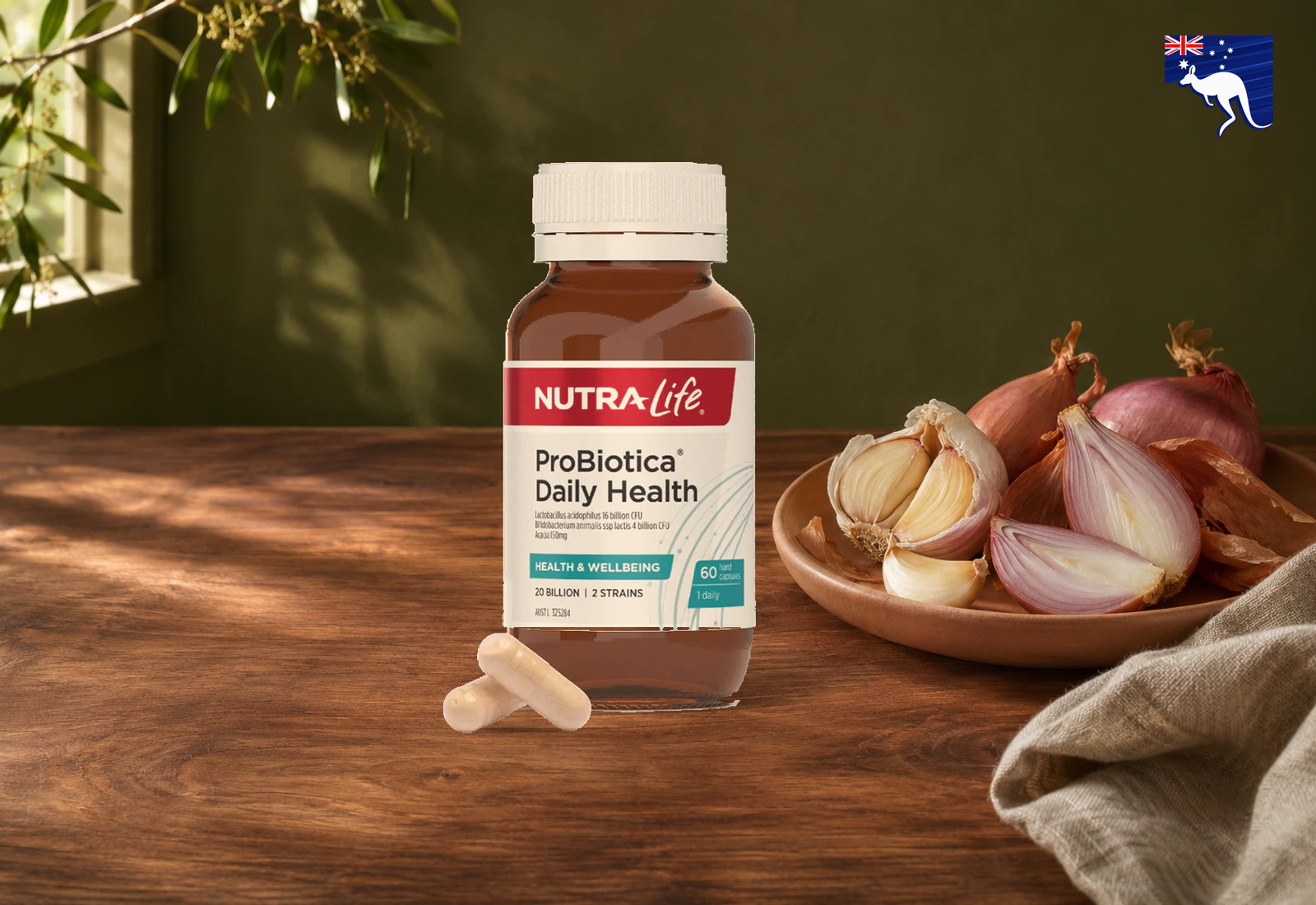
If you are comparing doi with a probiotic capsule, turn both packs over. A yogurt pot may say it contains live cultures. A supplement can list individual strains and their amounts per serving. The product label below shows what those strain names look like.

Swisse Ultibiotic Daily Digestive Probiotic
Swisse Ultibiotic Daily Digestive Probiotic is a high-strength probiotic supplement designed to support healthy digestion, maintain beneficial gut bacteria and support gastrointest...
What about achar or a dairy-free option?
A mango achar can get its sharpness from vinegar. That flavour alone tells you little about live cultures. Even when vegetables have been fermented, later heating can affect which organisms survive. If you avoid dairy and want a food with live cultures, look for a cultured soya yogurt that explicitly lists them, and check the allergen statement if you have a food allergy.
If lactose is what bothers you, some people find a little yogurt easier to tolerate than a glass of milk. You can also look for a lactose-free yogurt with live cultures. A milk allergy is a different matter. Lactose-free dairy still contains milk proteins, so choose a suitable milk-free option if you have that allergy. NIDDK dietary guidance on lactose intolerance.
For an ordinary meal, choose the food you like enough to eat. If you’re weighing a yogurt against a supplement for a specific health reason, start with the benefit you’re hoping for. A bowl of doi and a capsule may contain entirely different organisms. Our guide to the benefits and limits of probiotics explains how to judge that evidence.