Benefits of Probiotics: Uses, Side Effects and Who May Benefit
Someone taking an antibiotic and someone choosing a yogurt may both ask about probiotics, for different reasons. This guide weighs the evidence for common uses and gives shoppers in Bangladesh a way to read supplement labels and recognise situations that need medical advice.
Quick Answer
Some probiotic preparations can reduce the chance of antibiotic-associated diarrhoea. Live yogurt cultures can improve digestion of lactose in the yogurt itself. Benefits depend on the organism, the person and the reason for using it. Check the strain and the reason for use before choosing a supplement.
Key Takeaways
- Match the full strain name to the reason you are considering a supplement.
- If diarrhoea is already under way, address fluid loss and seek advice about the cause.
- If you buy an imported probiotic, check its storage requirements before arranging delivery.
A bowl of doi and a bottle of probiotic capsules can both contain live cultures. Two of the clearest benefits of probiotics depend on what you need. Some preparations may lower the chance of diarrhoea during antibiotic treatment. The live cultures in some yogurts can help people digest the lactose in that yogurt. For someone who feels well, there is no established need to take a daily capsule.
What does a probiotic actually do?
A probiotic is a live microorganism that provides a demonstrated health benefit when consumed in an adequate amount. Most are bacteria, although some are yeasts. The word strain identifies a particular member of a species. Think of it as the part of the name that lets you match a finding from a study to the organism in your hand.
Why does that matter at the counter? A study might test one strain in adults taking antibiotics and count how many develop loose stools. It tells you something about that use. It tells you very little about a different strain sold for constipation, or about what the same product might do for a child. The first question to ask is what outcome the researchers actually measured.
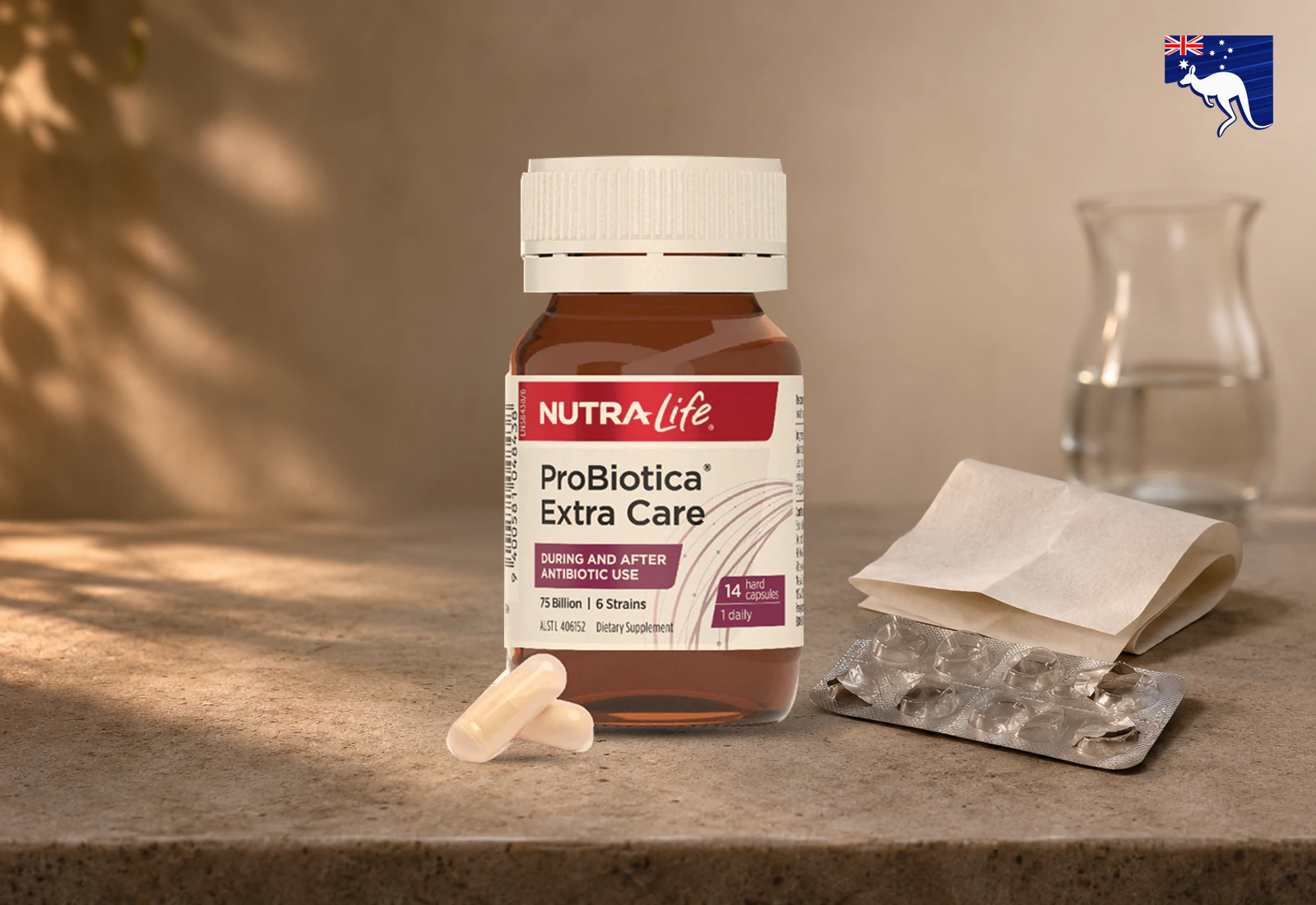
Can probiotics help prevent diarrhoea when taking antibiotics?
Some can. A review of 42 adult trials estimated that, on average, one case of antibiotic-associated diarrhoea was prevented for about every 20 people who took probiotics alongside antibiotics. The studies tested different products. Those enrolling people who already had a low chance of developing diarrhoea found no clear benefit.
One large hospital trial in adults aged 65 and over illustrates the difference. With the particular blend tested, about 11 in every 100 people developed diarrhoea. About 10 in every 100 did so with a placebo. A positive average across many studies can sit alongside a result like this for a particular blend and group of patients.
If you have had troublesome diarrhoea on a previous course, mention it when you collect your prescription. Your prescriber or pharmacist can consider your history, the antibiotic and the evidence for the product available to you. Keep taking the prescribed medicine as directed. If loose stools have already started, contact your prescriber for advice. Prevention studies answer a different question from how to treat symptoms once you have them.
Can live yogurt cultures help with lactose digestion?
If milk gives you wind or discomfort but a small bowl of yogurt sits well, the cultures offer one possible explanation. When enough of the traditional live yogurt cultures are present, they help break down the lactose in the yogurt as you digest it. The European Food Safety Authority’s assessment found this benefit in people who have difficulty digesting lactose. It applies to the yogurt you eat, so there is no reason to expect that serving to help you digest milk you drink hours later.
In Bangladesh, that makes plain doi a practical label-reading example. Look for an indication that the yogurt contains live cultures and follow its storage instructions. A sour taste tells you milk has fermented but cannot tell you how many live cultures remain. If you have a milk allergy, dairy yogurt still contains milk proteins. Our guide to probiotic foods in Bangladesh explains what to look for on yogurt and drink labels.
What about bloating, IBS and everyday gut health?
Bloating feels much the same whether it follows a glass of milk, a big meal or a change in bowel habits. That makes it a poor guide to which supplement, if any, might help. For irritable bowel syndrome (IBS), studies have tested many different preparations with uneven results. The American Gastroenterological Association recommends using probiotics for symptomatic IBS only within a clinical trial.
If bloating keeps returning, jot down when it happens, what you ate and whether your bowel habits changed. Bring that short record to your appointment. If you feel well and your aim is simply to eat well, foods you enjoy and tolerate can stay on the menu. The NIH consumer guide notes that there is no general recommendation for healthy people to take probiotic supplements.
Will a probiotic make bowel movements more regular?
Consider what you mean by “regular”. Passing a stool more often, passing it without straining and feeling that you have emptied your bowel are different outcomes. In an eight-week study of 229 adults with constipation, researchers tested a strain called Bifidobacterium lactis HN019. They counted bowel movements that happened without a rescue laxative and felt complete. The probiotic group did no better than the placebo group on that measure. If hard stools or straining are the concern, describe those symptoms to a clinician or pharmacist so they can help you choose an appropriate treatment.
Which probiotic side effects should you watch for?
Gas can occur after starting a probiotic. Feeling uncomfortable is no indication that a product is working. If discomfort persists or worsens, stop the supplement and speak with a clinician. People with severely weakened immune systems or serious illness can develop infections from the organisms in some products. Ask your treating team before starting one in either situation. Decisions about probiotics for a premature baby belong with the neonatal care team. The NIH safety overview explains why these groups need particular care.
For watery diarrhoea, replacing lost fluid and salts comes first. Mix oral rehydration salts (ORS) with the amount of safe water stated on that packet. A probiotic capsule cannot rehydrate you. Seek urgent care if you cannot drink or are becoming unusually sleepy. Blood in the stool, signs of dehydration or persistent diarrhoea also need prompt medical assessment. See the World Health Organization’s diarrhoea guidance.
Three things to check before buying a supplement
- The name. Turn the pack over and find the full organism name, including the letters or numbers that identify the strain. If a pharmacist has suggested a specific one, compare the entire name with their recommendation. Two bottles that both say “probiotic” on the front can contain different organisms.
- The serving. CFU stands for colony-forming units, an estimate of the number of live organisms able to grow under test conditions. Check whether the amount quoted is per capsule or per daily serving, and whether it is guaranteed through expiry. A larger number alone gives you no way to predict a better result.
- The journey home. Check the expiry date and the temperature the label specifies. For an imported product delivered in Bangladesh, ask the seller how it will be transported if refrigeration is required. A photo of the storage directions is more useful here than a general promise about freshness.
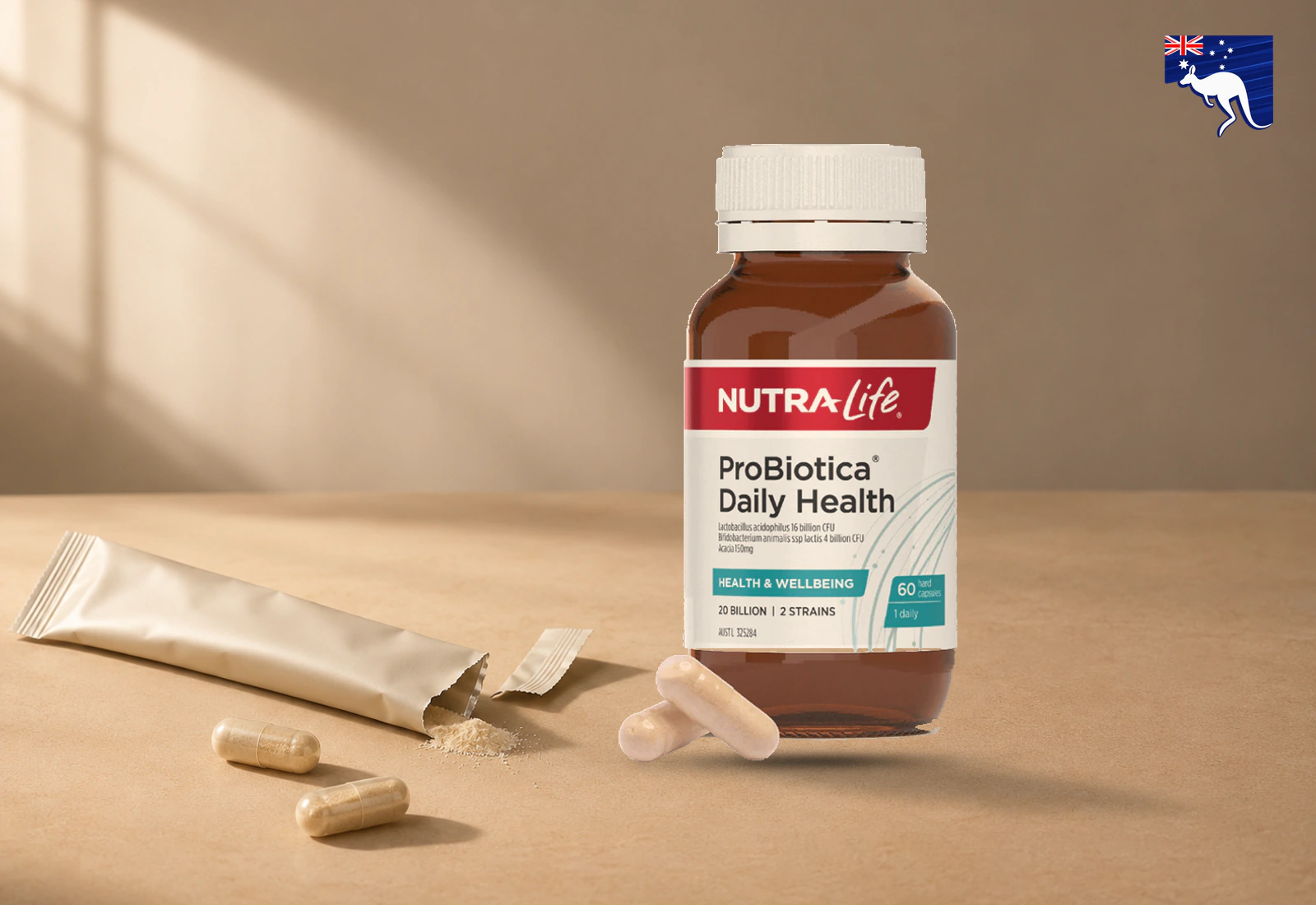
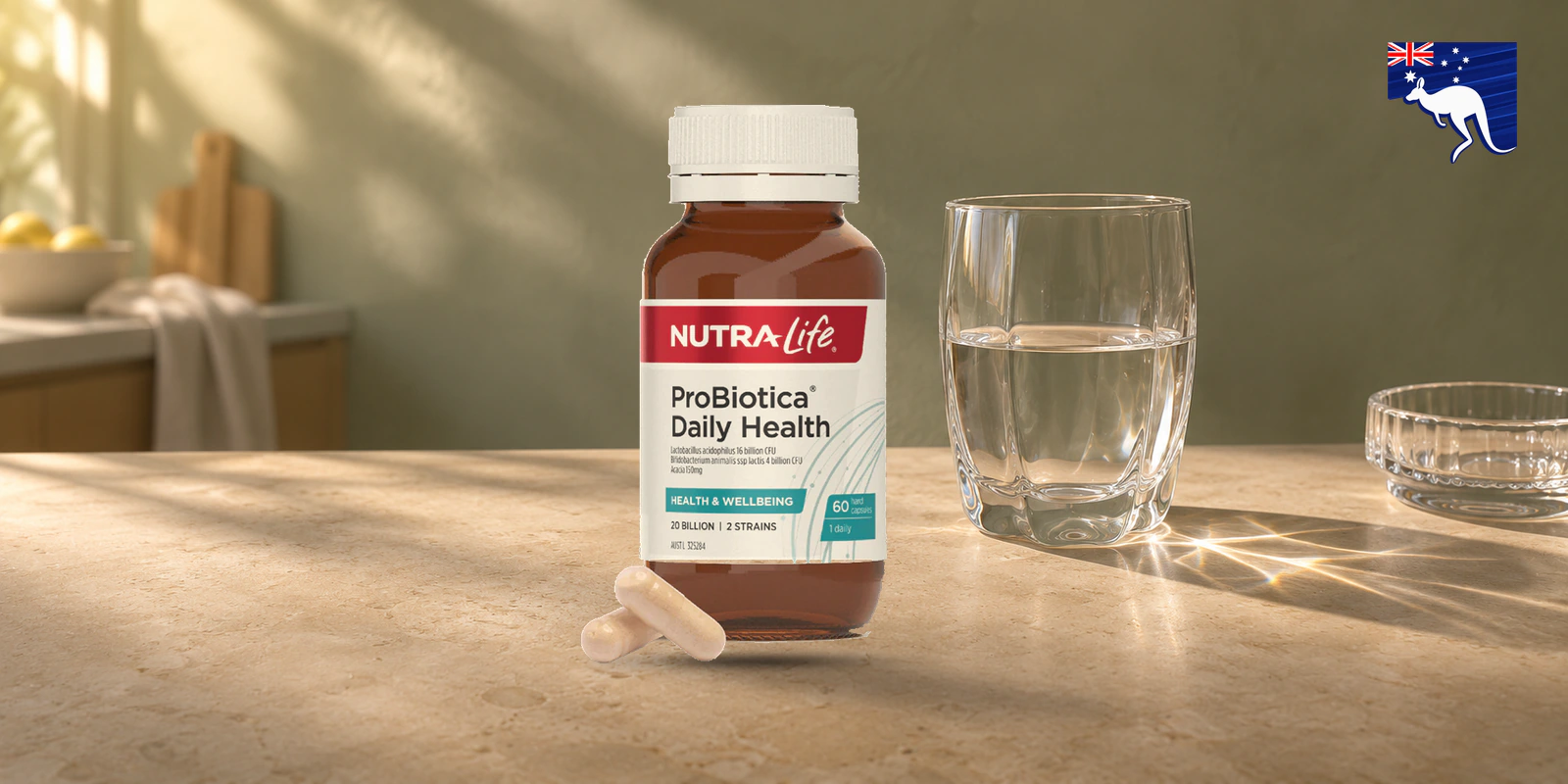
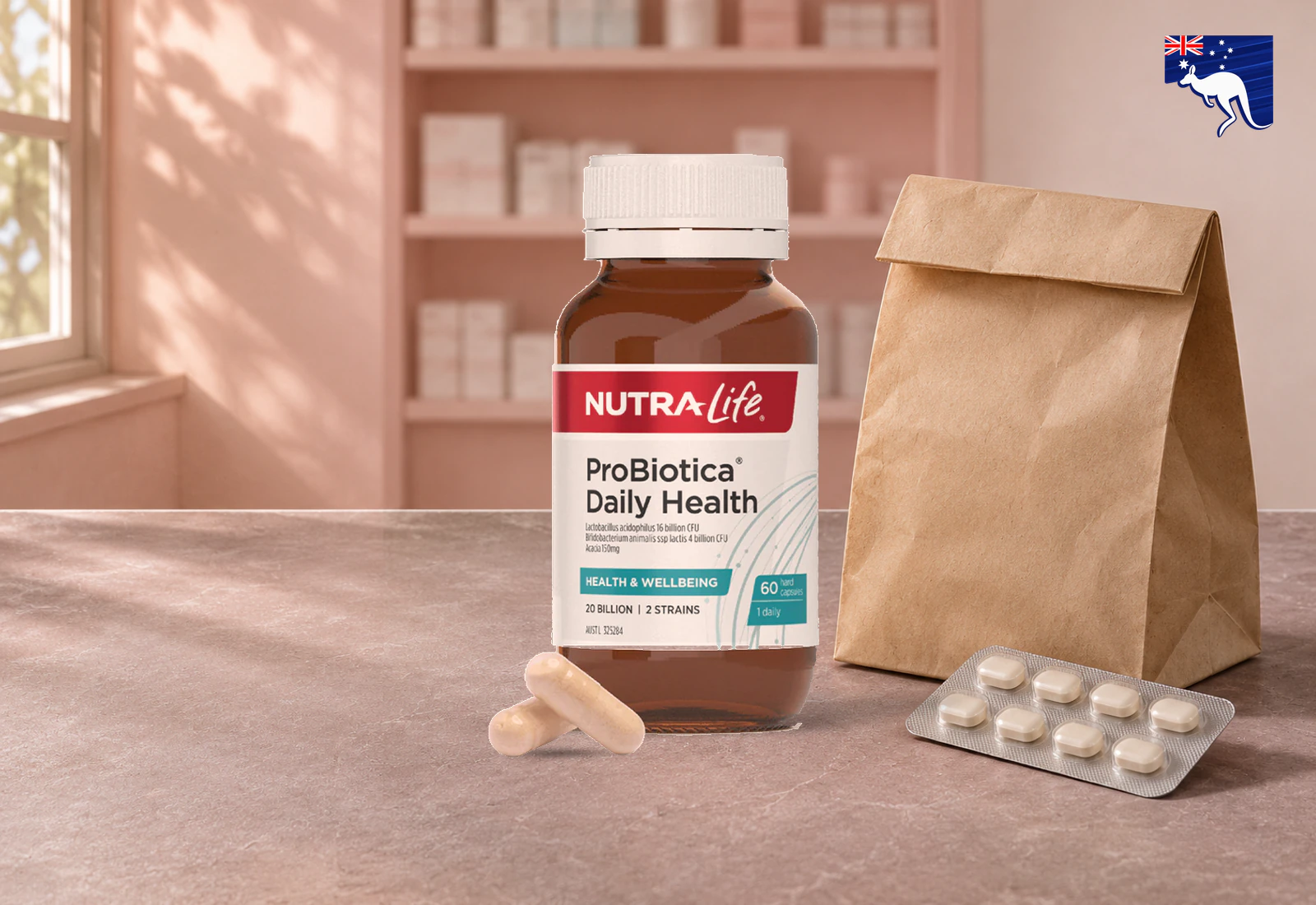
The product below is an example of a supplement label you can inspect. Compare its listed strains with the one you are looking for.

Nutra life Probiotica Daily Health
Nutra-Life ProBiotica Daily Health is a daily probiotic supplement formulated to support digestive health, beneficial gut bacteria and immune system function. Its 20 billion CFU fo...
If you and your clinician decide a supplement makes sense, agree on what improvement you are looking for and when to review it. That gives you a practical way to decide whether a second pack is worth buying.