How Zinc Supports Immune Function and Hormone Balance
This comprehensive guide explores the essential role of zinc in supporting the body's natural immune defense system and maintaining hormone balance. Learn how this powerful trace mineral aids in cellular immunity, thyroid hormone conversion, and blood sugar regulation.
Zinc is a quiet powerhouse among trace minerals, playing a central role in both cellular immune defense and endocrine regulation. In Bangladesh, where daily environmental stressors like air pollution, heavy seasonal flu transitions, and grain-heavy diets high in phytates are common, maintaining optimal zinc levels can be challenging. This comprehensive guide details how zinc supports immune responses and hormone pathways, why absorption challenges occur, and how to safely optimize your levels through whole foods and authentic supplements.
Quick Navigation – Zinc, Immunity, & Hormone Balance Guide
Sustaining optimal systemic health requires a balanced nutritional intake, healthy lifestyle practices, proper sleep, stress management, and targeted micronutrient supplementation when diet alone cannot bridge specific metabolic gaps.
How does zinc support immune function and hormone balance?
Zinc acts as an essential cofactor for over 300 enzymatic reactions in the human body. It fuels immune pathways by driving the development of T-lymphocytes and maintaining mucosal barriers, while simultaneously regulating hormone balance by assisting in thyroid hormone conversion, supporting insulin synthesis, and acting as a precursor for healthy testosterone production in men and ovulation in women.
What Is Zinc & Why It Matters
Zinc is an essential trace mineral, meaning your body cannot synthesize or store large reserves of it; a steady daily intake is required to maintain physiological homeostasis. It is involved in structural proteins, cellular metabolism, gene expression, and DNA synthesis.
From a clinical standpoint, even a mild, subclinical zinc deficiency can quietly impair biological performance. Without sufficient cellular zinc, the body struggle to defend itself against external pathogens and manage steady endocrine signals.
Key Health Fact:
Unlike other fat-soluble nutrients, zinc cannot be stored by the body for future use. If your daily diet contains high levels of absorption inhibitors (like phytates in grains) or if you are undergoing high physical stress, your physiological demand for zinc can rise quickly.
How Zinc Powers Your Immune System
Your immune system acts as a highly coordinated biological defense force. Zinc acts as a primary catalyst for both the innate (immediate) and adaptive (learned) branches of this system. Here is how it functions:
1. T-Cell Development and Thymic Function
The thymus gland requires adequate zinc to produce thymulin, a hormone essential for the maturation of T-lymphocytes (T-cells). T-cells identify and destroy virus-infected cells and regulate overall immune responses. Zinc deficiency can lead to thymic atrophy, reducing the body's ability to fight off seasonal viral infections.
2. Maintenance of Mucosal Barriers
Our skin and the mucosal linings of our respiratory and digestive tracts serve as our primary physical defense barriers. Zinc is critical for membrane structural integrity, cellular tight junctions, and rapid wound healing. Healthy levels help prevent airborne pathogens from penetrating dry or irritated airways a common issue during dry winter months in Bangladesh.
3. Prevention of Viral Replication
Intracellular zinc has been shown to inhibit the enzymatic pathways that many respiratory viruses use to replicate within human host cells. Keeping intracellular zinc levels steady helps prevent pathogens from multiplying rapidly during the early stages of an infection.
Zinc and Hormone Balance: Thyroid, Insulin, and Sex Hormones
While widely recognized for its immune benefits, zinc is also a critical regulator of the endocrine system. It affects the production, release, and cellular sensitivity of several key hormones.
1. Thyroid Hormone Regulation
Your thyroid gland regulates your systemic metabolism. Zinc is required for the synthesis of Thyrotropin-Releasing Hormone (TRH) in the brain, which triggers the release of Thyroid-Stimulating Hormone (TSH). Additionally, zinc serves as an essential cofactor for the enzyme that converts inactive thyroid hormone (T4) into its active form (T3). A lack of zinc can result in a sluggish metabolism, fatigue, and cold sensitivity.
2. Insulin Synthesis and Glucose Management
Within the pancreas, zinc is highly concentrated in the beta cells, where it is used to structurally stabilize and store insulin before its release into the bloodstream. Zinc also plays a role in insulin receptor sensitivity, helping cells effectively absorb glucose and maintain balanced blood sugar levels.
3. Reproductive and Sex Hormones
- In Men (Testosterone & Vitality): Zinc is essential for Leydig cell function and sperm quality. It helps convert cholesterol into testosterone and regulates the enzyme aromatase, preventing excessive conversion of testosterone into estrogen.
- In Women (Ovulation & Period Regulation): Zinc supports healthy follicle development and the normal release of luteinizing hormone (LH), which is necessary for ovulation and steady progesterone production. It also helps manage cyclic stress and eases monthly PMS symptoms.
Why Zinc Deficiency is Common in Bangladesh
Zinc deficiency is increasingly common in Bangladesh due to a combination of agricultural, dietary, and lifestyle factors:
- High-Phytate Grains: Diets heavily reliant on polished white rice, unfermented wheat flatbreads (roti), and unsoaked lentils are rich in phytic acid, which binds to zinc in the digestive tract and prevents absorption.
- Soil Nutrient Depletion: Intensive, multi-crop farming practices in South Asia have depleted natural trace minerals in the soil, resulting in lower nutrient levels in locally harvested crops.
- Frequent Digestive Stress: Recurrent gastrointestinal infections, diarrhea, and common stomach issues can reduce intestinal surface absorption and deplete the body's zinc reserves.
- Modern Urban Pressures: Chronic psychological stress triggers the release of cortisol, which increases the urinary excretion of essential trace minerals, including zinc.
Natural Food Sources & the Phytate Barrier
To support your zinc status naturally, prioritize food sources with high mineral bioavailability:
- Animal-Derived Proteins: Beef, poultry, eggs, and seafood (particularly oysters) provide highly absorbable forms of zinc bound to amino acids.
- Plant-Based Options: Pumpkin seeds, sesame seeds, cashews, chickpeas, and lentils also contain zinc, though they require careful preparation to improve absorption.
Pro-Tip: How to Lower Phytic Acid at Home
Because phytates in grains and legumes bind zinc, you can significantly improve absorption with a few simple culinary practices:
- Soaking: Soak lentils, chickpeas, and beans in water for 8 to 12 hours before cooking to help activate the phytase enzyme and break down phytic acid.
- Sprouting: Sprouting seeds and grains for 1–2 days before consumption can significantly increase zinc bioavailability.
- Sourdough Fermentation: Opting for long-fermented sourdough bread rather than yeast-risen options helps reduce phytic acid content in wheat.
How to Choose and Use Zinc Supplements Safely
If your dietary intake is inconsistent, a targeted trace mineral supplement can help bridge the gap. Consider these safe supplementation guidelines:
1. Match the Form to Your Digestive Comfort
Zinc supplements come in several organic and inorganic chemical forms. Organic chelated forms are generally preferred as they are gentler on the digestive tract and offer better absorption than inorganic oxides or sulfates.
2. Avoid High-Dose Toxicity
For most adults, the recommended daily maintenance dose of elemental zinc ranges from 8 mg to 15 mg. While short-term therapeutic doses of 30 mg to 50 mg can help support recovery from acute respiratory infections, long-term high-dose use should be avoided unless guided by a physician.
3. Mind the Zinc-Copper Balance
Zinc and copper compete for the same absorption pathways in the gut. Taking high-dose zinc (exceeding 40 mg daily) for more than a few weeks can lead to a copper deficiency, potentially causing anemia and neurological issues.
4. Take with Meals
Taking zinc supplements on an empty stomach can cause mild nausea or abdominal cramps. For optimal tolerance and comfort, always take zinc supplements during or immediately after a substantial meal.
Best Zinc & Immune Support Supplements in Bangladesh
These genuine, TGA-certified Australian and New Zealand products provide high-quality zinc in gentle, bioavailable forms to support your immunity, hormones, and overall vitality.
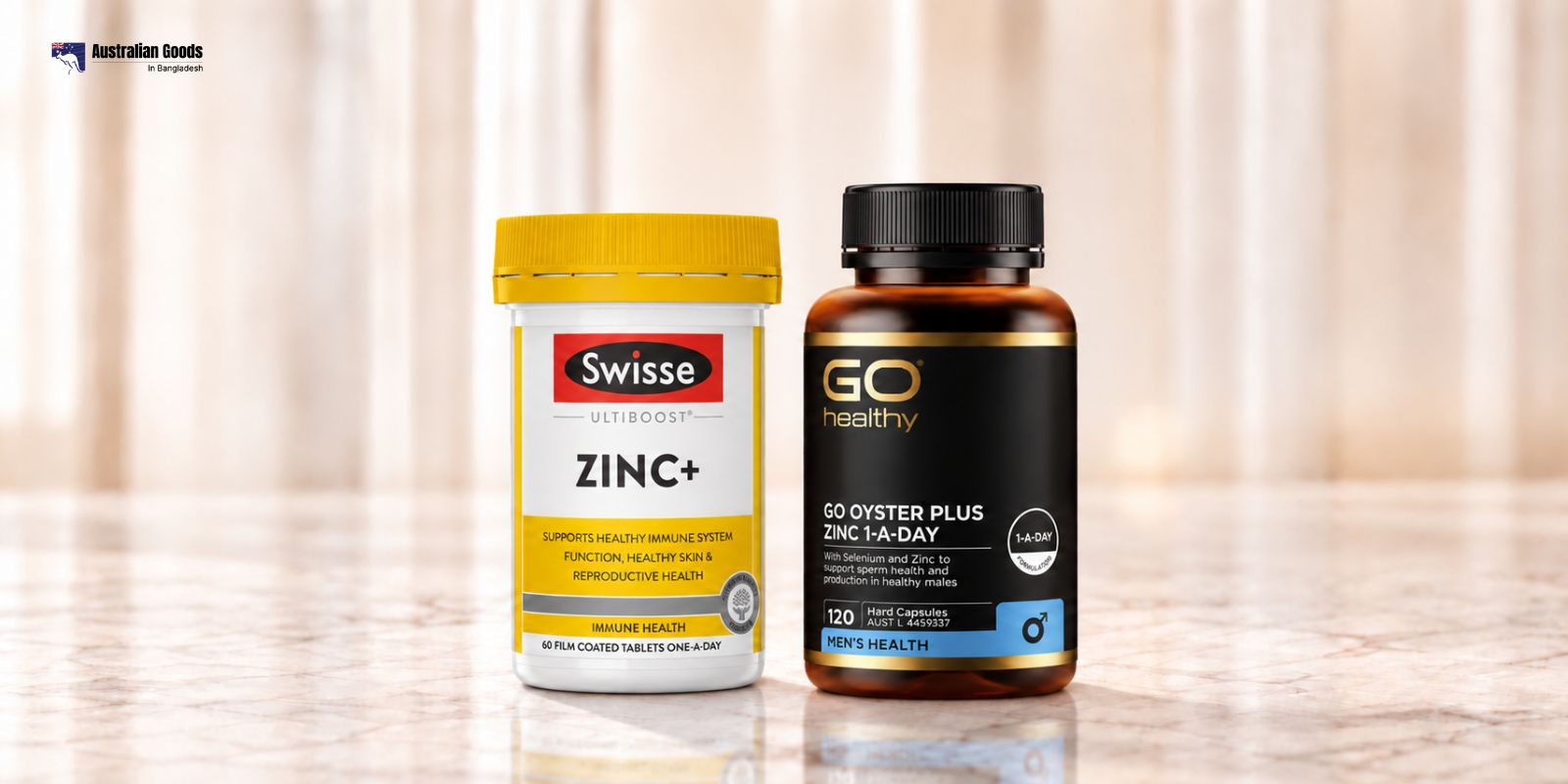
1) Swisse Ultiboost Zinc+ – Comprehensive Immune & Skin Formula
What it does: Swisse Zinc+ combines highly absorbable zinc amino acid chelate with Vitamin A, Vitamin B6, and Magnesium. This synergistic blend supports respiratory defense, skin barrier repair, wound healing, and male reproductive vitality.
- Why Choose This: Features a chelated form of zinc combined with supporting vitamins to ensure excellent cellular absorption and digestive comfort.
- Best for: Adults looking to support clear skin, manage hair fall, boost immunity, or balance reproductive hormone levels.
- How to Use: Take 1 tablet daily during or immediately after a meal, or as directed by a healthcare professional.
Supports skin healing and immune cell production. Maintain clear skin and steady vitality with this gentle, well-absorbed chelated zinc formula.

2) Nutra-Life High Strength Vitamin C + D + Zinc – Triple Action Defense
What it does: Nutra-Life High Strength offers a robust, multi-ingredient immune formula that combines high-potency Vitamin C (1000mg), Vitamin D3, and Zinc. This triple-action formula supports immune defenses, antioxidant protection, and recovery during seasonal transitions.
- Why Choose This: Combines the three most researched immune-supporting nutrients into a single, highly convenient daily tablet.
- Best for: Busy professionals under high physical stress, people recovering from cold or flu, or those with low sunlight exposure.
- How to Use: Adults take 1 tablet daily with a meal, or as directed by your healthcare provider.
Triple-action seasonal defense. Help protect your body against seasonal flus and daily environmental stressors with a targeted immune-support formula.

3) GO Healthy Oyster Plus Zinc 1-A-DAY – Men's Reproductive Health & Vitality
What it does: This premium formula combines concentrated natural oyster powder with extra elemental zinc. Oysters are naturally rich in marine minerals, amino acids, and glycogen, which work synergistically with zinc to support reproductive wellness, testosterone production, and general stamina.
- Why Choose This: Convenient 1-A-DAY capsule formulation packed in gentle vegetable-based capsules that are easy on digestion.
- Best for: Men seeking to support hormonal balance, reproductive health, physical performance, and everyday vitality.
- How to Use: Take 1 capsule daily with a main meal.
Supports stamina and hormonal health. Support male endocrine health and natural defense systems with a bioavailable oyster-and-zinc complex.

4) Swisse Little Multivitamin Gummies – Kid-Friendly Daily Foundation
What it does: These chewable daily gummies are specially formulated to supply essential vitamins and minerals—including zinc, Vitamin C, Vitamin D, and B vitamins—to support children's physical growth, bone density, and immune health.
- Why Choose This: A 99% sugar-free, vegetarian-friendly gummy that children enjoy.
- Best for: Children aged 2–12 years with picky eating patterns, low appetite, or limited vegetable intake.
- How to Use: Children chew 2 gummies daily during or after a meal, or follow your pediatrician's instructions.
Gentle growth support. Support your child's natural immune defense system with a safe, 99% sugar-free daily gummy.

Comparison: Choosing the Right Zinc Supplement
| Chemical Form | Bioavailability / Absorption | Best Use Case | Potential Drawback |
|---|---|---|---|
| Zinc Amino Acid Chelate | High (reaches cells easily as it is pre-bound to amino acids) | Gentle daily support for skin, hair, and hormones. | Generally carries a higher manufacturing cost. |
| Zinc Gluconate | Moderate to high | Commonly used in immunity formulas and lozenges. | Can cause mild stomach irritation if taken on an empty stomach. |
| Zinc Citrate | Moderate to high | A cost-effective, well-tolerated option for mineral balance. | Requires adequate stomach acid for optimal absorption. |
| Zinc Oxide / Sulfate | Low (primarily used as an inorganic salt) | Industrial applications, topical barrier creams (diaper rash). | Often causes nausea, cramping, and poor intestinal absorption. |
Looking for Premium, Authentic Zinc Supplements in Bangladesh?
Protect your health with 100% genuine Australian and New Zealand zinc supplements, imported under temperature-controlled storage and delivered across Bangladesh.
Safety Note & Guidelines
- Supplements are designed to support your nutritional routine, not to replace a balanced diet.
- Never take zinc supplements on a completely empty stomach, as this can trigger acute nausea.
- Keep daily elemental zinc supplementation below 40 mg unless under direct medical supervision.
- Avoid combining multiple high-dose zinc supplements with mineral-rich multivitamins to prevent accidental mineral imbalance.
- If you are pregnant, breastfeeding, managing a medical condition, or taking long-term prescription medications, consult a doctor before starting daily zinc.
Frequently Asked Questions (FAQs)
1. How does zinc help balance hormones in women?
Zinc plays an important role in follicle development and supports the normal surge of luteinizing hormone (LH), which is required for ovulation and steady progesterone production. It also assists in converting inactive thyroid hormone (T4) into its active form (T3) to help support healthy metabolism.
2. Can zinc help increase testosterone in men?
Yes. Zinc is critical for healthy Leydig cell function and natural testosterone production in men. It also helps regulate aromatase, an enzyme that converts excess testosterone into estrogen, supporting balanced hormone levels.
3. What are the best foods high in zinc?
Highly bioavailable sources include oysters, beef, poultry, and eggs. Plant-based options include pumpkin seeds, cashews, sesame seeds, lentils, and chickpeas. Soaking or sprouting plant sources helps reduce phytic acid and improve zinc absorption.
4. What is the best time of day to take zinc?
The best time to take a zinc supplement is during or immediately after a main meal, such as breakfast or lunch. Taking zinc on an empty stomach often causes nausea or abdominal discomfort.
5. Can taking zinc cause a copper deficiency?
Yes. Zinc and copper compete for the same absorption pathways in the gut. Taking high doses of zinc (exceeding 40 mg daily) for more than a few weeks can reduce copper absorption and may lead to copper-deficiency anemia or nerve issues.
6. Does zinc help with acne and skin healing?
Yes. Zinc supports cellular repair, wound healing, and membrane integrity. Its anti-inflammatory properties can also help manage hormonal acne breakouts when used alongside a consistent skincare routine.
7. Why does my zinc supplement make me feel nauseous?
Zinc can irritate the gastric lining when it dissolves quickly in the stomach without food. Taking your supplement with a substantial, protein-rich meal typically prevents this side effect.
8. Can I take zinc and iron together?
High doses of zinc and iron can compete for absorption when taken at the exact same time. If you require therapeutic doses of both minerals, it is generally recommended to space them at least a few hours apart.
References & Scientific Sources
This article is compiled using established nutritional research, clinical endocrinology parameters, and verified product specifications from Australian Goods Bangladesh.
Medical Disclaimer
This article is for general informational and educational purposes only. It does not provide medical diagnoses, treatment advice, or therapy recommendations, and should not replace clinical consultations. Dietary supplements are not medicines. If you are experiencing persistent immune issues, metabolic fatigue, or suspected hormonal imbalances, please consult a qualified healthcare professional or endocrinologist first. Australian Goods Bangladesh is a retailer, not a medical care provider.