Ginseng in Bangladesh: Benefits, Types, Side Effects and How to Choose
Ginseng labels can refer to different species, preparations and blends. This guide explains the names, examines evidence for fatigue, focus and sexual function, and helps readers in Bangladesh compare formulas, identify safety concerns and make a more informed purchase.
Quick Answer
Start with the botanical name, preparation and actual extract amount, then check the complete formula, labelled daily serving and medicine precautions. Panax ginseng, American ginseng, Siberian ginseng and ashwagandha are not interchangeable. Compare current pack prices only after confirming the product fits the form you intended to buy.
Key Takeaways
- Korean ginseng usually means Panax ginseng; red and white describe different root preparations.
- Siberian ginseng is eleuthero, while Indian ginseng is ashwagandha. Neither is a Panax species.
- A large dry-root-equivalent number is not the same as the actual extract weight or proof of greater benefit.
- Check the full blend and medicine precautions before choosing a product or comparing cost per daily serving.
Two bottles can both say “ginseng” and still contain different plants, different extracts and different supporting ingredients. That is why choosing ginseng in Bangladesh starts with the small print, not the biggest number on the front.
Perhaps you want help with a tiring routine. Perhaps a Korean red ginseng recommendation caught your attention. This guide explains what the names mean, where human research is promising, and which details deserve a closer look before you buy.
What is ginseng?
Ginseng usually refers to plants in the Panax genus, especially Asian ginseng, Panax ginseng, and American ginseng, Panax quinquefolius. Their roots are used in supplements. Products called Siberian ginseng and Indian ginseng come from different plants, so their ingredients and research should be considered separately.
“Adaptogen” is a description often used in herbal marketing. It does not tell you which extract is in a bottle, how well it has been studied, or whether it suits your medicines.
Panax, Korean, American and Siberian ginseng: the differences
Asian or Korean ginseng: Panax ginseng
Korean ginseng is a common name for Panax ginseng. The label may also say Asian ginseng. Look for the botanical name and plant part, because a familiar English name alone leaves important questions unanswered.
Red ginseng versus white ginseng
These names describe preparation, rather than two separate species. White ginseng is dried root; red ginseng is steamed before drying. Processing changes its chemical composition. A product labelled Korean ginseng is therefore not automatically a Korean red ginseng product. The European Medicines Agency’s ginseng assessment distinguishes these preparations.
If you are looking for red ginseng after reading a study, check that the product actually identifies that preparation. A red box or a Korean flag is not enough.
American ginseng: Panax quinquefolius
American ginseng belongs to the same genus as Asian ginseng, but is a different species with a different ginsenoside profile. It appears in some focus and fatigue formulas. Research on an American ginseng extract cannot simply be transferred to every Panax ginseng supplement. The botanical distinction is explained in this American ginseng clinical study.
Siberian ginseng: Eleutherococcus senticosus
Also called eleuthero, this is a different plant from Panax ginseng. The European Medicines Agency bases its conclusions about eleuthero for tiredness and weakness on traditional use; limitations in clinical studies prevent firm efficacy conclusions.
Treat a Siberian ginseng blend as its own formula. Do not buy it assuming it contains the Korean root you intended to choose.
Indian ginseng: ashwagandha
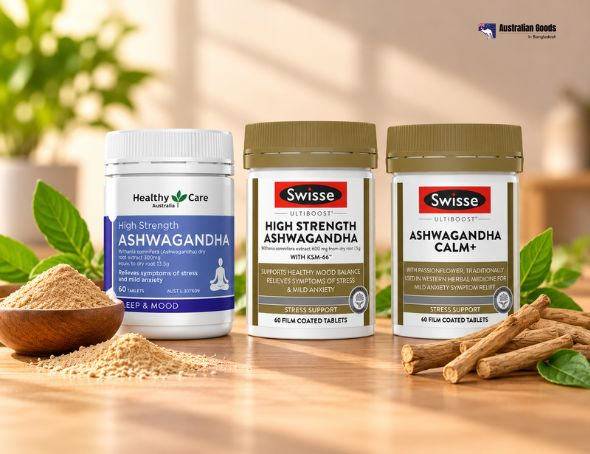
Indian ginseng is a common name for ashwagandha, Withania somnifera. It is not a Panax species. NIH’s ashwagandha fact sheet confirms the distinction. If that is the ingredient you meant, start with our ashwagandha guide.
Ginseng benefits: what can you reasonably expect?
The most useful question is specific: does this preparation help this outcome in people like me? “Good for energy, memory and vitality” bundles several different questions together.
Tiredness and fatigue
A four-week trial in 90 adults with unexplained chronic fatigue tested a particular Panax ginseng extract. Some mental-fatigue and overall-rating measures improved, but the total score on another fatigue scale did not differ significantly from placebo. That mixed result is more informative than a headline saying ginseng “beats fatigue.” See the original randomised trial.
It also does not establish that a lower-dose blend, a different extract or a melt will produce the same result. Persistent or worsening exhaustion deserves assessment rather than repeated changes of supplement.
Memory, concentration and study performance
Small studies have investigated particular ginseng extracts in cognitive tests. For example, an acute American ginseng trial examined performance after specific doses; it was not a study of long-term exam results, dementia prevention or every commercial focus blend. Read the trial details.
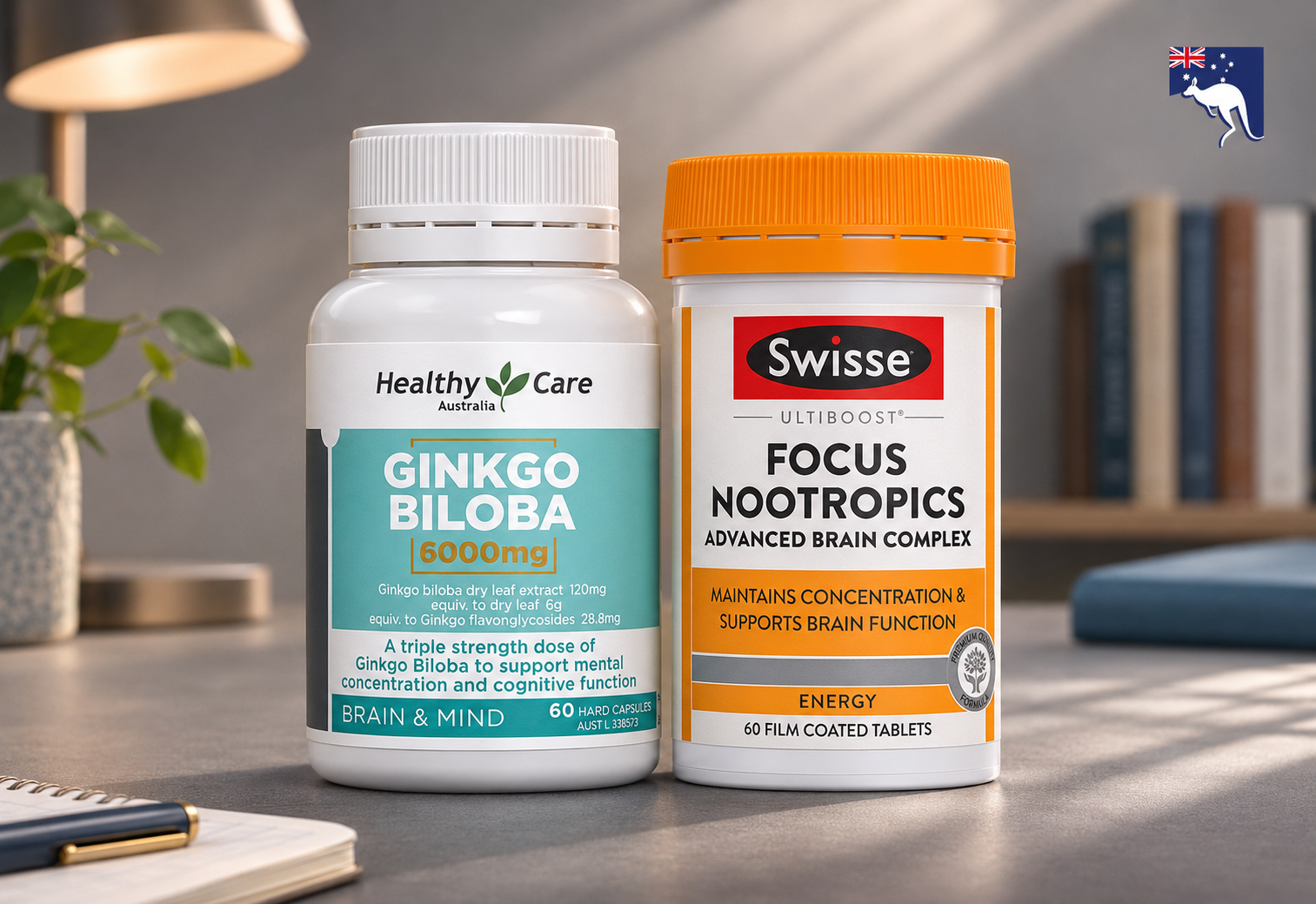
For a student or office worker, choose a realistic goal rather than expecting a “brain boost.” Our memory and focus supplement guide compares the wider ingredient choices.
Sexual function and men's vitality
Some trials of Korean red ginseng have reported improvements in erectile-function measures. One early crossover trial involved only 45 men, illustrating how small some of this research is. Its results concern that preparation and study population, not every men's blend. Original clinical trial.
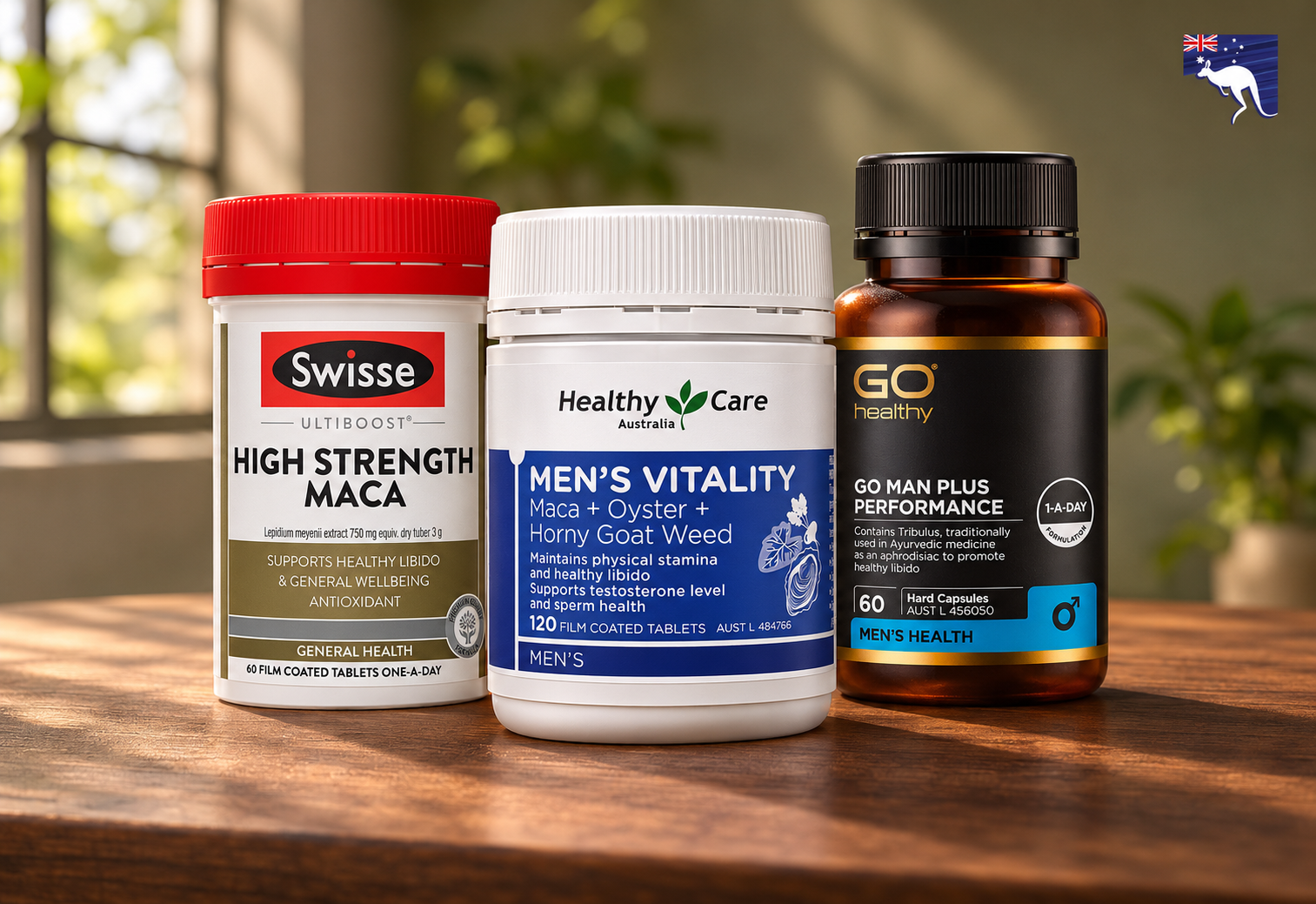
Ginseng should not be presented as an instant erection treatment or a proven testosterone booster. Recurring erection difficulties need a clinical conversation. For ingredient comparisons, see our men's vitality supplements guide.
Blood sugar and other claims
Research on blood-glucose control is inconsistent, and most studies do not support improved athletic performance. Ginseng is not a replacement for diabetes treatment or a reason to alter prescribed medicines. NCCIH’s evidence overview explains the uncertainties.
How to read a ginseng tablet or capsule label
Put these details beside each other before comparing price:
- Plant: Panax ginseng, Panax quinquefolius or Eleutherococcus senticosus?
- Preparation: root powder, extract, red ginseng or an unspecified preparation?
- Extract amount: the actual extract weight in each tablet, capsule or melt.
- Equivalent root: a separate figure describing the starting plant material.
- Daily serving: how many units the supplied label directs an adult to take.
- Other ingredients: vitamins, minerals or herbs that change the overall formula.
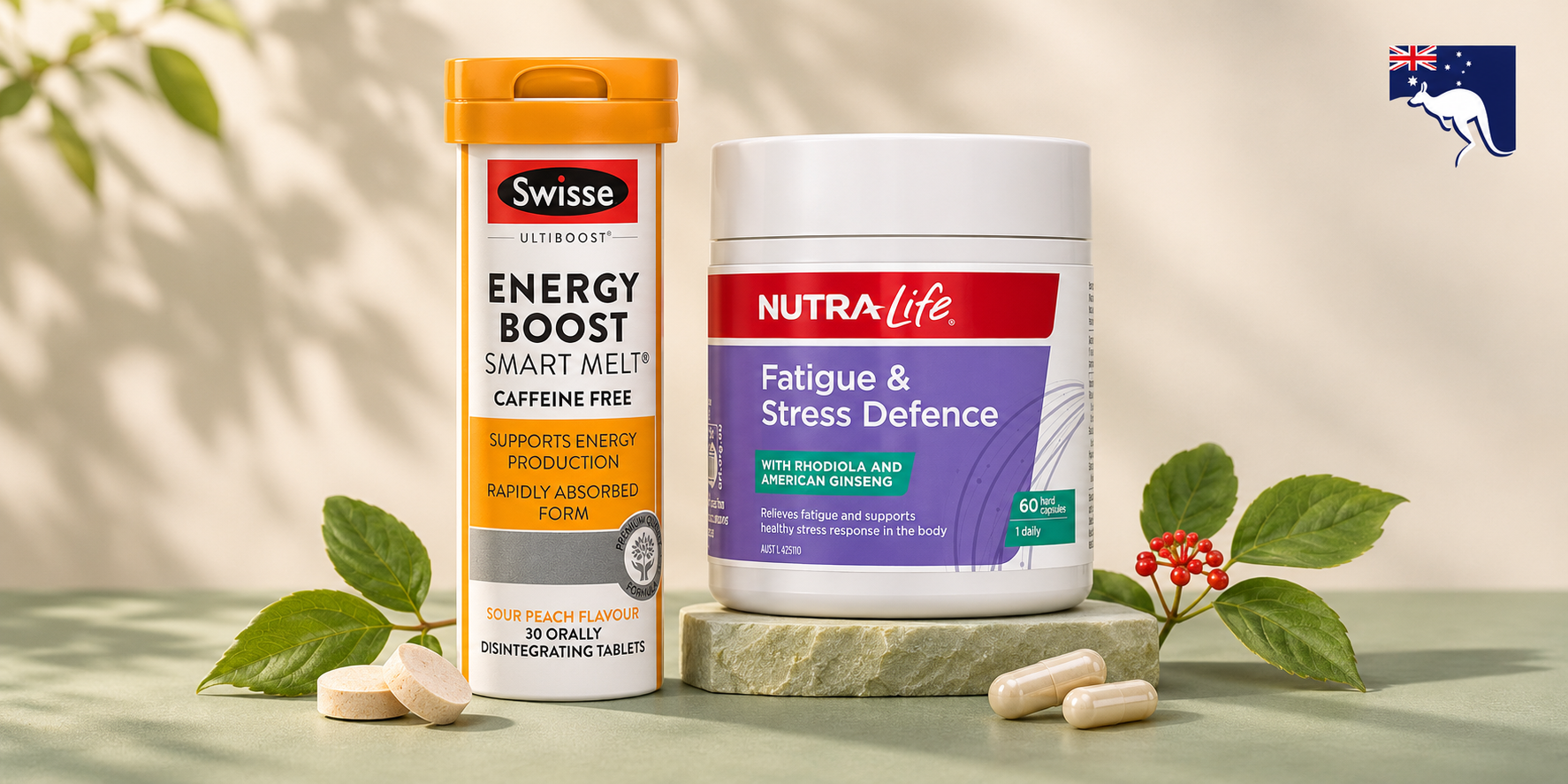
For example, the Swisse Energy Boost Smart Melt listing describes 100 mg of Korean ginseng extract, equivalent to 500 mg dry root, plus vitamin B12 per melt. The 500 mg figure does not mean the melt contains 500 mg of extract.
A larger root-equivalent number alone cannot tell you which product is stronger clinically. Nor does the word “standardised” establish that a supplement has been proven effective for your intended use. Ask what constituent is standardised and whether the research studied that preparation.
Comparing products available in Bangladesh
Our catalogue includes several formulas with different purposes. These examples help you understand the labels; they are not a recommendation to take them together.
- Swisse Ultiboost Energy Boost Smart Melt: a Korean ginseng and B12 formula in an orally dissolving tablet.
- Nutra-Life Fatigue & Stress Defence: an American ginseng blend; check its full ingredient panel and current directions before choosing it.
- GO Man Plus Performance: a men's herbal blend containing Korean ginseng alongside other extracts. Its product panel makes clear that it is not a single-ingredient ginseng capsule.
Swisse Ultiboost Energy Boost Smart Melt: compare formula and daily serving, pack value and Bangladesh price.
Swisse Ultiboost Energy Boost Smart Melt
Use the ginseng collection for current Bangladesh prices, pack sizes and availability. If you specifically want loose root, tea, syrup or a standalone Korean red ginseng capsule, ask for that exact form. An ingredient appearing in a blend does not make the blend an equivalent substitute.
To compare value, divide the pack price by the number of labelled daily servings. Then check delivery charges and remaining shelf life. Keep the formula comparison separate: a lower cost per day does not establish an equal effect.
Ginseng side effects and medicine precautions
Asian ginseng can cause insomnia and may affect blood sugar and clotting. People with autoimmune disorders or those taking medicines should seek professional advice before use. Avoid self-starting it during pregnancy or breastfeeding, and do not give an adult product to a child. Long-term safety remains uncertain. These precautions are summarised by NCCIH.
Eleuthero has its own cautions; insomnia, irritability, headache and rapid heartbeat have been reported. EMA safety information.
Take your pharmacist a photograph of the whole ingredient panel and a list of medicines, including occasional ones. A blend may introduce additional interactions that are unrelated to its ginseng content. If a new product makes you feel unwell, stop taking it and seek advice rather than increasing the serving or adding another supplement.
Questions to settle before ordering
Ask the seller for a readable label, the exact pack size and a clear expiry date. Check that the received bottle matches the listing, with an intact seal and traceable batch details. A barcode that scans is useful product information, but it is not proof of authenticity by itself.
The best choice may be a clearly labelled product that fits your needs—or a decision to investigate symptoms first. Buy only after you can explain what is in the pack and why you are considering it.