Why Does Honey Crystallize? What It Means for Quality and Purity
A jar that turns grainy can still be normal honey. This guide explains the change, separates crystallisation from authenticity and spoilage, and shows how to enjoy or gently soften the texture without adding water to the jar.
Quick Answer
Honey crystallizes when some of its natural glucose forms crystals. Its composition, handling and storage conditions affect how quickly this happens. Crystals alone do not mean the honey is fake or spoiled, and they do not prove purity either. If there are no separate safety concerns, use the honey as it is or soften a suitable container gently in warm water, following the label.
Key Takeaways
- Crystallisation is a natural physical change in many honeys, not automatic evidence of added sugar.
- Different jars can crystallise at different rates without one necessarily being fake.
- Use traceability and product information to assess authenticity; texture alone cannot do that job.
- Warm only sound honey gently, keep water out of it and stop if there are signs of spoilage or contamination.
Yesterday it poured. Today the spoon meets a thick, grainy layer. If your honey has changed texture, the first thought may be that somebody added sugar—or that the jar has spoiled.
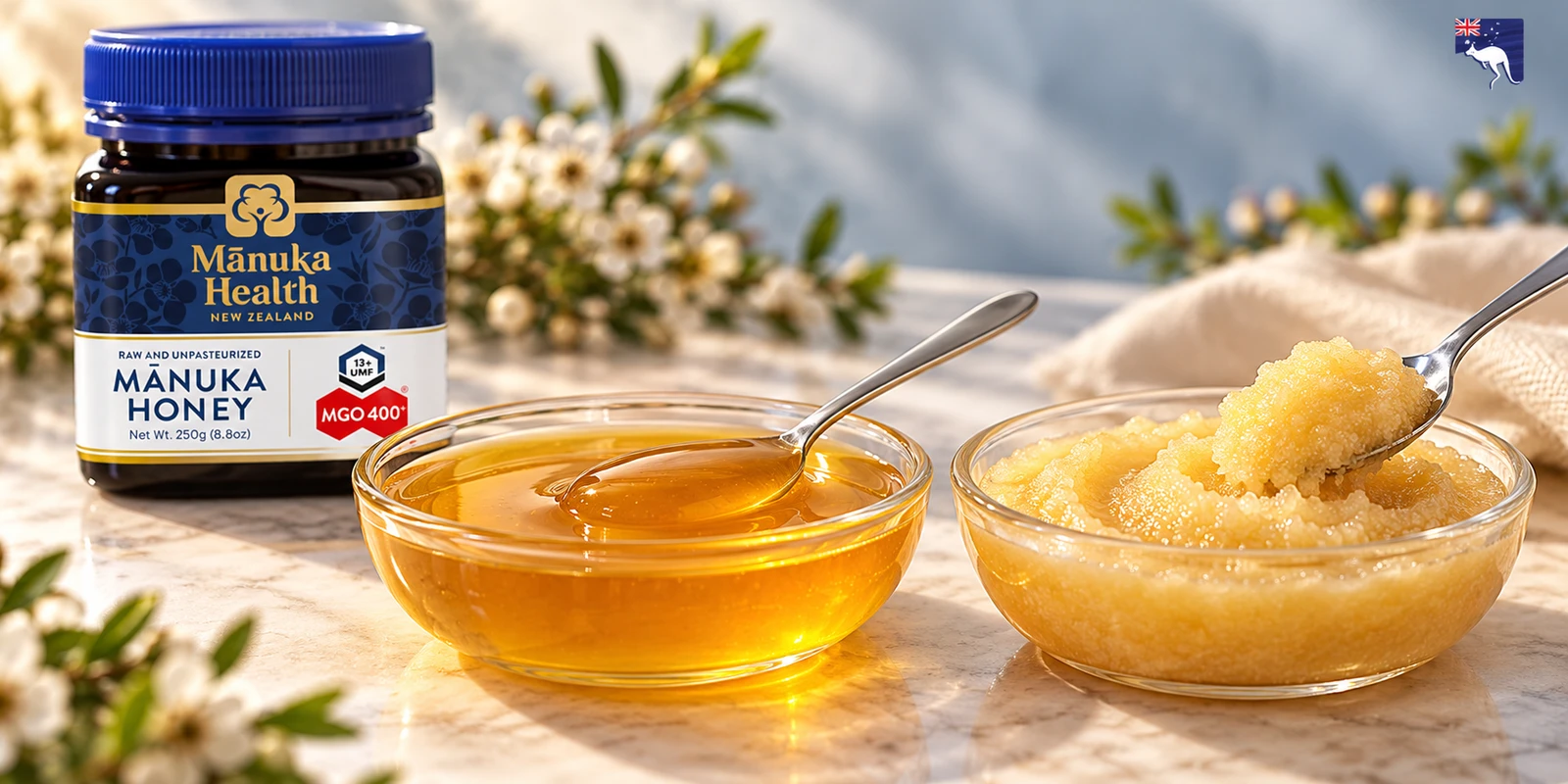
Usually, the more useful question is why does honey crystallize? Honey already contains natural sugars. Some of its glucose can form crystals, turning a flowing liquid into a grainy or partly solid texture. That change alone does not prove anything dishonest happened.
What is happening inside the jar?
Crystallisation is a physical change: glucose molecules form an organised crystal structure within the honey. The Ohio State University Extension explanation makes clear that this process is not, by itself, a measure of impurity or quality.
You may notice a few grains first, a cloudy area, or a firmer layer spreading through the jar. Honey does not need to change uniformly. The appearance can be surprising if you expected it to stay clear and runny, but appearance is only one part of assessing a food.
Why do some honeys crystallise faster?
Honeys differ naturally. Their sugar composition, handling and storage conditions help explain why one jar stays fluid while another sets. Tiny particles and existing crystals can also affect where crystallisation begins.
Temperature matters, but “colder always means faster” is too simple a rule across every possible condition. In ordinary household use, refrigeration can encourage a grainy texture. Follow the supplied storage instructions rather than moving jars between extremes to try to control the result.
| Possible difference | What it can change | What it cannot tell you alone |
|---|---|---|
| Natural honey composition | How readily crystals form | Whether the jar is adulterated |
| Filtering and other handling | The particles and crystals present | Whether all processing is good or bad |
| Storage conditions | Texture and the pace of change | A precise expiry date |
| Existing small crystals | Where further crystals can grow | The country or floral origin |
Is crystallised honey pure?
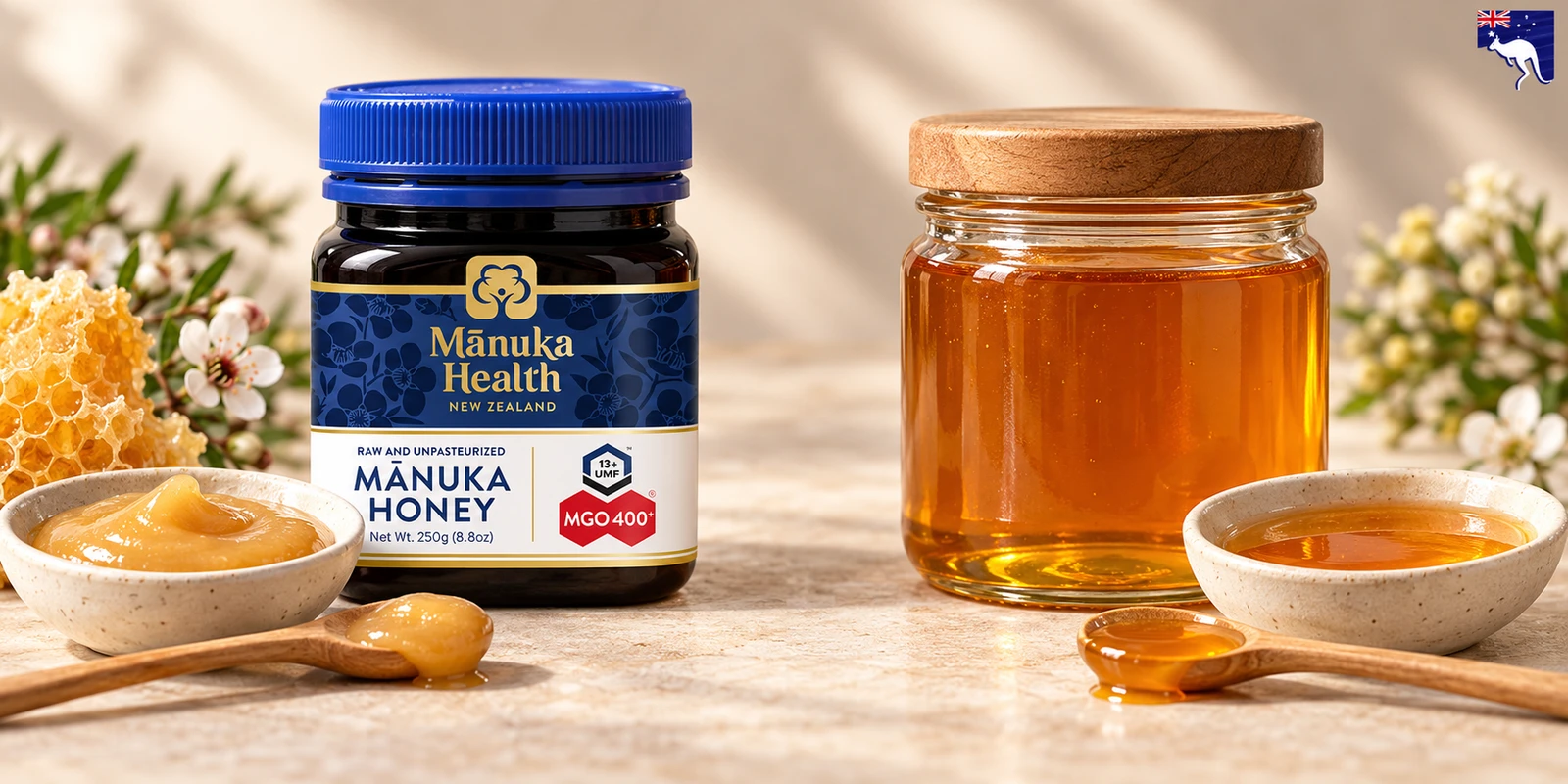
It might be genuine honey, but the crystals are not a certificate. The opposite claim is just as unreliable: a liquid jar is not automatically fake. You cannot turn one visible characteristic into a complete authenticity test.
The Food Standards Agency describes honey-authenticity assessment as complex. Relevant evidence includes product identity, traceability and appropriate testing, rather than a kitchen demonstration.
Before blaming a brand or dismissing a batch, compare the actual label and ask a specific question about the product. Our guide to identifying pure honey explains which checks are useful and why water, flame and thumb tests can mislead.
Can you eat it without changing the texture?
Yes, if the honey has been stored properly and there are no separate spoilage or contamination concerns. Purdue Extension describes crystallisation as a normal change. A firmer texture can be convenient for spreading rather than pouring.
Try a small amount on toast or stir it into a food you normally eat. There is no need to restore the whole jar to a liquid just because the photograph on the product page showed a glossy drizzle.
Crystallisation does not remove sugars or create a new dietary benefit. The normal precautions still apply, including no honey for babies under 12 months.
How to soften crystallised honey gently
If you prefer a pourable texture, first check the storage and handling instructions. Penn State Extension recommends gentle warming in water rather than boiling the honey. Use a small portion if that is all you need.
- Check the container. It must be suitable for gentle warming. If the original packaging is unsuitable, transfer a portion with a clean, dry utensil to a clean, heat-safe container.
- Prepare warm water. Use a stable bowl or pan away from direct heat. Avoid a sudden temperature shock to glass and keep the water below the container’s rim.
- Keep water out of the honey. Do not dilute the main jar to make it runnier. Stir carefully with a clean, dry utensil if the container and instructions allow.
- Stop when the texture suits you. Dry the outside of the container and close it properly after serving. Keep it in the storage conditions recommended on the label.
Do not put an unsuitable plastic jar in hot water or apply intense direct heat. This is a way to adjust the texture of sound honey, not a method for making spoiled honey safe.
What if the crystals come back?
They can. Softening the honey does not permanently change all the factors that made it crystallise. Repeatedly heating the entire jar to keep it looking like a shop photograph is unnecessary.
A practical alternative is to enjoy the set texture or soften only what you plan to use. If texture matters strongly to you, ask the producer how that particular honey is normally presented and handled. A runny-versus-set preference is a reasonable shopping preference; it is not a purity ranking.
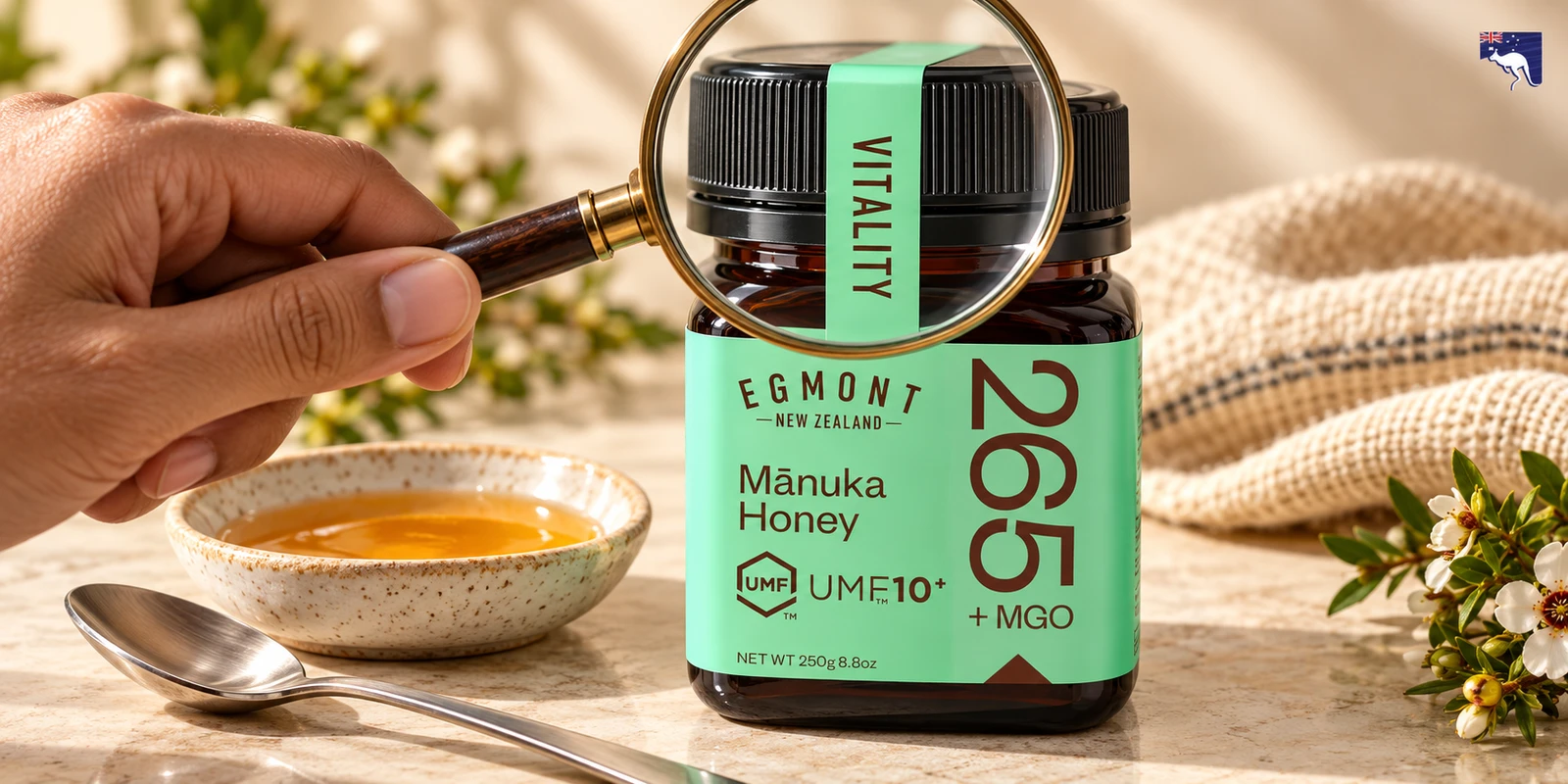
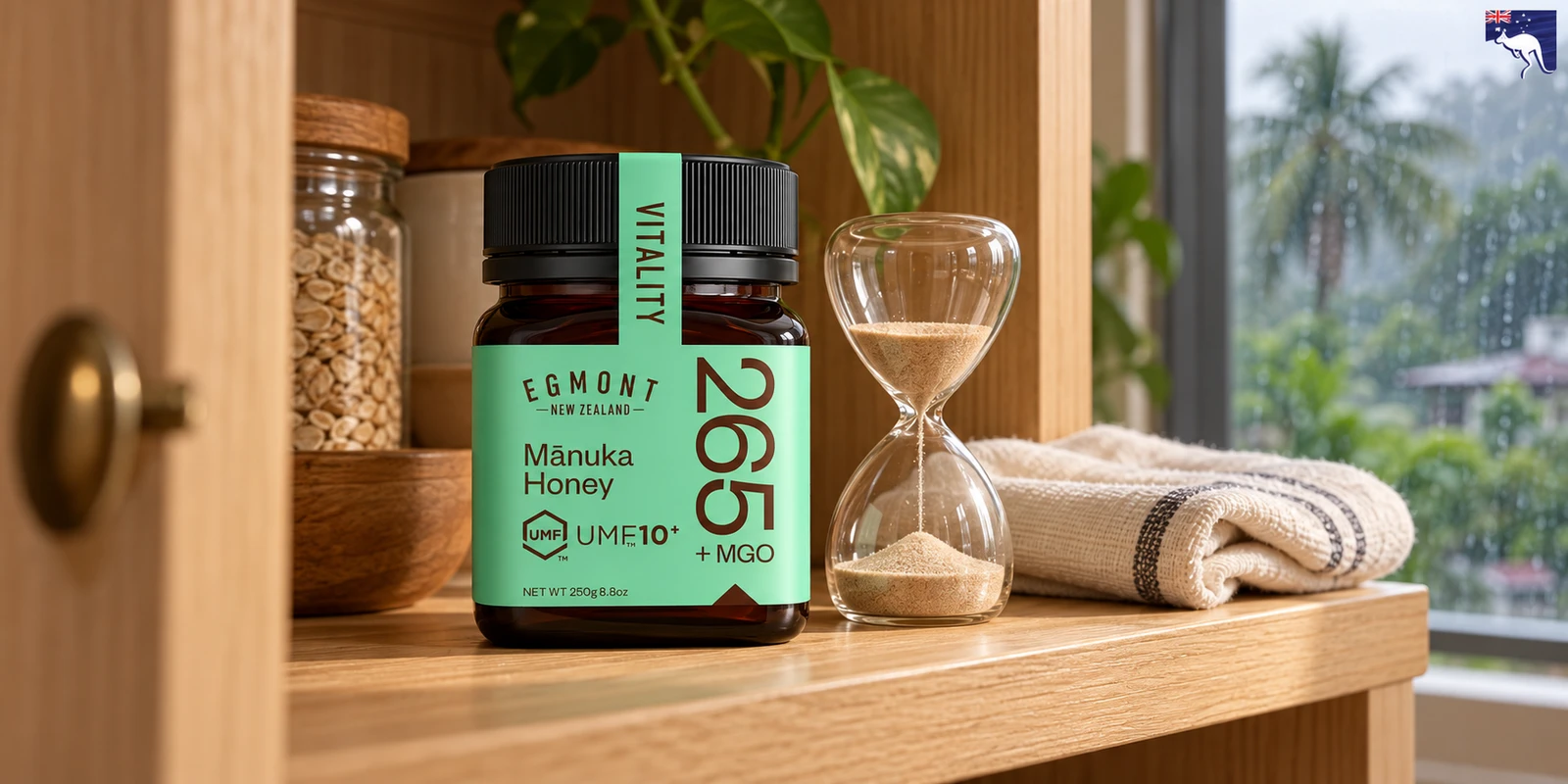
Egmont’s multifloral product below is one labelled option to inspect. Read its current description and storage instructions rather than assuming an MGO number predicts texture.

Egmont Premium Multifloral Manuka Honey MGO 50+ (New Zealand)
Egmont MGO 50+ Manuka honey in Bangladesh: compare jar weight, labelled grade, batch traceability, food-use guidance and current price.
When a changed jar needs more caution
Crystals can exist alongside a separate problem. Unexpected sour or alcoholic odours, persistent bubbling or foaming, a leaking container or visible contamination call for a different response. The Oregon State University guidance on honey identifies fermentation as spoilage, not something to disguise by warming.
Set the jar aside, keep the batch details and contact the seller or manufacturer if you are unsure. Do not taste it to test safety. The storage guide below explains how dates, moisture and handling fit into that decision.
Keep texture and buying confidence separate
When buying honey in Bangladesh, choose a traceable jar with a readable label, appropriate packaging and a seller who can answer questions. Let those details support your confidence. If your main concern is the meaning of raw or processed, our honey label comparison covers that separately.
A grainy spoonful is often simply honey in another texture. Understand the change first, then decide whether to spread it, soften it or investigate a separate concern.