What Is Manuka Honey? MGO, UMF and Honey Grades Explained
MGO, UMF, monofloral and multifloral labels answer different questions. This clear guide explains Manuka honey’s origin and grading, with actual Egmont and Manuka Health label examples to help Bangladesh shoppers compare jars confidently.
Quick Answer
Manuka honey is honey associated with nectar from mānuka or related Leptospermum plants, depending on origin. MGO states methylglyoxal concentration, commonly in milligrams per kilogram. UMF is a certification framework that considers multiple quality markers. A higher grade describes product characteristics, not a prescribed health benefit. Check the jar’s origin, honey classification, certification, weight and batch details together.
Key Takeaways
- MGO is methylglyoxal concentration; an MGO 263+ label indicates at least 263 mg/kg.
- UMF is a broader certification framework, not simply another spelling of MGO.
- Monofloral and multifloral are honey identity categories, not measures of sugar-free status or clinical benefit.
- Compare actual jar labels; do not give an uncertified product a UMF rating using a conversion chart.
The front of a Manuka honey jar can look like a string of exam results: MGO 263+, UMF 10+, monofloral, New Zealand. The numbers are useful once you know what they measure. Until then, they can make a simple purchase feel unnecessarily complicated.
So, what is Manuka honey? It is a distinctive honey associated with particular floral sources, sold with information about origin, identity and measured characteristics. The key is to read those details separately. A country name, an MGO number and a certification mark do different jobs.
Where does Manuka honey come from?
New Zealand mānuka honey is associated with the mānuka plant, Leptospermum scoparium. Australia also produces Manuka honey from Leptospermum species. Check the origin on the individual jar; the two countries have their own relevant industry and verification information.
For New Zealand exports labelled mānuka, MPI’s science definition uses five attributes: four chemical markers and a DNA marker. The requirements distinguish monofloral and multifloral mānuka honey. This identity testing is a different question from whether a particular MGO grade is worth its price to you.
For Australian products, the Australian Manuka Honey Association’s authenticity mark is one relevant scheme to investigate where it appears. Do not assume a New Zealand UMF explanation applies automatically to every Australian label.
The Egmont and Manuka Health examples used below are listed as New Zealand products. Australian Goods is our retailer name; always use the product’s own origin information when comparing honey.
What does MGO mean?
MGO stands for methylglyoxal. It is a compound measured in Manuka honey. The label number commonly expresses the minimum concentration in milligrams per kilogram, written mg/kg. Thus MGO 263+ indicates at least 263 mg of methylglyoxal per kilogram of honey.
It does not mean there are 263 grams in the jar, that the honey contains 263 nutrients, or that you should eat a particular number of spoonfuls. It also does not tell you how much sugar the product contains.
A higher MGO number indicates a higher labelled minimum concentration of that compound. It does not, by itself, establish every aspect of floral identity, origin, freshness or certification. Read it as one product characteristic rather than a complete verdict.
What does UMF mean, and how is it different?
UMF stands for Unique Mānuka Factor. It is a certification and quality framework used by participating brands. The UMF Honey Association describes four factors: MGO, leptosperin, DHA and HMF.
- MGO: methylglyoxal, the compound prominently shown on many labels.
- Leptosperin: a marker used in assessing Manuka authenticity.
- DHA: a compound connected with the development of MGO over time.
- HMF: a marker considered in assessing quality, including effects associated with heat and ageing.
These markers work within the certification framework; consumers do not need to calculate them at home. The useful shopping question is whether the supplied product genuinely carries the stated certification and can be traced through the relevant brand or scheme.
| Label detail | What it helps describe | What it does not automatically prove |
|---|---|---|
| MGO number | Minimum methylglyoxal concentration | UMF certification or a clinical benefit |
| UMF rating | A broader quality framework for certified products | A prescribed dose or guaranteed health outcome |
| Country of origin | Where the honey is represented as originating | Authenticity without supporting traceability |
| Monofloral or multifloral | The honey’s classification | How much a particular person should consume |
| Net weight | How much honey the jar contains | The concentration of MGO |
Why a simple MGO-to-UMF calculator can mislead
Online charts often place MGO and UMF numbers side by side. They can help explain approximate relationships, but an MGO value alone does not award certification. You cannot take an unlicensed product, find a similar number on a chart and call it UMF-certified.
Different product labels also show different MGO values alongside a particular UMF grade. Use the actual supplied label and current certification information instead of forcing every jar into an exact conversion. This matters when two brands use nearby numbers, such as MGO 263+ and 265+.
Real product-label examples from our catalogue
The table below reports product labels checked on 27 October 2026. It is a comparison of named products, not a universal conversion table or a ranking of medical effectiveness. Pack options and packaging can change, so inspect the selected option and supplied jar.
| Product | Listed MGO | Listed UMF example | Origin |
|---|---|---|---|
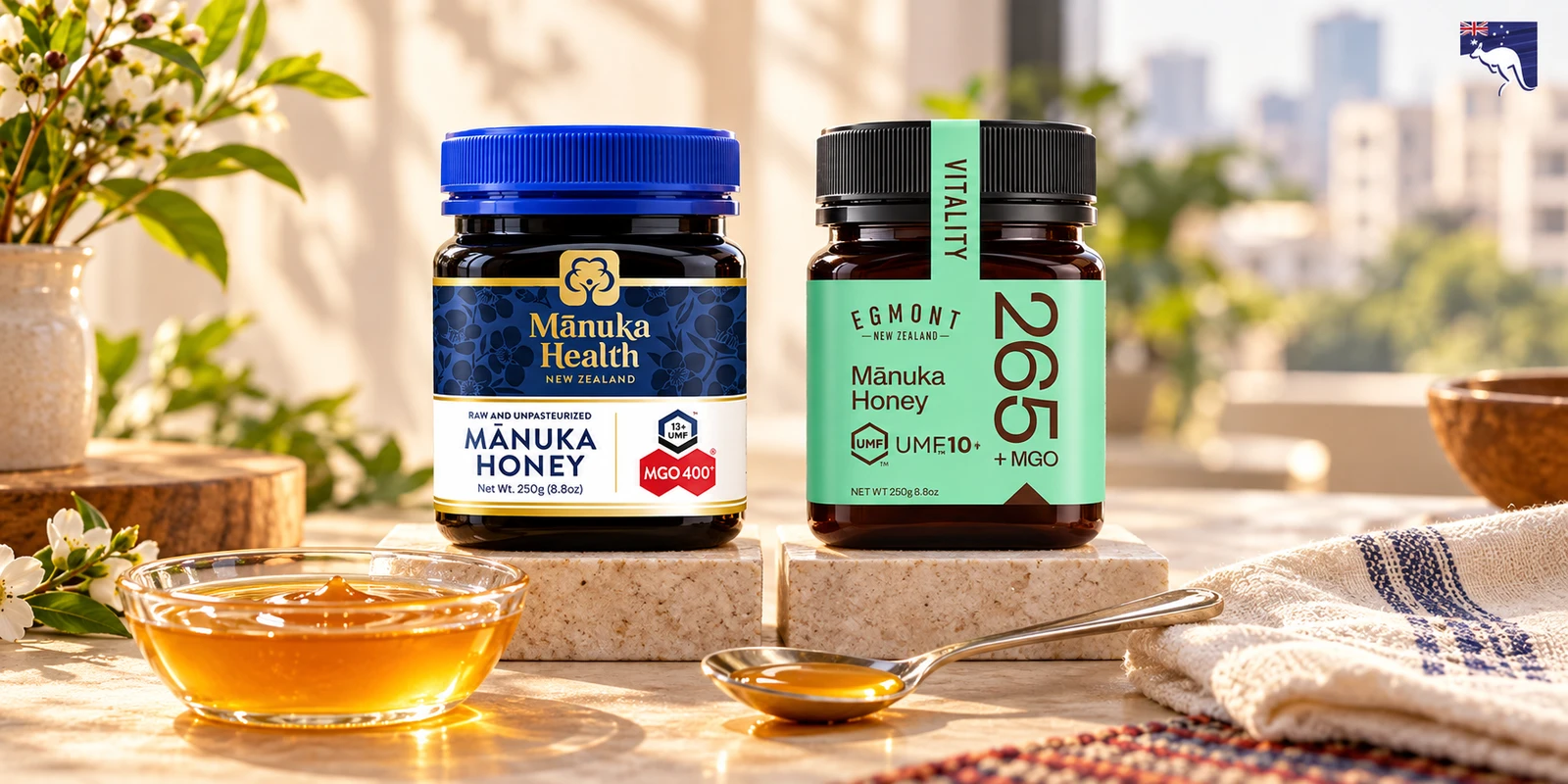
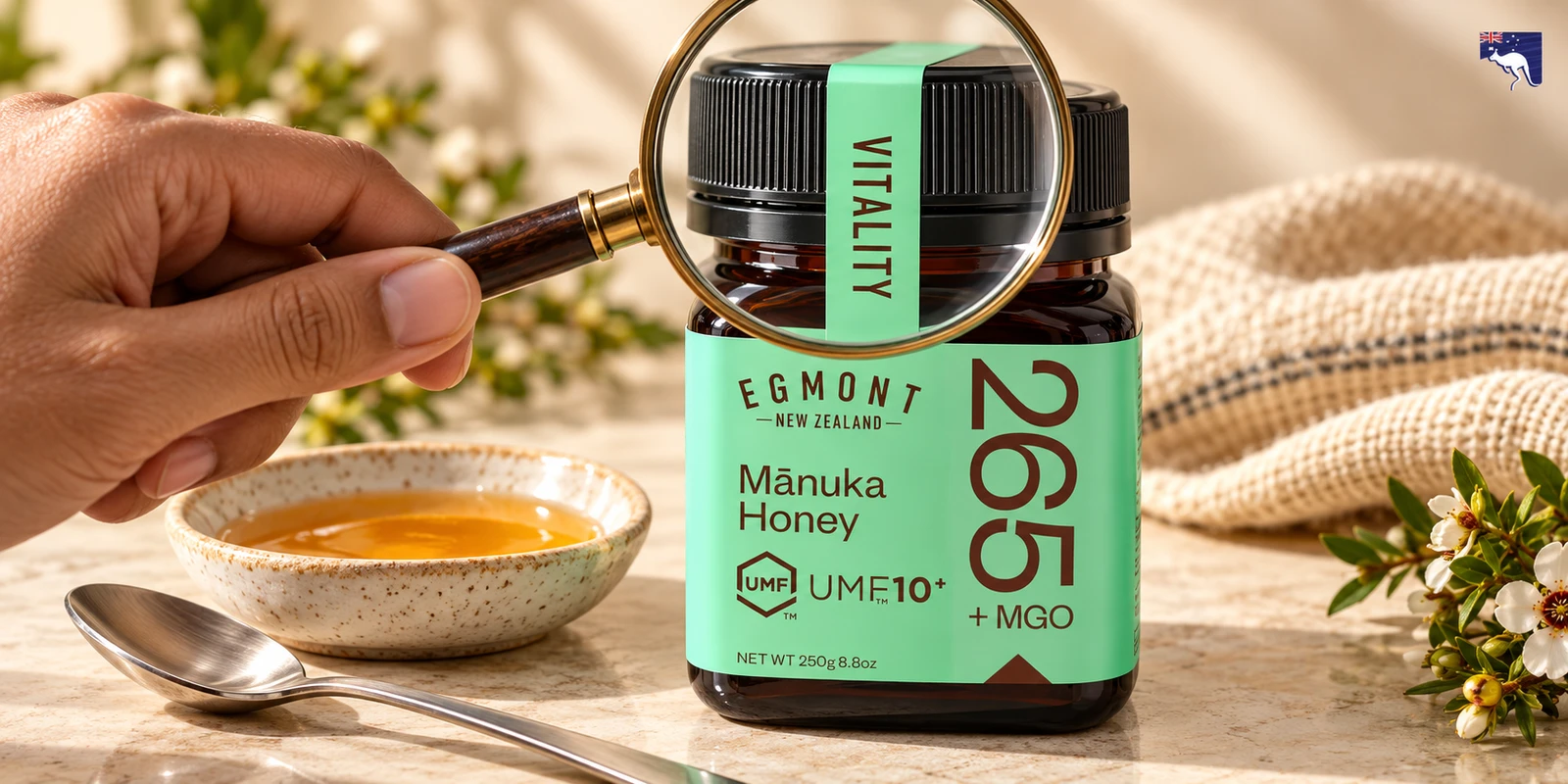
| Egmont Manuka Honey | 265+ | 10+ | New Zealand |
| Manuka Health Manuka Honey | 115+ | 6+ | New Zealand |
| Manuka Health Manuka Honey | 263+ | 10+ | New Zealand |
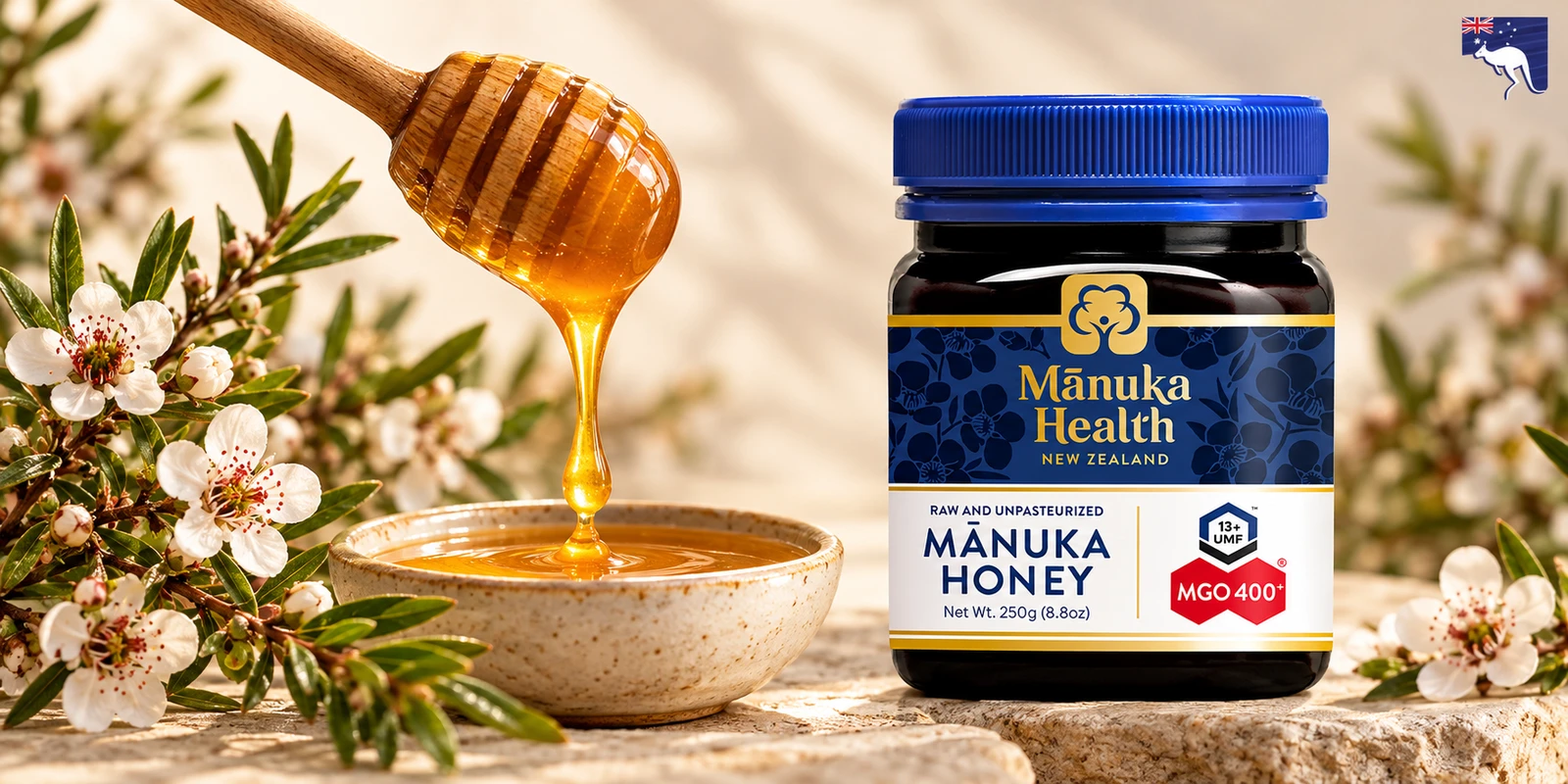
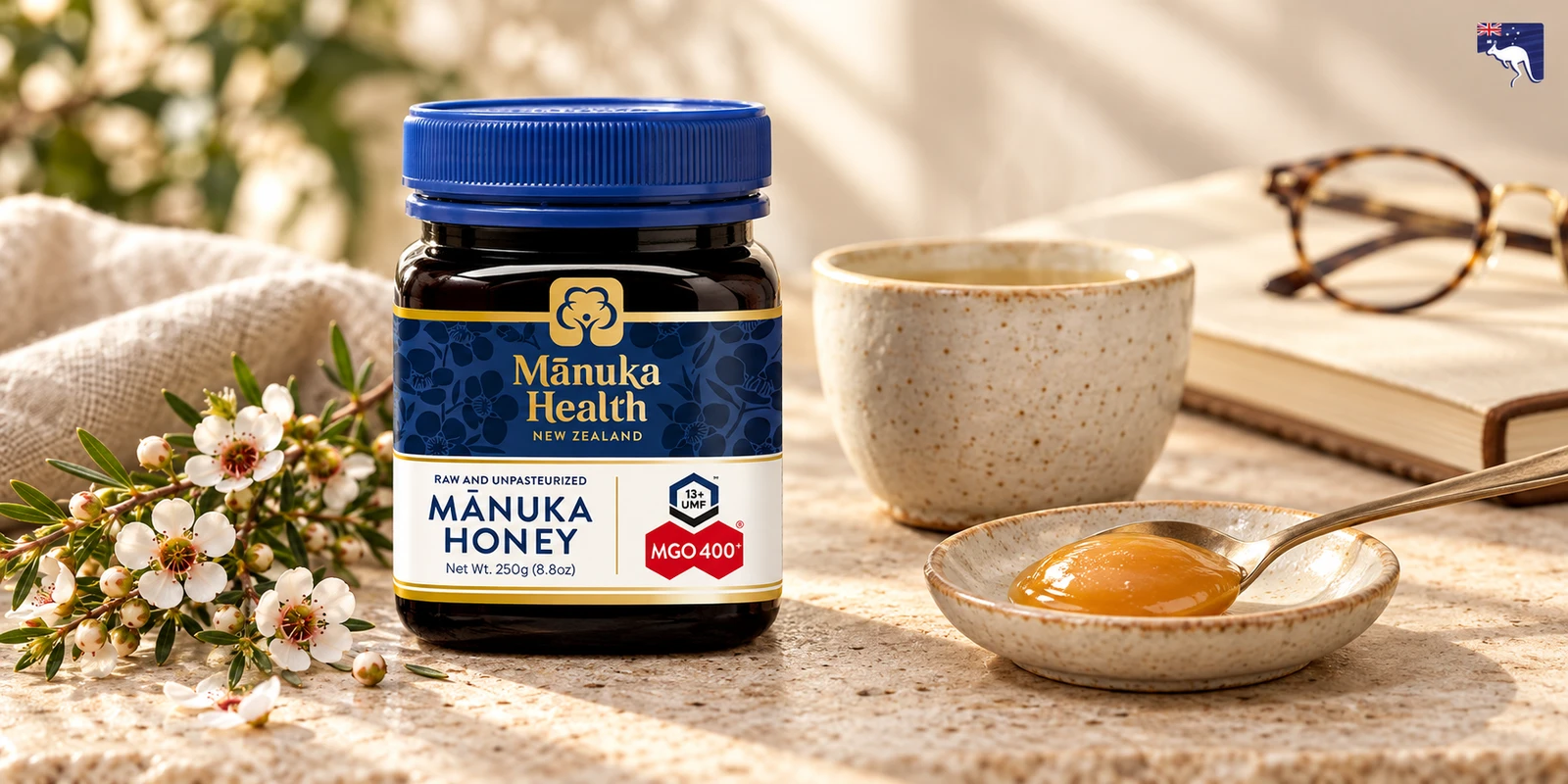
| Manuka Health Manuka Honey | 400+ | 13+ | New Zealand |
| Manuka Health Manuka Honey | 573+ | 16+ | New Zealand |
The Egmont MGO 265+ card below lets you inspect a current product example. Match the weight and label before comparing its price with another jar.

Egmont Premium Manuka Honey MGO 265+ (New Zealand)
Egmont MGO 265+ Manuka honey in Bangladesh: compare jar weight, labelled grade, batch traceability, food-use guidance and current price.
Monofloral versus multifloral Manuka honey
These terms are about honey identity. They should not be translated into “real versus fake,” or read as a literal claim that every drop came from one flower. Bees forage naturally, and classification depends on the relevant testing requirements.
Multifloral Manuka is not automatically adulterated honey. It is a different category to compare honestly. For instance, Egmont’s MGO 50+ multifloral product and its MGO 265+ monofloral product differ in more than the number printed on the label.
When comparing them, think about flavour preference, the labelled features you value and price per 100 g. If a seller describes a multifloral jar as monofloral, that mismatch deserves clarification. The answer should come from product information, not from judging colour or thickness.
Which Manuka honey grade should you choose?
Begin with your reason for buying. For a first taste, a clearly labelled jar at a comfortable price may be more useful than the highest grade available. For a gift, the recipient’s preferences, pack size and delivery timing may matter more than an extra digit.
If you already enjoy a particular grade and value its characteristics, comparing a higher-MGO option is a personal food choice. There is no universal MGO target everyone needs to reach, and no responsible rule assigns a food grade to a disease.
Our evidence guide explains why laboratory properties and health outcomes must be kept separate:
Ready to apply the labels to a purchase? Our Egmont grade review and Manuka Health grade review explain the choices within each brand.
A simple comparison example
Imagine you are comparing a 250 g Egmont MGO 265+ jar with a 500 g Manuka Health MGO 263+ jar. Their MGO numbers are close, but the second pack contains twice as much honey. Comparing only the jar price would mix up concentration and quantity. First confirm the honey type and certification shown on each label, then calculate the price per 100 g.
Next consider how you will use it. A smaller jar may suit a first purchase; a larger one may offer better value if you already know you enjoy that product. Neither pack size makes the honey more effective as a treatment. This approach lets you compare products on meaningful facts without inventing a health ranking from small numerical differences.
Three label mistakes worth avoiding
First, do not compare numbers from different systems as if they used the same scale. MGO 400+ and UMF 10+ are not a meaningful “400 versus 10” contest. Read the units and the certification framework.
Second, do not confuse a product family with a particular pack. A brand can sell several honey types and grades, so a claim shown for one jar may not apply to another. Third, do not treat a photograph as the final specification when a page offers selectable variants. Confirm the exact option in your order and check its label on arrival.
Use this label-reading order before buying in Bangladesh
- Confirm the brand, country of origin and full product name.
- Identify whether the jar is monofloral or multifloral where stated.
- Read MGO and any genuine certification as separate details.
- Choose the exact net weight, then compare price per 100 g.
- Check the batch, seal, seller support and delivery terms.
For more on suspicious labels or home purity tests, read how to identify pure honey. Once you understand the terms, the Bangladesh honey buying guide helps put them into a practical purchase decision.
Finally, all these jars remain honey. Their grades do not remove the sugars or the rule that babies under 12 months must not have honey. Choose the product with clarity, then enjoy it as food rather than treating the number as a health prescription.