What Are Antioxidants? Benefits and How They Work
A plain-English introduction to antioxidants, how they relate to free radicals, and why a varied diet is a better starting point than searching for the strongest antioxidant product.
Quick Answer
Antioxidants are substances involved in limiting harmful oxidation in the body. Your body produces antioxidant defences, and foods provide substances such as vitamins C and E. Eating antioxidant-containing foods supports a varied diet, but an antioxidant label does not prove that a supplement prevents disease or is suitable for you.
Key Takeaways
- Antioxidants are a broad group of substances, not one vitamin or a single medicine.
- Familiar foods such as guava, vegetables, nuts and seeds can contribute different nutrients; no single food supplies everything.
- High-dose antioxidant supplements do not reproduce all the benefits of food and can have risks.
Antioxidant is a word you might see on a vitamin bottle, a skincare advertisement or a packet of tea. It sounds like a benefit in itself, but the word does not tell you what a product contains, how much it contains or whether it has been shown to help people.
For someone planning everyday meals in Bangladesh, the useful questions are simpler: what do antioxidants do, which familiar foods contribute them, and does eating well mean you also need a tablet? Understanding those differences makes the subject much easier to navigate.
What does antioxidant mean?
An antioxidant is a substance that can help limit oxidation, a chemical process that can damage components of cells when it becomes poorly controlled. Some antioxidants interact with reactive molecules called free radicals. The body also has antioxidant enzymes and other protective systems.
There is no single substance called “antioxidant”. Vitamin C and vitamin E are examples of nutrients with antioxidant functions, while many plant compounds also have antioxidant activity. The body makes some protective substances itself and obtains essential nutrients through food.
This means “contains antioxidants” is a description, not a complete health claim. Two foods or supplements carrying that description can have very different ingredients, uses and evidence behind them. It is worth looking beyond the word to the actual nutrient, food or product being discussed.
Free radicals and oxidative stress, without the jargon
Free radicals are highly reactive molecules. They form during normal processes in the body and also in connection with exposures such as tobacco smoke. They are not all unwanted: reactive molecules participate in normal cellular functions as well.
Oxidative stress describes a situation in which reactive substances overwhelm the systems that regulate them, potentially damaging cells. Antioxidant defences are part of how the body manages that balance. The aim is therefore not to eliminate every free radical or to consume the largest possible amount of antioxidants.
A useful distinction is between a biological explanation and a treatment claim. Knowing that oxidative stress is involved in a disease does not show that taking an antioxidant capsule will prevent or treat that disease. That question requires studies of the particular intervention in people.
The same caution applies to everyday symptoms. Tiredness, dull-looking skin or feeling generally unwell do not, by themselves, identify an “antioxidant deficiency”. A product description cannot establish why those symptoms are happening.
Examples you may already recognise
- Vitamin C: a water-soluble vitamin found in fruits and vegetables. Alongside its antioxidant role, it is needed for collagen formation and helps the absorption of iron from plant foods.
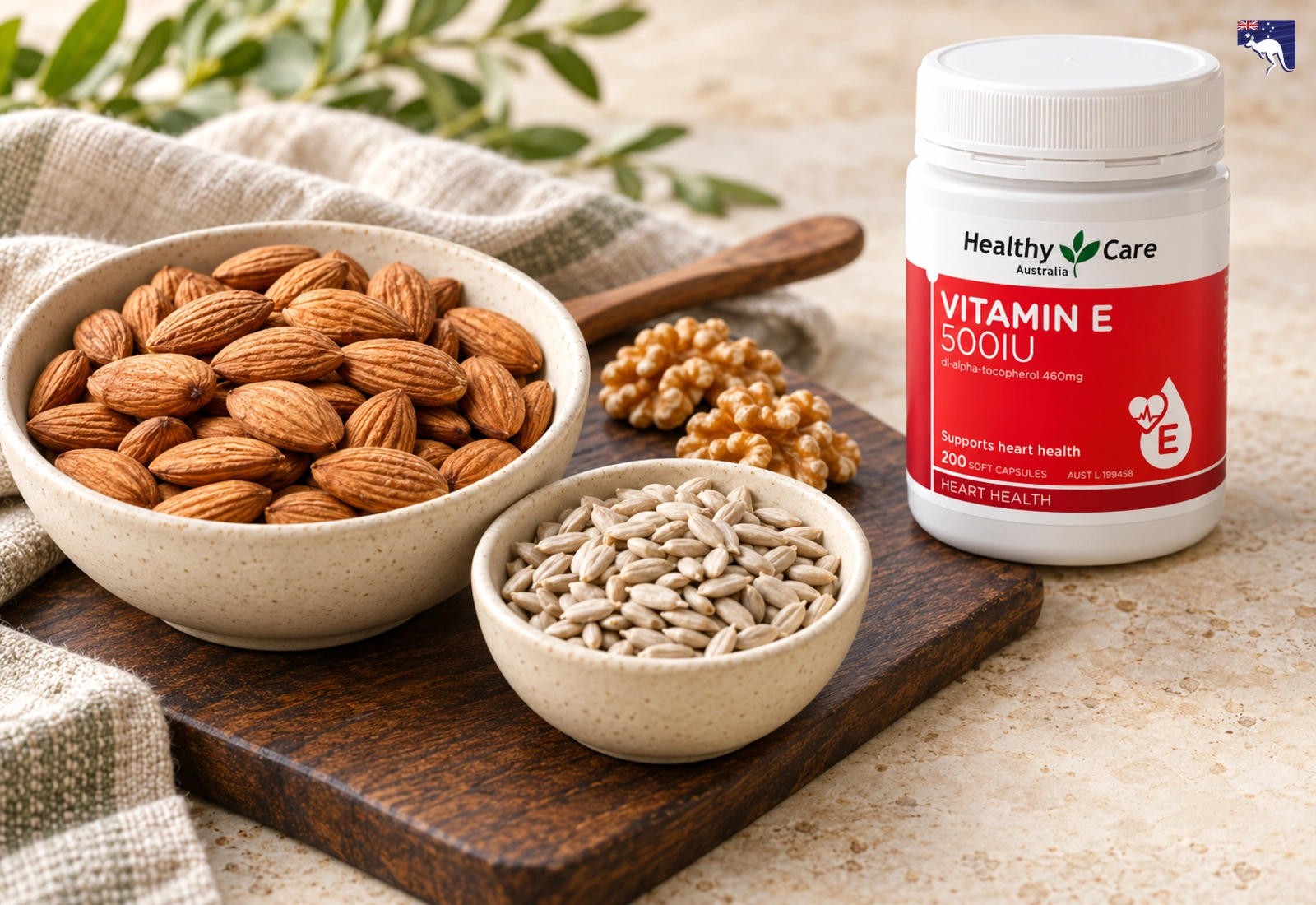
- Vitamin E: a fat-soluble vitamin supplied by foods including nuts, seeds and some vegetable oils. It has a role in protecting cells against oxidative damage.
- Carotenoids: a family of plant pigments. Some, including beta-carotene, can be converted into vitamin A. Carotenoids are not all interchangeable.
- The body's own systems: antioxidant protection also depends on substances and enzymes produced inside the body. A shopping list of antioxidant foods is only one part of the picture.
These categories are useful for understanding variety. An orange, a serving of cooked greens and a small portion of peanuts do not make identical contributions to a meal. You do not need to choose one and reject the others because an advertisement calls it more powerful.
What can antioxidant benefits reasonably mean?
Getting enough essential nutrients helps the body carry out normal functions. That is a sound reason to include a range of foods. It is different from promising that a food will reverse ageing, remove toxins, lighten skin or prevent a specific illness.
The National Center for Complementary and Integrative Health explains that the favourable evidence around fruit and vegetable intake cannot simply be transferred to antioxidant supplements. Whole foods contain mixtures of nutrients and other components; a concentrated ingredient is a different intervention.
When reading a benefit claim, check three things: was the research done in people, was it on the same ingredient and amount, and did it measure an outcome that matters? A laboratory measure of antioxidant activity is not the same as showing that people felt better or developed fewer illnesses.
Also consider what the claim leaves out. A phrase such as “powerful antioxidant” may say nothing about who was studied, how long treatment lasted or whether harms were assessed. You can recognise that an ingredient has antioxidant activity without accepting every claim made about it.
A practical starting point for meals in Bangladesh
You do not need a separate “antioxidant diet”. Start by looking at the meals you already eat. If lunch is usually rice, dal and fish, adding a vegetable dish and planning a fruit snack can create more variety without replacing the entire meal.
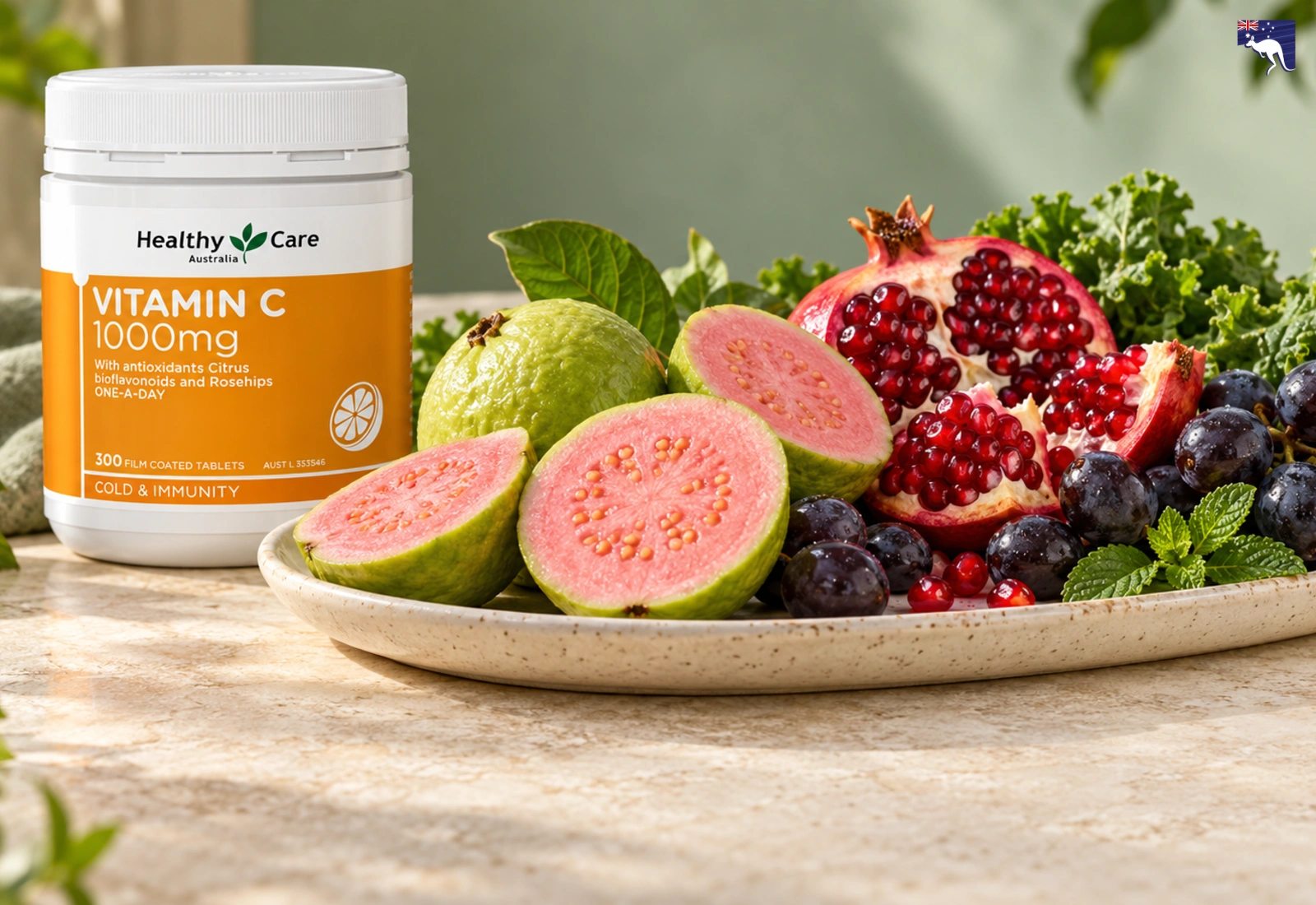
Choose foods that fit your household's budget and routine. Guava or papaya may be a practical fruit choice; seasonal leafy vegetables, pumpkin or carrots can add another option at meals. Nuts or seeds can be used in small portions if you enjoy them and have no relevant allergy. These are examples, not a prescription or a ranking.
At the market, compare the usable amount you will actually eat. An expensive fruit bought for its reputation is not automatically a better purchase than familiar produce that your family enjoys regularly. Rotate choices rather than expecting one ingredient to cover every need.
A simple weekly plan is to choose two fruits, several vegetables and one nut or seed option, then decide when you will use them. This turns a broad nutrition idea into shopping and cooking decisions. The detailed food guides can help you compare vitamin C foods and vitamin E sources separately.
Do you need an antioxidant tablet?
Eating too few fruits and vegetables is a reason to improve the diet, but it does not automatically identify a need for a broad antioxidant supplement. A supplement may have a specific role when a clinician identifies a deficiency, absorption problem or other clear indication.
More is not always better. High-dose supplements can have adverse effects or interact with medicines. For example, vitamin E supplements can increase bleeding risk, particularly with medicines that affect clotting. Antioxidant supplementation during cancer treatment needs discussion with the treating team.
Before buying, be clear about the problem you want to address and the ingredient being proposed. Check the amount per serving and any overlap with other products you already take. Product comparisons and medical advice are more useful than choosing whichever label promises the strongest antioxidant effect.
For most everyday food decisions, the next step is straightforward: build variety into meals, use the foods you can obtain consistently, and treat supplement claims as questions that need evidence.
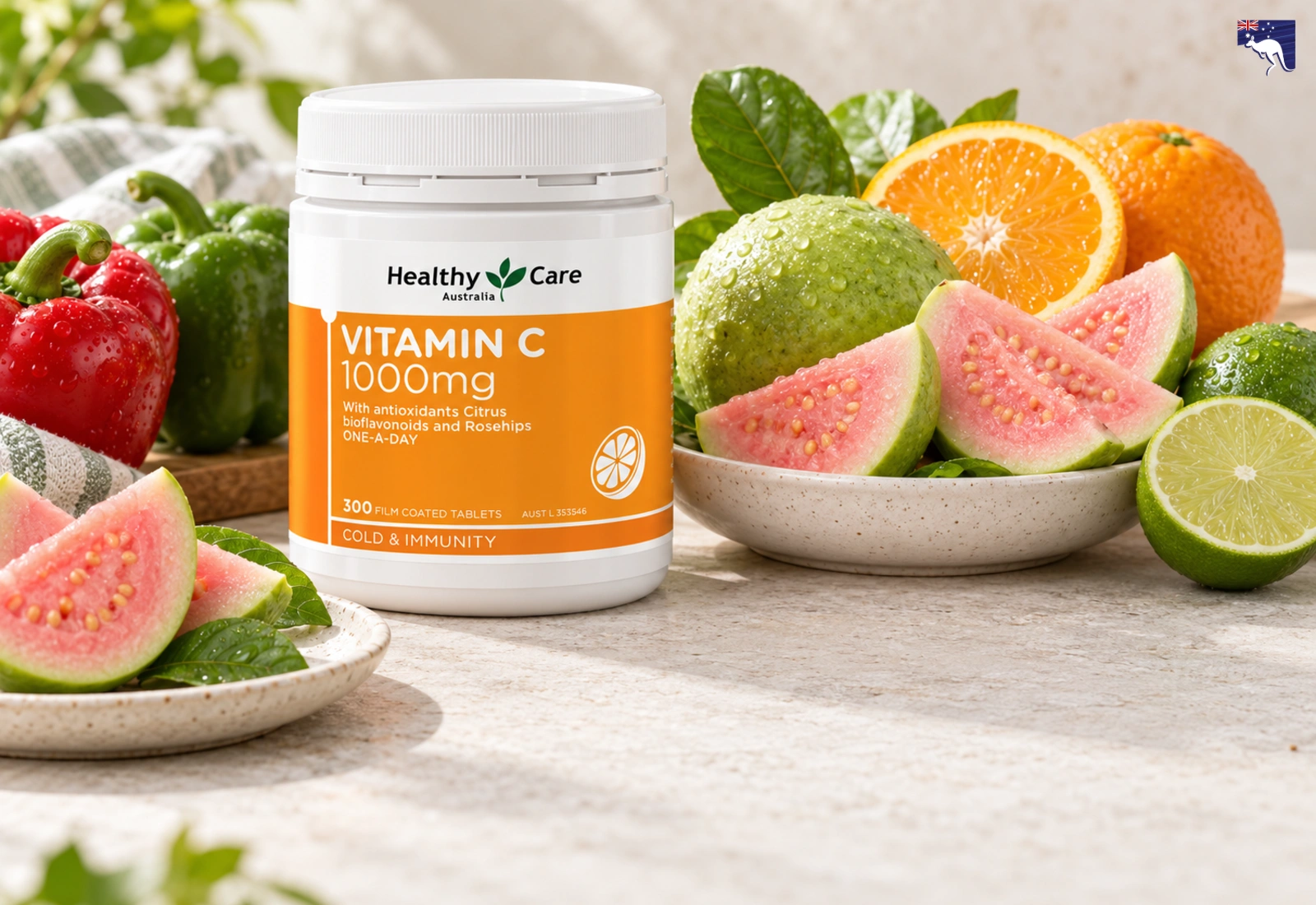
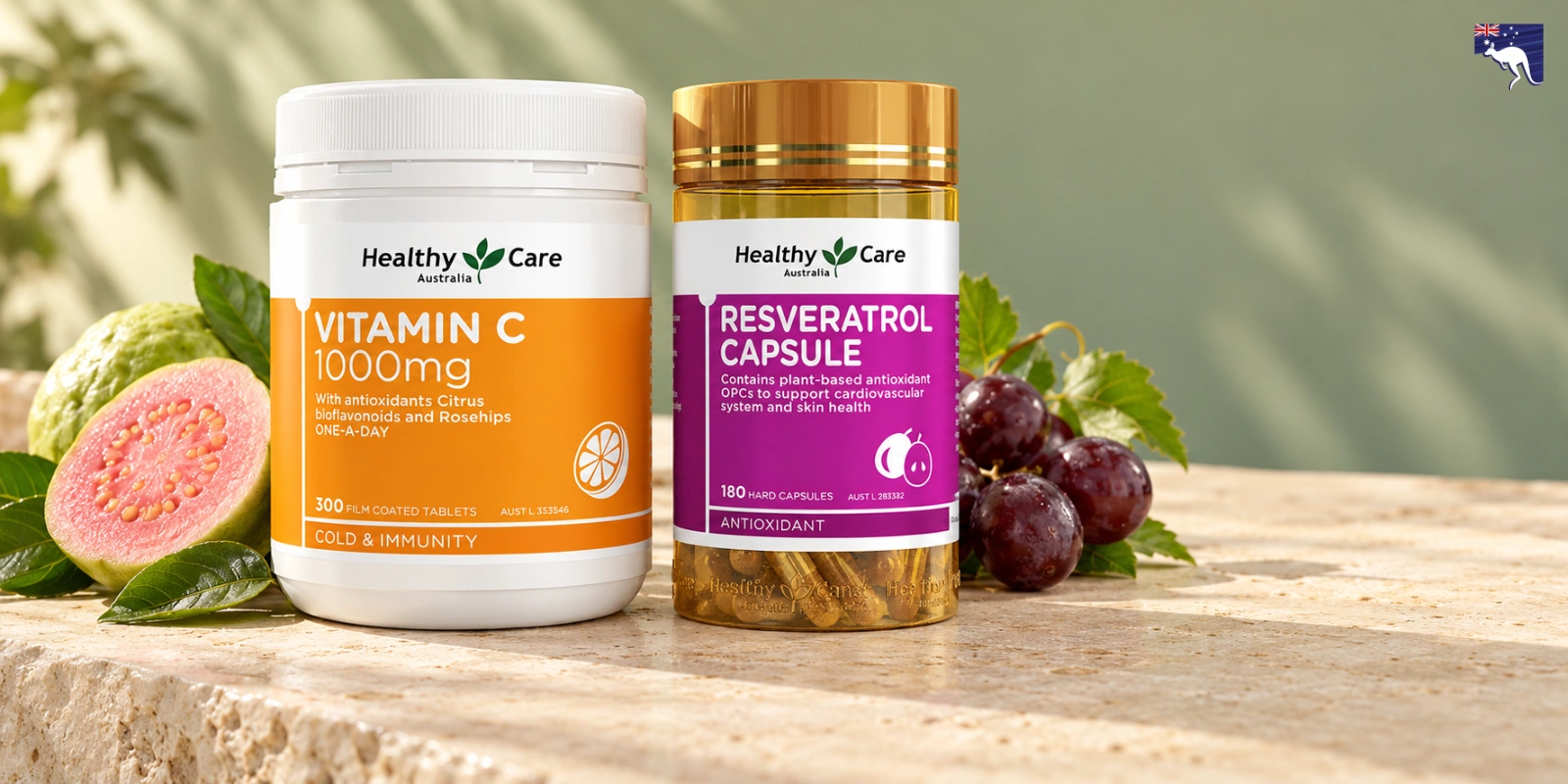
For a practical label-reading example, this vitamin C listing shows how ingredient amounts and serving directions are presented. It is an optional supplement, not a replacement for a varied diet.

Healthy Care Vitamin C 250–1000mg Tablets
Healthy Care Vitamin C 250–1000 mg in Bangladesh. Compare selected strength, tablet format, pack price, matching directions and supply duration.