Vitamin E Foods in Bangladesh: Nuts, Seeds, Oils and Other Sources
A practical vitamin E food guide comparing real servings of nuts, seeds, oils, vegetables and fruit, with affordable meal ideas and clear boundaries around capsule advice.
Quick Answer
Nuts, seeds and some vegetable oils are useful vitamin E sources. In Bangladesh, options to compare include peanuts, almonds, sunflower seeds and suitable cooking oils; leafy vegetables add smaller amounts. Use modest portions and a varied diet. Fruit contributes too, but it is usually less concentrated in vitamin E than nuts, seeds and oils.
Key Takeaways
- Compare vitamin E using realistic portions rather than large per-100-gram servings of oil or nuts.
- Peanuts, seeds, cooking oils and vegetables can all contribute; no single expensive food is essential.
- Food amounts and capsule strengths answer different questions, and more oil or a higher supplement dose is not automatically better.
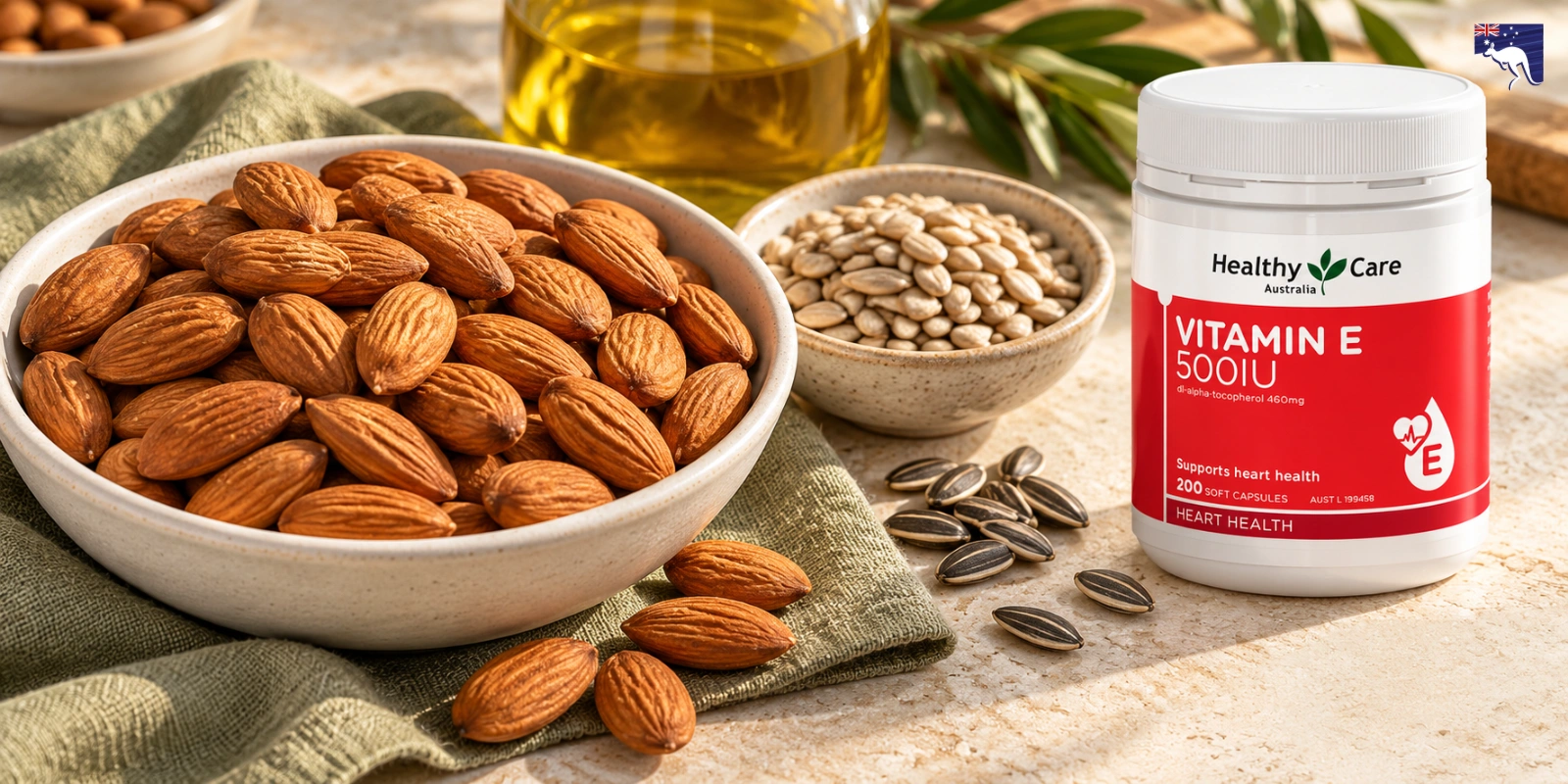
When people look for vitamin E foods, fruit is often the first place they search. Fruit can contribute, but nuts, seeds and some vegetable oils are usually more useful foods to examine for this particular vitamin.
For a household in Bangladesh, the practical task is to find portions that fit the existing diet and budget. You do not need to build every meal around almonds or start adding extra spoonfuls of oil. Several smaller contributions can sit within an ordinary, varied eating pattern.
First, understand what the number measures
Vitamin E is a group of fat-soluble compounds. Alpha-tocopherol is the form recognised as meeting human vitamin E requirements, and that is what the food values below describe. A general claim about “antioxidants” is not a substitute for the amount of this nutrient.
The U.S. reference intake reported by NIH is 15 mg daily for adults, including during pregnancy, and 19 mg during breastfeeding. These figures provide context for the table; they are not a Bangladesh-specific national standard or an instruction to take a supplement.
Nutrient tables also need a serving size. A tablespoon of oil, a small portion of nuts and a bowl of cooked vegetables are very different quantities. Compare foods in the amounts you would realistically use.
Vitamin E food amounts: useful reference portions
These values come from the NIH Office of Dietary Supplements food table, which cites USDA food-composition data. They are reference estimates, not laboratory measurements of every local variety or packaged product. One ounce is approximately 28 grams.
| Food | Reference portion and preparation | Vitamin E |
|---|---|---|
| Sunflower seeds | 28 g, dry roasted, edible kernels | 7.4 mg |
| Almonds | 28 g, dry roasted | 6.8 mg |
| Sunflower oil | 1 tablespoon | 5.6 mg |
| Peanut butter | 2 tablespoons | 2.9 mg |
| Peanuts | 28 g, dry roasted | 2.2 mg |
| Spinach | Half a cup, boiled | 1.9 mg |
| Soybean oil | 1 tablespoon | 1.1 mg |
| Mango | Half a cup, sliced | 0.7 mg |
The listed portion is a comparison unit, not a recommendation to eat every row each day. Dry-roasted nuts are not the same preparation as nuts fried in added oil. For seeds sold in shells, the edible kernels are the relevant weight.
Choosing nuts and seeds on a budget
Peanuts: a familiar starting point
Peanuts contribute less vitamin E than almonds in the reference portions above, but they can still be a useful food choice. If they fit your budget and preferences, use them as a measured snack or add a little crushed peanut to an appropriate dish.
Compare plain, unsalted options where available. A heavily salted snack mix or sugar-coated peanut product brings other ingredients into the decision. The presence of peanuts alone does not tell you the nutritional profile of the whole packet.
Sunflower seeds and almonds: compare the usable serving
A small portion of sunflower kernels or almonds can make a substantial contribution. They are optional choices, not requirements. Compare packet size, edible weight and the amount you will actually use before deciding whether they offer good value for your household.
A useful approach is to portion them into a small bowl rather than eating directly from a large packet. Nuts and seeds are energy-dense, and their vitamin E content is not a reason to keep increasing the serving. If you have an allergy, choose an appropriate alternative with professional advice where needed.
Cooking oils count, but more oil is not the goal
Some vitamin E may already come from the oil used in family cooking. Different oils have different amounts, and a reference value for sunflower oil should not be applied to mustard oil, a blended oil or any other product without appropriate data.
The tablespoon in the table shows how nutrient data are reported. It does not mean that everyone should add a tablespoon on top of what they already eat. First consider the oil already present in curries, fried foods, dressings and snacks.
When a pot is shared, the total oil added to the recipe is also shared. One tablespoon in a dish for several people is not one tablespoon per person. Recipe portions and leftovers make the actual amount variable.
WHO recommends favouring unsaturated fats over saturated fats within an overall balanced diet. Choosing an appropriate cooking oil can be part of that pattern, but increasing oil solely to reach a vitamin E figure is not a useful shortcut.
What about vegetables and vitamin E fruits?
Leafy vegetables can add vitamin E along with other nutrients. The spinach entry above is specifically for boiled spinach. It should not be treated as the exact value for every type of shak, a raw salad or a curry with different ingredients.
Also, half a cup of cooked leaves can contain a very different weight of vegetable from half a cup of loose raw leaves. A higher value per cup after cooking does not, by itself, mean cooking created more vitamin E. Always check both the preparation and serving.
Mango illustrates what fruit can contribute: the NIH table gives 0.7 mg in half a cup of sliced mango. Enjoy fruit for its overall contribution, but do not expect a fruit-only list to be the most practical way to plan vitamin E intake.
Small changes that fit familiar meals
- For a snack: use a small portion of plain peanuts or another suitable nut instead of automatically choosing a fried snack.
- With breakfast: if you enjoy peanut butter, compare products and use a measured amount with bread or roti rather than adding it without considering the rest of the meal.
- At lunch: keep a serving of cooked vegetables alongside rice, dal and your usual protein food.
- As a topping: a small amount of sunflower kernels can add texture to a suitable salad or vegetable dish.
Choose one change that suits your routine, then review the rest of the week. These examples are not a complete nutrient-calculated plan. The combination and quantities needed will depend on the foods you already eat and any dietary restrictions.
Food intake is different from a vitamin E capsule
A capsule may contain much more vitamin E than a normal food serving. Its strength is not a dietary target to reproduce by eating large amounts of oil or nuts. Likewise, an ordinary food guide does not establish that you need an oral supplement.
Vitamin E deficiency is uncommon in otherwise healthy people, but certain conditions affecting fat absorption can increase risk. Those situations require individual assessment. High-dose vitamin E supplements can also increase bleeding risk, especially with medicines that affect clotting.
If you are concerned about your intake, begin with a realistic record of meals and portions. A dietitian or clinician can help assess a restricted diet or relevant medical problem. Our vitamin E capsule guide covers supplement benefits, strengths and safety separately.
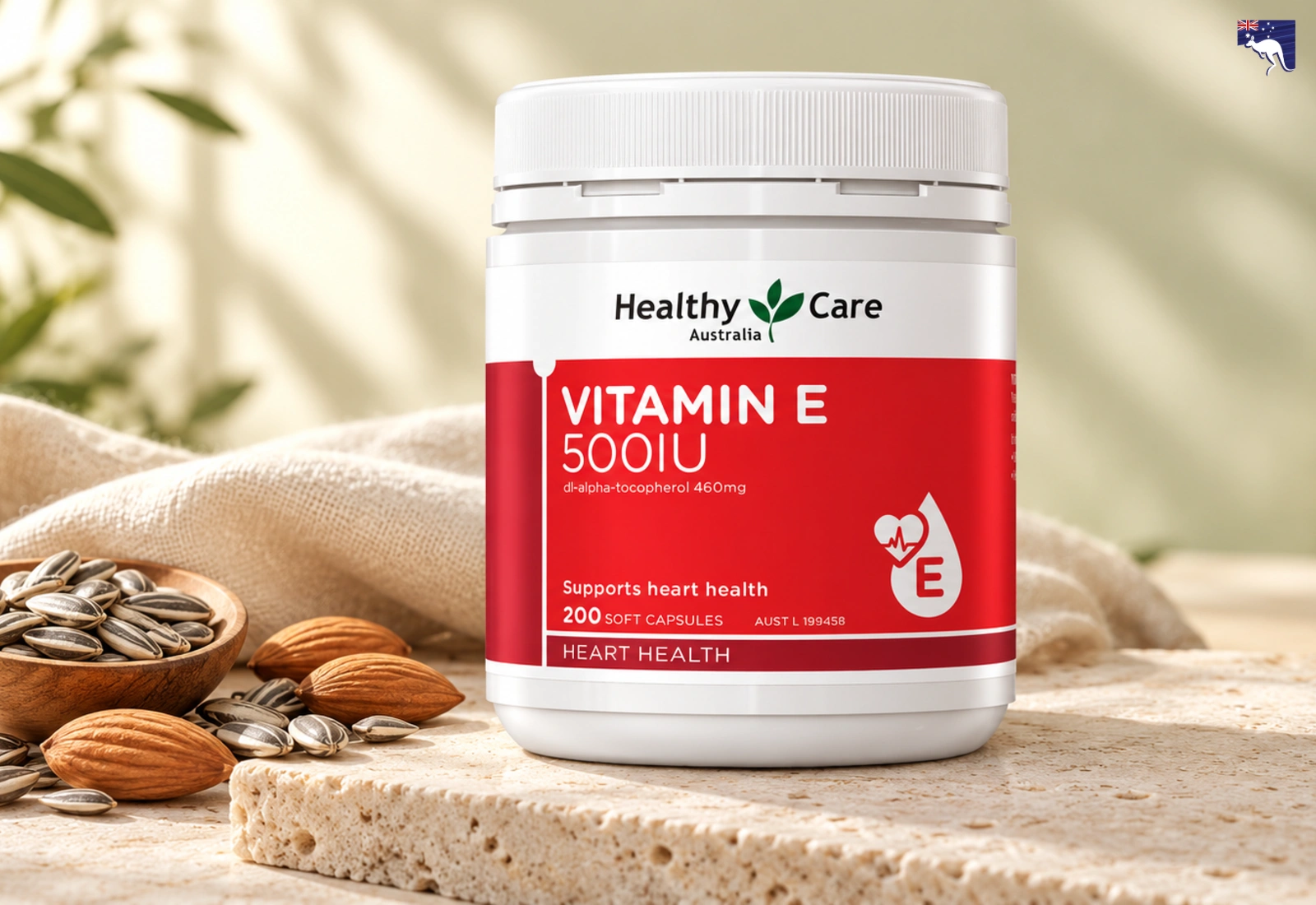
If a clinician has recommended supplemental vitamin E, check the current product label below. The capsules shown are concentrated supplements, not equivalent substitutes for the foods in this guide.

Healthy Care Vitamin E 500IU
Healthy Care Vitamin E 500IU in Bangladesh. Compare pack prices, tocopherol form, declared IU, daily serving and label suitability.