Antioxidant-Rich Foods Available in Bangladesh: A Practical Food Guide
A practical guide to building food variety with familiar Bangladesh fruits, vegetables, pulses, nuts and seeds, without relying on expensive superfoods or misleading antioxidant rankings.
Quick Answer
Useful antioxidant food choices in Bangladesh include guava, papaya, citrus fruit, leafy vegetables, carrots, pumpkin, tomatoes, peanuts and sunflower seeds. They contribute different nutrients and plant compounds, so combine several food groups instead of choosing a single highest-antioxidant food. Seasonal choices and realistic portions can make the habit easier to maintain.
Key Takeaways
- Familiar foods can contribute antioxidant nutrients; imported berries and costly powders are optional.
- Plan variety across meals, using fruits, vegetables, pulses and modest portions of nuts or seeds.
- Antioxidant scores do not rank a food's overall health benefits, and food does not guarantee disease prevention.
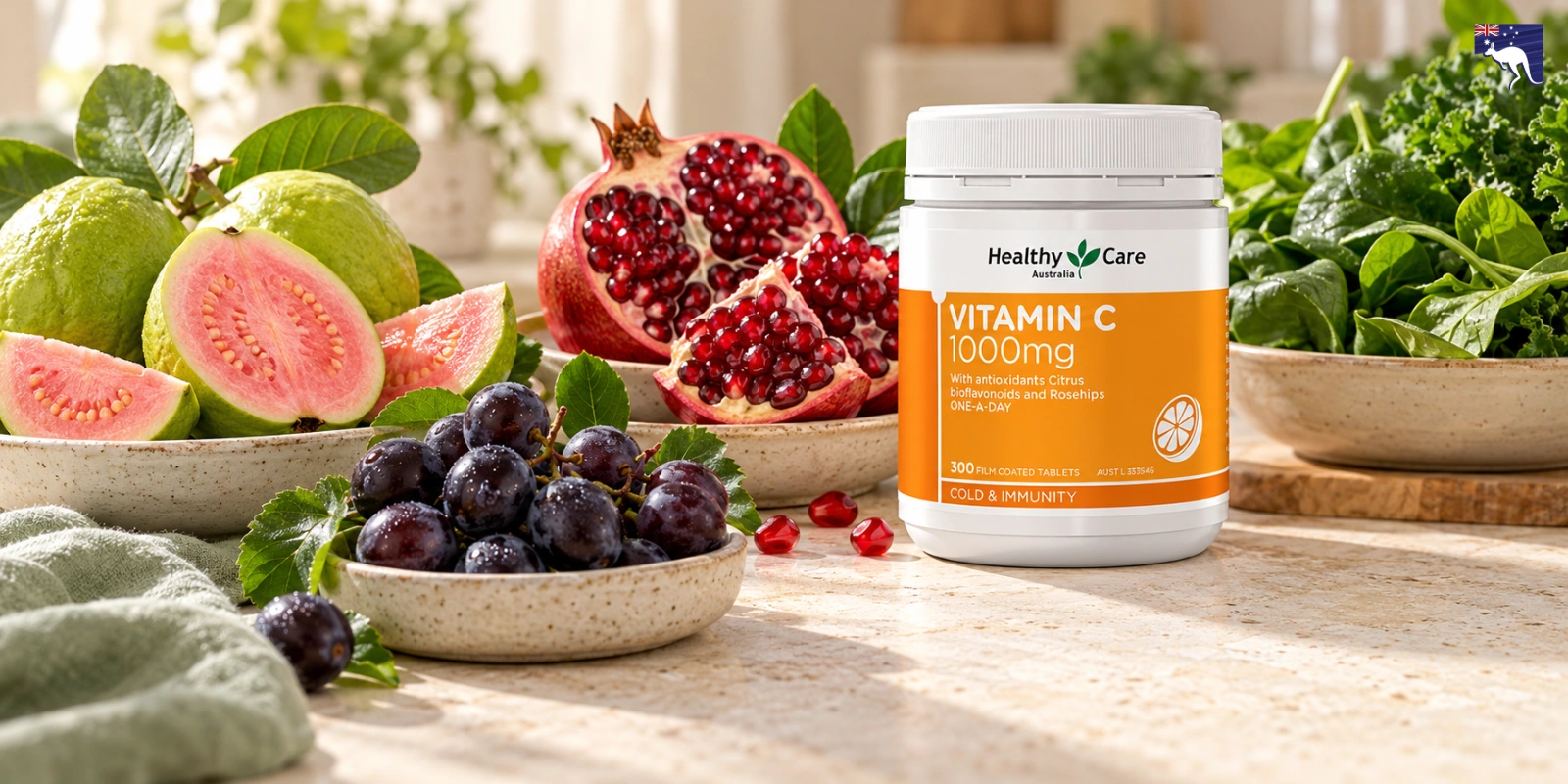
A useful antioxidant food list should help you decide what to buy for dinner, not leave you with a basket of expensive ingredients you rarely use. In Bangladesh, familiar foods such as guava, papaya, leafy vegetables and peanuts can be part of that plan.
The goal is a varied eating pattern. Different foods supply different vitamins and plant compounds, alongside fibre, energy and other nutrients. No single fruit, vegetable or spice needs to become the centre of every meal.
What makes a food an antioxidant source?
Foods may contain nutrients with antioxidant functions, such as vitamins C and E, as well as carotenoids and other plant compounds. The phrase “antioxidant-rich” is broad: it does not describe one standard nutrient amount or guarantee a particular health result.
Think in food groups rather than scores. A fruit can contribute vitamin C, a handful of seeds can contribute vitamin E, and orange or dark green vegetables can supply carotenoids. Their contributions complement one another.
For a general dietary benchmark, WHO advises people older than ten to aim for at least 400 grams of fruit and vegetables daily. This is guidance for the overall diet, not a target for antioxidant milligrams. Individual needs and any prescribed dietary restrictions still matter.
Antioxidant foods available in Bangladesh
| Food group | Examples to consider | A practical way to use them |
|---|---|---|
| Vitamin C-containing fruits | Guava, papaya, citrus, amla and seasonal amra | Choose one as a whole-fruit snack or share cut fruit after a meal. |
| Orange and green vegetables | Carrots, pumpkin and leafy vegetables | Add a vegetable side to rice, dal, fish or eggs. |
| Other vegetables | Tomatoes and sweet capsicum | Use in a safely prepared salad, an omelette or a mixed vegetable dish. |
| Nuts and seeds | Peanuts, sunflower seeds and almonds | Use a small measured portion as a snack or topping. |
| Pulses and whole grains | Masoor dal, mung dal, chickpeas and whole-wheat roti | Keep them in the overall pattern for variety, fibre and other nutrients. |
This is a shopping guide, not a ranking. The foods in a row are not nutritionally identical, and pulses or grains should not be assumed to provide as much vitamin C or vitamin E as the foods specifically listed for those nutrients.
Start with fruits you will actually eat
Guava, papaya and citrus are useful options when planning vitamin C-containing foods. Our vitamin C foods guide compares familiar fruits using Bangladesh food-composition reference values. Availability, ripeness and price will affect the best choice on a particular shopping trip.
Pomegranate, grapes or imported berries can add variety if you enjoy them, but you do not need to buy them to make the diet worthwhile. Avoid treating a fruit's colour, imported status or price as proof that it has superior health effects.
Choose whole fruit more often than sweetened fruit drinks. A glass advertised as an antioxidant drink can still contain substantial added sugar. Read the ingredients and serving information rather than judging it by the fruit image on the packaging.
Give vegetables a regular place on the plate
A vegetable dish can be part of lunch and dinner instead of an occasional extra. Rotate leafy vegetables with pumpkin, carrots, tomatoes and other seasonal choices. The rotation is a planning tool; you do not need every colour at every meal.
For example, lunch might include cooked greens while dinner uses pumpkin in a mixed vegetable dish. On another day, tomatoes and capsicum could go into an omelette. Choose preparation methods your household enjoys, so the vegetables are eaten rather than left on the plate.
Use nuts, seeds and pulses for variety
Nuts, seeds and some vegetable oils are important food sources of vitamin E. Peanuts may be a practical choice to compare with almonds or sunflower seeds when shopping, but local prices vary. Check the cost of an edible serving rather than only the price of the whole packet.
A small handful of unsalted nuts or a spoonful of seeds can fit into a snack or meal. These are energy-dense foods, so piling on larger quantities is not necessary. Keep dal and chickpeas in the wider meal plan for their own nutritional contribution rather than presenting them as substitutes for every fruit or vegetable.
Turn the list into an ordinary day
The following example shows how to spread choices across the day. It is not a calculated diet plan, and portions of staple foods and protein should suit your appetite and needs.
- Breakfast: roti with an egg and tomato, with fruit either alongside or later.
- Lunch: rice, dal, fish or another protein food, plus a serving of cooked greens or mixed vegetables.
- Afternoon: a portion of guava or papaya; a small amount of plain peanuts is another snack option.
- Dinner: your usual staple and protein, with a different vegetable from lunch.
Start with the gap that is easiest to fix. If you already eat vegetables at both main meals but rarely eat fruit, plan a fruit snack. If the shopping basket has fruit but little vegetable variety, focus on two usable vegetable choices for the next few days.
How to keep the plan affordable
- Compare what is in season. Choose from the produce available at a price your household can sustain; no fixed market price is assumed here.
- Plan before buying. Match each item to a snack or dish, especially when buying a large papaya or bunch of greens.
- Use a short rotation. Two fruits and a few vegetables can provide a manageable starting list. Change the selection over time.
- Count waste as part of cost. Buying less and using it can be better value than a bulk purchase that spoils.
Does cooking destroy the antioxidants?
There is no single answer for all nutrients. Vitamin C can be reduced by prolonged storage and heat; steaming or microwaving may reduce cooking losses. The effect depends on the food, nutrient and cooking method, so raw is not automatically the best choice for every meal.
Use a mixture of safely prepared raw fruit and cooked vegetables. Wash produce with safe running water before cutting or eating, and keep utensils clean. There is no need to use soap or detergent on fruit and vegetables.
Why not choose the highest-antioxidant food?
Laboratory antioxidant activity is not a complete measure of what happens after a food is eaten. It does not account for the whole diet, the amount consumed or whether a claimed benefit has been demonstrated in people. A powder or spice used in a tiny serving also cannot be compared fairly with an entire bowl of food using only a per-100-gram headline.
Keep the practical question in view: does this choice add useful variety to a meal you can repeat? Foods can support a healthy dietary pattern without being described as cures. If you are considering a supplement, that requires a separate look at the ingredient, purpose and safety.
If a clinician has advised vitamin C supplementation, you can check the current label and price below. The food choices in this guide do not require you to buy a supplement.

Healthy Care Vitamin C 250–1000mg Tablets
Healthy Care Vitamin C 250–1000 mg in Bangladesh. Compare selected strength, tablet format, pack price, matching directions and supply duration.