Vitamin D & Immunity – A Common Deficiency in Bangladesh
Despite year-round sunshine, nearly 80% of people in Dhaka are Vitamin D deficient. Low D3 weakens T-cells, increases respiratory infections, and causes fatigue, bone pain, and low mood. This 2026 guide explains the sunshine paradox in Bangladesh, immune system connection, safe 1000IU dosing, toxicity risks, and the best Vitamin D3 supplements for adults and seniors.
We live in a tropical country flooded with sunshine. Yet, medical studies show that nearly 80% of people in Dhaka are Vitamin D deficient. How is this possible? In Bangladesh, we often think of Vitamin D only for "strong bones," but science reveals it is actually the "Commander" of your immune system. Without it, your white blood cells remain inactive against viruses. This guide explains why you are likely deficient and how to fix it safely.
The "Sunshine Paradox": Why Are We Deficient?
It seems illogical. Bangladesh is hot and sunny. Yet, deficiency is an epidemic here. Why?
1. Melanin Blockade
Our beautiful dark skin (Melanin) is a natural sunscreen. It protects us from skin cancer, but it also reduces Vitamin D production by up to 90% compared to lighter skin. We need 3-4 times more sun exposure to make the same amount of Vitamin D.
2. The "Dhaka Haze"
To make Vitamin D, UVB rays must hit your skin. In Dhaka, air pollution and dust form a layer that blocks specific UVB rays, even on sunny days. You feel the heat, but you miss the vitamin.
3. Indoor Lifestyle
We go from AC homes to AC cars to AC offices. We wear full-sleeved clothes for modesty or sun protection. If the sun doesn't touch your skin directly (glass blocks UVB), you make zero Vitamin D.
The Science: The "Commander" of Your Immune Army
Vitamin D is technically not a vitamin; it is a Pro-Hormone. It controls the expression of over 200 genes. In terms of immunity, it plays two critical roles:
- Activation: T-Cells are the "Special Forces" of your immune system that hunt down viruses. They remain dormant (asleep) until they find Vitamin D circulating in the blood. If D levels are low, the T-Cells stay asleep while the virus spreads.
- Modulation (Anti-Inflammatory): Vitamin D prevents your immune system from over-reacting. This is crucial for preventing "Cytokine Storms" (severe inflammation) during viral infections like the flu or COVID-19.
5 Silent Signs You Are Deficient
You don't just wake up with Rickets (soft bones). The signs of low Vitamin D are subtle but affect your daily life.
- Frequent Sickness: You catch every cold that goes around the office/school.
- Bone & Back Pain: A deep, aching pain in your bones (not just muscles), especially in the lower back or shins. This is often "Osteomalacia" (soft bones).
- Constant Fatigue: Feeling tired despite sleeping well. Vitamin D helps mitochondria create energy.
- Slow Wound Healing: Cuts or bruises that take weeks to vanish.
- Depression/Low Mood: Serotonin (the happiness hormone) rises with Vitamin D exposure. Deficiency is linked to sadness and anxiety.
Top Vitamin D3 Supplements in Bangladesh (2026 Picks)
Since food sources (like fatty fish and egg yolks) provide very little Vitamin D, supplementation is the most reliable way to fix a deficiency. We recommend Vitamin D3 (Cholecalciferol) as it absorbs 87% better than D2.
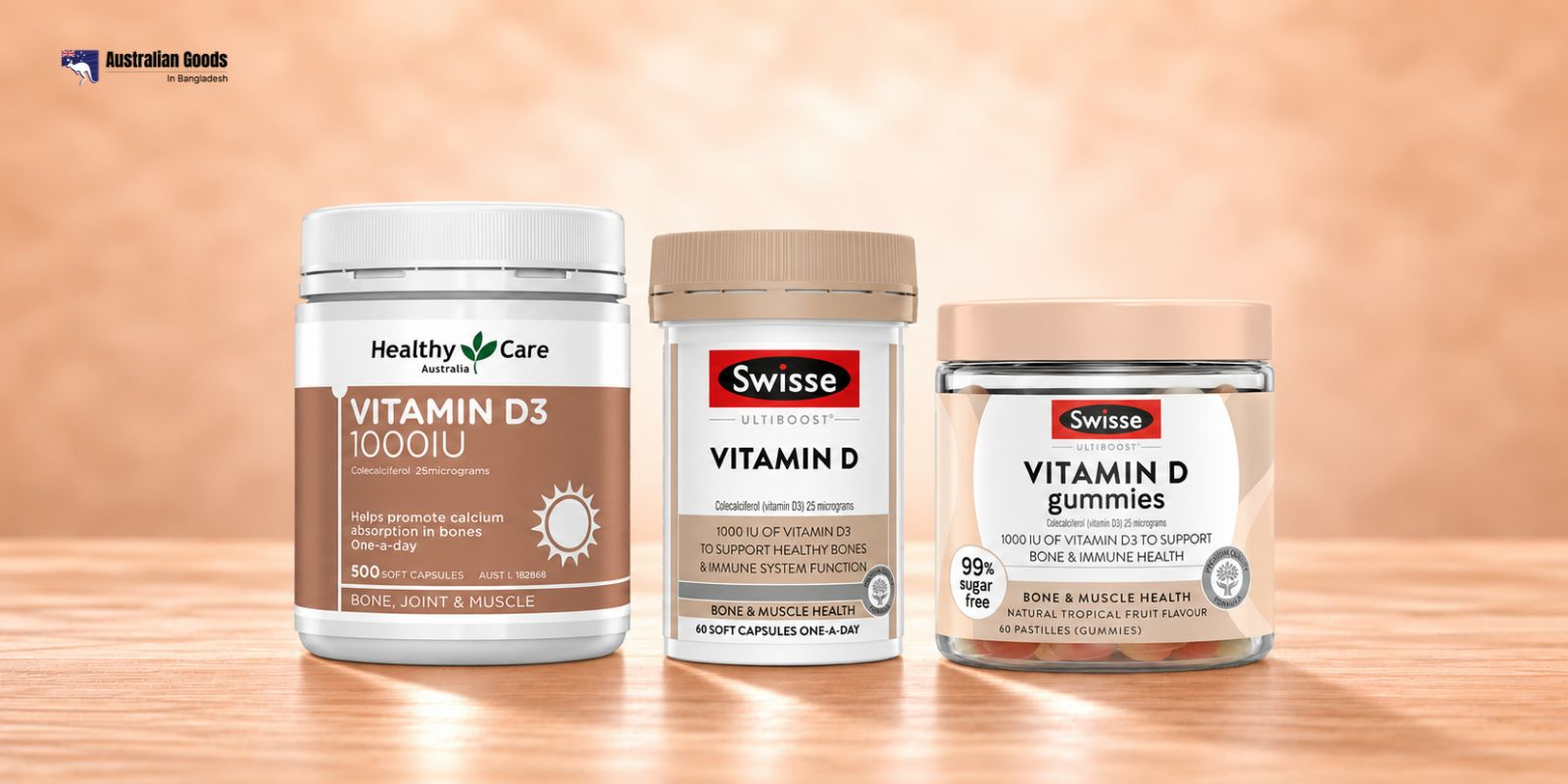
1) The Daily Standard: Healthy Care Vitamin D3 1000IU
Best For: Daily maintenance for adults and seniors.
This is the most practical choice for consistent use. 1000IU is the safe daily maintenance dose recommended by most health authorities. It comes in a value pack (often 250+ capsules), making it affordable for the whole family.
- Key Feature: Small, easy-to-swallow softgel.
- Dosage: 1 capsule daily with a main meal (fat improves absorption).
"The Sunshine in a Bottle. Just one small capsule covers the gap left by your indoor lifestyle. Simple, affordable, essential."

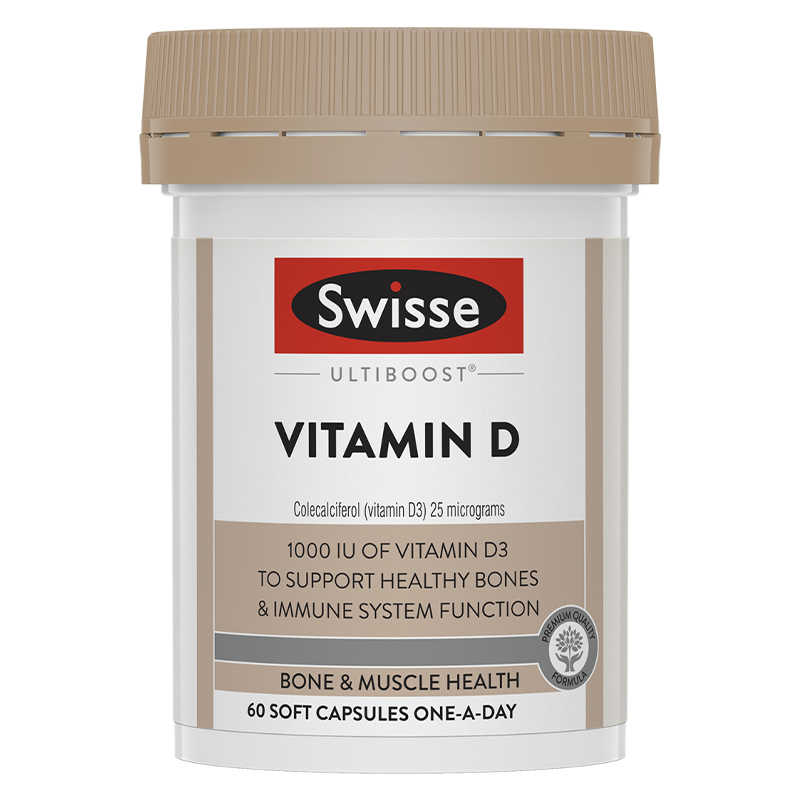
2) The Premium Choice: Swisse Ultiboost Vitamin D
Best For: People with known deficiency or bone pain.
Swisse is known for its rigorous testing and premium sourcing. This formula provides natural, bio-available Vitamin D3 derived from lanolin. It is designed to support not just immunity, but also calcium absorption for stronger teeth and bones.
- Why it wins: Trusted TGA-approved formulation for reliable potency.
- Dosage: 1 capsule daily.
"Feel the difference in your energy. The premium choice for those who don't compromise on quality."
3) For Pill-Haters: Swisse Vitamin D Gummies
Best For: Adults or older kids who dislike swallowing capsules.
If you forget to take your vitamins because you hate the experience, switch to gummies. These offer the same Vitamin D3 benefit in a tasty, chewable format. Consistency matters more than perfection.
- Key Feature: 99% Sugar-Free. No artificial colors.
- Dosage: 1-2 gummies daily.
"Immunity that tastes like a treat. You'll actually look forward to taking your daily defense."

How to Get D Naturally: The "10 AM Rule"
If you want to get Vitamin D from the sun in Bangladesh, timing is everything.
- The Time: 10:00 AM to 2:00 PM. (Early morning sun has weak UVB rays).
- The Duration: 15-20 minutes.
- The Method: Direct sun on skin. No glass windows (glass blocks UVB). No sunscreen. Expose arms and legs if possible.
Warning: If you cannot do this daily due to work or dress codes, supplementation is mandatory to maintain levels.
Quick Comparison: Which Form Do You Need?
Frequently Asked Questions (FAQs)
1. Can I get enough Vitamin D from food?
Very difficult. You would need to eat 10 eggs or 1kg of fatty fish every day to get 1000IU. Fortified milk helps, but supplements are the most reliable source.
2. Can I take Vitamin D with Calcium?
Yes! In fact, you should. Vitamin D helps your body absorb calcium. Without D, calcium supplements are less effective. See our Calcium Guide for combos.
3. Is 1000 IU safe daily?
Yes, 1000 IU is the standard daily maintenance dose for adults. Doses above 4000 IU should only be taken under doctor supervision to avoid toxicity.
4. When will I feel the difference?
Vitamin D levels rise slowly. It can take 2-3 months of daily supplementation to correct a deficiency and feel full energy benefits.
Activate Your Immune System
Don't leave your defenses asleep. Explore our complete range of immunity-boosting minerals and vitamins tailored for Bangladesh.
Explore Related Topics:
References & Scientific Sources
The information in this guide regarding Vitamin D's role in immunity is based on global medical research and TGA standards.
- National Institutes of Health (NIH) – Vitamin D Fact Sheet
- NIH Study: Vitamin D and the Immune System
- Harvard Public Health – The Nutrition Source: Vitamin D
- Therapeutic Goods Administration (TGA) Australia
Medical Disclaimer
The information provided in this blog post is for general informational purposes only and does not constitute medical advice. It is not intended to diagnose, treat, cure, or prevent any disease. Always consult with a qualified healthcare professional before starting any new supplement regimen. Australian Goods Bangladesh is a retailer of health products and not a medical service provider.