Vitamin A Deficiency: Signs, Risk Factors and When to Seek Help
Trouble seeing in dim light can be a sign of vitamin A deficiency, but symptoms alone cannot confirm it. This guide explains the warning signs, who may be at risk, how assessment works, and why children and pregnancy need particular care.
Quick Answer
Vitamin A deficiency can affect vision, the eye surface and immune function. Difficulty seeing in dim light is a recognised early sign, while severe deficiency can damage sight. Risk increases with inadequate diets and conditions affecting absorption. Seek professional assessment for new night-vision problems; sudden vision loss needs urgent care. Do not diagnose yourself or use high-dose vitamin A without clinical guidance.
Key Takeaways
- New difficulty seeing in dim light needs assessment; it does not by itself prove vitamin A deficiency.
- Diet, absorption problems and illness can all matter, so treatment must address the cause.
- Children and pregnancy require professional dosing decisions; extra retinol can be harmful.
When a familiar room becomes difficult to navigate after the lights are dimmed, it is easy to blame tiredness or ageing. A new change in night vision deserves more attention than that. Vitamin A deficiency is one possible cause, but it is not the only one.
The useful question is not simply whether a symptom appears on a vitamin checklist. It is what changed, what might explain it, and how quickly it needs assessment. Getting that distinction right can prevent a treatable problem from being overlooked.
What vitamin A deficiency means for the eyes
Vitamin A deficiency means the body's available vitamin A is insufficient for its needs. Vitamin A is involved in normal vision and the health of several tissues. The body stores it, so one day without a particular food does not create deficiency. Longer-term intake, absorption and health conditions are more relevant.
The World Health Organization's overview describes a spectrum of eye changes called xerophthalmia, ranging from night blindness to serious damage at the front of the eye. Recognising a possible problem early matters, especially in a child.
Eye changes that deserve attention
Difficulty finding your way at dusk
This may be noticed when moving around at dusk, entering a poorly lit room or doing a familiar task in low light. A parent may notice a child becoming unusually hesitant after sunset. Record the change and arrange assessment; do not ask a child to prove the problem by walking in darkness.
Dryness or unusual patches on the eye surface
Severe deficiency can cause dryness and other visible eye-surface changes, including foamy-looking patches known as Bitot spots. These need a clinician's examination. Do not try to identify a patch from internet photographs or scrape, rub or apply a home remedy to it.
Why skin changes and infections cannot diagnose deficiency
Poor growth, repeated infections or dry skin may occur alongside nutritional problems, but each has many possible causes. They are not a reliable home test for vitamin A deficiency. The same applies to ordinary tiredness or screen-related discomfort.
WHO identifies young children and pregnant women in settings with inadequate nutrition as particularly vulnerable to the consequences of deficiency. That population-level concern does not mean every individual in Bangladesh needs an extra supplement.
How urgently should a vision change be assessed?
| What is happening? | What to do |
|---|---|
| Sudden loss of sight, severe eye pain or a rapidly worsening visual problem | Seek urgent medical or eye-emergency care now. Do not wait to see whether vitamins help. |
| New difficulty seeing at night or in dim light | Arrange a prompt eye assessment, and avoid unsafe driving or activities. |
| A child has suspected night blindness, an unusual eye-surface patch or other vision changes | Contact a paediatric or eye-care service promptly; visible eye changes warrant urgent assessment. |
| A restricted diet or digestive problem without eye symptoms | Book a routine clinical or dietetic review to assess the wider nutritional risk. |
The NHS guidance on vision loss supports urgent care for sudden loss of vision. In Bangladesh, use an appropriate local emergency department or eye hospital. If you cannot see safely, ask someone to accompany you rather than driving yourself.
Low intake is only one route to deficiency
A persistently limited diet is one route. For example, someone may eat enough rice to feel full but have little variety over many months. Food insecurity, illness, difficulty feeding or a very narrow range of accepted foods can all make it harder to obtain enough nutrients.
Absorption is another route. Vitamin A is fat soluble, and some intestinal, pancreatic or bile-related conditions can interfere with its absorption. Liver disease can affect vitamin A handling. A person may therefore need assessment even when their shopping list appears varied.
The MSD Manual's clinical overview describes dietary shortage and absorption or liver disorders as causes. Mention chronic diarrhoea, previous digestive surgery and diagnosed gastrointestinal disease at an appointment.
Do not interpret a risk factor as a diagnosis. It is a reason to ask a more focused question and, when appropriate, investigate. Conversely, do not dismiss symptoms just because you eat carrots or take a multivitamin.
What the eye examination and blood tests can tell you
A clinician may review symptoms, examine the eyes, ask about diet and medicines, and request blood tests when appropriate. Serum retinol is one possible measurement, but it is not a perfect standalone indicator: infection can affect it, and a result does not always reflect body stores simply.
The NIH fact sheet explains these limitations. Avoid treating a laboratory reference range found online as a diagnosis. The result needs interpretation alongside the clinical picture and, sometimes, other investigations.
It can help to bring a short food record covering several ordinary days. Include meals, snacks and drinks rather than writing an ideal version of your diet. Take photographs of supplement labels, and note any recent illness, weight change or difficulty eating. This gives the appointment something concrete to work with.
Treatment needs a diagnosis and a dosing plan
Treatment depends on the person's age, symptoms, pregnancy status and underlying cause. A clinician may use vitamin A replacement and address the dietary or absorption problem at the same time. A general retail supplement may not provide the appropriate treatment, and taking several products can create a new problem.
Ask what the treatment is intended to achieve, when it should be reviewed, and which symptoms should trigger earlier contact. Keep a written record of the product, dose and dates. If another health worker becomes involved, show that record rather than relying on memory.
Early problems may improve with appropriate care, but established eye damage is not always reversible. That is why a “try a bottle first” approach is unsuitable for a new visual symptom.
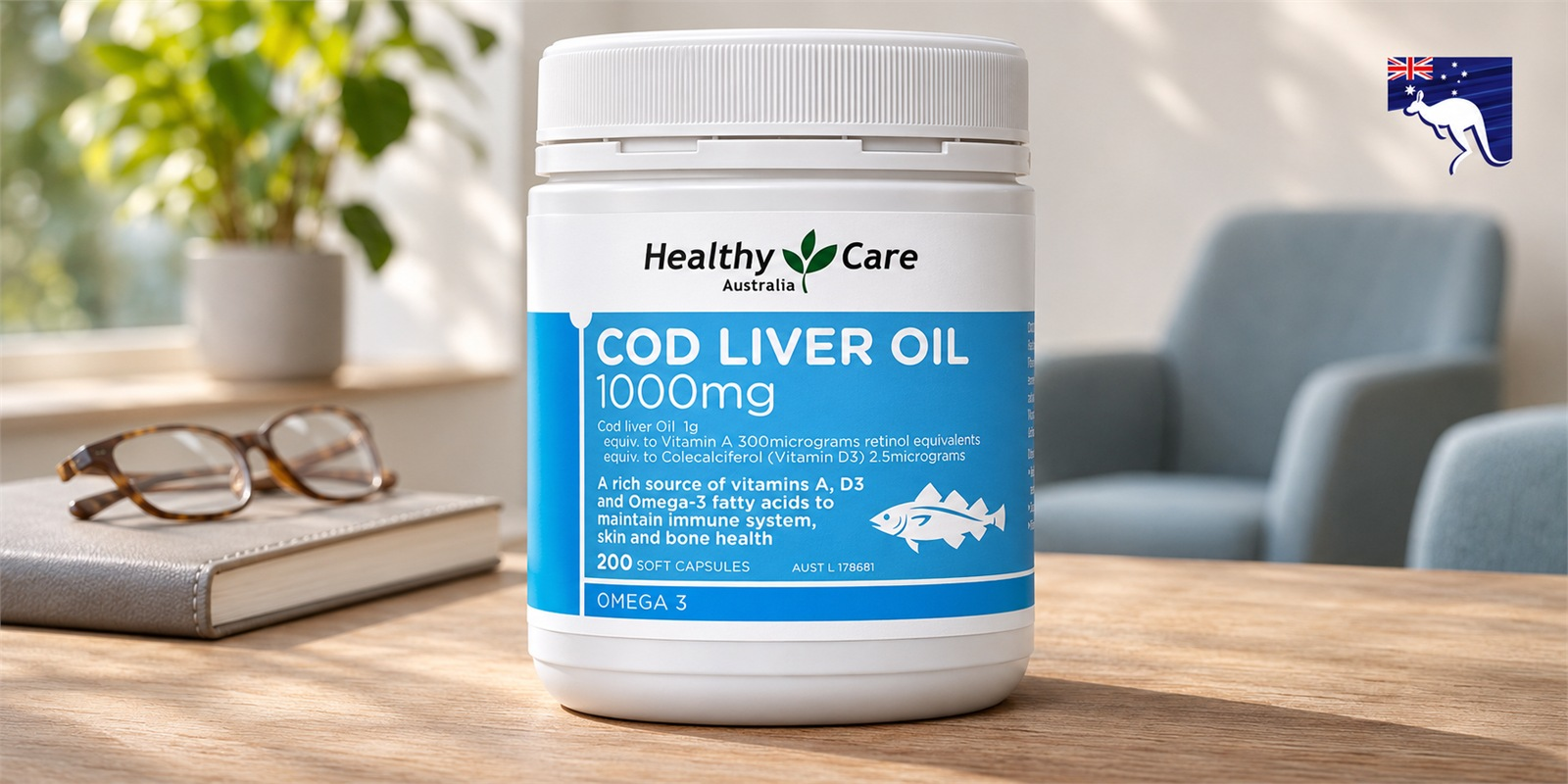
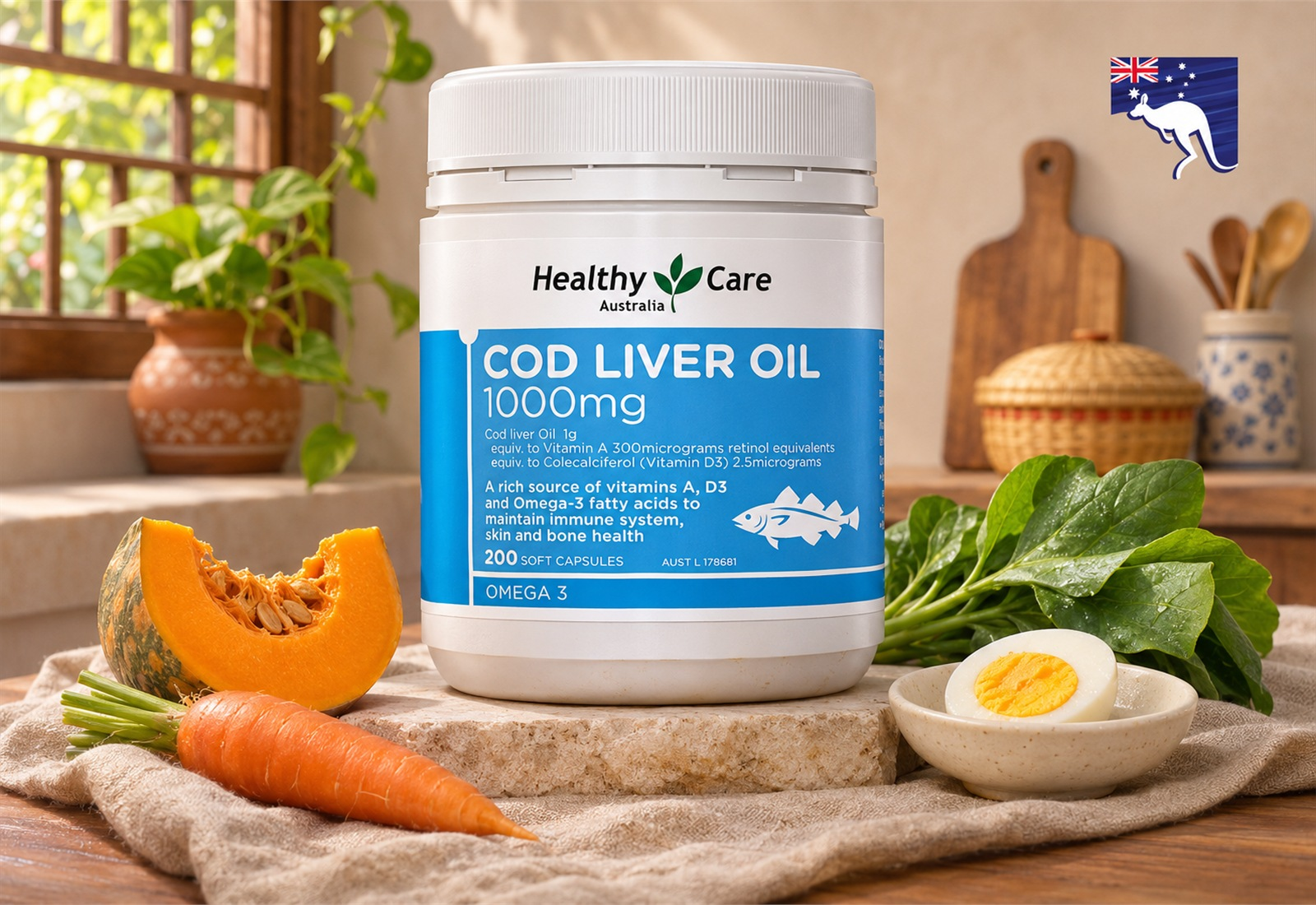
A retail label can illustrate what a supplement contains, but it cannot set a deficiency-treatment dose. The cod liver oil listing below is a label example, not treatment for new vision changes. Obtain clinical assessment first, avoid combining vitamin A products, and do not use cod liver oil during pregnancy without appropriate medical advice.
Healthy Care Cod Liver Oil 1000mg
Healthy Care Cod Liver Oil 1000mg provides nutritional support for immune, skin and bone health through vitamins A and D3. Each soft capsule supplies cod liver oil 1,000 mg, vitami...
Keep children’s programme doses separate from adult products
WHO recommends organised supplementation for children aged 6–59 months in settings where deficiency is a public-health problem. These programmes use defined eligibility and dosing schedules. They should not be copied by dividing adult capsules or repeating a dose after an uncertain interval.
Ask your local health centre about current programme arrangements and bring the child's health record. Tell the health worker when a previous dose was given. If a child has symptoms, do not wait for the next campaign date; preventive programmes and treatment of illness serve different purposes.
Pregnancy: avoid treating night-vision changes yourself
Pregnancy is a reason to take nutritional concerns seriously, but also a reason to avoid self-treatment. Excess preformed vitamin A can harm fetal development. NHS pregnancy advice warns against retinol-containing supplements and cod liver oil, and advises avoiding liver.
If you are pregnant and struggling to see in dim light, contact your antenatal clinician promptly. Bring the prenatal and other supplement labels. Do not stop ordinary vegetables or replace a prescribed pregnancy plan with a high-dose vitamin A product.
Everyday meals can support, but not replace, care
For everyday meals, varied leafy greens, orange-fleshed vegetables and suitable fruit can provide provitamin A carotenoids. Eggs and dairy may contribute if included in your diet. Choose changes that fit your budget, cooking routine and any medical dietary advice.
For practical food choices once those clinical priorities are clear, this Bangladesh guide explains familiar vitamin A sources and the difference between carotenoids and preformed vitamin A.
Food improvements are worthwhile, but they should happen alongside assessment when symptoms suggest a problem. Keep the appointment, bring your symptom notes and supplement labels, and ask how food changes fit with the treatment or follow-up you have been given.