Vitamin A Rich Foods in Bangladesh: What to Include in Your Diet
Vitamin A can come from familiar vegetables, fruit, eggs and dairy foods. Learn how plant and animal sources differ, build practical meals with local ingredients, and avoid the mistake of treating liver or high-dose supplements as an everyday necessity.
Quick Answer
Vitamin A rich foods in Bangladesh include carrots, orange-fleshed pumpkin and sweet potato, dark leafy greens, ripe mango and papaya, plus eggs and dairy foods. Plant foods provide carotenoids that the body can convert to vitamin A. Liver supplies concentrated preformed vitamin A but is unsuitable during pregnancy. A varied diet is preferable to routinely adding high-dose vitamin A supplements.
Key Takeaways
- Use both familiar vegetables and suitable animal or fortified foods to build variety.
- Orange-fleshed varieties matter; a food name alone does not establish its vitamin A content.
- Avoid liver and self-prescribed retinol or cod liver oil during pregnancy; check labels with a clinician.
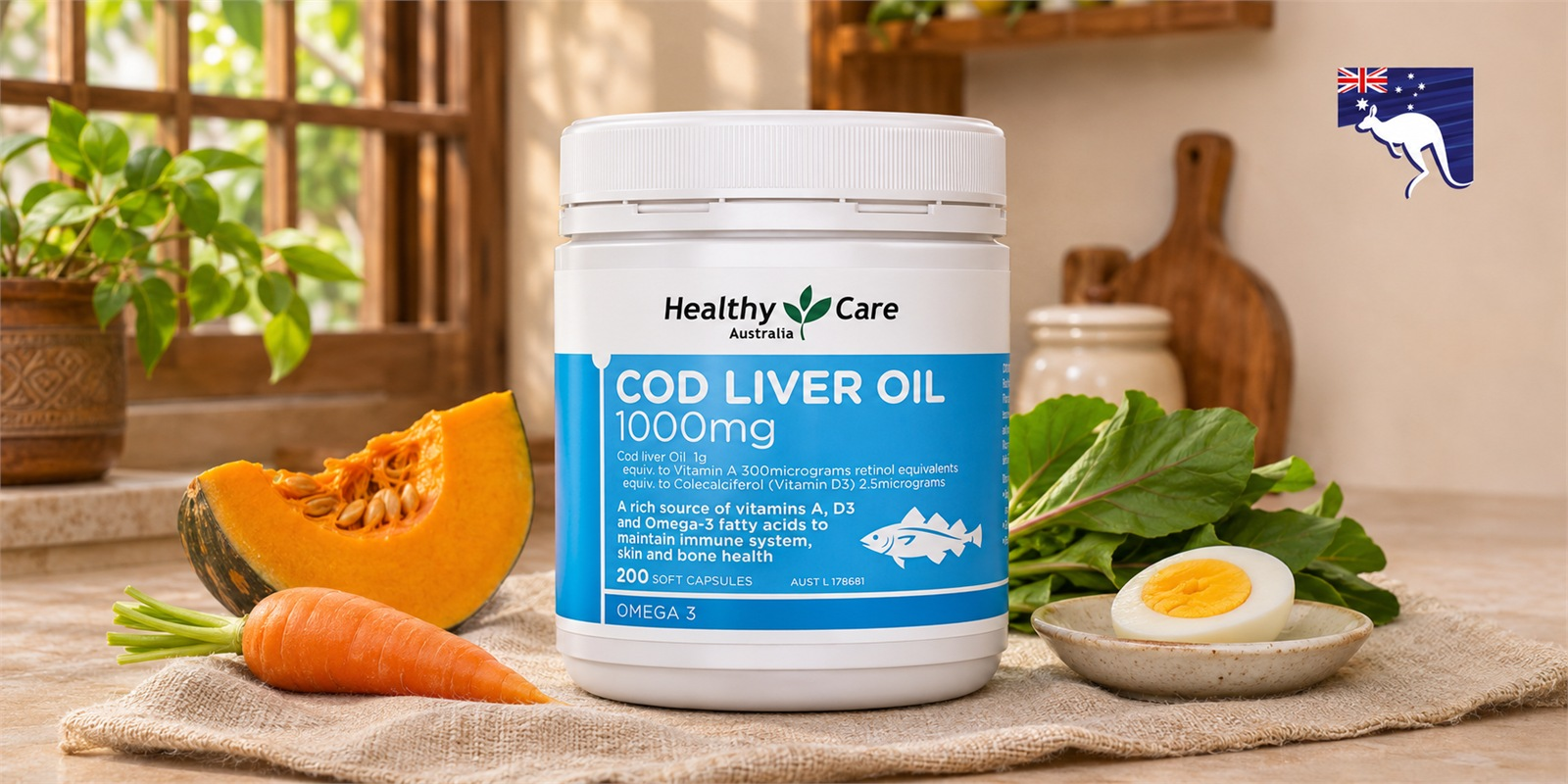
A spoonful of pumpkin in dal, a serving of palong shak and a piece of ripe papaya can all contribute to a more varied plate. Vitamin A does not have to begin with a special health-food purchase.
There are many vitamin A rich foods in Bangladesh, but they do not all provide the same form or amount. Knowing the difference helps you make useful daily choices and avoid assuming that the most concentrated source is always the best one.
Retinol and carotenoids: two ways foods provide vitamin A
Animal foods such as eggs, dairy and liver contain preformed vitamin A, including retinol. Some plant foods supply provitamin A carotenoids, such as beta-carotene, which the body converts into vitamin A. These are related ways to meet a need, not identical ingredients.
Vitamin A contributes to normal vision, immune function and growth. However, it is not a general cure for tired eyes or frequent illness. The NIH vitamin A fact sheet explains its functions and the distinction between preformed vitamin A and provitamin A carotenoids.
Vitamin A choices at a Bangladeshi market
| Food choice | How it contributes | Easy use |
|---|---|---|
| Carrots | Provide beta-carotene. | Add to mixed vegetables, soup or khichuri. |
| Orange-fleshed pumpkin | Contributes provitamin A carotenoids. | Cook with dal or serve as a vegetable dish. |
| Orange-fleshed sweet potato | A useful carotenoid source; pale varieties differ. | Boil, steam or roast as part of a meal. |
| Dark leafy greens, including palong shak | Supply carotenoids alongside other nutrients. | Serve cooked greens with rice and dal. |
| Ripe mango and papaya | Provide provitamin A carotenoids. | Serve ordinary portions of whole fruit. |
| Eggs, milk and yoghurt | Can contribute preformed vitamin A. | Include according to preference and tolerance. |
| Foods labelled as vitamin A fortified | Contain added vitamin A when declared. | Check the actual nutrition label and serving size. |
The NHS vitamin A guide identifies leafy vegetables, carrots, sweet potatoes, mango and papaya among relevant sources. Food variety, ripeness and preparation affect nutrient content, so this table deliberately avoids unsupported microgram claims for local market produce.
Does every pumpkin or sweet potato supply the same vitamin A?
No. The name of a crop can cover varieties with different flesh colours and nutrient profiles. Orange-fleshed sweet potato is a more useful choice for this particular purpose than assuming all sweet potatoes are interchangeable. Similar caution applies when comparing different pumpkin varieties.
Colour is a practical shopping clue, not a guarantee of a precise dose. Keep a variety of vegetables in the weekly menu rather than relying on one fruit or one seasonal crop to cover every nutritional need. If a label or recipe gives a nutrient figure, check which variety and portion it describes.
Fit vitamin A foods into the meals you already cook
At breakfast: include an egg if you eat eggs, or plan a vegetable-containing meal later in the day. A breakfast does not need to supply every nutrient by itself. For people who use milk or yoghurt, choose an option that fits their tolerance and usual eating pattern.
At lunch: add pumpkin to dal, or serve a visible portion of greens beside rice and a protein food. If rice dominates the plate and vegetables are usually a garnish, changing that balance is a practical first step.
At dinner: use carrots and pumpkin in a mixed vegetable dish or khichuri. Select ingredients your household will actually eat. A familiar preparation can make a new vegetable easier to accept than presenting it as a compulsory health food.
For fruit: use ripe papaya or mango in season, in portions appropriate to your overall diet. Whole fruit is generally easier to fit into a balanced eating pattern than a sweetened “vitamin” drink.
Cooking can help you use carotenoids
Vegetables do not have to be raw to be useful. Cooking and breaking down plant tissues can make carotenoids easier to access. Some fat in the meal helps absorption, so vegetables prepared with a modest amount of cooking oil can fit well.
This is not a reason to add extra oil to every dish. A meal may already contain fat from its normal ingredients. Choose a preparation you enjoy, avoid unnecessary deep-frying, and use safe handling and storage practices. The MSD Manual's vitamin A information discusses food preparation and carotenoid absorption.
Why liver and cod liver oil need extra thought
Liver can supply large amounts of preformed vitamin A. That makes it a food to consider carefully, not an everyday shortcut. Regular liver consumption combined with a multivitamin or cod liver oil can create overlap that is easy to overlook.
During pregnancy, avoid liver and liver products, and do not self-prescribe supplements containing retinol or cod liver oil. The NHS pregnancy supplement guidance gives this warning because excessive vitamin A can harm fetal development. Ask your antenatal clinician to check the specific prenatal product you use.
Normal servings of carotenoid-containing vegetables are a different situation from concentrated retinol supplements. Do not remove nutritious vegetables from a pregnancy diet because you have heard that “vitamin A is dangerous.” The form, amount and clinical context matter.
Match vitamin A on the label to your actual need
Read the nutrient amount, the daily serving and the form of vitamin A. Then check every other product you take, including multivitamins and fish liver oils. A large milligram number for an oil is not the same as its vitamin A content.
A label comparison is useful only when it answers a specific need. If you already eat varied meals and have no identified reason for supplementation, “more” is not automatically useful. If a clinician recommends a product, follow their plan and keep the diet varied alongside it.
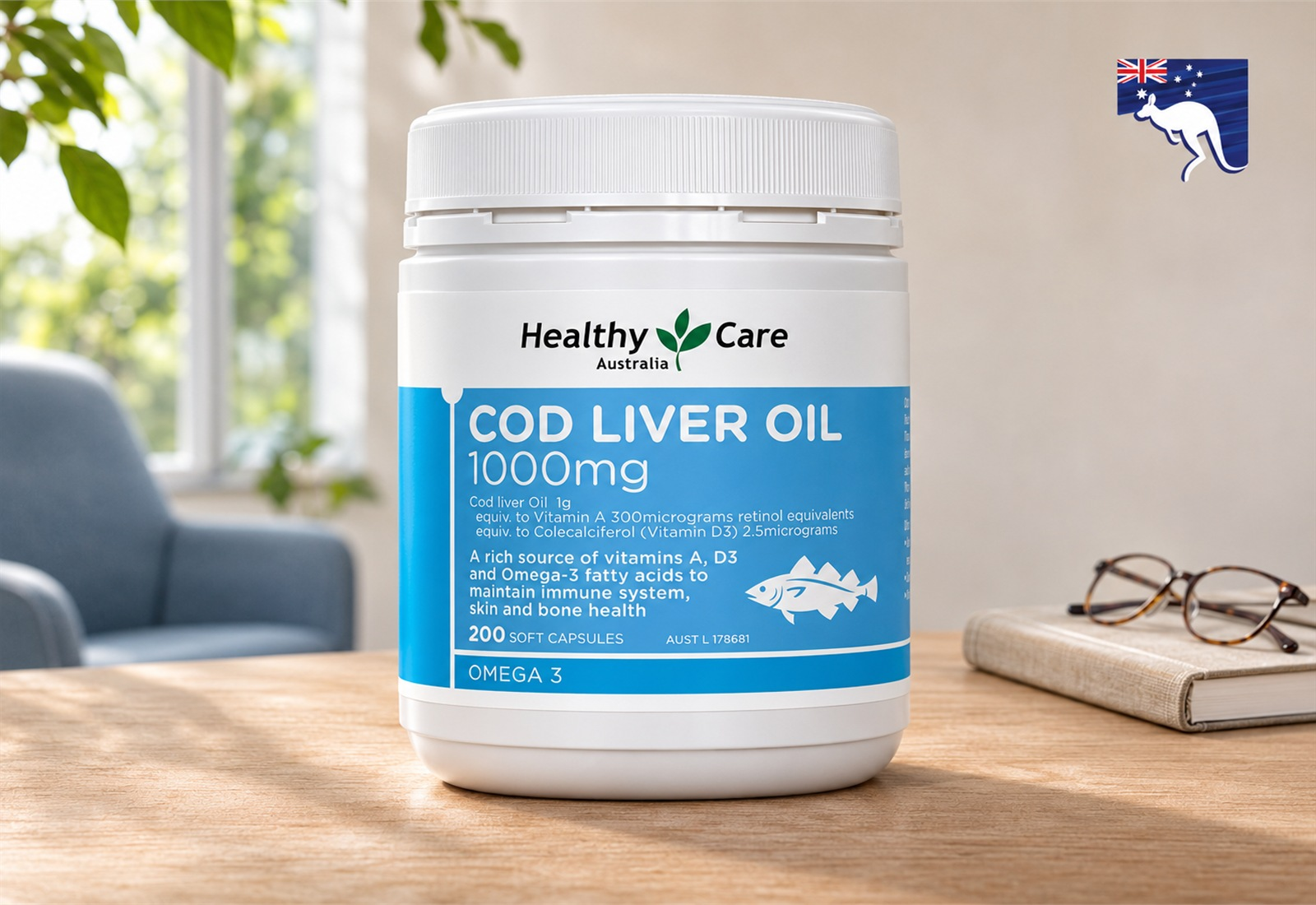
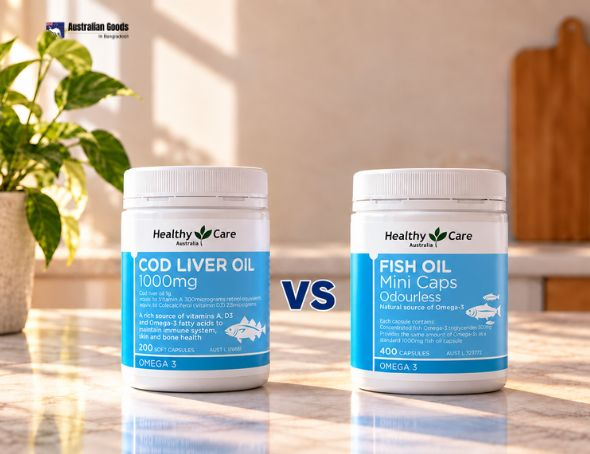
Cod liver oil is one example of a product that contributes preformed vitamin A. Use this listing to check its vitamin A amount separately from the oil weight, not as a reason to combine it with a multivitamin. The pregnancy precautions above still apply.
Healthy Care Cod Liver Oil 1000mg
Healthy Care Cod Liver Oil 1000mg provides nutritional support for immune, skin and bone health through vitamins A and D3. Each soft capsule supplies cod liver oil 1,000 mg, vitami...
When to discuss diet or vision changes with a clinician
Someone eating a very restricted diet, struggling to obtain enough food or living with a condition that affects absorption may need an individual assessment. Simply adding another carrot may not address an underlying digestive problem or a broader nutritional shortage.
For young children, ask the local health service about the current vitamin A programme and eligibility. The WHO recommendation for children concerns organised supplementation in settings where deficiency is a public-health problem. It should not be copied into a home dosing schedule using an adult supplement.
New difficulty seeing in dim light, eye-surface changes or concerns about a child's vision need medical attention. Do not wait for a food plan to prove whether a deficiency is present.
If symptoms are the reason you are reading a food guide, follow the vitamin A deficiency guide below for the distinctions between risk factors, warning signs and the need for assessment.