Omega-3 for Dry Eyes and Eye Health: What the Evidence Shows
Dry, gritty eyes after a long screen session can make an “eye health” supplement sound appealing. Here is what omega-3 research actually shows, how retinal nutrition differs from dry-eye treatment, and what to check before buying fish oil in Bangladesh.
Quick Answer
Omega-3 is important for normal eye biology, but fish-oil supplements are not a proven cure for dry eyes. Research is mixed, and major trials found no clear advantage over comparison oils. Persistent symptoms need an eye assessment; supplements should not replace appropriate eye drops, eyelid care or treatment of the underlying cause.
Key Takeaways
- DHA's role in the retina does not prove that extra fish oil will relieve dry-eye symptoms or improve eyesight.
- The DREAM trial and a newer meibomian-gland trial did not show a clear symptom advantage; broader review findings remain inconsistent.
- Address symptoms and everyday triggers first, then discuss any supplement trial and its label with an eye-care professional.
Eye nutrition and dry-eye treatment are different questions
DHA is a component of cell membranes and is particularly concentrated in the retina, the light-sensitive tissue at the back of the eye. The NIH Office of Dietary Supplements describes this nutritional role. It does not mean that taking additional DHA will correct every eye problem.

Dry eye primarily concerns the tear film and the surface of the eye. According to the National Eye Institute, it can occur when there are too few tears or tears do not work properly. An eye examination can assess tear production, tear stability and the eyelids.
“Supports eye health” on a label does not establish a dry-eye treatment or a way to restore lost vision.
What the main omega-3 studies found
The 2018 DREAM trial enrolled 535 people with moderate to severe dry eye. It compared a daily fish-derived EPA/DHA supplement with an olive-oil placebo over a year. Participants could continue their existing dry-eye treatments. Symptoms improved in both groups, but the fish-oil group did not improve significantly more. The trial's high dose is research information, not a suggested self-treatment regimen.
A 2024 randomized trial studied 132 people with dry eye associated with meibomian gland dysfunction. These eyelid glands help supply the oily part of tears. A re-esterified triglyceride omega-3 formulation was not superior to grape-seed oil for the main symptom outcome at six or twelve weeks.
The Cochrane review of 34 trials found inconsistent results and low to moderate confidence in the evidence. Some comparisons favoured omega-3, including alongside standard care, while placebo comparisons suggested little or no symptom benefit. Studies differed in formulation, comparison treatment and patient characteristics.
These findings support a cautious answer: a benefit for some circumstances remains possible, but a dependable response cannot be promised. They do not justify calling every fish-oil product ineffective for every person, nor marketing a particular retail brand as a proven dry-eye solution.
What to do about uncomfortable eyes in Bangladesh
During office work, online classes or evening phone use, notice when symptoms appear. A simple note about screen time, contact lenses, air-conditioning and medicines can make an eye appointment more useful. Grittiness alone cannot establish the cause.
- Take regular breaks from continuous screen viewing and remember to blink fully.
- Move away from direct fan or air-conditioner airflow if it worsens discomfort. Protect your eyes from dust and smoke where possible.
- Ask an eye-care professional or pharmacist about suitable lubricating drops. Product choice matters, particularly with contact lenses.
- If eyelid care or warm compresses are advised, ask for a demonstration of the appropriate technique.
NHS dry-eye guidance recommends screen breaks and eyelid care, and identifies contact lenses, dusty environments and some medicines as possible contributors. Do not discontinue a prescribed medicine because you suspect it is causing dryness; discuss an alternative with the prescriber.
Persistent symptoms deserve an assessment rather than repeated supplement purchases. Seek prompt eye care for a painful red eye, particularly with contact lenses. Sudden vision loss or major visual changes require urgent medical attention.
If you still want to consider a fish-oil supplement
Discuss your aim first: improving dietary intake is different from testing whether symptoms change. If a clinician suggests a supplement trial, agree on the product, an appropriate review date and what would count as a worthwhile improvement. Keep following the eye-care plan.
Before ordering from a Bangladesh retailer:
- Read EPA and DHA separately. Check whether the amounts are per capsule or per daily serving. A large total fish-oil figure is not an eye-treatment dose.
- Check the whole formula. Fish oil, cod liver oil and multi-ingredient eye formulas are different products. Review any added vitamins and other supplements you already use.
- Review suitability. Show the label if you have a fish allergy, take medicines or are pregnant. Do not adopt a trial's high dose yourself.
- Check the actual stock. Request label photographs, batch and expiry details, and follow the manufacturer's storage conditions in Bangladesh's heat.
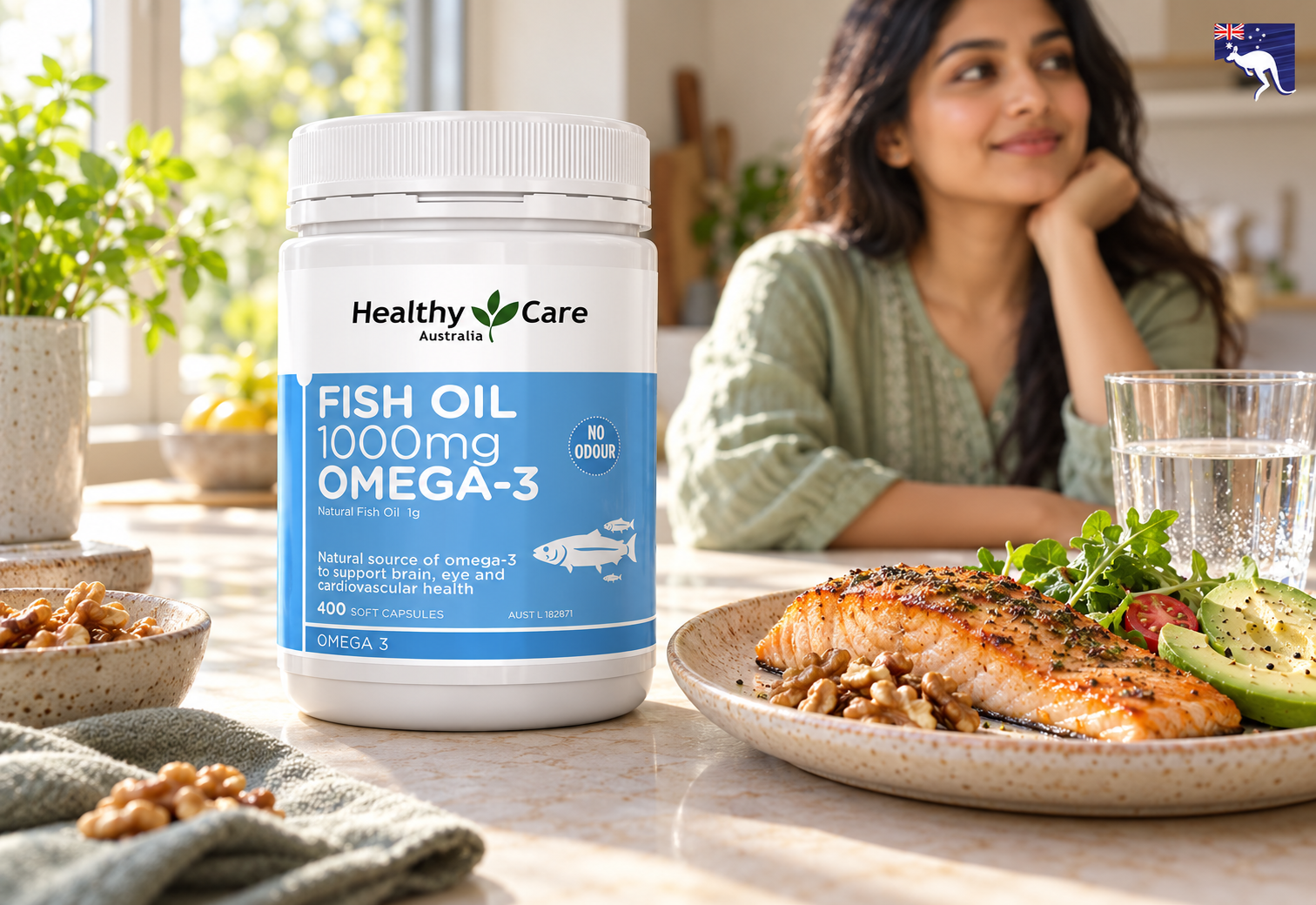
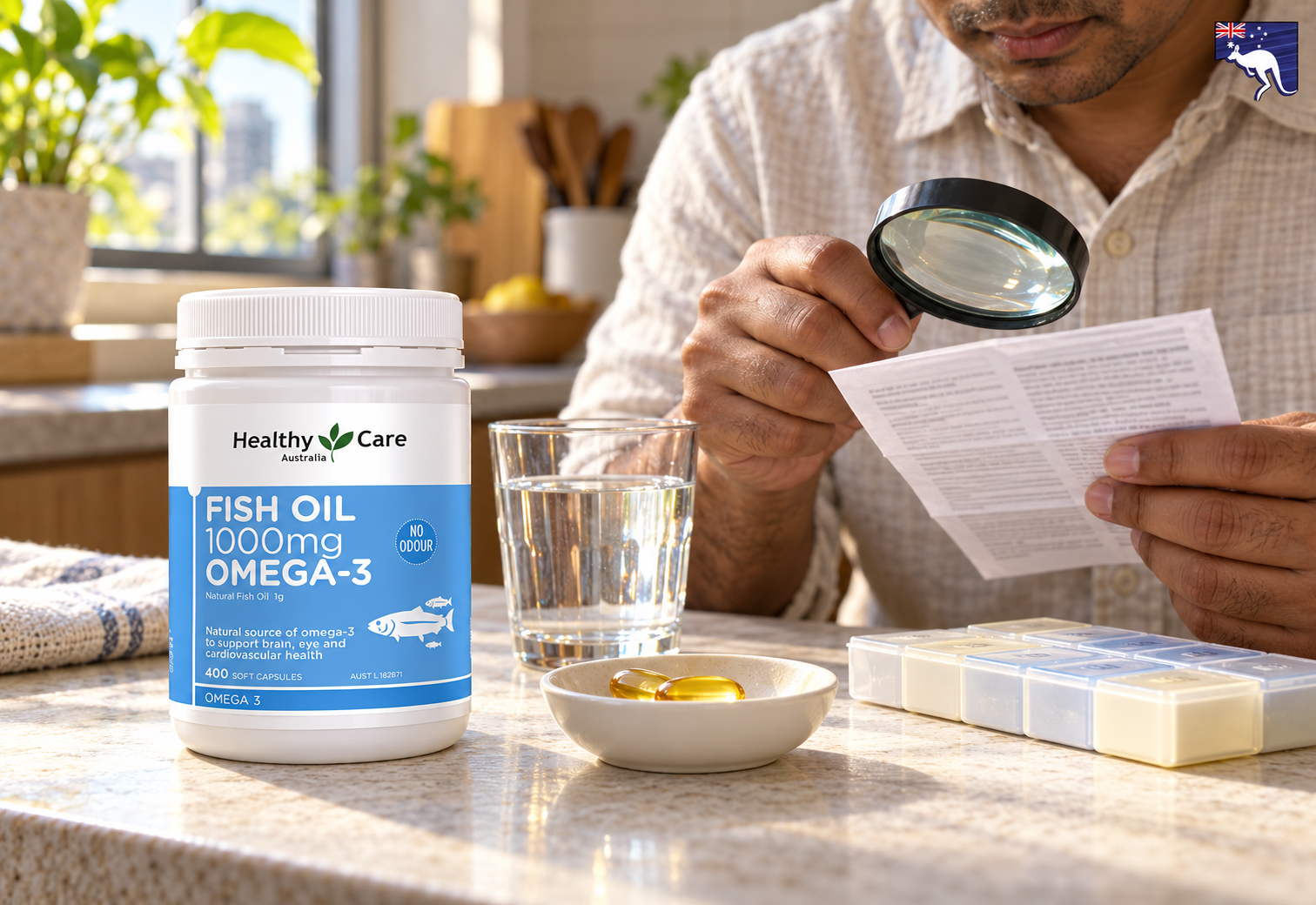
No product shown alongside this article has been established here as a superior dry-eye treatment. Price, concentration and a familiar brand can help compare purchases, but none predicts symptom relief.

Swisse Ultiboost Odourless 4 x Strength Wild Fish Oil Concentrate
Swisse Ultiboost Odourless 4 x Strength Wild Fish Oil Concentrate is a high-strength omega-3 supplement formulated to support heart, brain, eye and joint health. Each capsule provi...
Keep food in the picture
A balanced diet remains useful even when a supplement offers uncertain symptom benefit. Our guide to omega-3 food sources offers practical ways to consider intake. For capsule arithmetic, use the omega-3 label and dosage guide.
Buying more omega-3 should not delay finding out why your eyes are uncomfortable. A clear diagnosis gives everyday care and any nutritional decision a more useful starting point.