Bloating After Milk? Lactase vs Digestive Enzymes vs Probiotics
If milk tea or payesh leaves you bloated, the portion and ingredients can offer clues. See what lactase does, how to compare two real enzyme labels, and why a bowl of live-culture doi may sit differently from a glass of milk.
Quick Answer
Lactase breaks down lactose, the sugar in milk. Some enzyme blends also contain it. A probiotic capsule has a different purpose. If symptoms follow dairy, record what you ate and the portion. A smaller serving or lactose-free milk may be enough, and some people find lactase helpful with a dairy meal.
Key Takeaways
- Look for lactase or tilactase on the ingredient panel if milk sugar is the concern.
- Compare the enzyme activity per labelled serving and follow the directions on your own pack.
- Some people tolerate smaller dairy servings or live-culture yogurt. A milk allergy requires different care.
A splash of milk in tea feels fine, but a full glass leaves your stomach rumbling. How can both be true? With lactose intolerance, the amount of milk sugar you eat at one sitting matters. If you get bloating after milk, lactase is the enzyme that acts directly on that sugar. A digestive enzyme blend may contain it, while a probiotic capsule serves a different purpose.
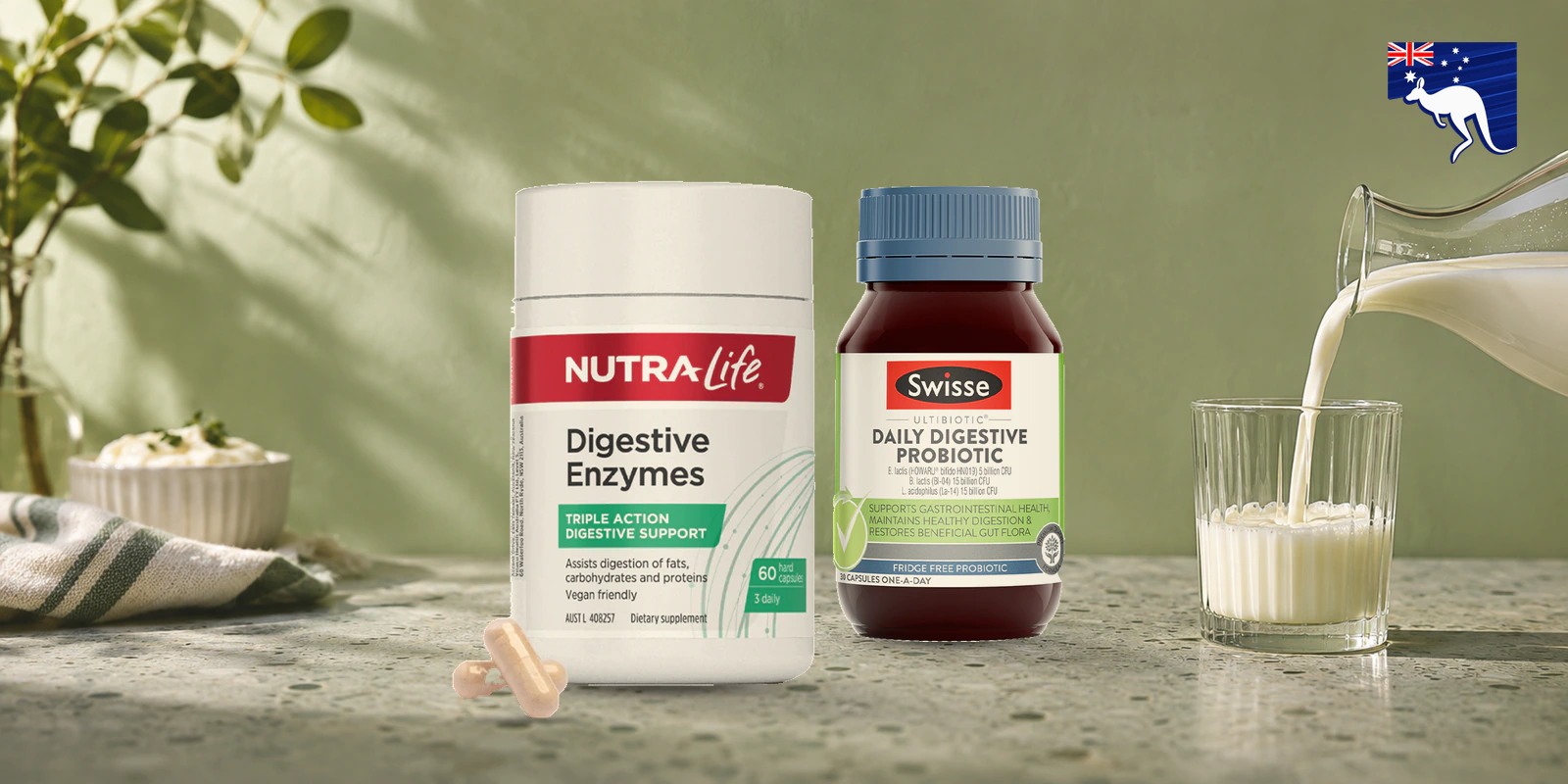
What does the pattern after dairy tell you?
Your small intestine makes lactase to break down lactose, the natural sugar in milk. When some lactose passes through undigested, bacteria in the large intestine ferment it. Gas, cramping and loose stools can follow within hours. How much lactose you had and how well you digest it can change what you feel from one meal to the next. How lactose intolerance causes symptoms.
Think back to your last few meals. Did a splash of milk in cha cause the same trouble as a bowl of payesh? Jot down the portions and when symptoms began, including on days without dairy.
Which product actually breaks down lactose?
- Lactase tablets or drops. Take a lactase tablet just before dairy or add drops to milk in advance, depending on the label. Check the directions before preparing the meal. NIDDK guidance on lactase.
- Digestive enzyme blends. Read the active ingredients. Amylase works on starch, protease on protein and lipase on fat. For milk sugar, look for lactase or tilactase. The words “digestive enzymes” on the front cannot tell you whether the blend includes it. Johns Hopkins guide to digestive enzymes.
- Probiotics. These provide live microorganisms. A strain studied for one purpose can have different effects from a closely related strain. A capsule’s bacterial count cannot tell you how well you’ll digest milk. NIH guide to probiotics.
How to compare two labels in Bangladesh
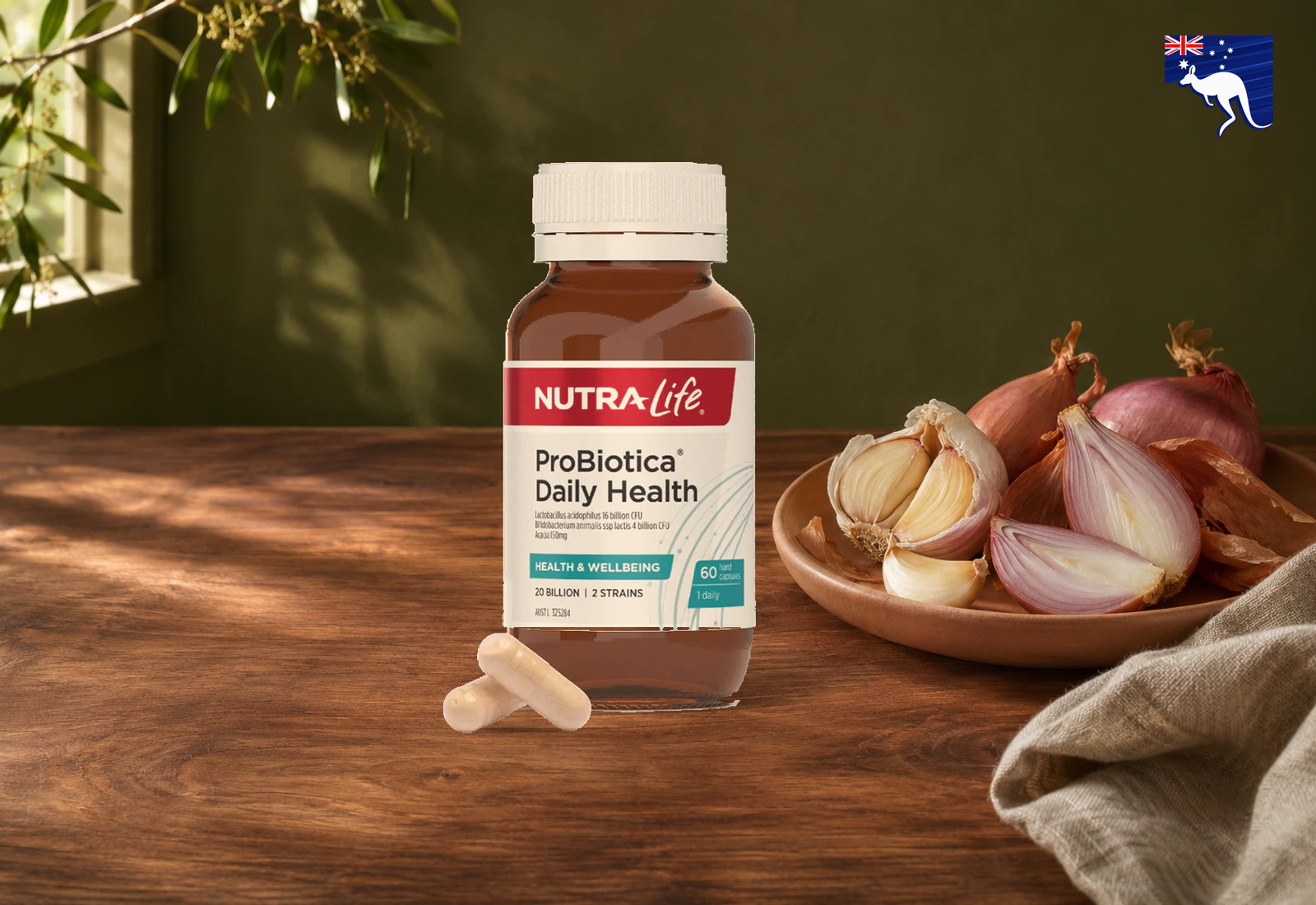
Take two products with similar names. Nutra-Life’s Australian Lactose Digest label lists 10,000 ALU of tilactase per chewable tablet. Its New Zealand Digestive Enzymes label lists 2,000 ALU of tilactase alongside other enzymes per capsule. ALU measures lactase activity. Compare activity per serving, and follow your own pack’s directions. Do not take extra capsules to match the chewable tablet. Lactose Digest label and Digestive Enzymes label.
Buying in Bangladesh? Compare the price in taka per labelled serving and read the warnings. The adult Lactose Digest chew carries an Australian label warning against use during pregnancy or breastfeeding. Ask for a clear photo of the pack if the listing is hard to read.

Nutra life Lactose Digest
Nutra life Lactose Digest: compare its formula, meal-time directions, pack value and Bangladesh price.
Can you keep milk or doi on the menu?
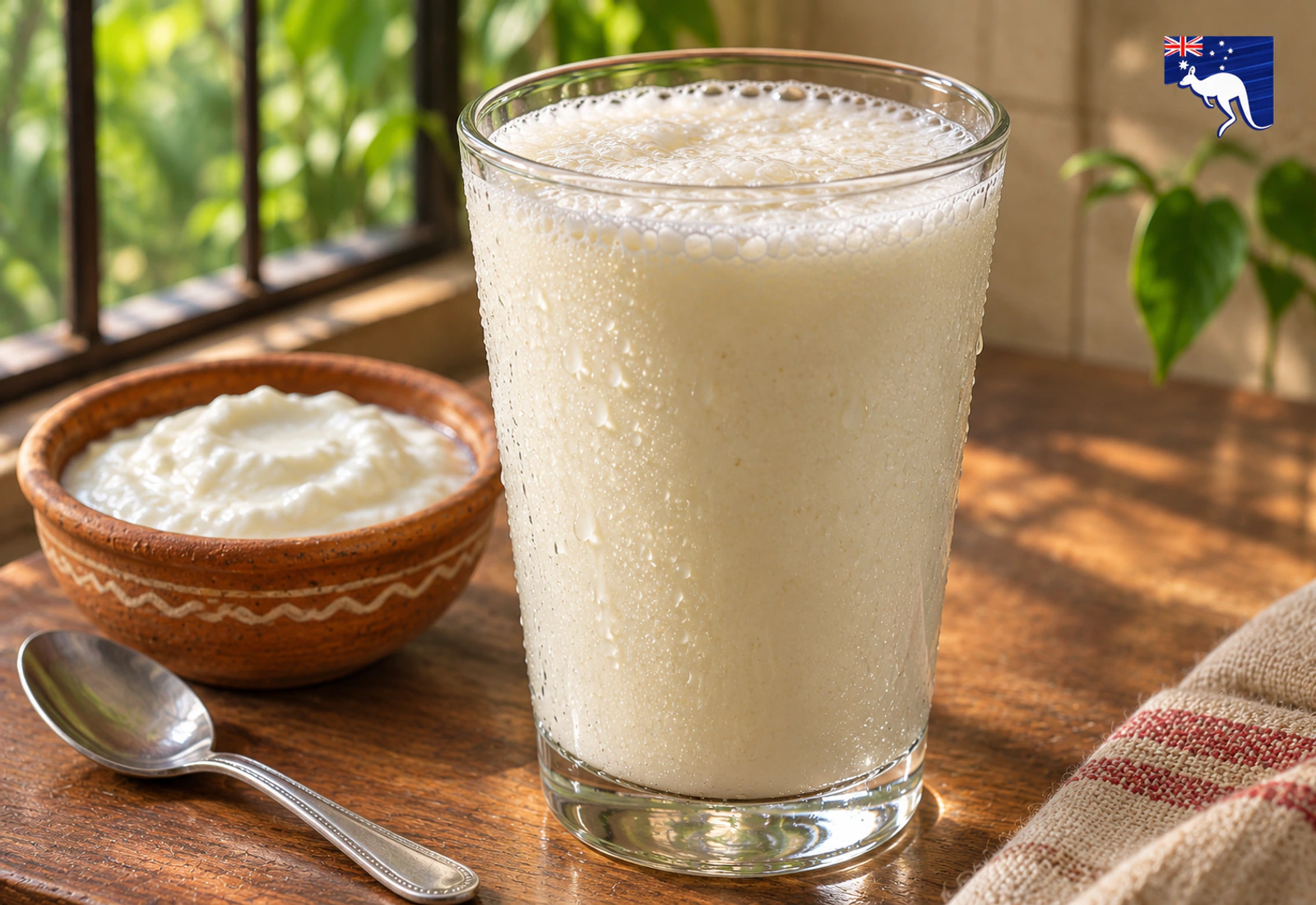
Many people can keep some dairy. A smaller serving with lunch or lactose-free milk in tea may suit you better than a glass of regular milk on its own. Plain doi (yogurt) with live starter cultures is another possibility. Certain live yogurt cultures help digest the lactose in the yogurt itself. That finding does not carry over to every fermented dessert or probiotic capsule. NIDDK dietary guidance and EFSA review of live yogurt cultures.
Cutting back on dairy? Look for calcium-fortified soy milk and check the calcium on the carton. Speak to a dietitian before removing dairy from a child’s diet.
Where can lactose turn up besides a glass of milk?
Check the biscuits you eat with tea, the creamer you stir into coffee and the powder you use for a post-workout shake. Depending on the recipe, any of them may contain milk powder, whey or milk solids. An instant tea mix made up with water can still contain milk from the powder. If you are trying to spot a pattern, keep the packet or take a photo of the ingredients. Record the amount you actually ate, too. Finding a milk ingredient tells you where to look, but your own tolerance will determine whether that portion bothers you. Foods that may contain lactose.
When should you get checked?
See a doctor if symptoms keep returning, happen without dairy, or come with weight loss or blood in your stool. A clinician may suggest a supervised change in diet or a hydrogen breath test. Milk allergy requires different care. Sudden swelling of the lips or tongue, wheezing or trouble breathing after milk needs emergency help. Lactose-free cow’s milk still contains milk proteins and is unsuitable for someone with a cow’s milk allergy. NHS guidance on lactose intolerance and allergy symptoms.