Probiotic Sachets vs Capsules: How to Choose the Right Form
A morning commute, a warm delivery van and a capsule that is hard to swallow can all change what works for you. Compare two Australian labels and learn how to check preparation, storage and cost per serving when buying probiotics in Bangladesh.
Quick Answer
Choose the probiotic strain for your purpose first. A sachet may suit someone who struggles to swallow capsules. A capsule usually takes less preparation. Compare the strain, amount per serving and storage instructions on both labels. If the powder needs mixing or the capsule must stay whole, choose the option you can use as directed.
Key Takeaways
- Compare strain and serving size before choosing a form.
- Read the mixing directions and storage limit on your own pack.
A sachet looks handy until you read that you need a glass of water and time to drink the mixture straight away. A capsule takes less preparation, but that counts for little if you find it hard to swallow. When comparing probiotic sachets vs capsules, start with what you want the probiotic to do. Once you narrow the choice to suitable products, the small details on the pack often settle the decision.
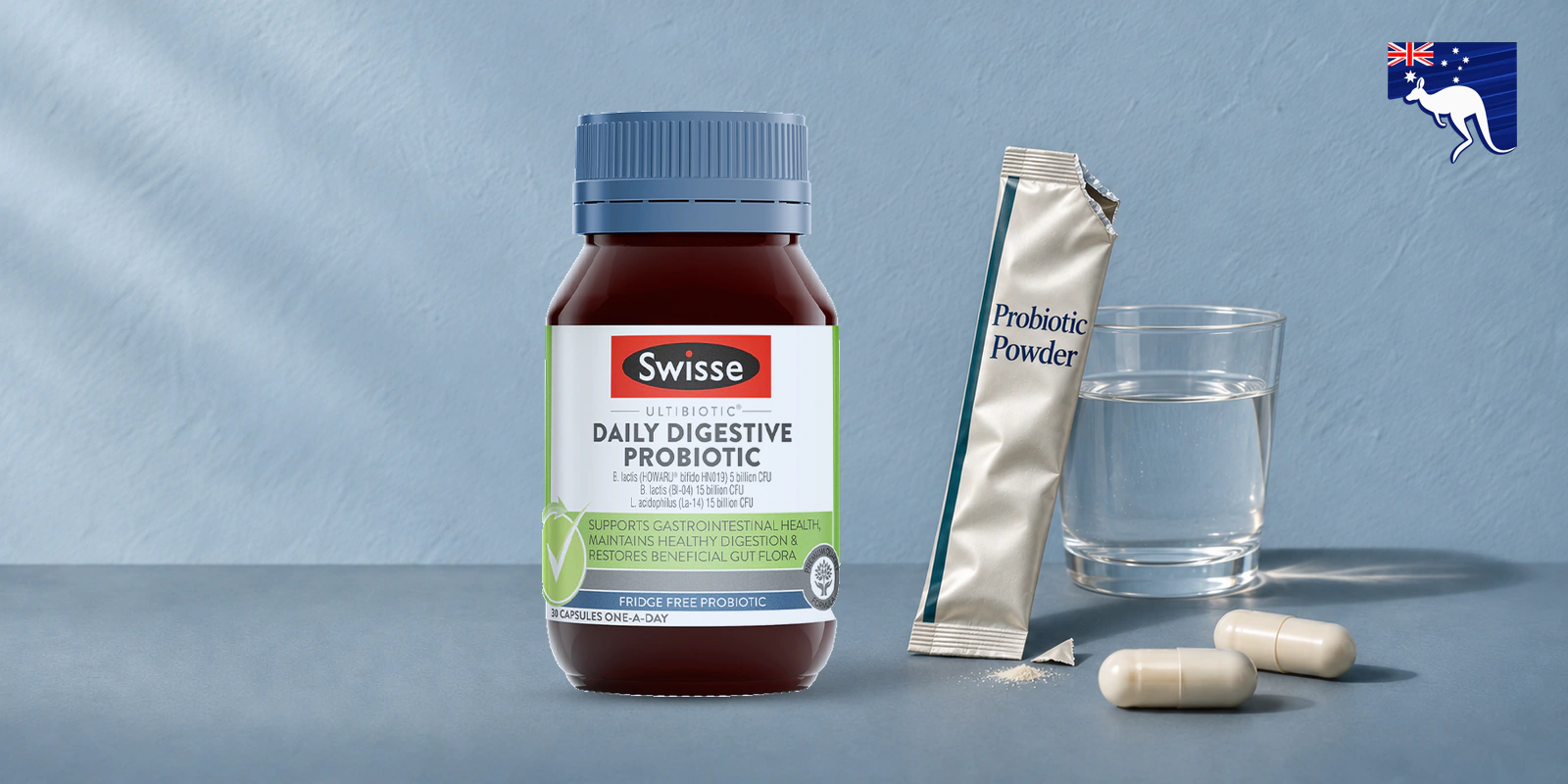
Probiotic sachets and capsules at a glance
| What matters to you? | Sachet | Capsule |
|---|---|---|
| Swallowing | Powder avoids a whole capsule. | Check size and whether it may be opened. |
| Preparation | Check what to mix it with and when to drink it. | Usually taken whole with water. |
| Travel | Individual packets are easy to count. | A blister or small bottle can travel easily. |
| Storage | Read the temperature limit on the carton. | Check the bottle or blister carton for the same detail. |
Which strain and how much per serving?
If a clinician has suggested a particular probiotic, take the name or a photo of it when shopping. Look past the large number on the front and find the strain code in the ingredients. Those letters and numbers identify the organism studied. Two products can list the same species yet contain different strains. The World Gastroenterology Organisation guideline matches preparations and doses to the particular use studied.
CFU stands for colony-forming units, a measure of viable microorganisms. Read the words beside the number. Does it apply to one capsule, two capsules or the entire daily serving? A total for a blend can also hide how much of each strain you get. Look for a count guaranteed through expiry. A figure measured only when the product was made tells you less about what is inside when you use it. NIH guidance on choosing a probiotic.
What two Australian labels actually tell you
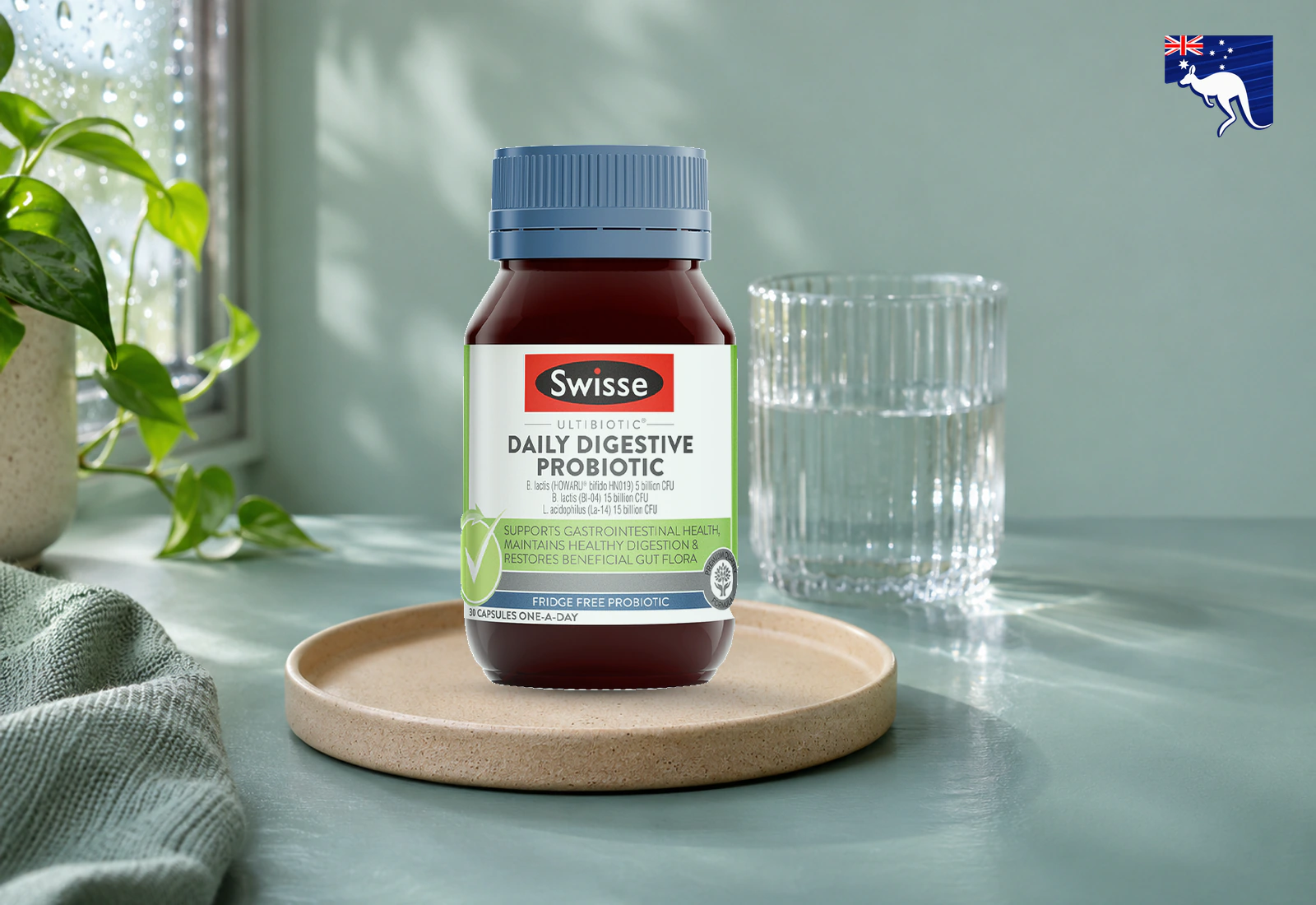
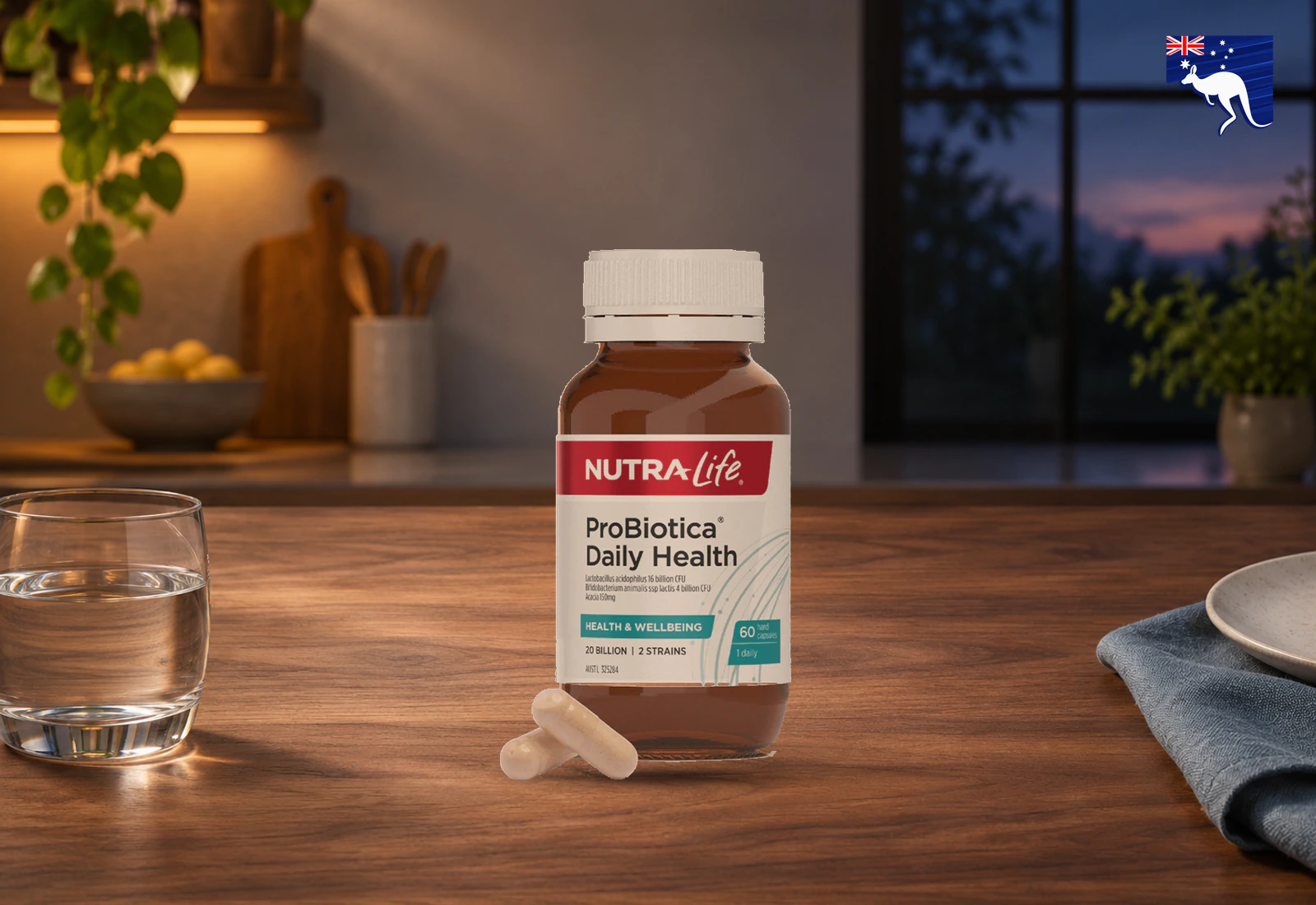
Take the Swisse Ultibiotic Daily Digestive Probiotic capsule. Its Australian label names three strains and lists their individual counts. One of the strain codes is HN019. The adult serving is one capsule, and the manufacturer specifies storage below 25°C. Those are three separate answers you can check before paying.
Now compare the Australian consumer label for Qiara Everyday sachets. It names a single strain, CECT5716, and guarantees at least 1.5 billion CFU per sachet through expiry. Water and yogurt both feature in its mixing instructions. One product has three strains and the other has one. That difference matters if you were looking for a particular strain. Counting strains or comparing the biggest number on the pack cannot settle which is appropriate.

Swisse Ultibiotic Daily Digestive Probiotic
Swisse Ultibiotic Daily Digestive Probiotic is a high-strength probiotic supplement designed to support healthy digestion, maintain beneficial gut bacteria and support gastrointest...
Which form fits the way you eat and travel?
A sachet is useful if you already sit down to breakfast. When its directions allow mixing into soft food, stir the powder into a small portion you are likely to finish. If you tip it into a whole smoothie and leave half the glass, part of the serving stays there too. Check whether the directions say to finish the mixture promptly before making it in advance. A tub of powder may look similar in a shop photo, but its directions can call for a measured scoop instead of a single packet.
Picture where you will take the first serving. If breakfast is tea on the way to work, a powder that needs mixing may be easier to take at home. For a flavoured sachet, also check the sweeteners and allergens. For a capsule, look at the shell ingredients if you avoid gelatin.

Buying and storing probiotics in Bangladesh
A foil packet can be convenient on a bus journey, but the foil alone tells you nothing about the temperature the contents can tolerate. If a pack says to keep it below 25°C, a bag left in a parked car or on a sunny windowsill is a poor storage spot. If the label calls for refrigeration, ask the seller how the product will stay cold during delivery. Check the seal and expiry date when it arrives. If the print in an online listing is too small, ask for a clear photo of the ingredients panel, directions and expiry on the current pack. The front image might show a family of products with similar names and very different serving sizes.
Compare price in taka per labelled daily serving. For example, a 30-capsule pack taken two at a time provides 15 daily servings. A 20-sachet pack taken one at a time provides 20. Divide the pack price by those 15 or 20 servings. If you need only a short course on medical advice, also check how much of the pack you will actually use. Do that arithmetic only after you have found two suitable options. If someone is seriously ill or has a weakened immune system, ask their treating clinician before buying either form.