Prebiotics vs Probiotics: What’s the Difference?
Garlic in dal and live cultures in doi illustrate two different ways food can interact with gut microbes. Learn which ingredients to look for, how to compare supplements and when a combination makes sense.
Quick Answer
Prebiotics feed particular microbes, while probiotics supply live organisms. Both require evidence of a health benefit. For everyday meals, onions and garlic provide prebiotic compounds, and chilled doi may contain live cultures. When choosing a supplement, read the strain name or prebiotic ingredient on the pack.
Key Takeaways
- Garlic contains prebiotic compounds. Doi may contain live cultures.
- CFU counts live microorganisms. Fibre has its own serving size.
- A combined formula needs evidence for the purpose you have in mind.
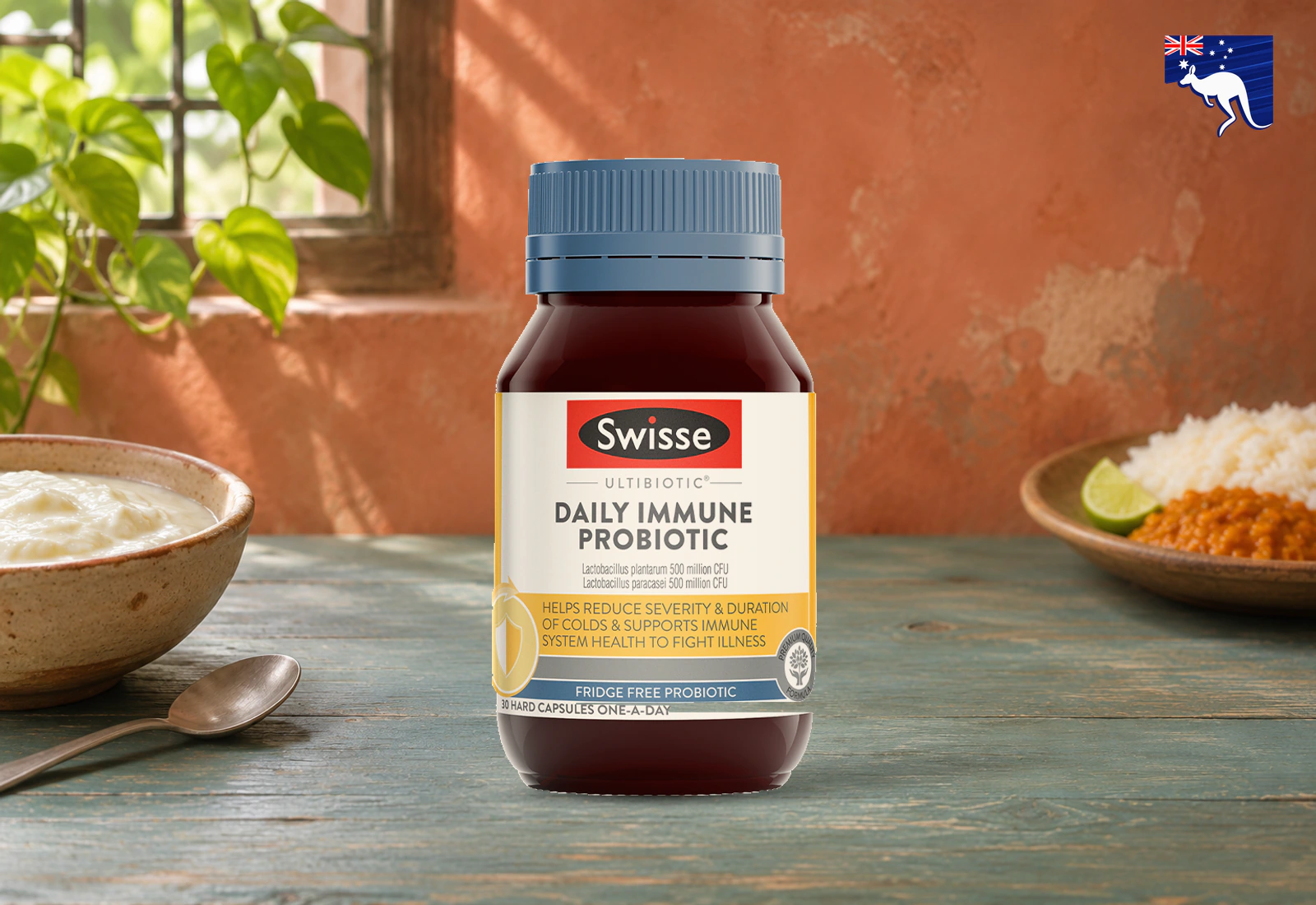
Garlic goes into the dal. Plain doi comes out of the fridge. The garlic contains fibres that certain gut microbes use. The doi may contain live cultures. That is the difference between prebiotics and probiotics in everyday terms. One supplies a substance that microbes can use, while the other supplies living organisms with a demonstrated health benefit.
Prebiotics vs probiotics at a glance
Prebiotics are substances that particular microbes use in a way that benefits health. Inulin and some other fermentable fibres qualify. A high fibre count alone does not tell you whether a food contains a proven prebiotic.
Probiotics are live microorganisms with evidence of a benefit when consumed in an adequate amount. They include certain bacteria and yeasts. The letters or numbers after a species name often identify the strain, which helps you match a product to the evidence. ISAPP’s scientific definitions.
Where can you find each in Bangladesh?
Onions and garlic contain fructans, a family of carbohydrates that includes inulin. Beans and whole grains also provide compounds that your gut microbes can use. A serving of dal alongside rice, or wholewheat roti with vegetables, is an easy way to add fibre to lunch. ISAPP guide to prebiotics in food.
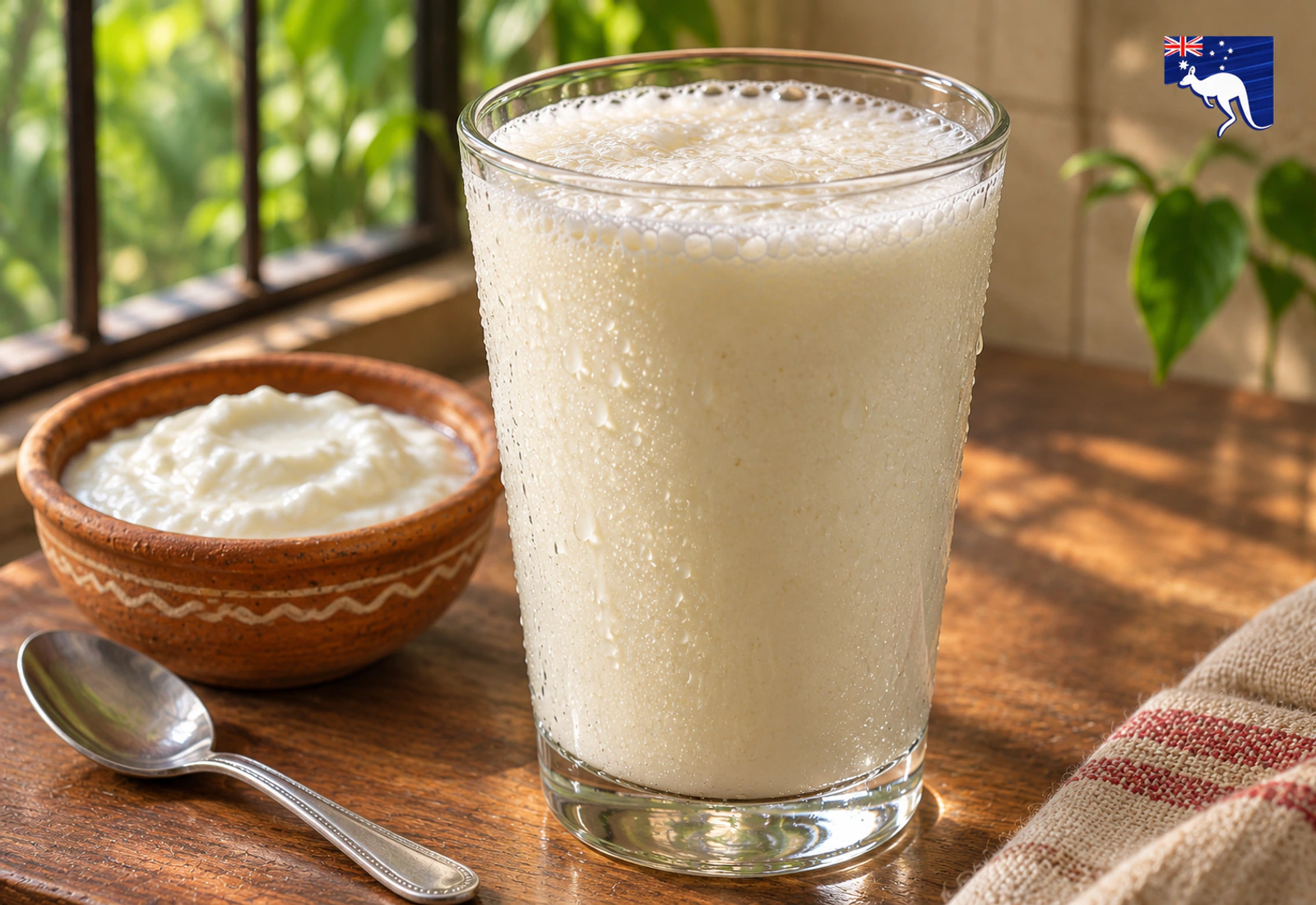
Doi is a fermented food. If you want live cultures, look for a chilled yoghurt labelled as containing them. Heating after fermentation can kill the cultures. A sour taste alone cannot tell you which organisms are still present or whether they have a proven health benefit. How to recognise probiotic foods in Bangladesh.
What does a combined supplement contain?
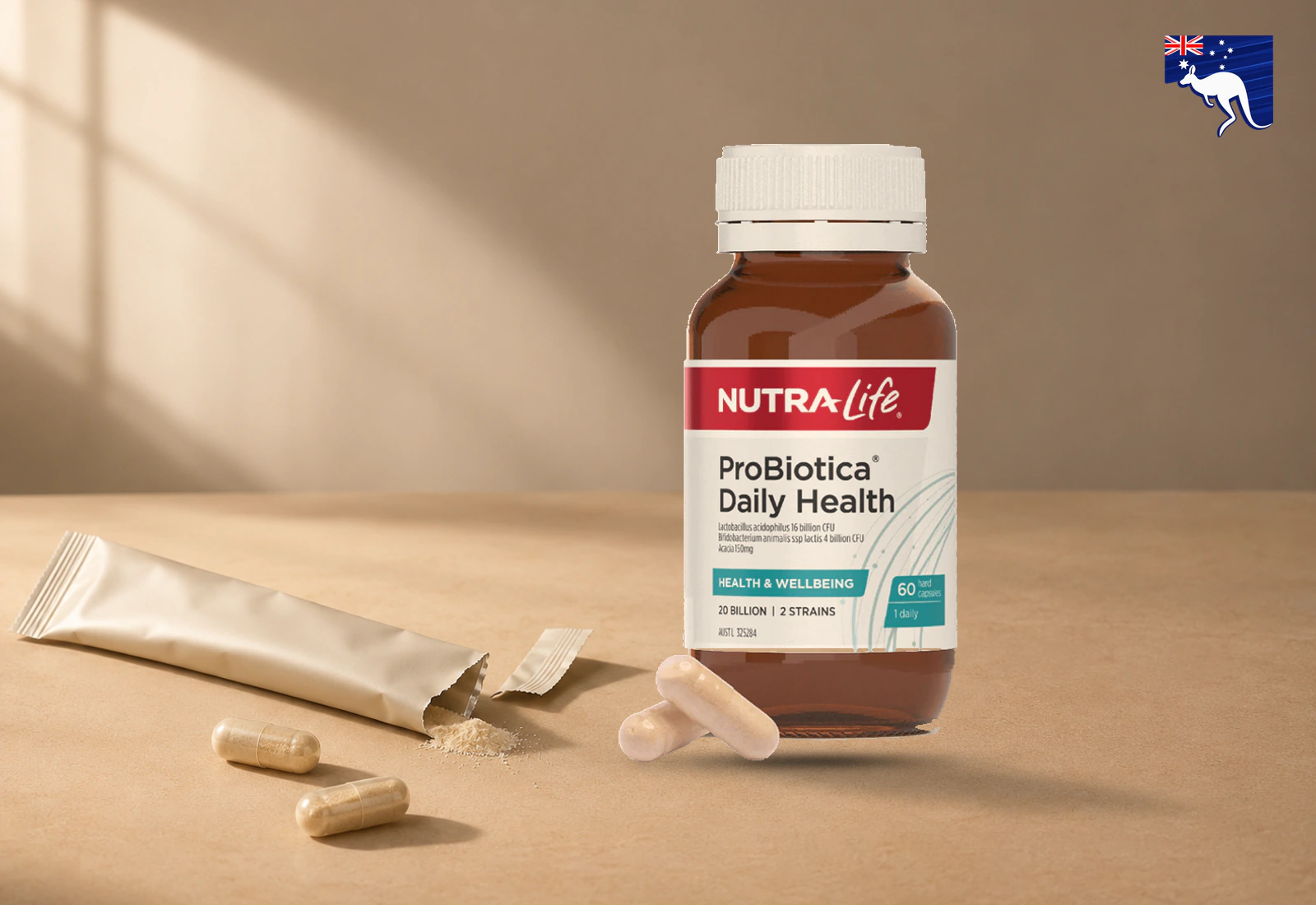
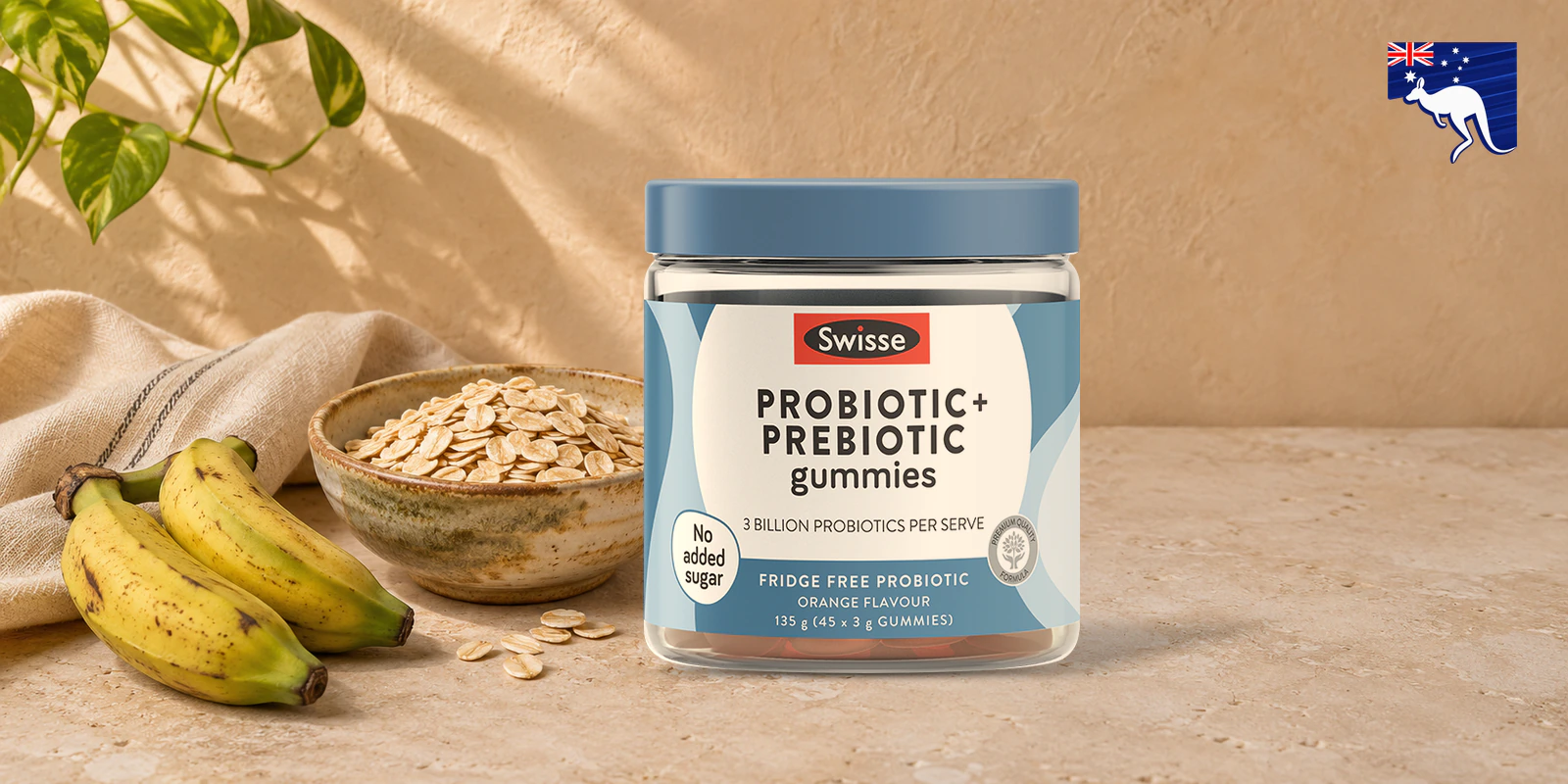
Turn over a pack of Swisse adult Probiotic + Prebiotic Gummies. You will see Bacillus coagulans, the bacterial ingredient, and chicory root fibre, the source of prebiotic FOS (fructooligosaccharides). CFU stands for colony-forming units and counts viable microorganisms. Look separately for the amount of fibre per daily serving. Swisse gummy label details.
A combined product is sometimes described as a synbiotic. In scientific use, that means there is evidence the combination benefits health. Having both ingredients in the bottle does not by itself establish that it will help a particular symptom. ISAPP’s explanation of synbiotics.

Swisse Probiotic + Prebiotic Gummies
SWISSE Probiotic + Prebiotic Gummies are an easy and tasty way to support digestive health and maintain beneficial gut bacteria. Combining probiotics with natural prebiotic fibre,...
Which is better for your goal?
If you want more fibre, start with a food you enjoy and increase the portion gradually. A large bowl of beans and a new inulin powder on the same day can leave you bloated and unsure which change caused it. NIDDK advice on adding fibre.
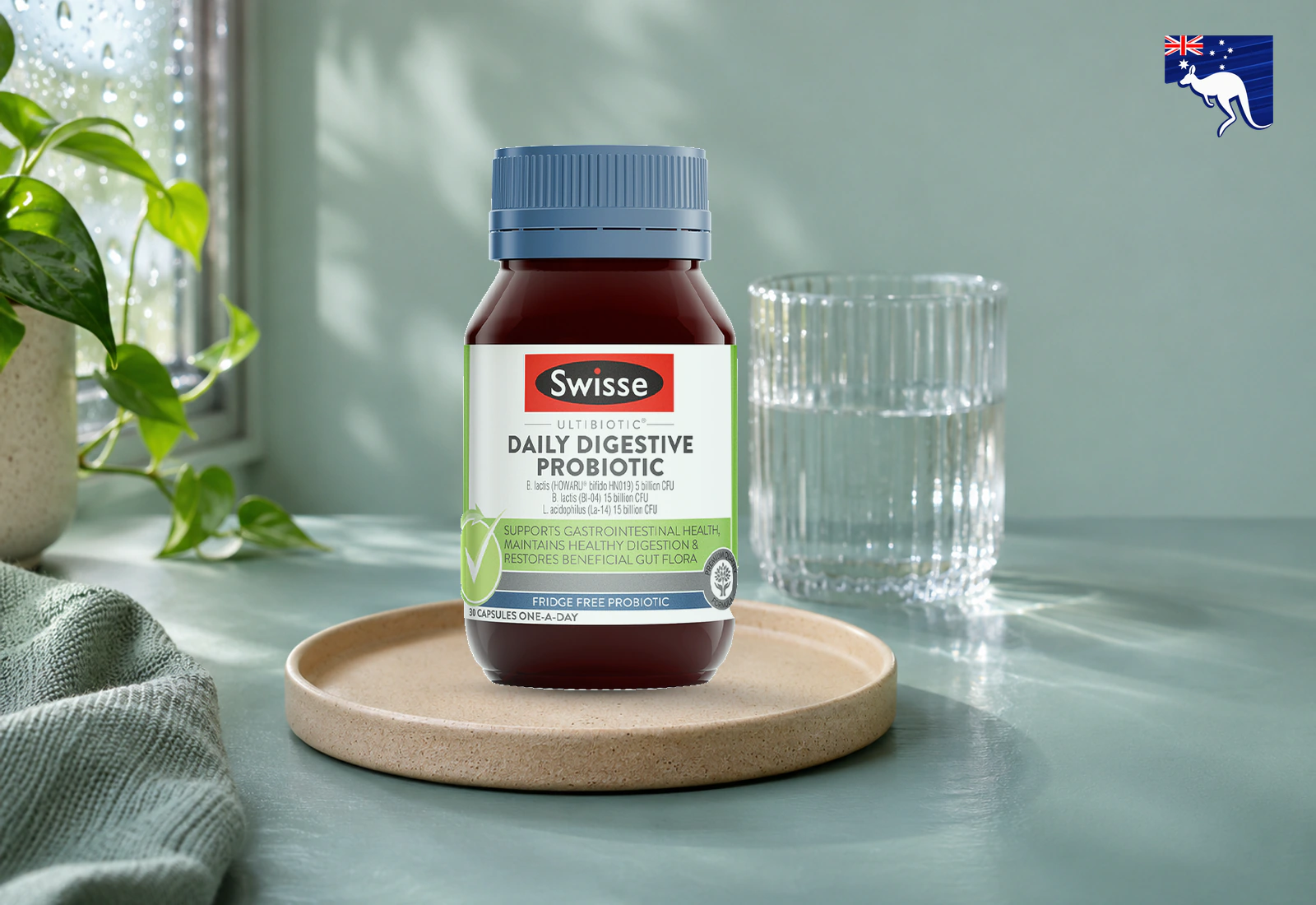
If a clinician suggested a probiotic, take the full strain name and intended duration with you when shopping. Check the expiry date, storage temperature and whether the pack states a viable count through expiry. A bigger CFU number alone tells you little about whether it suits your purpose. NIH guide to probiotic strains and counts.