Do Probiotics Support Gut Health? What the Evidence Shows
A high count on a probiotic bottle can be hard to interpret. See how evidence differs for IBS, diarrhoea and everyday digestion, and how to tell whether a product fits the question you want answered.
Quick Answer
Some probiotic strains can help with specific digestive problems, including reducing the chance of diarrhoea during certain antibiotic courses. Evidence for irritable bowel syndrome is mixed. Healthy adults have no established need for a daily probiotic. The most useful comparison is between your own goal and the exact preparation tested in people.
Key Takeaways
- Choose a symptom or outcome you can recognise before comparing bottles.
- A strain code and a relevant human study mean more than a large number of organisms on the front label.
- For everyday regularity, everyday meals can supply fibre even when you do not take a supplement.
Imagine a supplement label promised you one fewer afternoon of painful bloating each week. You would know what to look for. “Supports gut health” is harder to judge. When considering probiotics for gut health, it helps to name the change you want first. Fewer loose stools while taking antibiotics, less pain from diagnosed irritable bowel syndrome and more regular bowel movements are three different questions. Researchers have different answers to each.
What counts as evidence that a probiotic works?
A probiotic is a live microorganism that provides a health benefit at an adequate dose. Some are bacteria, others are yeasts. In a useful clinical trial, researchers identify the preparation, give it to people with a defined problem and compare the result with a control group. A change readers can feel or count, such as fewer episodes of diarrhoea, is easier to interpret than a change in the bacteria found in a stool sample.
Before applying a result to yourself, check three things. Were the participants like you? Was the product the same strain or combination? Did the researchers measure the symptom you want to improve? A study in hospital patients taking antibiotics answers a different question from the one facing a healthy adult who sometimes feels full after dinner.
Where is there a measurable digestive benefit?
Diarrhoea during antibiotics. Certain probiotic preparations may lower the chance of developing diarrhoea during an antibiotic course. Results vary, even in large studies. In the UK PLACIDE trial, older hospital patients who took a particular mix of bacteria developed diarrhoea about as often as those who received the placebo. That is a good reason to ask about the exact preparation before buying one for this purpose. Read the PLACIDE clinical trial.
Irritable bowel syndrome (IBS). Some individual trials have found improvements in pain or bloating. For example, a four-week trial in women with IBS found a benefit at one of three doses of strain 35624. It was not the highest dose. Taken together, the evidence is too inconsistent for the American Gastroenterological Association to recommend routine probiotics for IBS. If your symptoms have not been assessed, start by asking what is causing them. The strain 35624 trial and AGA’s patient guidance.
Everyday regularity. If hard stools are your main concern, consider what a normal day’s meals and drinks look like. A little more dal with rice, an extra serving of vegetables or some wholemeal atta roti can add fibre. Increase it gradually and drink enough water. For someone who feels well, there is no established recommendation to take a probiotic every day. NIDDK’s guidance on fibre and fluids.
What does “half the risk” mean in a probiotic study?
Imagine a trial reports that a probiotic halved the chance of a particular digestive problem. That sounds impressive, but how common was the problem to begin with? If four in every hundred people had it without the probiotic and two in every hundred had it with the probiotic, the risk was halved. In everyday terms, there were two fewer cases for every hundred people taking it. These numbers illustrate the arithmetic. They are not a forecast for a particular product.
Look for both groups’ actual results and how long researchers followed them. Ten people feeling better after taking a capsule tells you little on its own. If just as many improved on a placebo, the capsule may have added little. The next time you see a percentage on a product page, look for its study link and the comparison group. That gives you a fairer basis for deciding whether the potential benefit is worth the cost.
How to read the back of a probiotic bottle
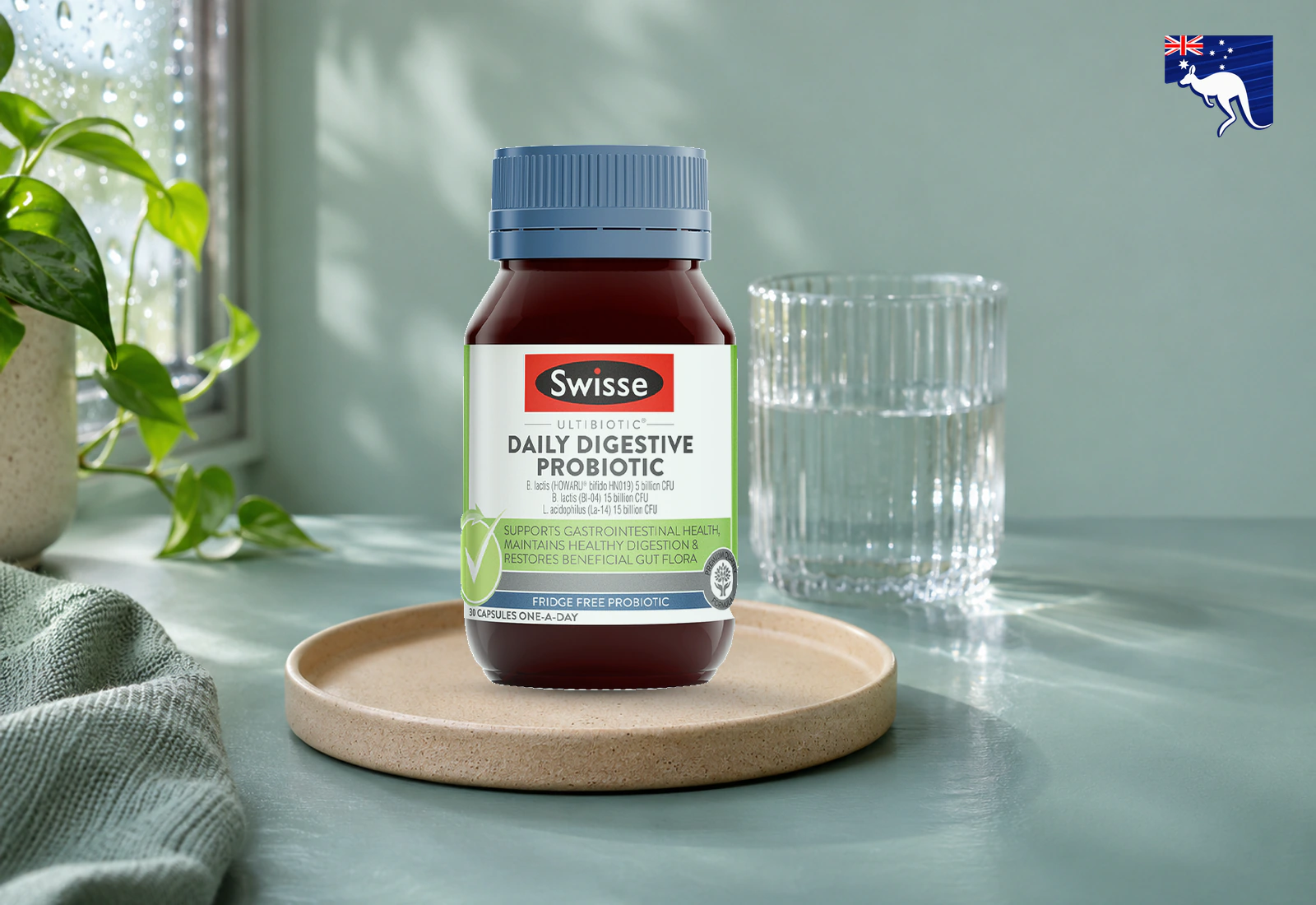
The small print can tell you more than the large number on the front. Look for a full organism name, including the strain code where given. Two products may contain the same species but different strains. A result for one need not apply to the other. If the pack lists a blend, a study of just one ingredient may not tell you how the whole blend performs.
CFU means colony-forming units, an estimate of how many live microbes can grow under test conditions. Compare amounts per serving and check whether the count is guaranteed through expiry. Fifty billion organisms is not a measure of how much better you will feel. In Bangladesh, one more line deserves attention before you order an imported product: its storage limit. If the pack requires refrigeration, ask how it will stay cold during delivery and after arrival. NIH explains strain names, CFU and storage.
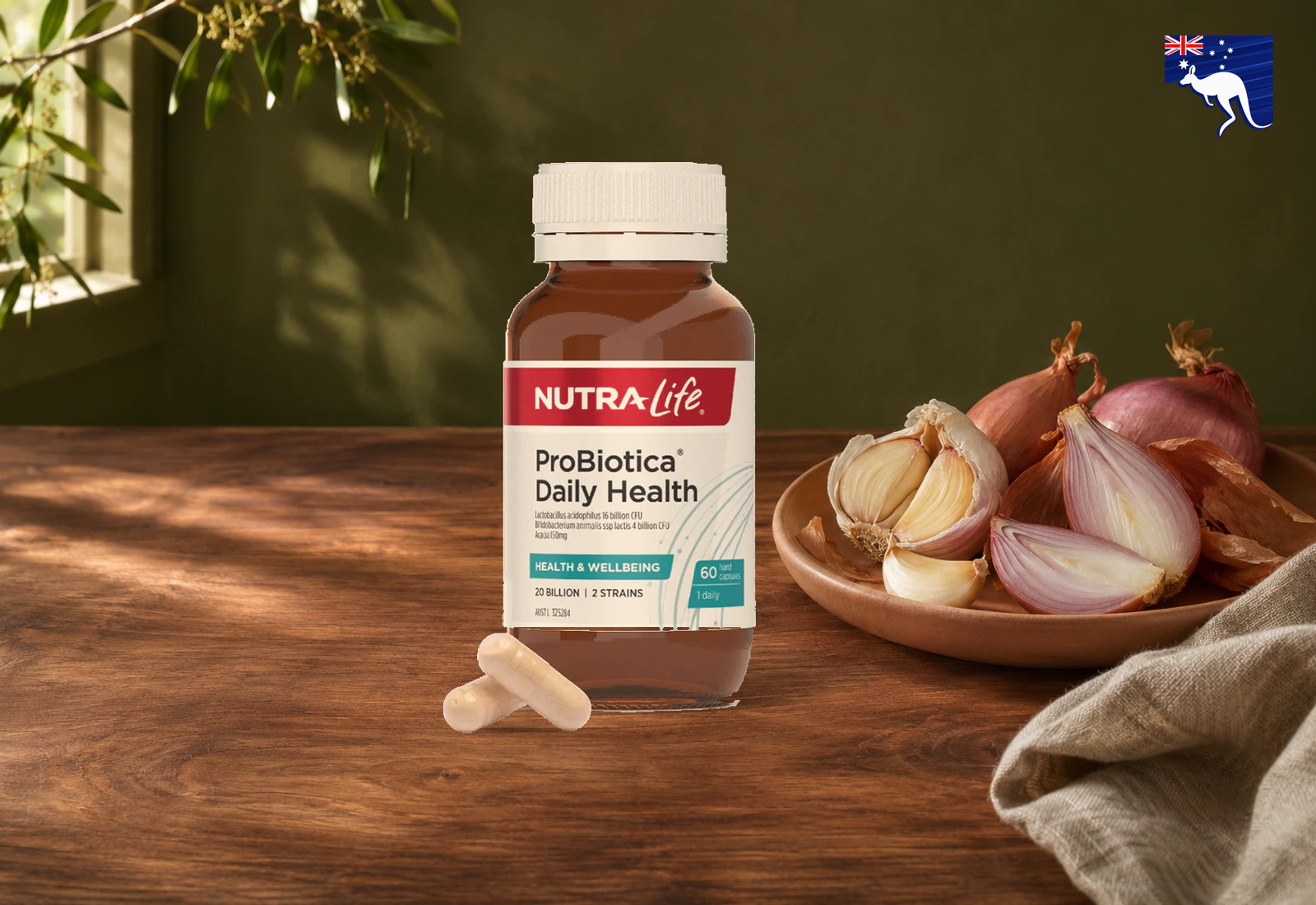
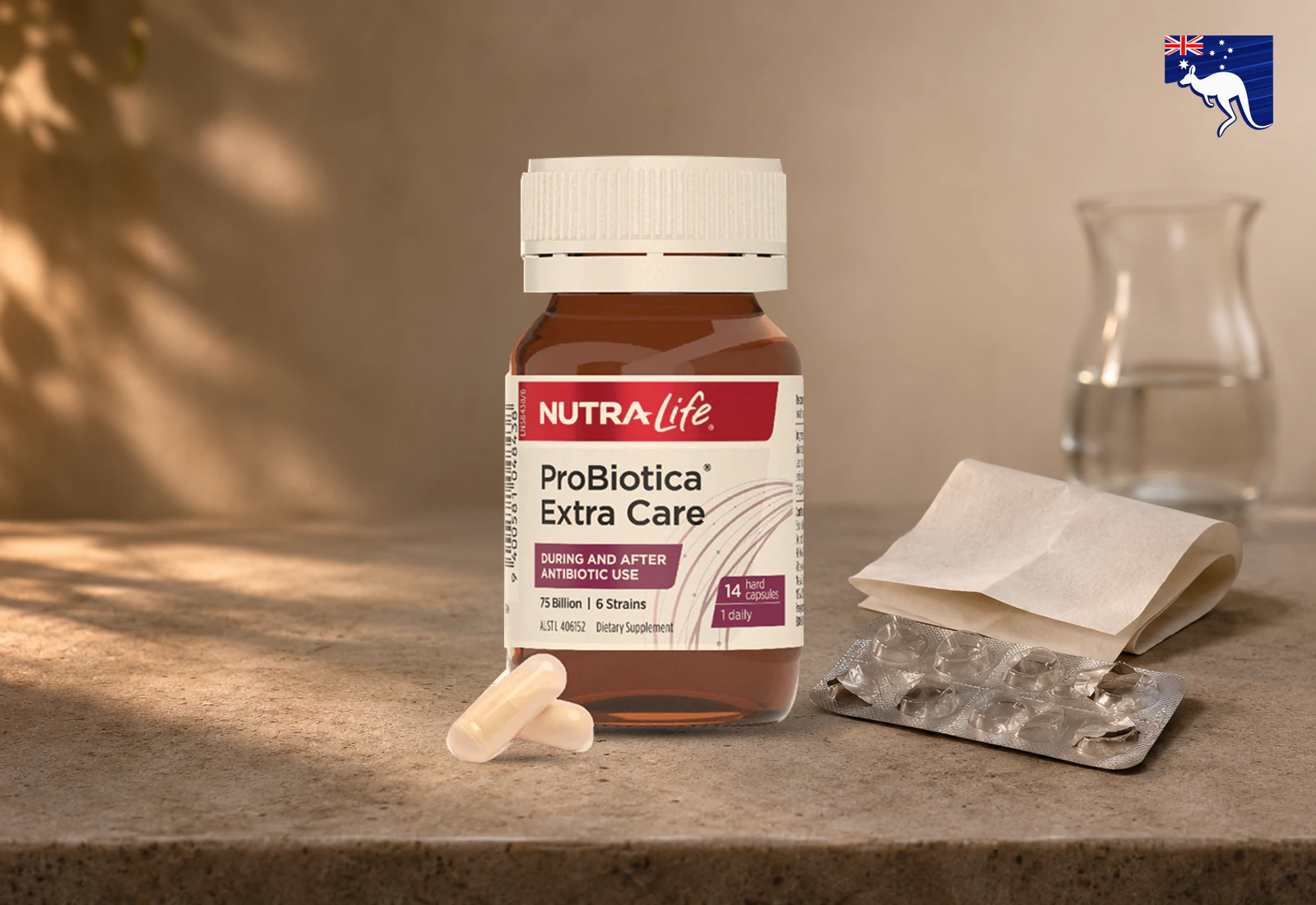
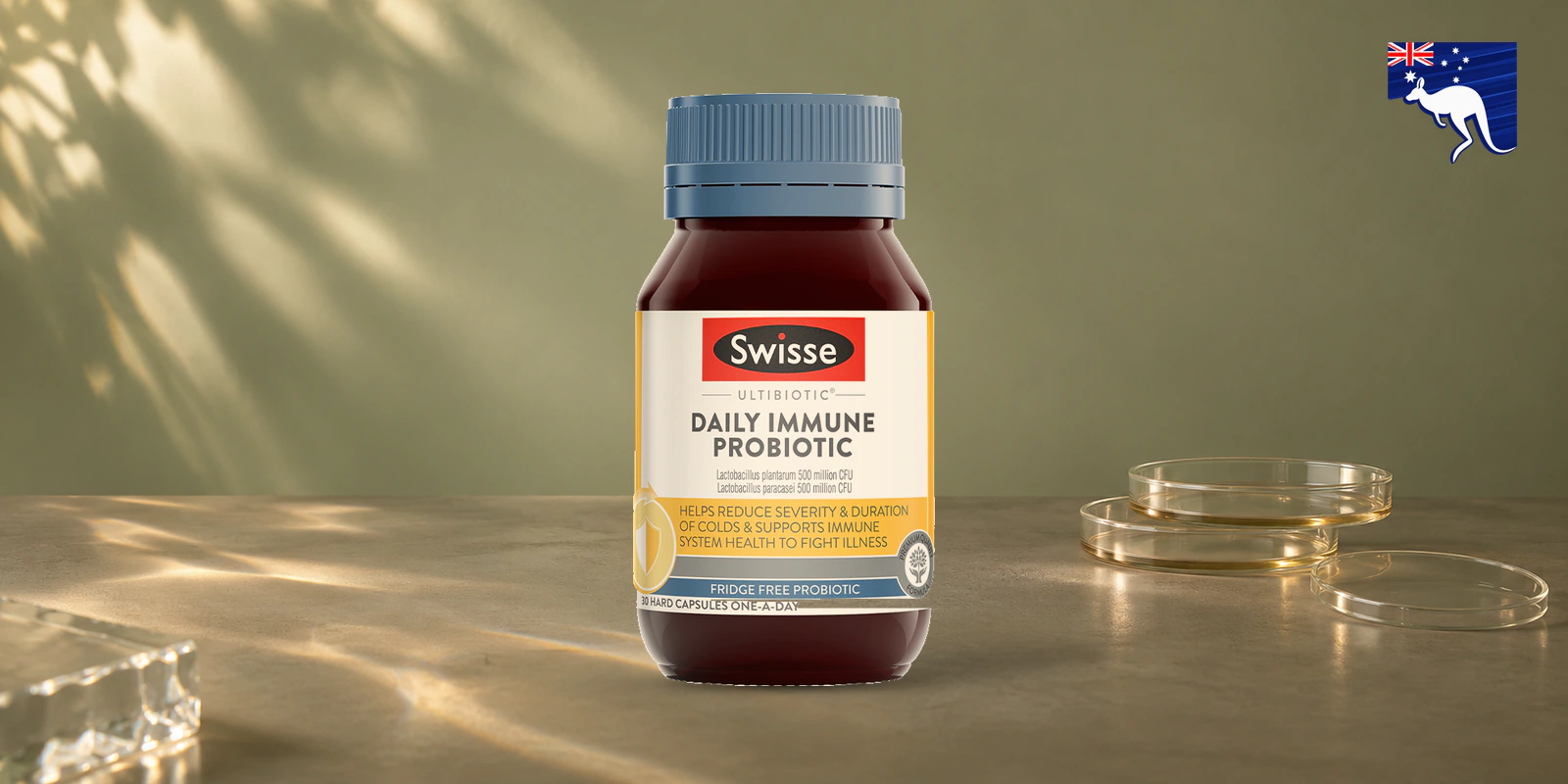
For practice, open the ingredient panel on the bottle pictured here and look for the strain codes. The product name alone cannot tell you whether it matches a clinical trial.

Swisse Ultibiotic Daily Immune Probiotic
Swisse Ultibiotic Daily Immune Probiotic is a daily probiotic supplement formulated to support healthy immune system function and help relieve common cold symptoms, including a run...
How will you know if it was worth taking?
If a clinician suggests trying a probiotic, agree on one outcome and when to review it. For bloating, a useful note might be “had to loosen my waistband after lunch on four days this week”. Keep the same measure during the trial. Starting a new meal plan and two new supplements on the same day makes any improvement harder to explain. At the review, use your notes to decide whether the benefit justifies another bottle.
Occasional gas can occur with probiotics. People who are seriously ill or have a weakened immune system should get medical advice before using live supplements. If you have persistent changes in bowel habits, unexplained weight loss, blood in your stool or ongoing abdominal pain, arrange a medical assessment. Knowing the cause gives you a much better basis for choosing what to do next. Symptoms that warrant medical attention.