Omega-3 vs Painkillers: Roles, Timing and Safety
When pain keeps returning, a “natural” alternative can sound appealing. Learn why omega-3, paracetamol and anti-inflammatory medicines have different jobs, and how to discuss a safer long-term plan.
Quick Answer
Omega-3 is not a fast-acting painkiller or a direct substitute for paracetamol, ibuprofen or prescribed arthritis treatment. Some research examines it as an addition in particular inflammatory conditions, usually over months. Recurrent pain needs a diagnosis, while combining fish oil with medicines calls for an individual safety check.
Key Takeaways
- Ask which medicine and which diagnosed condition are being compared; “painkillers” is not one uniform treatment.
- An anti-inflammatory mechanism does not prove immediate pain relief or control of the underlying disease.
- Discuss reducing regular pain medicine with the prescriber instead of replacing it with a self-selected supplement.
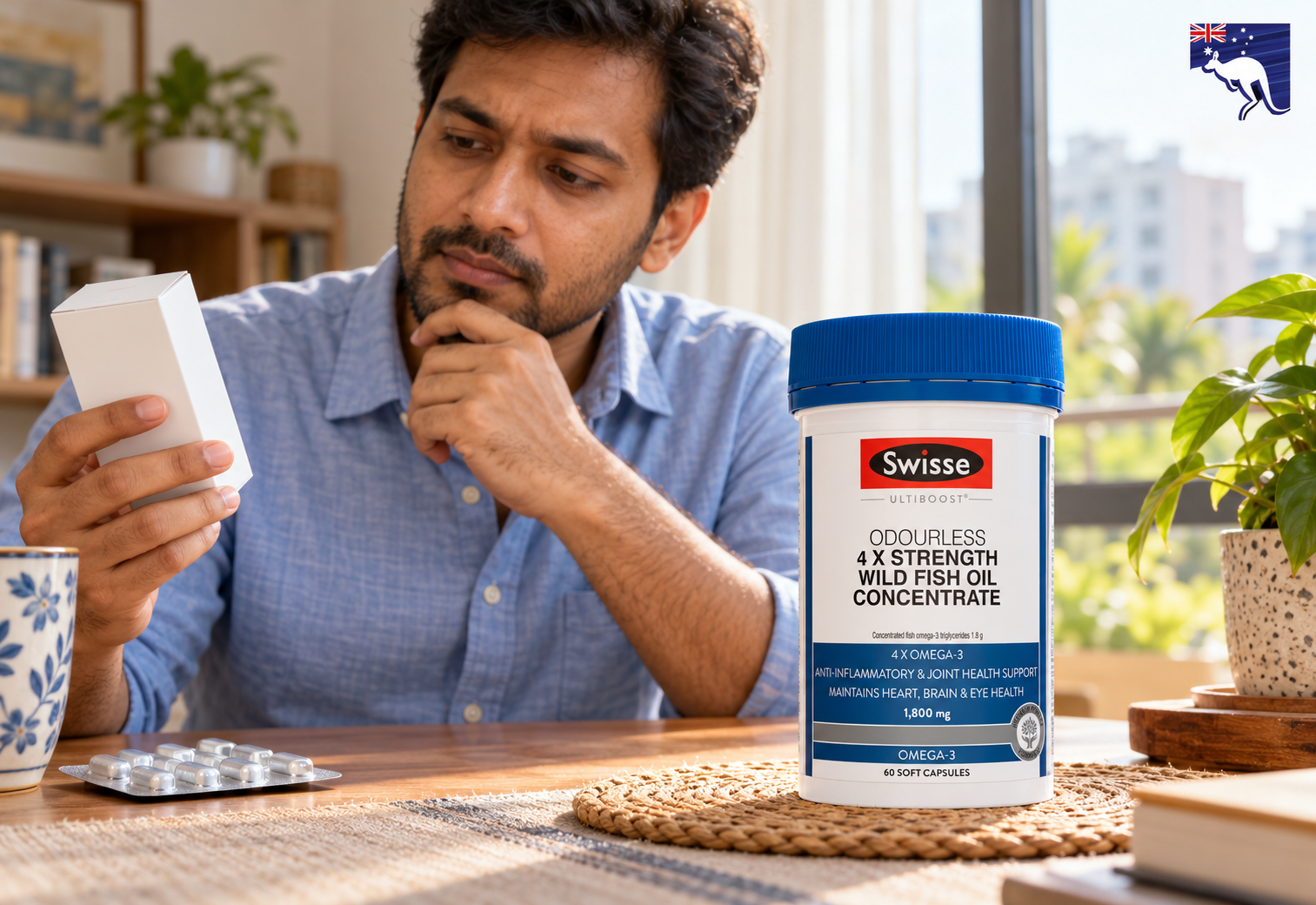
You take a painkiller, feel better, and then the discomfort returns. When someone suggests fish oil as a gentler long-term answer, the idea is understandable. The important question is whether the suggested product can do the same job.
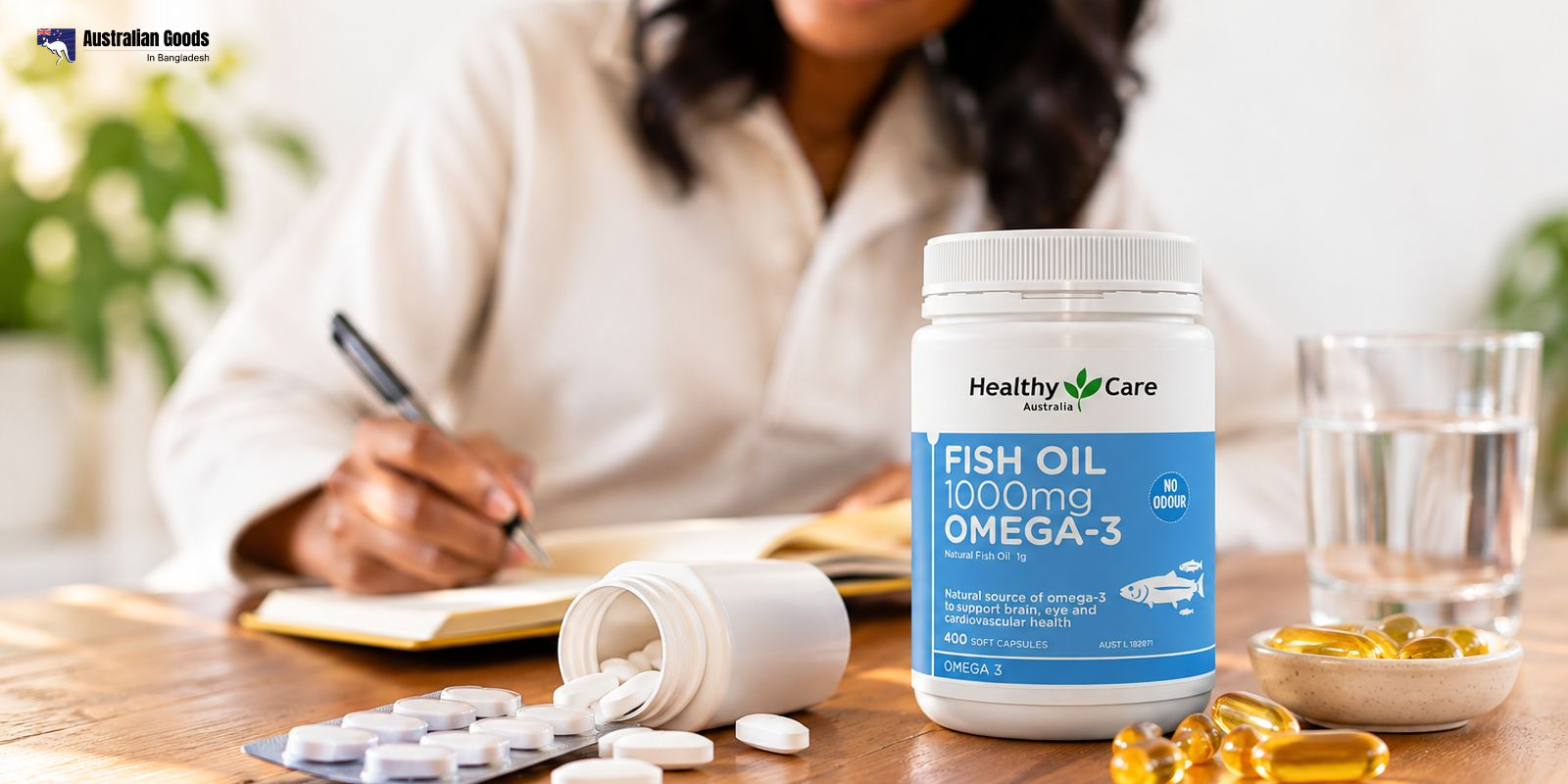
Comparing omega-3 vs painkillers requires more than a list of side effects. You need to know what is causing the pain, which medicine is involved and whether the aim is immediate relief or ongoing disease control.
What exactly are you comparing?
| Option | Main role in this comparison | Limit to remember |
|---|---|---|
| Paracetamol | Medicine for pain and fever | Must be used within its directions; duplicate ingredients can cause an overdose. |
| NSAIDs, such as ibuprofen or naproxen | Medicines that relieve pain and reduce inflammation | Suitability depends on other medicines and health risks. |
| Omega-3 supplements | Nutrient provision; studied as an addition in selected conditions | No dependable immediate analgesic effect or universal replacement role. |
| Disease-modifying arthritis treatment | Controls the underlying disease under specialist care | Neither a supplement nor a simple painkiller replaces it. |
The NHS paracetamol guide and NSAID guide describe different medicine groups. Brand names can obscure this distinction, so look for the active ingredient on every packet.
Why “anti-inflammatory” does not mean “painkiller”
A biological effect is only the beginning of a treatment claim. To show useful pain relief, a study must measure outcomes that matter to patients, compare against an appropriate control and account for other treatment.
Evidence about fish oil and rheumatoid arthritis does not automatically answer questions about toothache, a strained muscle or an unexplained painful knee. These are different problems with different possible treatments. A supplement label cannot identify which one you have.
One trial in recent-onset rheumatoid arthritis found advantages for some outcomes with higher fish-oil intake, but participants also received a structured programme of disease-modifying medicines. It did not test fish oil as a replacement for the treatment programme.
The wider picture remains cautious. The American College of Rheumatology guideline does not find consistent, clinically meaningful benefit across the supplements considered for RA management. Individual encouraging trials do not justify a general “stop painkillers and take fish oil” instruction.
Timing: today's pain versus a planned review
A pain medicine is selected for relief according to its formulation, directions and the cause of pain. Omega-3 has no reliable rescue role when a headache starts or a joint flares. Taking extra capsules because the pain is severe does not turn it into an acute treatment.
If a clinician supports a supplement trial, agree beforehand what will be reviewed and when. Relevant research commonly follows participants for months; that does not mean every user should expect an improvement by a fixed week.
Keep a brief record of the activity that is difficult, sleep disruption and medicines used. Record changes in exercise or other treatment as well. This gives the review something concrete to work with, instead of attributing every good or bad day to the latest product.
Can fish oil be taken with an NSAID?
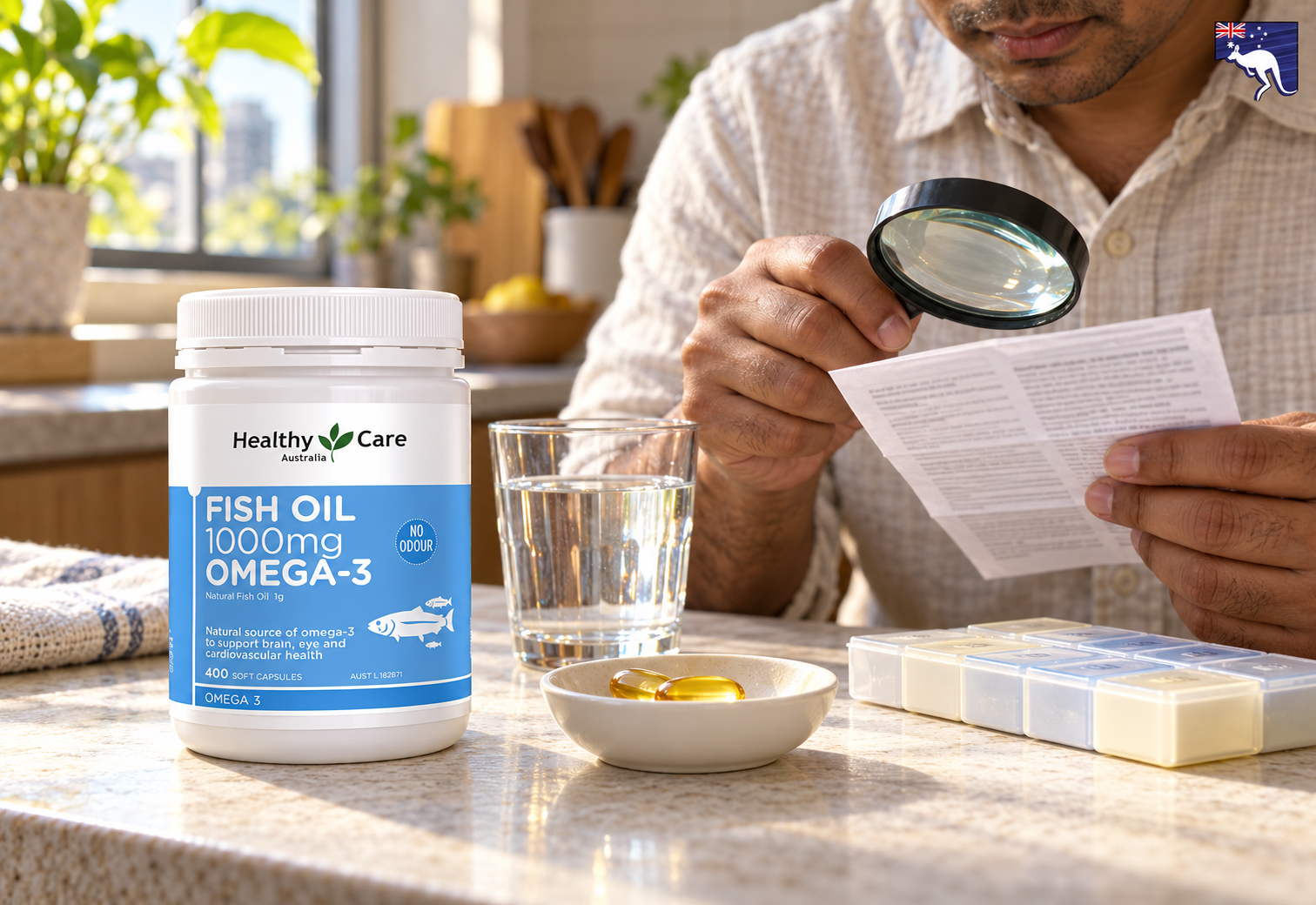
There is no single yes-or-no answer that fits every combination. Tell the pharmacist the exact fish-oil product, daily EPA+DHA amount, medicine name and how often you take it. Include low-dose aspirin, anticoagulants, steroids and nonprescription medicines.
NSAIDs can cause stomach ulcers or gastrointestinal bleeding and kidney problems, and some medicine combinations increase risk. The NHS guidance advises checking combinations with a professional. Fish oil also has potential adverse effects and interactions, described by NIH ODS. Being sold without a prescription does not remove the need for that review.
Do not assume that taking the products several hours apart removes an interaction. The pharmacist needs the complete routine, including products taken only on painful days. If the medicine list changes, revisit the advice.
Three mistakes to avoid when trying to reduce medicines
- Stopping a prescribed drug because pain improved. Symptom relief does not establish control of an underlying inflammatory disease.
- Adding several “natural” products together. Overlapping ingredients and multiple changes make both safety and benefit harder to assess.
- Missing the same medicine in two brands. Paracetamol can also appear in cold-and-flu products; use the ingredient list, not the brand name, to check duplication.
Ask the prescriber whether there is a plan for intermittent use, reassessment or another treatment approach. That conversation can address your concern about repeated medication without leaving pain or disease unmanaged.
When pain needs assessment rather than another purchase
Seek prompt medical help for a hot swollen joint with fever or feeling unwell. Severe pain after injury or inability to bear weight also needs urgent assessment. The NHS joint-pain guidance sets out these warning signs.
Vomiting blood or black, tar-like stools while taking a pain medicine requires urgent medical attention. Suspected paracetamol overdose also needs immediate advice, even if you initially feel well. Do not wait to see whether changing a supplement helps.
Where a supplement purchase may fit
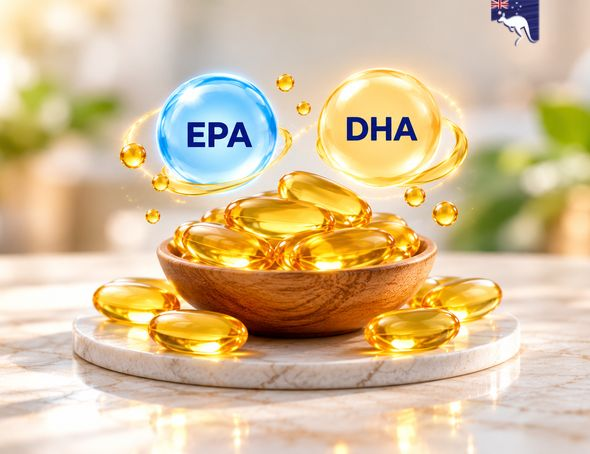
After the pain plan is clear, supplementation may still be appropriate for a separate nutritional reason or a clinician-supported purpose. Compare actual EPA and DHA, serving directions and the full ingredient list. A stronger oil does not automatically produce stronger pain relief.
Our omega-3 and arthritis guide examines condition-specific evidence. Use the related products to inspect labels if supplementation belongs in your plan, while keeping the medicine and monitoring decisions with the professional treating the pain.