How to Take Supplements Safely If You Use Regular Medicine
Taking supplements while using regular medicine can be safe when done correctly, but understanding possible interactions is essential. This guide explains how to combine vitamin supplements, minerals, fish oil, and other nutritional products with prescription medicines responsibly. Learn the best timing, common interaction risks, practical safety tips, and how to choose authentic supplements.
Millions of people in Bangladesh take regular medicines every day for conditions such as diabetes, high blood pressure, thyroid disorders, heart disease, acidity, or infections. At the same time, many also use vitamin supplements, minerals, fish oil, probiotics, or herbal products to support their overall health. But is it safe to combine supplements with regular medicine? This guide explains how to take supplements responsibly, avoid common interactions, choose the right timing, and support your nutritional needs without affecting your prescribed treatment.
Quick Navigation – Safe Supplement Use With Regular Medicine

Dietary supplements can be an excellent way to support nutrition when your daily diet is not enough. However, if you take regular medicine, you should understand that supplements are not completely risk-free. Some vitamins, minerals, fish oil, and herbal ingredients may affect how medicines are absorbed or how they work inside the body. Knowing the basics of supplement safety helps you make informed decisions while protecting your health.
Can you safely take supplements with regular medicine?
In many cases, yes. Many vitamin and mineral supplements can be taken alongside regular medicines. However, safety depends on the type of medicine, supplement ingredients, dosage, timing, and your individual health condition. Some supplements may reduce medicine absorption or increase the risk of side effects. Always inform your healthcare professional about every supplement you use.
Why Supplement Safety Matters If You Take Regular Medicine
Many people assume that because supplements are sold without a prescription, they are always safe. Unfortunately, that is not always true. Vitamins, minerals, omega-3 oils, probiotics, and herbal supplements contain biologically active ingredients that may influence how medicines behave inside your body.
For example, some minerals can reduce the absorption of thyroid medicines or certain antibiotics when taken at the same time. High-dose fish oil may require extra caution in people using blood-thinning medicines. These situations do not mean supplements are unsafe they simply highlight the importance of using them correctly.
Important Safety Reminder
Never stop taking prescribed medicine because you start using a dietary supplement. Supplements support nutrition they are not replacements for medicines prescribed by your healthcare provider.
Common situations in Bangladesh
- Taking diabetes medicine together with several supplements.
- Buying vitamins without checking ingredient overlap.
- Using antibiotics together with calcium or magnesium supplements.
- Taking fish oil without mentioning it to a doctor before surgery.
- Using multiple multivitamins containing the same nutrients.
Supplements vs Regular Medicine: What's the Difference?
Understanding the difference between medicines and supplements helps you make better health decisions. Although both are used to support health, they serve very different purposes.
| Regular Medicine | Dietary Supplements |
|---|---|
| Treats or manages diagnosed medical conditions. | Supports nutritional intake and overall wellness. |
| Contains pharmaceutical active ingredients. | Contains vitamins, minerals, omega-3, herbs, probiotics or other nutrients. |
| Often requires medical supervision. | Should still be used responsibly, especially with medicines. |
| Cannot be replaced by supplements. | Cannot replace prescribed treatment. |
Expert Insight
Think of medicines as tools that help manage specific medical conditions, while supplements help maintain or improve nutritional status. They work best when used appropriately not as substitutes for one another.
Can You Take Supplements While Using Regular Medicine?
The answer is often yes but it depends on several important factors. There is no single rule that applies to every medicine or every supplement.
Usually considered safe when:
- The supplement does not interact with your medicine.
- You follow the recommended dosage.
- You use authentic, quality-tested products.
- Your healthcare provider knows what you are taking.
- You follow any recommended timing gap between medicine and supplements.
Extra caution is needed if you take:
- Blood-thinning medicines
- Thyroid medicine
- Antibiotics
- Diabetes medicine
- Blood pressure medicine
- Kidney or heart medicines
- Multiple prescription medicines every day
5-Step Safety Checklist Before Taking Supplements
Before adding any supplement to your daily routine, take a few minutes to complete this simple safety checklist.
Step 1: Make a Complete Medicine List
Include prescription medicines, over-the-counter medicines, painkillers, antacids, inhalers, eye drops, insulin, injections, and anything else you take regularly.
Step 2: List Every Supplement
Include vitamins, minerals, omega-3, collagen, probiotics, herbal supplements, protein powders, and sports nutrition products.
Step 3: Check for Duplicate Ingredients
Many products contain overlapping nutrients. For example, a multivitamin, cod liver oil, and a vitamin D supplement may all contribute vitamin D intake.
Step 4: Ask About Timing
Some minerals such as calcium, magnesium, iron, and zinc should be separated from certain medicines to reduce interaction risk.
Step 5: Buy Authentic Products
Always choose supplements from trusted suppliers with proper packaging, batch numbers, expiry dates, and clear ingredient labels.
Common Supplement–Medicine Interactions You Should Know
Not every supplement interacts with medicine, but some combinations need extra caution. The risk depends on the medicine type, supplement dose, timing, and your health condition. This section gives practical examples, but it does not replace advice from a doctor or pharmacist.
1. Minerals With Thyroid Medicine
Minerals such as calcium, iron, magnesium, and zinc may reduce the absorption of thyroid medicine if taken too close together. If you use thyroid medicine, ask your doctor or pharmacist how many hours you should separate it from mineral supplements.
2. Minerals With Some Antibiotics
Calcium, magnesium, zinc, and iron may bind with certain antibiotics and reduce how well they are absorbed. This is why some antibiotics should not be taken at the same time as mineral supplements, milk, or antacids.
3. Fish Oil With Blood-Thinning Medicine
Omega-3 fish oil may need caution if you take blood-thinning medicine, have a bleeding disorder, or are preparing for surgery. Do not start high-dose fish oil without medical advice in these situations.
4. Vitamin K With Warfarin
Vitamin K can affect how warfarin works. People taking warfarin should avoid sudden changes in vitamin K supplements or large changes in vitamin K-rich food intake unless advised by a healthcare professional.
5. Herbal Supplements With Regular Medicine
Herbal supplements may sound natural, but some can strongly affect medicines. For example, certain herbs may reduce medicine effectiveness or increase side effects. This is why herbal products should always be disclosed to your doctor.
Medicine Categories That Need Extra Care With Supplements
Some medicine groups are more sensitive to supplement interactions. If you take any of the following medicines regularly, do not add supplements randomly.
Thyroid Medicine
Thyroid medicine is often taken on an empty stomach. Minerals such as calcium, iron, magnesium, and zinc may need to be taken several hours apart to avoid absorption problems.
Antibiotics
Some antibiotics should be separated from minerals, antacids, and dairy products. If you are prescribed antibiotics, ask the pharmacist whether you should pause or separate your supplements.
Blood Thinners
If you take blood-thinning medicine, be careful with fish oil, vitamin E, vitamin K, and herbal supplements. Your doctor may need to monitor your medicine response.
Diabetes Medicine
People with diabetes should be careful with supplements that may affect blood sugar, appetite, kidney function, or hydration. Always discuss new supplements with your doctor if you use diabetes medicine.
Blood Pressure and Heart Medicine
Some supplements may affect blood pressure, fluid balance, or heart rhythm in certain people. If you use heart or blood pressure medicine, keep your supplement routine simple and medically reviewed.
Gastric Medicine and Long-Term PPIs
Long-term gastric medicines may influence certain nutrient levels in some people. Do not self-treat deficiencies. If you use gastric medicine regularly, ask a healthcare professional whether testing or supplementation is appropriate.
Best Time to Take Supplements If You Use Regular Medicine
Timing helps reduce interaction risks and improves comfort. Some supplements are better with food, while some medicines must be taken away from food or minerals.
Morning Routine
B-complex vitamins and some daily multivitamins are often taken with breakfast. However, if you take thyroid medicine in the morning, do not take minerals or multivitamins too close to it unless your doctor says it is okay.
With Food
Supplements such as vitamin D, zinc, magnesium, fish oil, and multivitamins are often better tolerated with food. Taking them with meals can reduce stomach discomfort.
Away From Medicine
Minerals such as calcium, magnesium, iron, and zinc may need to be taken 2–4 hours away from thyroid medicine, certain antibiotics, and some osteoporosis medicines.
Evening Routine
Magnesium is often taken in the evening because it fits naturally into a relaxation routine. But if you use evening medicines, check whether spacing is needed.
Supplement Timing Table for Regular Medicine Users
| Supplement | Common Timing | Medicine Caution |
|---|---|---|
| Vitamin D | With a meal containing fat | Check with doctor if kidney disease, calcium issues, or related medicines are involved. |
| Vitamin C | With or after meal | Usually well tolerated, but high-dose use should be checked if you have kidney stone risk. |
| Zinc | With food | May need spacing from some antibiotics and other minerals. |
| Magnesium | Evening or with meal | May need spacing from thyroid medicine, some antibiotics, and osteoporosis medicines. |
| Fish Oil | With meal | Use caution with blood thinners, bleeding disorders, or surgery plans. |
| B-Complex | Morning with food | Check overlap if already taking multivitamins or energy formulas. |
| Multivitamin | With meal | May contain minerals that need spacing from certain medicines. |
Bangladesh Safety Context: Why Extra Care Is Needed
In Bangladesh, many people buy medicines directly from pharmacies, take supplements based on social media advice, or use several products together without checking the label. This increases the chance of duplicate ingredients, wrong timing, poor-quality products, and unsafe combinations.
Common local problems
- Using supplements without telling the doctor.
- Buying products without checking expiry date or batch number.
- Taking multiple multivitamins together.
- Using high-dose vitamin D without testing.
- Taking zinc, magnesium, calcium, or iron too close to medicine.
- Thinking imported supplements automatically mean “safe for everyone”.
Safe Supplement Options for Bangladeshi Users
Supplements should be chosen based on real nutritional needs, not random trends. For people who use regular medicine, the safest approach is to choose simple, targeted supplements, follow the label, avoid duplicate ingredients, and confirm safety with a doctor or pharmacist when needed.
Vitamin D Support
Useful for people with low sunlight exposure, indoor lifestyles, and low vitamin D-rich food intake. Extra care is needed if you have kidney disease, calcium disorders, or take related medicines.
Vitamin C Support
Supports immune nutrition and antioxidant intake. Food sources like guava, lemon, orange, amla, papaya, and vegetables should remain the foundation.
Zinc Support
Supports immune function, skin health, and general wellness. Zinc may need spacing from some antibiotics and should not be overused with other mineral products.
B-Complex Support
Supports energy metabolism and nervous system health. It may suit busy adults, students, and office workers, but it still does not replace sleep, food, and hydration.
Omega-3 Support
Supports heart, brain, eye, and general wellness. Extra caution is needed for people taking blood-thinning medicines, people with bleeding concerns, or anyone preparing for surgery.
Recommended Supplements From Australian Goods Bangladesh
These products are suggested as nutritional support options, not as medicine alternatives. If you take regular medicine, check the label carefully and speak with a healthcare professional before combining supplements with prescription treatment.
1) Healthy Care Vitamin D3 1000IU – Daily Vitamin D Support
Why supplements may help: Many people in Bangladesh spend most of the day indoors, work long office hours, or avoid sun exposure. Vitamin D support may help maintain healthy intake when sunlight and vitamin D-rich foods are limited.
What it does: Healthy Care Vitamin D3 1000IU supports vitamin D intake, bone health, muscle function, calcium absorption, immune health, and general wellbeing as part of a balanced lifestyle.
- Best for: Adults with low sunlight exposure, indoor lifestyles, and low intake of vitamin D-rich foods.
- Food-first reminder: Include safe sunlight exposure, eggs, fatty fish, dairy, and balanced meals where suitable.
- Common mistake: Taking multiple vitamin D products together without checking total dosage or testing vitamin D levels.
Vitamin D works quietly. It supports bones, muscles, and immunity, but smart dosage and safe use matter.

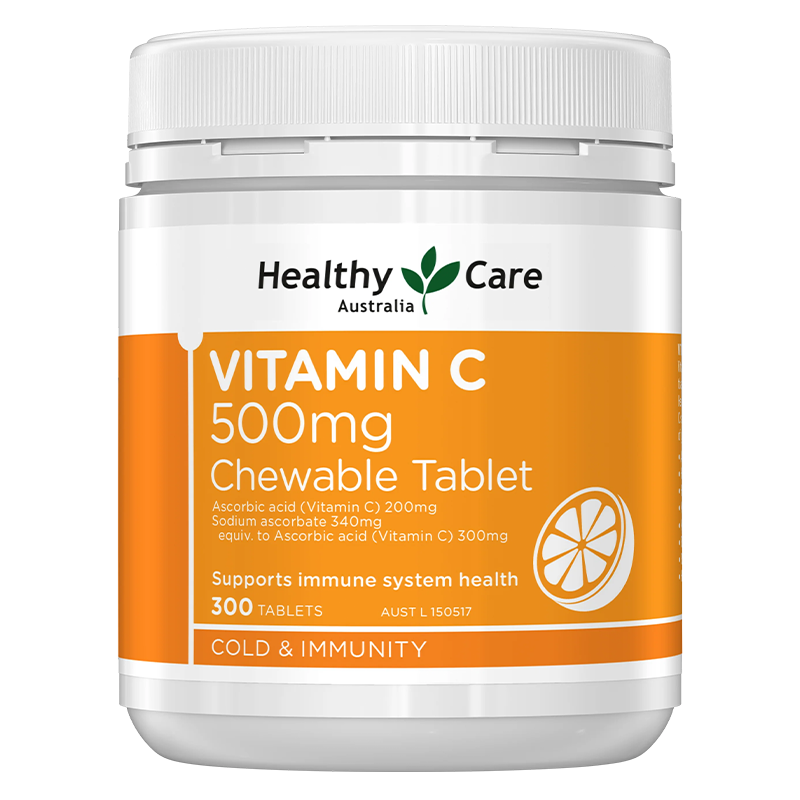
2) Healthy Care Vitamin C Tablets – Immune & Antioxidant Support
Why supplements may help: Vitamin C intake may be low when fruit and vegetable intake is inconsistent. A vitamin C supplement can support daily nutritional intake during busy routines or seasonal wellness concerns.
What it does: Healthy Care Vitamin C Tablets support immune function, antioxidant protection, collagen formation, and general wellbeing as part of a balanced diet.
- Best for: Adults who do not regularly eat enough vitamin C-rich fruits and vegetables.
- Food-first reminder: Continue eating guava, lemon, orange, amla, papaya, leafy vegetables, and balanced meals.
- Common mistake: Taking vitamin C while ignoring sleep, hydration, hygiene, and overall diet quality.
Immunity needs consistency. Vitamin C supports the routine, but food, sleep, water, and hygiene still matter.
3) Swisse Ultiboost Zinc+ – Zinc Support for Immunity & Skin
Why supplements may help: Zinc intake may be low when diets are limited in seafood, meat, eggs, dairy, nuts, seeds, or legumes. Zinc supplements may help support nutritional intake when food sources are not consistent.
What it does: Swisse Ultiboost Zinc+ supports immune health, skin health, wound healing, and general wellbeing as part of a balanced nutrition routine.
- Best for: Adults wanting zinc support for immune, skin, and daily wellness routines.
- Food-first reminder: Eat zinc-rich foods such as seafood, meat, eggs, dairy, pumpkin seeds, chickpeas, and nuts.
- Common mistake: Taking zinc with other mineral supplements without checking total dose or copper balance.
Zinc supports more than immunity. Use it wisely, especially if you already take multivitamins or mineral formulas.

4) Nutra-Life Super B Plus – Energy Metabolism & Nervous System Support
Why supplements may help: B vitamins support energy metabolism and nervous system function. Busy adults, students, and office workers may consider B-complex support when meals are irregular or nutrient intake is inconsistent.
What it does: Nutra-Life Super B Plus supports energy metabolism, nervous system health, stress response, and general wellbeing.
- Best for: Busy adults, students, office workers, and people wanting B-complex support.
- Food-first reminder: Eat whole grains, eggs, fish, meat, dairy, legumes, vegetables, and balanced meals.
- Common mistake: Expecting B vitamins to replace sleep, food, water, or stress management.
Energy starts with food. B vitamins support metabolism, but proper meals and sleep still do the real work.

5) Healthy Care Odourless Fish Oil 2000mg – Omega-3 Support
Why supplements may help: Many people do not eat fatty fish regularly. Omega-3 supplements may help support EPA and DHA intake when dietary fish intake is low or inconsistent.
What it does: Healthy Care Odourless Fish Oil 2000mg supports heart, brain, eye, joint, and general wellness through omega-3 fatty acids EPA and DHA.
- Best for: Adults who rarely eat oily fish and want omega-3 support in an odourless format.
- Food-first reminder: Try to include fish, nuts, seeds, vegetables, and balanced meals regularly.
- Common mistake: Taking fish oil while using blood-thinning medicine or preparing for surgery without medical advice.
Omega-3 is useful support. But if you take blood thinners, do not add fish oil casually—check first.

Looking for Authentic Supplements in Bangladesh?
Choose genuine Australian and New Zealand supplements from trusted brands with clear labels, batch details, expiry dates, and reliable sourcing.
Common Mistakes to Avoid
Safe supplement use is not complicated, but people make the same mistakes again and again. Avoid these if you want to protect both your nutrition routine and your medicine routine.
Stopping medicine because you started supplements
This is unsafe. Supplements support nutrition; they do not replace medicines for diabetes, blood pressure, thyroid disease, heart disease, or other diagnosed conditions.
Taking too many supplements together
More products do not mean better results. Too many supplements can increase duplicate ingredients and side effect risk.
Ignoring the label
Dose, warning, age group, pregnancy caution, allergy advice, and ingredient overlap matter. Read the label properly.
Taking minerals with every medicine
Calcium, magnesium, iron, and zinc are useful nutrients, but they often need careful timing around some medicines.
Buying unverified supplements
Avoid products with unclear origin, damaged seal, missing expiry date, poor label information, or suspiciously cheap pricing.
When You Must Ask a Doctor or Pharmacist First
Do not be overconfident with health decisions. If any of the following applies to you, ask a qualified healthcare professional before starting supplements.
- You take medicine every day
- You take blood-thinning medicine
- You have thyroid disease
- You have diabetes
- You have kidney disease
- You have heart disease or high blood pressure
- You have liver disease
- You are pregnant or breastfeeding
- You are buying supplements for a child
- You are taking antibiotics
- You are preparing for surgery
- You want to take more than one supplement
Frequently Asked Questions (FAQs)
1. Can I safely take supplements while using prescription medicine?
In many cases, yes. However, the safety depends on the medicine, supplement ingredients, dosage, timing, and your individual health condition. Always let your doctor or pharmacist know about every supplement you use.
2. How long should I wait between taking medicine and supplements?
Some supplements, especially calcium, magnesium, iron, and zinc, may need to be taken 2–4 hours apart from certain medicines, including thyroid medication and some antibiotics. Follow the advice provided by your healthcare professional.
3. Which supplements commonly interact with medicines?
Calcium, iron, magnesium, zinc, vitamin K, fish oil, and certain herbal supplements are among the most common products that may interact with medicines. The level of interaction depends on the medicine you take and your overall health.
4. Can I take vitamin supplements while taking antibiotics?
Some antibiotics should not be taken at the same time as calcium, magnesium, zinc, or iron supplements because these minerals may reduce antibiotic absorption. Ask your pharmacist how much time should separate your medicine and supplements.
5. Is fish oil safe if I take blood pressure or heart medicine?
Fish oil supplements may be suitable for many adults, but people taking blood-thinning medicines, preparing for surgery, or managing certain heart conditions should seek medical advice before using high-dose omega-3 supplements.
6. Should I stop taking my medicine after starting supplements?
No. Supplements are designed to support nutritional intake and should never replace prescribed medicines unless your healthcare professional specifically recommends changing your treatment plan.
7. Are imported supplements always safer than local supplements?
Safety depends on manufacturing quality, ingredient standards, authenticity, and proper storage—not simply where the supplement is made. Always buy genuine products from trusted retailers.
8. Should I tell my doctor about every supplement I take?
Yes. Your doctor or pharmacist should know about every vitamin, mineral, herbal supplement, fish oil, probiotic, or nutrition product you use. This helps reduce interaction risks and supports safer healthcare decisions.
Final Thoughts
Taking supplements while using regular medicine can be both safe and beneficial when done responsibly. The key is understanding that supplements support nutritional health, while medicines are prescribed to treat or manage medical conditions. They should complement each other—not replace one another.
Before adding any supplement to your routine, review your current medicines, check for possible interactions, follow recommended timing, and choose authentic products from trusted suppliers. When in doubt, consult your doctor or pharmacist to ensure the safest approach for your individual health needs.
Explore premium-quality vitamins, minerals, fish oil, and wellness supplements from trusted Australian brands at Australian Goods Bangladesh to support your daily nutritional needs.
References & Scientific Sources
This article is based on evidence-based medication safety guidance, supplement interaction research, and internationally recognized health organizations.
- U.S. FDA – Mixing Medications and Dietary Supplements Can Endanger Your Health
- National Institutes of Health (NIH) – Office of Dietary Supplements
- National Library of Medicine – Medications and Micronutrients
- National Library of Medicine – Levothyroxine Interactions With Food and Dietary Supplements
- UC San Diego Health – Food and Supplement Interactions With Warfarin
- NHS – Vitamins, Minerals and Supplements
Medical Disclaimer
This article is intended for general educational and informational purposes only. It does not diagnose, treat, cure, or prevent any disease and should not replace professional medical advice. Dietary supplements are not medicines and should never be used as a substitute for prescribed treatment. If you take prescription medicines, have diabetes, high blood pressure, thyroid disease, kidney disease, heart disease, liver disease, are pregnant or breastfeeding, or have any ongoing medical condition, consult a qualified healthcare professional before starting any new supplement.