Heart and Circulation Supplements: Ingredients and Evidence
Heart and circulation products can contain very different ingredients. This Bangladesh guide explains how to compare flaxseed oil, garlic, fish oil, CoQ10 and antioxidants, and how to choose a relevant label without confusing marketing claims with medical treatment.
Quick Answer
No single supplement is the best choice for everyone’s heart or circulation. Some ingredients have modest effects on particular risk markers, while evidence for preventing heart attacks or strokes is much more specific. Compare the ingredient, preparation and intended purpose with a clinician or pharmacist, especially if you already take cardiovascular medicines.
Key Takeaways
- Cholesterol findings for whole flaxseed or lignans cannot automatically be applied to flaxseed-oil capsules.
- Garlic oil, aged garlic extract and fish oil use different ingredient measures; the largest pack number is not a reliable comparison.
- A supplement should have a clear purpose and fit your medicine list. New cardiovascular symptoms need assessment before shopping.
A bottle labelled “heart support” can contain fish oil, flaxseed oil, garlic or several antioxidants. Those ingredients do different jobs, and the same promise on the front of two packs does not make them interchangeable. Before buying, decide which question you are trying to answer: a dietary gap, a cholesterol result, a blood-pressure reading or a symptom that needs medical attention.

What can heart and circulation supplements actually do?
Some ingredients may change particular measurements, such as LDL cholesterol or triglycerides, in certain groups of people. That is different from proving that a supplement prevents a heart attack or stroke. “Supports circulation” is also too broad to tell you whether a product addresses the reason your feet feel cold or your legs ache.
For readers comparing heart health supplements in Bangladesh, the useful starting point is the ingredient and the evidence behind its exact preparation. A supplement can be considered alongside appropriate care when there is a clear reason to use it. It should not replace prescribed cardiovascular treatment.
Compare the ingredient before the brand
| Ingredient or format | What to understand | What not to assume |
|---|---|---|
| Flaxseed oil | Supplies the plant omega-3 ALA. | Oil has the same evidence as whole flaxseed or lignans. |
| Garlic preparations | Some studies find small changes in cholesterol or blood pressure. | Garlic oil and aged garlic extract are equivalent. |
| Fish oil | Supplies EPA and DHA; prescription formulations have specific medical uses. | Any shop-bought fish oil replaces a prescription. |
| CoQ10 | Evidence depends on the condition and outcome studied. | Taking it guarantees heart protection or resolves statin muscle symptoms. |
| Antioxidant vitamins | A nutrient's biological role does not establish a prevention benefit from extra capsules. | More antioxidants always mean better cardiovascular health. |
Flaxseed oil is not whole flaxseed in a capsule
Whole or ground flaxseed provides fibre as well as fat and other plant compounds. Flaxseed oil is a different preparation. NCCIH's review of cholesterol and natural products reports more favourable cholesterol findings for whole flaxseed and lignans than for flaxseed oil.
That makes the buying question more precise. If you want an ALA source, a flaxseed-oil label may be relevant. If your main aim is lowering LDL cholesterol, do not transfer a result from a whole-seed study to an oil product. Nor is ALA the same ingredient as the EPA and DHA shown on a fish-oil label.
Flaxseed products can cause digestive discomfort, and medicine interactions need consideration. NCCIH's safety guidance also notes limited information about flaxseed oil during pregnancy and breastfeeding. A “plant-based” description does not answer those safety questions.
Garlic: modest findings, preparation-specific evidence
NCCIH reports that garlic supplements may lower total and LDL cholesterol slightly in people with high cholesterol. Evidence for a small blood-pressure effect is limited. Neither finding means garlic can take the place of a statin or blood-pressure medicine.
Read whether a pack contains garlic oil, powder or aged extract. A fresh-garlic equivalent, an oil weight and an extract amount are not one shared potency scale. Comparing the largest number on the front can therefore lead to the wrong choice.
Garlic supplements may increase bleeding risk, particularly around surgery or alongside medicines such as aspirin or anticoagulants. Tell your clinician or pharmacist about them. Cooking with garlic and taking a concentrated supplement are different exposures.
Where fish oil fits in this comparison
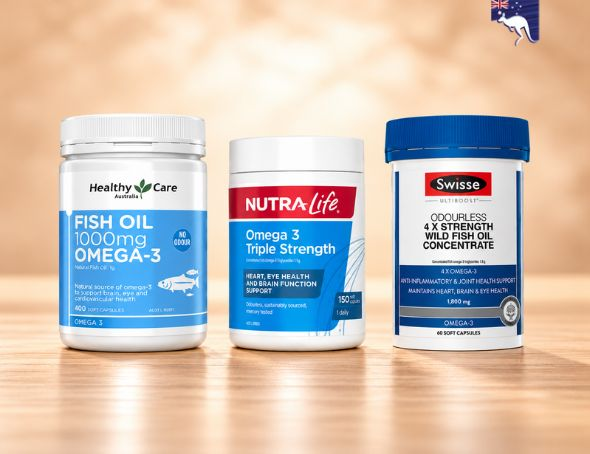
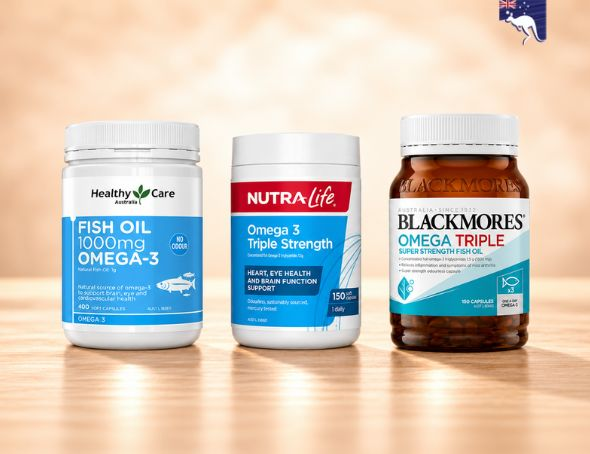
Fish oil belongs in the omega-3 discussion because it supplies EPA and DHA. Its role should be matched to the reason for considering it. The NIH omega-3 fact sheet distinguishes dietary intake, supplements and prescription treatment evidence; these should not be treated as interchangeable.
If a blood test shows raised triglycerides, use the result to start a clinical discussion. Buying a more concentrated capsule does not establish the appropriate treatment, dose or monitoring. For the distinction between triglycerides and LDL, see our omega-3 and cholesterol guide.
CoQ10 and antioxidants need a specific reason
CoQ10 has an important role in the body, but that alone does not prove a benefit from taking extra. NCCIH describes the evidence for preventing heart disease and managing heart failure as inconclusive and does not find overall support for treating statin-related muscle pain with CoQ10. It can also interact with warfarin and insulin. Discuss new muscle symptoms with the prescriber rather than quietly stopping a statin.
For generally healthy, nonpregnant adults, the US Preventive Services Task Force recommends against vitamin E or beta-carotene supplements for cardiovascular prevention. This recommendation is about prevention in that population; treating a diagnosed nutritional deficiency is a different question.
A useful five-minute check before ordering
- Name the goal. Write down the actual issue, rather than “better circulation”. Bring relevant blood results or blood-pressure records to your appointment.
- List what you already take. Include prescribed medicines, occasional painkillers, herbal products and multivitamins. A second product may duplicate an ingredient.
- Compare like with like. Note the ingredient form, amount per capsule and amount per daily serving. Calculate pack duration using the intended directions, not a guessed dose.
- Check the supplied pack. Ask about the exact formula, allergen statement, seal, batch, expiry and storage instructions. Product names and formulations can change.
- Agree how to judge usefulness. If a professional recommends a trial, ask what outcome will be reviewed and when. Feeling no immediate difference is not a reason to keep increasing the amount.
Three catalogue labels worth comparing carefully
Healthy Care Flaxseed Oil 1000mg, Healthy Care High Strength Garlic Oil 5000 and Nutra-Life Kyolic Aged Garlic Extract Heart & Cholesterol Formula illustrate three different preparations. Use their pages to inspect current labels and prices. Their inclusion here is not evidence that all three are needed, or that one is the best treatment for your results.
If a supplement fits an agreed plan, choose the relevant formulation and a pack you can store and use as directed. Buying multiple products with overlapping promises makes the routine harder to assess and can add avoidable cost.

Healthy Care Flaxseed Oil 1000mg
Healthy Care Flaxseed Oil 1000mg in Bangladesh. Compare pack prices, oil and ALA amounts, directions and supplied label details.
When shopping should wait
Chest pain, severe breathlessness, fainting or sudden weakness on one side need urgent medical assessment. A supplement is not a way to test whether these symptoms improve. Persistent leg pain, swelling or coldness also deserves assessment of the cause rather than a product chosen from a “circulation” category.
For everyday prevention, keep the conversation focused on your overall risk and care plan. Our omega-3 and heart-health article explains the narrower fish-oil question without treating every cardiovascular supplement as the same option.