Plant-Based Omega-3 vs Fish Oil: ALA, EPA and DHA Explained
Walnuts, flaxseed oil, fish oil and algal oil can all be described as omega-3 sources. They do not necessarily provide the same fatty acids. Start with the nutrient you want, then choose food or a supplement that fits your diet.
Quick Answer
Most familiar plant omega-3 foods supply ALA, while fish oil supplies EPA and DHA. The body converts some ALA into EPA and DHA, but conversion is limited. Algal oil is the important alternative: it can provide DHA, and sometimes EPA, directly without fish-derived oil.
Key Takeaways
- ALA is an essential nutrient in its own right, not an inferior ingredient to remove from a healthy diet.
- Equal milligrams of ALA and EPA+DHA do not represent interchangeable amounts.
- A fish-free oil is only one part of a vegan product check; the capsule and other ingredients also matter.
A spoonful of seeds and a fish-oil capsule can both add omega-3 to your routine. The confusing part is that “omega-3” is a family name. Comparing the total number on each package can hide the difference between what you eat and what your body must convert.
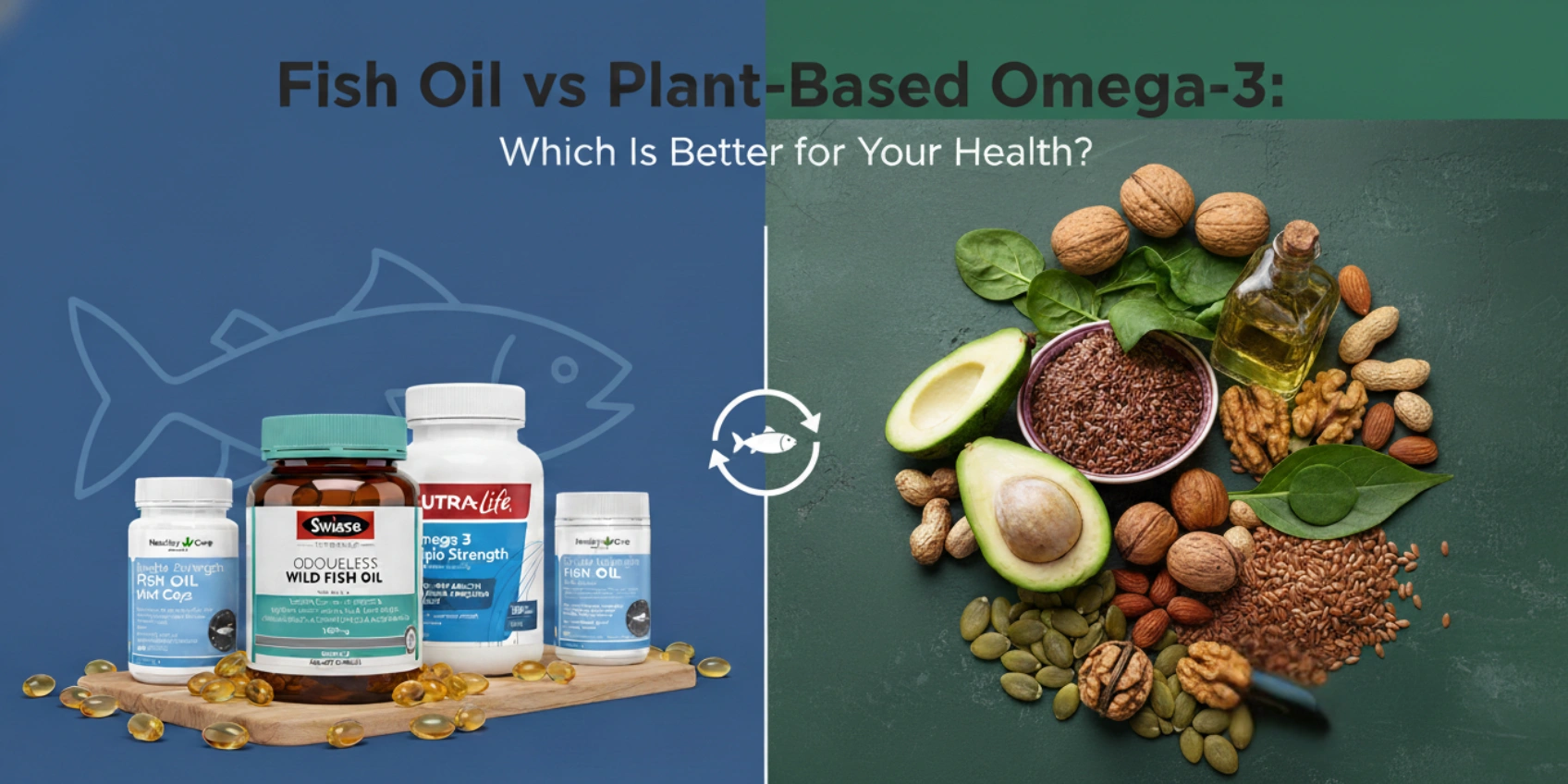
For anyone comparing plant-based omega-3 with fish oil in Bangladesh, the decision starts with three initials: ALA, EPA and DHA. Once those are clear, it becomes easier to plan meals, interpret a supplement label and avoid paying for the wrong nutrient.
Which omega-3 does each source provide?
NCCIH identifies the principal food and supplement sources. Plant foods such as chia, walnuts and flax supply ALA. Fish oil supplies EPA and DHA. Algal oil supplies DHA, with EPA present in some formulations.
| Source | Main comparison point | What to avoid assuming |
|---|---|---|
| Flaxseed, chia, walnuts and their oils | ALA content and how the food fits your meals | That all of the ALA becomes DHA |
| Fish and fish oil | EPA and DHA supplied directly | That the total oil weight equals EPA+DHA |
| Algal omega-3 | Declared DHA and, where included, EPA | That every algal product contains both |
This is why an “omega-3” label needs a second look. The front may use one umbrella term while the ingredient panel answers a much more specific question.
Can the body turn ALA into EPA and DHA?
Yes, but the conversion is limited. NIH’s omega-3 fact sheet explains that ALA is essential because the body cannot make it, and that only a limited amount is converted into longer-chain omega-3s. Direct food or supplement sources are the practical way to raise EPA and DHA intake.
That does not make ALA-rich foods unnecessary. They still contribute to nutrition, and whole foods bring more than one nutrient to a meal. It means you should not count a gram of flaxseed-oil ALA as a gram of EPA+DHA.
Nor is there a reliable personal conversion calculator for a shopper. Multiplying a label amount by a percentage found online creates an appearance of precision without establishing what happens in your body. If a clinician has recommended a specified DHA or EPA amount, show them the label before substituting a plant ALA product.
Build a food routine you can maintain
The NHS vegan diet guide includes omega-3-rich nuts and seeds within a varied diet. It also emphasises planning for other nutrients that can need attention in a vegan diet. One omega-3 purchase cannot replace that wider plan.
For a Bangladesh household, begin with foods you can obtain regularly and actually enjoy. Ground flaxseed mixed into breakfast, walnuts as part of a snack, or chia stirred into a suitable dish are practical possibilities. These are meal ideas, not claims that one portion meets everyone’s requirements.
Use a food package’s serving information when available. A casually heaped spoon, a level spoon and a weighed portion can differ. If you are making a detailed dietary plan, record the food and amount rather than relying on a photograph or a “superfood” description.
There is also no need to turn every meal into a competition between plant foods and fish. Someone who eats both can include both. The NHS guide to dietary fats describes omega-3 sources within a broader pattern of fat choices.
Where algal oil changes the comparison
A buyer who avoids fish may still want a direct source of DHA. An algal formulation provides a route that does not depend on converting a plant ALA oil. Check whether its panel lists DHA alone or a DHA-and-EPA combination; neither the word “algae” nor a green package tells you the amounts.
Then read the entire ingredient list. Capsule materials, flavourings and additional ingredients affect whether a product meets a vegan preference. A product intended for children is also not automatically an adult alternative merely because its oil is algal.
If you want a comparison of supplement sources, capsule counts and value, our fish oil, krill oil and algal oil guide goes further. This page addresses the nutritional distinction between ALA and direct EPA/DHA.
Make the comparison match your purpose
- Improving everyday meals: review the foods you eat over a normal week before deciding a capsule is the missing piece.
- Avoiding fish-derived ingredients: distinguish an ALA supplement from a direct algal DHA or EPA+DHA product.
- Following a clinical recommendation: match the specified ingredients and formulation with the help of the prescriber or pharmacist.
- Comparing prices: compare like nutrients and serving sizes; cheaper milligrams of a different fatty acid are not a like-for-like saving.
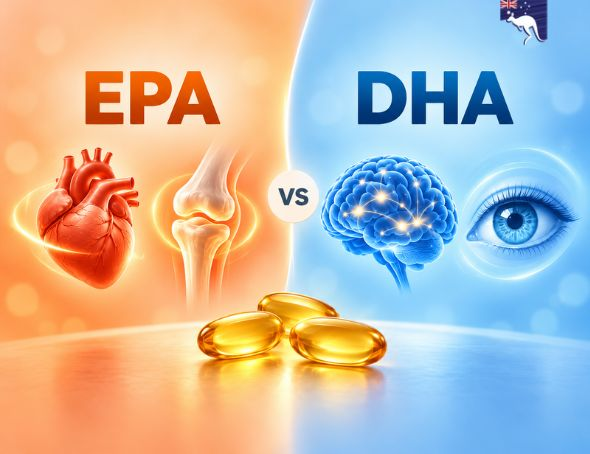
Keep expectations tied to the reason for choosing the source. Nutritional value does not establish that a supplement will prevent disease, improve memory or solve a symptom. For the roles of the individual longer-chain fatty acids, see our EPA versus DHA explanation.

Healthy Care Flaxseed Oil 1000mg
Healthy Care Flaxseed Oil 1000mg in Bangladesh. Compare pack prices, oil and ALA amounts, directions and supplied label details.
Before adding a supplement to your basket
Write down the ingredient you intend to obtain, the labelled amount per serving and who will take it. Check age directions, relevant medicines and the full allergen statement. A fish-free choice for a preference is different from choosing a product safely with a diagnosed allergy.
Use the related product information as a label comparison, not as a recommendation to take every source together. A clear reason for one suitable product is more useful than collecting several bottles that overlap.