Omega-3 for Triglycerides and Cholesterol: Key Differences
A lipid report contains several numbers with different meanings. Learn which ones omega-3 treatment may affect and why a fish-oil supplement should not replace a prescribed cholesterol medicine.
Quick Answer
Prescription omega-3 can lower elevated triglycerides when used for an appropriate clinical indication. It is not a general LDL-cholesterol treatment, and some EPA+DHA medicines can raise LDL in people with very high triglycerides. Nonprescription fish oil is not interchangeable with prescribed omega-3 or a statin.
Key Takeaways
- Read the complete lipid report rather than treating “cholesterol” as one number.
- The ingredient, dose and clinical purpose determine which research findings apply.
- Use follow-up blood tests and a clinician's plan to judge treatment response.
The report arrives with four familiar-looking lines: total cholesterol, LDL, HDL and triglycerides. Someone suggests fish oil. Before buying, the most useful question is: which number are we trying to change?

For customers searching for omega-3 for triglycerides in Bangladesh, this distinction prevents an expensive misunderstanding. A supplement bought for “cholesterol control” may have a very different role from the medicine a clinician intended.
Triglycerides and cholesterol are different
| Measurement | What it describes | Why the distinction matters |
|---|---|---|
| Triglycerides | A major form of fat carried in blood and stored for energy | High values may require attention to causes, lifestyle and sometimes specific medicines. |
| LDL cholesterol | Cholesterol carried in low-density lipoproteins | LDL is a central target in cardiovascular prevention. |
| HDL cholesterol | Cholesterol carried in high-density lipoproteins | It contributes to interpreting the overall lipid pattern. |
| Total cholesterol | A combined cholesterol measurement | It cannot identify the whole problem by itself. |
The WHO dyslipidaemia fact sheet explains that results must be interpreted alongside overall cardiovascular risk. The same result can lead to different decisions in someone with established heart disease and someone without it.
What does prescription omega-3 do?
The American Heart Association science advisory supports prescription omega-3 at a total treatment dose of 4 g daily for lowering high triglycerides. This is a clinician-supervised medicine regimen, not an instruction to take four ordinary fish-oil capsules.
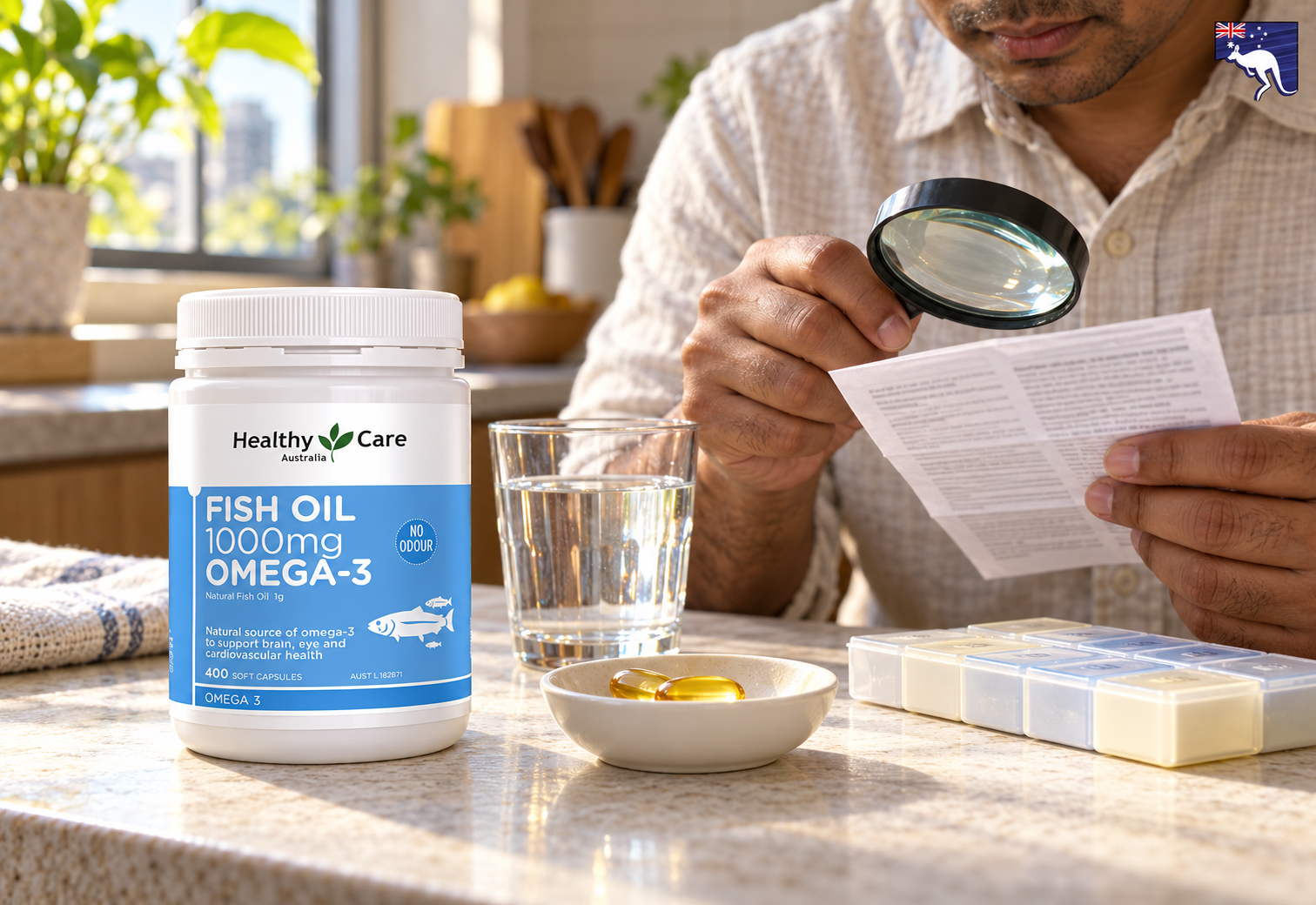
Products differ in concentration and formulation. A capsule labelled “1,000 mg fish oil” does not necessarily contain 1,000 mg of EPA+DHA. Even matching EPA and DHA totals does not establish that a retail product is interchangeable with a particular medicine.
Bring the prescription and the actual pack to a pharmacist if names or strengths seem confusing. The relevant questions are the active ingredient, formulation and prescribed directions. Country of manufacture or premium packaging cannot resolve those questions.
Can fish oil lower LDL cholesterol?
Omega-3 should not be presented as a general LDL-lowering solution. The AHA advisory notes that some prescription EPA+DHA products can increase LDL in people with very high triglycerides. This is one reason the full lipid profile may need monitoring, even when triglycerides improve.
EPA-only treatment and EPA+DHA treatment are also not identical. Avoid choosing between them from an online claim that one is universally better. Your clinician needs to consider the purpose of treatment, the lipid pattern and the evidence for the particular formulation.
The FDA cholesterol medicines guide distinguishes the roles of different lipid medicines. Do not stop a statin or another prescribed treatment when starting an omega-3 product.
Does a lower triglyceride result mean fewer heart attacks?
A better laboratory number and a proven reduction in cardiovascular events are related questions, but they are not identical outcomes. Evidence for one must not be assumed to prove the other.
In REDUCE-IT, prescription icosapent ethyl reduced cardiovascular events in selected high-risk, statin-treated patients with raised triglycerides. That finding belongs to the studied medicine and population. It does not validate every supplement marketed with the words “heart support.”
Our omega-3 and heart-health article compares the broader trial evidence without turning a specific treatment result into a universal promise.
How high is high?
The NHLBI triglyceride guidance describes fasting adult values below 150 mg/dL as healthy, 150–199 as borderline high and 200–499 as high. Values around 500 mg/dL or above need particular clinical attention because pancreatitis risk becomes relevant.
These categories are context, not a self-prescribing chart. Fasting status, repeat results, the reporting units and your medical history matter. Ask your clinician whether another test is needed and follow the laboratory's preparation instructions.
High triglycerides often cause no symptoms. Feeling energetic after a new supplement therefore cannot establish that the result has improved. Severe unexplained abdominal pain, especially with known very high triglycerides, needs urgent assessment.
Look for the reason behind the result
The MedlinePlus testing guide lists possible contributors including poorly controlled diabetes, thyroid, kidney or liver conditions, some medicines, diet and inherited factors. Treatment is more useful when those contributors are considered.
For a Bangladesh household, a realistic food discussion can include sugary tea, sweet drinks, snack portions and the balance of rice with vegetables and protein. This is not a ban on a familiar staple. Take a typical day's food record to a qualified dietitian so advice reflects what you can maintain.
Avoid stopping a suspected medicine on your own. Bring its name to the clinician and ask whether it could be relevant. A useful review also includes family history, activity and previous laboratory reports.

Swisse Ultiboost Odourless High Strength Wild Fish Oil
Swisse Ultiboost Odourless High Strength Wild Fish Oil is a premium Omega-3 supplement that supports heart health, brain function, healthy vision, and nervous system health. Its hi...
Prepare for the next appointment
- Bring the complete report with its date, units and fasting information.
- List all prescribed medicines and supplements, including doses.
- Ask which result is the treatment priority and why.
- Clarify whether the recommendation is a prescription medicine or dietary supplementation.
- Confirm the follow-up test and the symptoms that should prompt earlier contact.
If your goal is ordinary dietary supplementation, inspect the related product labels and current pack information. If your goal is treating a raised lipid result, settle the treatment plan first. This keeps a shopping decision from becoming an unplanned medicine substitution.