Omega-3 for Hair: What the Evidence Can and Cannot Show
More hair in the shower can make a supplement promise tempting. Before buying omega-3 for hair growth, see what the research tested and what a bottle cannot tell you about the cause of shedding.
Quick Answer
Evidence does not establish ordinary fish-oil capsules as a dependable treatment for hair loss. A frequently cited trial tested a combination of omega-3, omega-6 and antioxidants, so its findings cannot isolate the effect of omega-3. Identify the cause of hair loss before deciding whether any supplement belongs in your plan.
Key Takeaways
- A study of a mixed formula cannot prove that fish oil alone produces the same result.
- Hair shedding, breakage and gradual thinning can require different assessments.
- Use product labels to compare nutrients, not to predict hair regrowth or a guaranteed timeline.
The first thing you notice may be a thinner ponytail or more hair on a pillow. Soon, advertisements seem to offer a nutrient for every possible cause. Omega-3 is often on that list, presented as an easy route to thicker, healthier hair.
The problem is not that nutrition is irrelevant. It is that “good for you” and “proven to regrow your hair” are very different claims. Understanding that difference can save you money and help you get useful advice sooner.
What did the human research actually test?
A 2015 randomised comparative study followed 120 healthy women for six months. The supplemented group received a specific combination of omega-3, omega-6 and antioxidants. Researchers reported improvements in measures including photographic hair density and the proportion of hairs in different growth phases compared with the control group.
That is a reason to investigate the formula further, not proof that every fish-oil product treats hair loss. Because several ingredients were given together, the study cannot tell us which ingredient caused the improvement, whether their combination mattered, or whether fish oil alone would achieve the same outcome.
It also does not establish a result for men, every hair-loss condition or any product with a different composition. The six-month study period is not a promise that you will see regrowth after six months of an unrelated supplement.
How to read a hair-benefit claim
| A claim you may see | A better question |
|---|---|
| “Clinically proven hair growth” | Was the exact product studied, and in people with my type of hair loss? |
| “Nourishes the follicles” | Was actual regrowth measured, or is this a general explanation of nutrition? |
| “Results in a few weeks” | What study supports that timeline and outcome? |
| “High-strength omega-3” | What are the EPA/DHA amounts, and why would that dose fit my situation? |
Before-and-after photographs deserve the same questions. Lighting, hairstyle, parting, hair length and camera angle can change the impression of density. A seller's photograph cannot replace a controlled comparison or a diagnosis.
Start by naming the hair problem
Is the main change increased shedding, short broken strands, a widening part, a receding hairline, or a distinct patch? Note when it began and whether the scalp feels itchy, sore or irritated. Those details are more useful at an appointment than arriving with a list of supplements you intend to buy.
The NHS describes several causes of hair loss, including hereditary patterns, illness, stress, weight loss and iron deficiency. This range is why “hair fall means low omega-3” is too simple. If the change worries you, arrange an assessment rather than treating a shop recommendation as the diagnosis.
A dermatologist can decide whether examination is enough or whether a suspected condition warrants testing. The American Academy of Dermatology's diagnostic guidance describes this targeted approach. Ordering every nutrient test on a commercial panel is not the same as investigating the likely cause.
Where nutrition can fit
Bring a short account of recent eating changes to the appointment. Have you started a restrictive diet, skipped meals regularly, lost weight, or excluded several food groups? Include the names of any beauty powders, multivitamins and single-nutrient capsules you already use.
If an assessment identifies a deficiency, the response should address that specific finding. Adding fish oil does not replace iron treatment when iron deficiency is the issue, or the management of another diagnosed cause. A varied food routine also offers more than any one capsule can provide.
Our omega-3 deficiency guide explains why symptoms, food intake and blood measurements need to be considered separately. It can help you prepare for a nutrition discussion without assuming that a particular nutrient is the cause of shedding.
More supplements can create more uncertainty
Combining a hair gummy, a multivitamin and a beauty oil can duplicate ingredients. The AAD cautions that excess amounts of certain nutrients, including selenium and vitamins A and E, have been linked to hair loss. Check the complete formula, not just the ingredient featured on the front.
A multi-ingredient supplement also makes it harder to work out what caused an unwanted effect. Take the packaging to a pharmacist if you are unsure about overlap or medicines. Do not stop a prescribed hair treatment because a new supplement advertises a “natural” alternative.
A sensible way to compare fish oil in Bangladesh
If you have a separate nutritional reason to consider omega-3, compare products for that reason. Check EPA and DHA per serving, capsule size, allergens, storage directions, expiry and the seller's documentation. An attractive hair claim does not improve the quality of the ingredient panel.
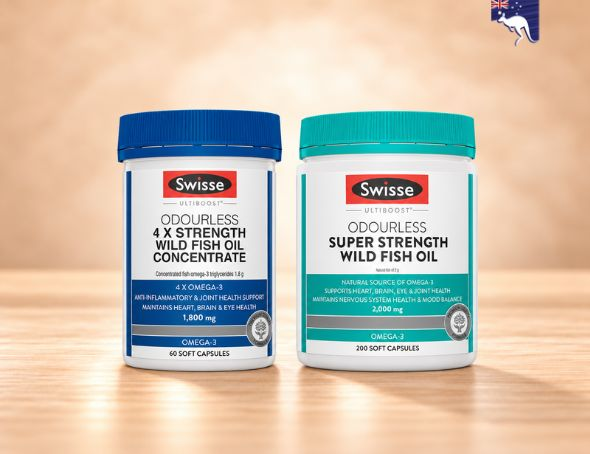
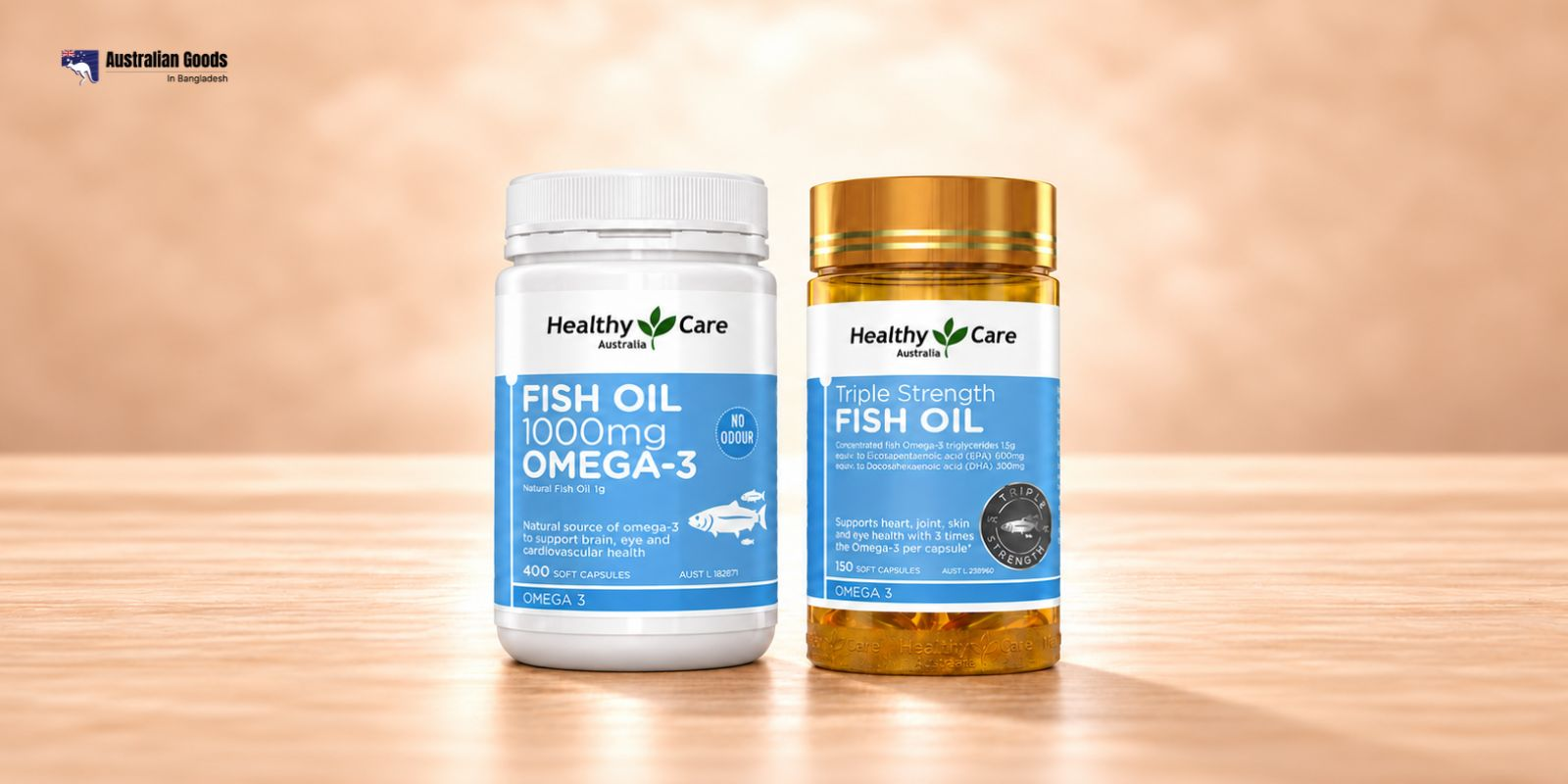
Use our omega-3 buying checklist to narrow suitable options. The products shown here let you inspect formulations; their appearance beside this article does not mean they have been shown to regrow hair.

Healthy Care Fish Oil 1000mg Omega-3
Healthy Care Fish Oil 1000mg Omega-3 is an odourless fish oil supplement that provides essential Omega-3 fatty acids to support heart, brain, eye and joint health. It is a convenie...
Make progress easier to judge
Ask the clinician what change to look for and when to review it. If photographs are part of that plan, use the same parting, light and angle. Keep a record of treatment changes rather than starting several products together and guessing which helped.
The most useful outcome is a clearer plan for your particular hair problem. Sometimes that includes correcting nutrition; sometimes it involves a different treatment or a period of observation. Evidence should guide the purchase, rather than a purchase deciding what you believe the cause must be.