Omega-3 for Anxiety and Depression: Evidence and Limitations
Omega-3 has been studied for anxiety symptoms and depression, but the results do not support replacing mental-health care with fish oil. Explore the differences between conditions, the limits of positive trials, and what an informed conversation about an optional supplement should include.
Quick Answer
Omega-3 may help some people with anxiety or depressive symptoms, but the evidence is uncertain and the conditions should be considered separately. It is not an established replacement for psychological therapy or prescribed medicine. EPA-focused research in depression does not prove that any high-strength fish-oil product will improve anxiety, mood or daily functioning.
Key Takeaways
- A study of stress or anxiety symptoms in healthy volunteers does not establish treatment for an anxiety disorder.
- EPA-focused recommendations for depression are specialist guidance, not a universal supplement prescription.
- If symptoms are affecting sleep, work or relationships, arrange care rather than waiting for a supplement to work.
When worry keeps returning or low mood makes ordinary tasks difficult, a simple supplement can sound appealing. Omega-3 research offers reasons for interest, but it does not provide a dependable shortcut. The most useful starting point is to understand what you are experiencing and what support is already available.

Anxiety and depression can occur together, yet they are not interchangeable research outcomes. A reduction in an anxiety questionnaire score is different from recovery from major depression. Neither should automatically be described as a general “mood boost.”
Omega-3 for anxiety: a possible effect with uncertain evidence
A 2024 systematic review combined 23 randomised trials involving 2,189 participants. It reported a possible improvement in anxiety symptoms, but the authors judged the overall dose-response evidence to be of very low certainty and called for better trials. The participants and study designs varied, limiting how confidently the result can be applied to a particular person. Read the anxiety review.
The review also explored different amounts of omega-3. That analysis does not establish a dose that everyone with anxiety should buy. When studies differ in population, formulation and methods, the apparent best amount may not represent a reliable treatment choice for an individual.
A helpful example is a 12-week trial in 68 medical students. Those receiving omega-3 had lower anxiety symptoms than controls, without a significant change in depressive symptoms. The volunteers were not a group diagnosed with an anxiety disorder. The study therefore supports further investigation, rather than proving that fish oil treats generalised anxiety disorder or panic disorder. See the original student trial.
Depression research answers a different question
A Cochrane review of adults with major depressive disorder included 35 studies. It found a small-to-modest symptom benefit compared with placebo, but the evidence was low or very low certainty and the average effect was unlikely to be clinically meaningful. The review did not establish that omega-3 can substitute for antidepressant treatment. Read the Cochrane assessment.
“Statistically significant” and “noticeably helpful” are not synonyms. A difference can be detectable when results are pooled without being large enough to improve everyday life. Useful outcomes include being able to work, reconnect with people and regain interest in activities, not just moving a score slightly.
Studies also differ in whether participants continue antidepressants. If omega-3 is tested as an addition to usual treatment, any finding concerns that combination. It does not show what would happen if the usual treatment were stopped.
| Research setting | What it may inform | What it does not establish |
|---|---|---|
| Healthy volunteers with stress symptoms | A possible change in measured symptoms | Treatment of a diagnosed anxiety disorder |
| Omega-3 added to depression care | A possible additional effect | Replacement of existing treatment |
| A mixed supplement formula | The effect of that combination | The independent effect of fish oil |
Why is EPA often mentioned for depression?
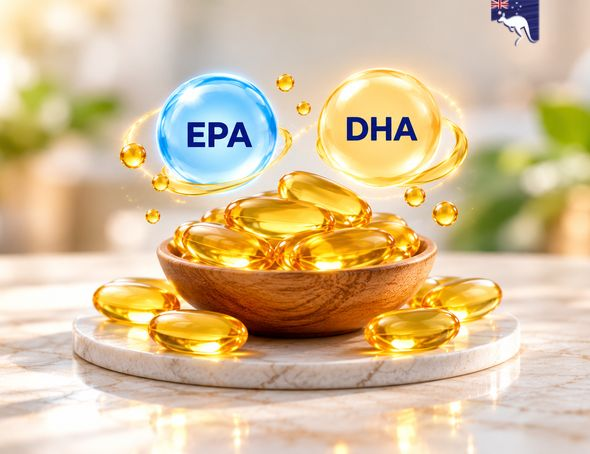
EPA and DHA are different long-chain omega-3 fatty acids. A 2019 expert consensus from the International Society for Nutritional Psychiatry Research favoured EPA or EPA-predominant formulations for clinical depression care. It also called for clinical assessment and monitoring, rather than recommending unsupervised use. See the specialist consensus.
This helps explain why a clinician may discuss an EPA-focused product despite uncertainty in broader reviews. Expert consensus and systematic reviews can place different weight on evidence; neither means every patient will benefit. The recommendation concerns depression and should not be transferred automatically to anxiety.
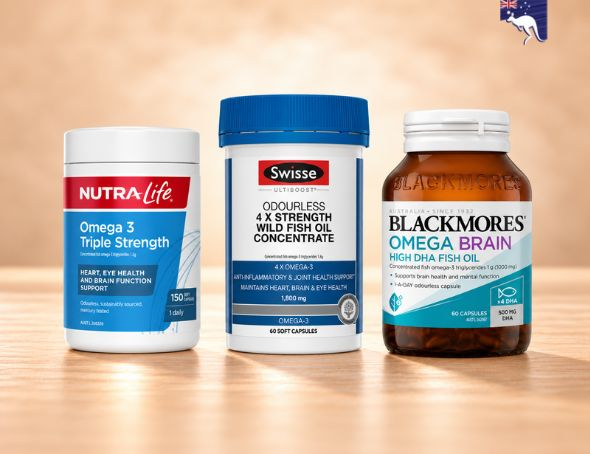
A “high strength” label is not enough to identify the formulation used in a trial. Compare the actual EPA and DHA listed per serving. Total fish-oil weight, EPA amount and capsule count are three different numbers. Our omega-3 label and dosage guide explains how to check the amounts per serving.
Keep established care at the centre
For generalised anxiety disorder, NICE describes a stepped approach that can include guided self-help, psychological treatments such as cognitive behavioural therapy, and medicine when appropriate. The choice depends on severity, preferences and response to earlier care. See the anxiety treatment recommendations.
These are UK specialist recommendations, not a claim about a separate Bangladesh treatment protocol. Their practical message is relevant: persistent symptoms deserve assessment and a plan, not an automatic supplement purchase. A doctor or qualified mental-health professional can help clarify what is happening and which options are suitable.
Do not stop prescribed psychiatric medicine because a product is marketed as natural. If treatment is not helping or side effects are difficult, tell the prescriber. An optional supplement can be discussed within that conversation; it should not become a reason to manage medication changes alone.
A useful conversation before trying a supplement
Bring a short description of your main difficulty rather than trying to diagnose yourself from an advertisement. For example: “Worry is keeping me awake most nights,” or “I have stopped enjoying things and am missing work.” Mention how long this has been happening and what support you have already tried.
- Clarify the goal. Is the proposal to address dietary intake or to try an addition to a treatment plan?
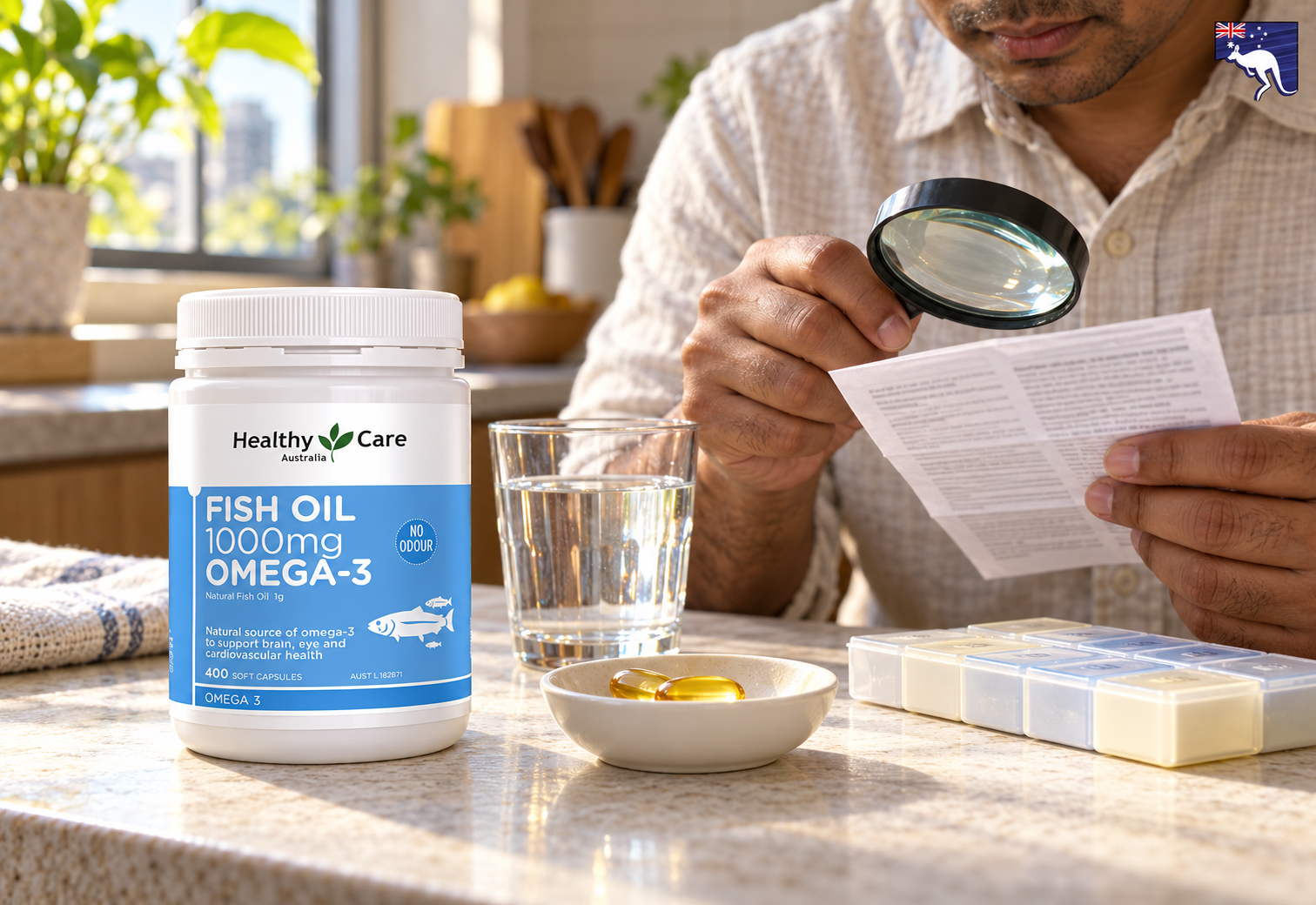
- Identify the exact product. Bring the full label, including added herbs, vitamins and other ingredients.
- Agree on review. Decide which symptoms and aspects of daily life matter and when to reassess them.
- Record other changes. Therapy, medication changes and major life events can affect how you feel.
A brief record can be useful, but constant checking can become another burden. Choose a simple approach with your clinician. If there is no clear benefit, discuss whether continued cost and inconvenience are justified instead of repeatedly increasing the amount.
Safety and practical buying questions
Fishy aftertaste and digestive symptoms can occur. People with fish or shellfish allergy, or those using medicines that affect bleeding, should discuss suitability before use. Show the clinician all ingredients in a combined “mood” formula, because its safety cannot be judged from the fish-oil component alone. NCCIH reviews complementary approaches and safety.
In Bangladesh, compare the specific label rather than assuming that every imported bottle has the same composition. Check the intact seal, expiry date, serving instructions and seller information. Storage should follow the product label, especially during hot weather. A premium price or Australian origin does not demonstrate a mental-health effect.
It is reasonable to discuss food and nutrition as part of care. It is equally reasonable to decide that another supplement is not a priority. Access to an appointment, prescribed treatment and practical support may matter more than buying a large bottle with an uncertain benefit.

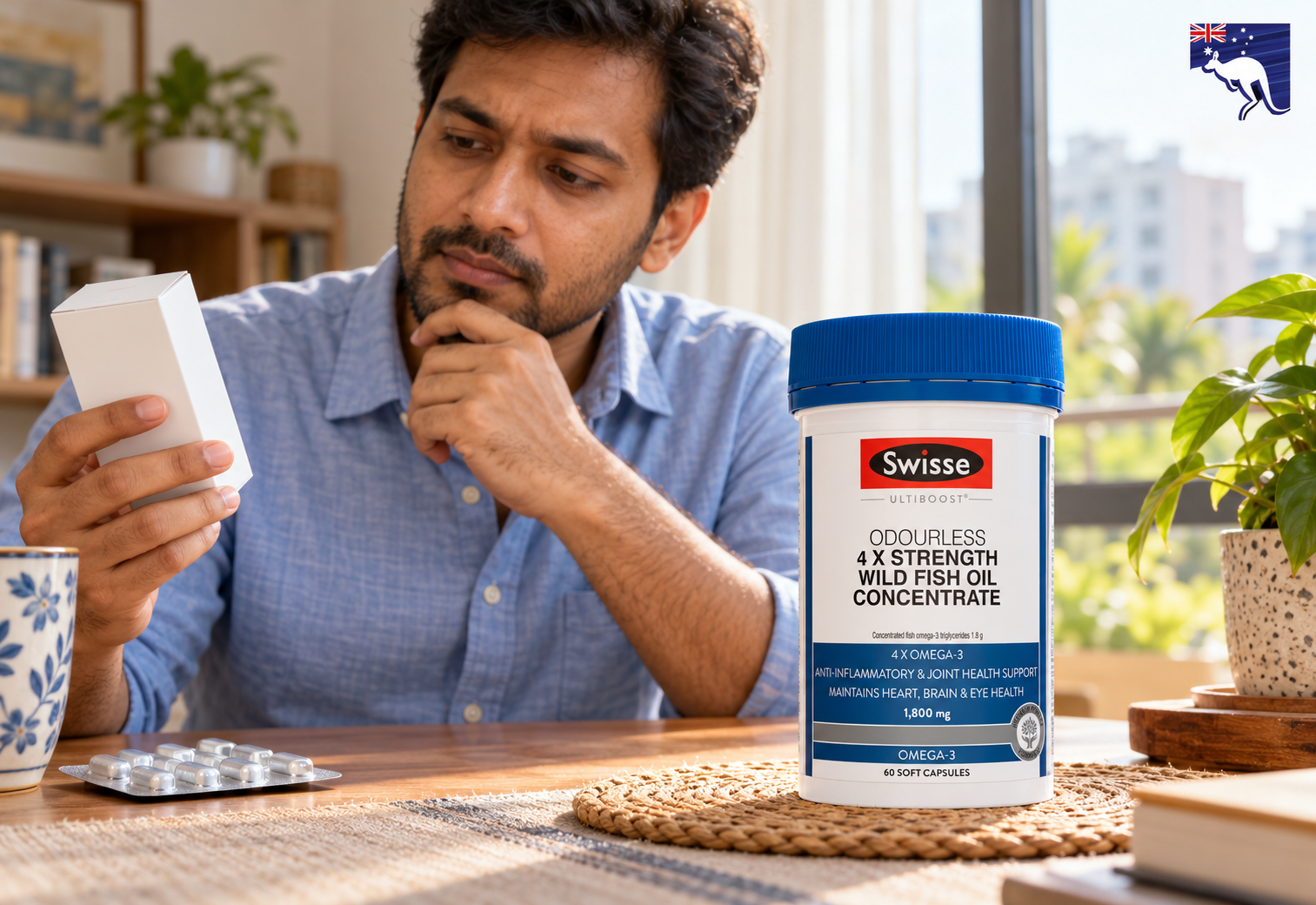
Swisse Ultiboost Odourless 4 x Strength Wild Fish Oil Concentrate
Swisse Ultiboost Odourless 4 x Strength Wild Fish Oil Concentrate is a high-strength omega-3 supplement formulated to support heart, brain, eye and joint health. Each capsule provi...
When waiting is the wrong approach
If symptoms are worsening or interfering substantially with daily life, arrange professional help instead of waiting for a supplement trial to finish. If you feel unable to stay safe or there is an immediate danger of harm, seek urgent local emergency help and ask someone you trust to stay with you. Fish oil is not emergency treatment.