Antacids, Digestive Enzymes or Probiotics for Heartburn, Gas and Bloating?
A sour taste after dinner and a swollen belly after lunch point to different questions. Follow the symptom you actually feel, find out what an antacid, enzyme or probiotic can do, and decide what to tell your pharmacist.
Quick Answer
An antacid can ease occasional heartburn. A digestive enzyme can help with a specific problem, such as difficulty digesting the sugar in milk. Gastroenterologists advise against using probiotics to treat abdominal bloating. If symptoms keep coming back, the timing and location of the discomfort can help a clinician narrow down the cause.
Key Takeaways
- Describe the location, timing and feeling when asking about “gas” at a pharmacy.
- Check with the pharmacist before taking an antacid alongside other medicines. Some need to be taken at different times.
- Frequent heartburn, difficulty swallowing or unexplained weight loss should be assessed. New squeezing chest pain needs emergency care.
“I have gas” can mean a burning feeling behind your breastbone, a waistband that feels tight, or the need to burp. Say which one you mean at the pharmacy and you may come away with quite different advice. When comparing antacids vs digestive enzymes vs probiotics, start with what you feel. An antacid can ease occasional heartburn. An enzyme has to match a particular food or deficiency. A probiotic has no established role as quick relief for either symptom.
Heartburn, gas or fullness: where do you feel it?
A burning sensation rising from the chest towards the throat, sometimes with a sour taste, is typical of acid reflux. Bloating is the feeling of abdominal fullness or pressure. Your belly may look larger, but it can feel tight without changing size. Burping brings air up through the mouth. Wind passes from the bowel. These symptoms can overlap after the same meal, so describe the one that bothers you most. Reflux symptoms and the American Gastroenterological Association’s guide to bloating.
New tight or squeezing chest pain needs emergency assessment. This is especially urgent if the discomfort spreads to your arm, neck or jaw, or comes with sweating or shortness of breath. A heart attack can feel like indigestion. Do not wait to see whether an antacid helps. NHS heart attack symptoms.
When does an antacid make sense?
For familiar, occasional heartburn, an antacid neutralises stomach acid and can give short-term relief. Check the active ingredient and follow your pack’s directions. Some products also contain an alginate, which forms a protective layer to help limit reflux. If you take other medicines, ask a pharmacist about spacing. Antacids can interfere with absorption, and the timing depends on the medicines involved. Kidney disease, heart failure or a prescribed low-salt diet can also affect which preparation is suitable. NHS guide to antacids.
Suppose the burning keeps waking you after a late dinner. Moving dinner earlier may be more practical than avoiding every spice you cook with. For reflux when lying down, try leaving at least three hours between your evening meal and bed if your schedule allows. Pay attention to your own triggers. If you need antacids regularly, speak to a doctor about the recurring symptoms. NIDDK guidance on meals and nighttime reflux.
What is in the bottle you already have?
Turn a bottle of “gas medicine” around and look under active ingredients. Calcium carbonate or magnesium hydroxide is an antacid. If the label also lists simeticone, the manufacturer has included a separate ingredient for trapped wind. That explains why two bottles with similar promises on the front can have different directions. Check whether the amount on the label is per tablet, per five millilitres or per dose. If you are switching from a chewable tablet to a liquid, use the liquid’s own measure and directions.
Think about when your symptoms changed, too. If your heartburn eased but constipation or diarrhoea started after you began an antacid, mention both when you take the packet to a pharmacist. Either can be a side effect. Before adding a probiotic or enzyme for the new bowel symptom, ask whether the first medicine could explain it. NHS guidance on antacid ingredients and side effects.
When might a digestive enzyme help?
An enzyme has a particular job. If you repeatedly get cramps and wind after milk or ice cream, lactase is the enzyme that breaks down milk sugar. An adult with lactose intolerance might use it with a dairy meal according to the label. One evening of fullness after biryani gives you little reason to suspect an enzyme deficiency. Compare the meal size, the drink and what happens on other days before putting a broad enzyme blend in your basket. Compare lactase and digestive enzyme labels for dairy.
If you have already been diagnosed with pancreatic enzyme insufficiency, follow the prescription from your care team. A digestive supplement from a shop cannot replace prescription pancreatic enzyme replacement therapy. Mention persistent greasy stools or unintended weight loss to your doctor. How pancreatic enzyme insufficiency is treated.
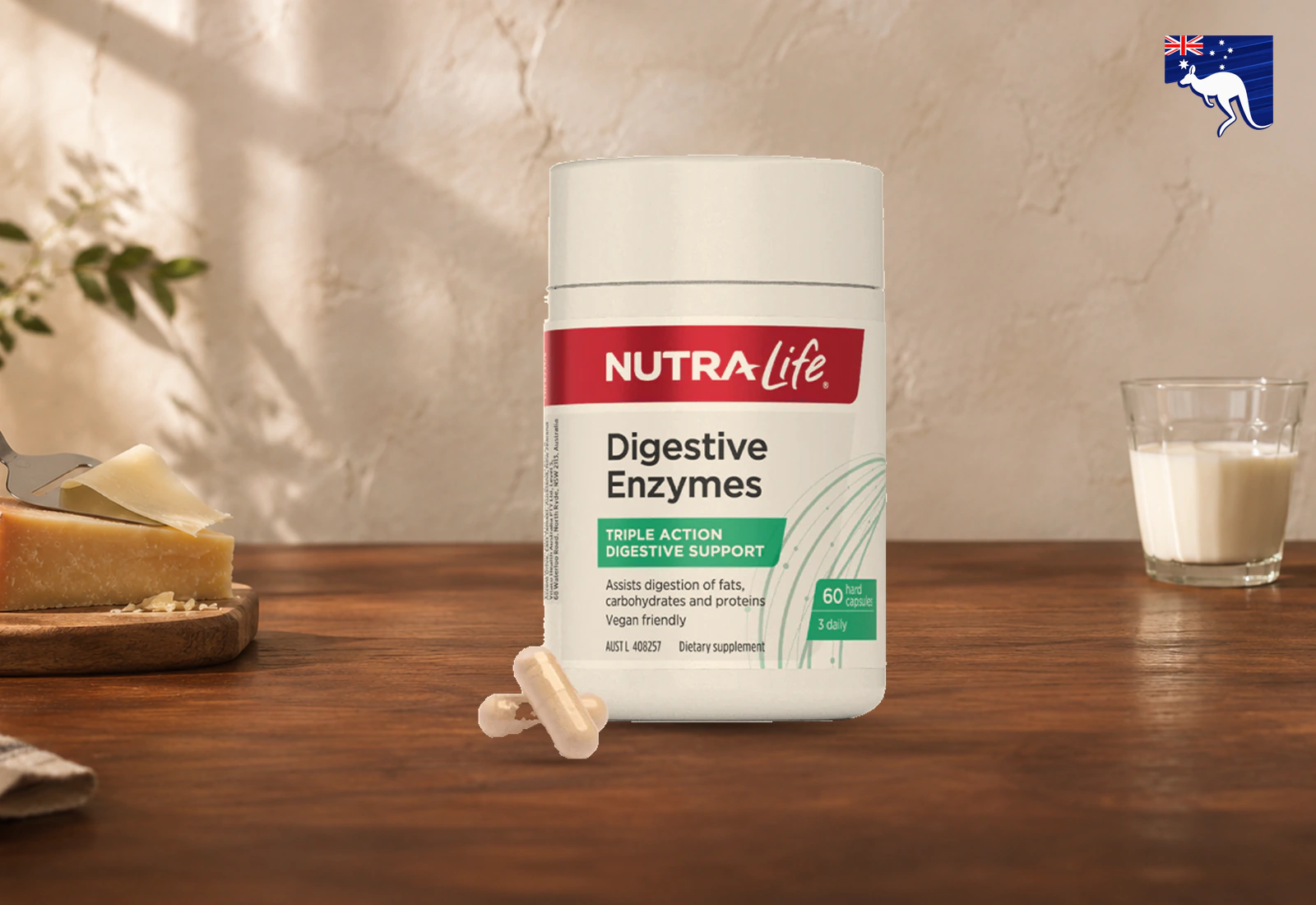
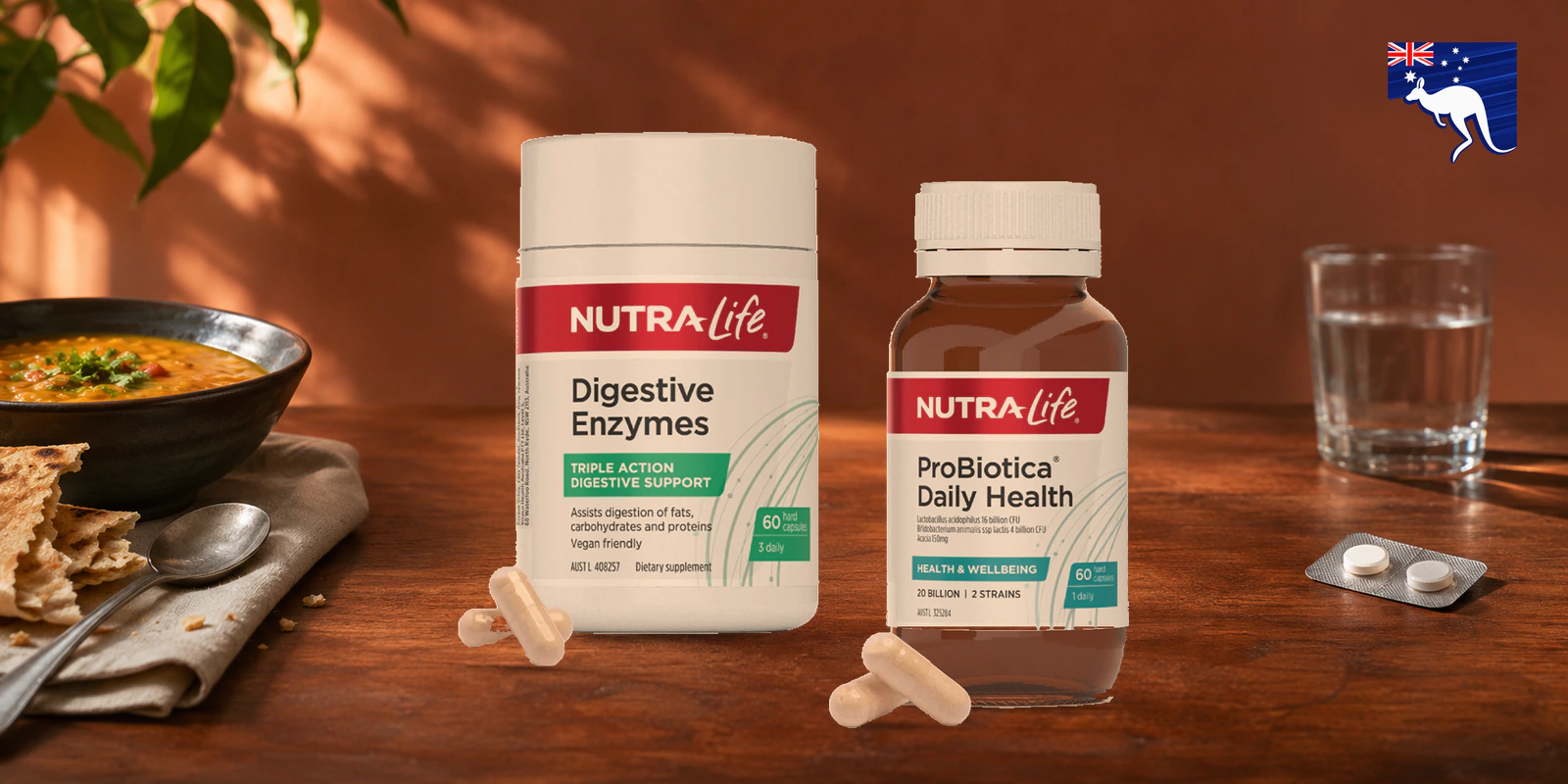
If you are comparing a blend, check which enzymes it supplies. The label below is an example, not a treatment recommendation for unexplained symptoms.

Nutra life Digestive Enzymes
Nutra life Digestive Enzymes: compare its formula, meal-time directions, pack value and Bangladesh price.
Should you take probiotics for gas and bloating?
The American Gastroenterological Association advises against using probiotics to treat abdominal bloating or distension. A capsule also cannot neutralise the acid that gives you heartburn. If a clinician suggests a probiotic for a separate reason, ask which strain was studied and what improvement to look for before you choose a product. AGA clinical advice on bloating.
For gas after dal and a fizzy drink at lunch, it can help to change one thing at a time. Try the same lunch with still water on another day. Note whether you ate quickly, felt constipated or had the same trouble before eating. A short record gives a clinician clues if bloating persists, and avoids cutting out several familiar foods at once. Why gas symptoms occur.
What should you tell the pharmacist or doctor?
Try a specific description such as “I get a sour taste when I lie down after dinner three nights a week” or “My abdomen feels tight by noon, even on days I skip milk.” Say when it started, what you have already tried, and which medicines you take. Bring the pack or a phone photo if you bought a product in Bangladesh and are unsure which ingredients it contains.
Arrange medical review for recurring symptoms, difficulty swallowing, repeated vomiting or unexplained weight loss. Seek urgent care for blood in vomit or black, tarry stools. Those details change the next step much more than the brand on the packet. NIDDK warning signs.