How to Check Original Fish Oil in Bangladesh
A familiar logo is a starting point, not proof that a fish-oil bottle is genuine. Use this guide to check the exact product, seller, packaging and available manufacturer verification before buying in Bangladesh—and to handle a questionable delivery without guessing.
Quick Answer
To check original fish oil in Bangladesh, match the exact formulation to the manufacturer's information, choose a traceable seller, inspect the seal and batch details, and use the brand's official verification process where available. A barcode scan, Australian flag or fishy smell alone cannot authenticate the bottle.
Key Takeaways
- Check the exact product and seller together: a genuine brand name does not verify the individual bottle being offered.
- An Australian register entry identifies a listed product; it does not authenticate every package carrying its number.
- Keep your invoice, pack photographs and batch details so the seller or manufacturer can investigate a concern.
The bottle in a shop photo looks familiar. The label says Australian, the price seems attractive and a barcode scan finds a matching product. You still have one unanswered question: is this particular bottle what the seller says it is?
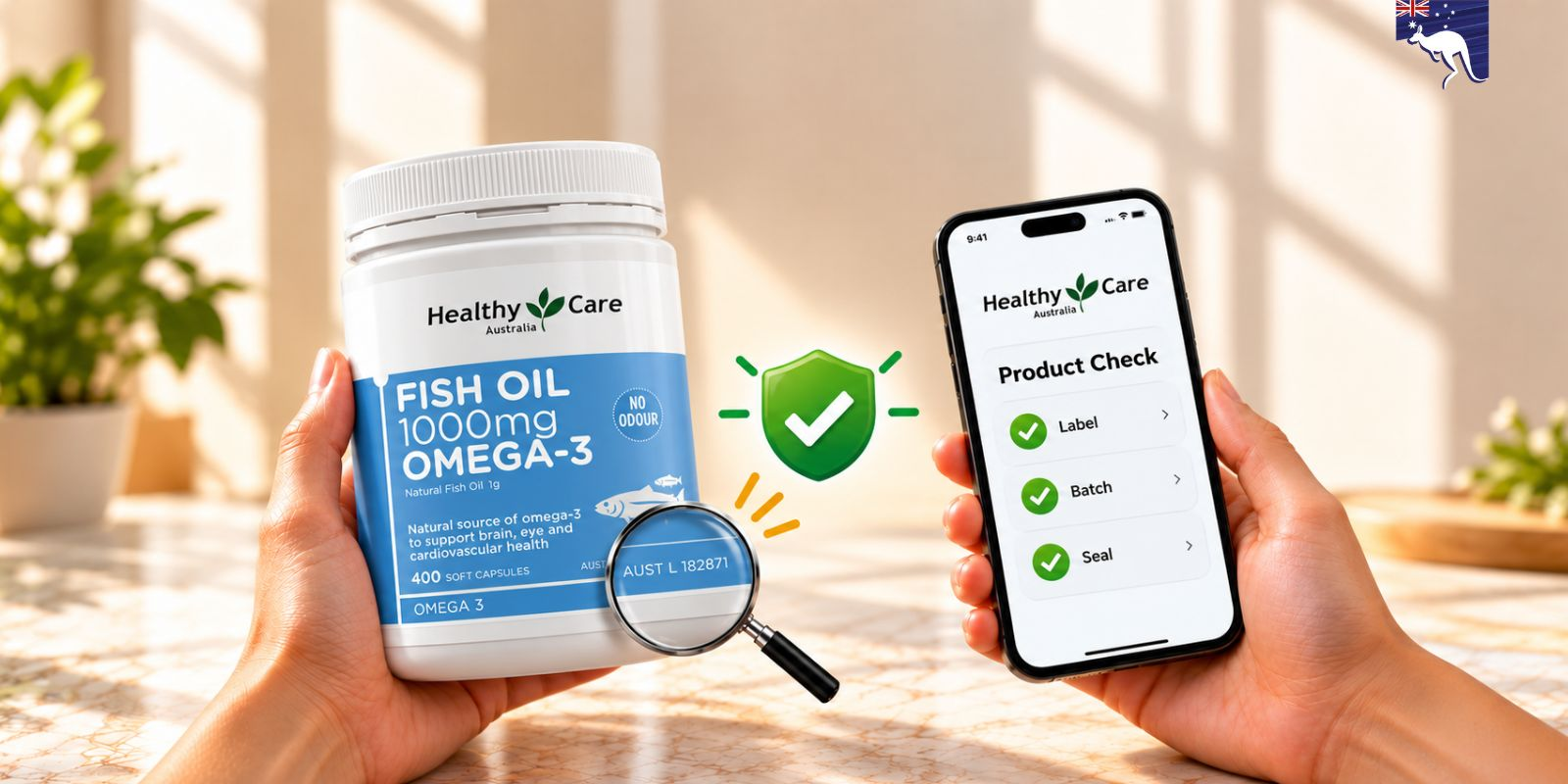
There is no reliable home test that answers everything. The practical approach is to combine several checks and investigate anything that does not match. The Australian TGA warns that counterfeit products can imitate genuine packaging, so appearance should never be the only evidence.
First, identify the exact fish oil
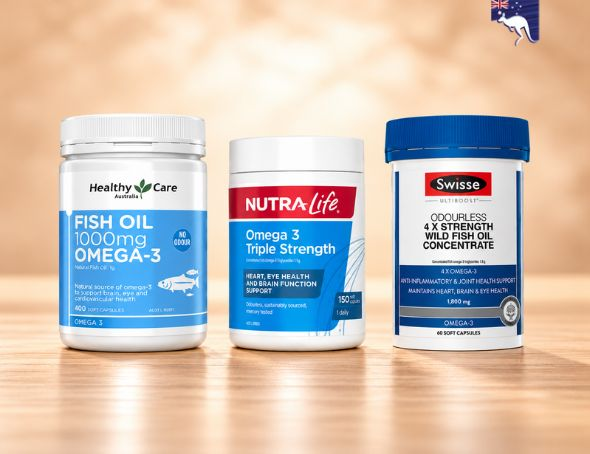
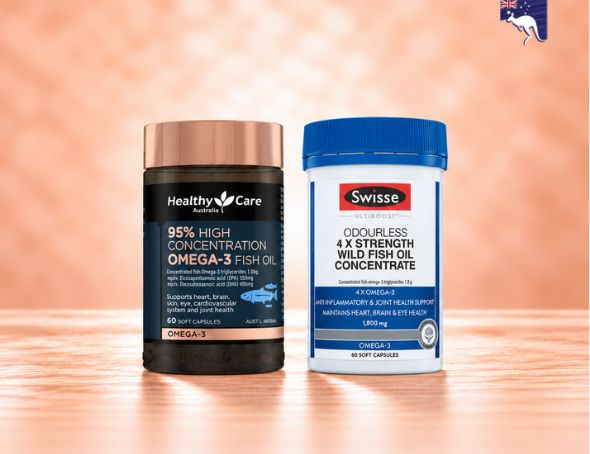
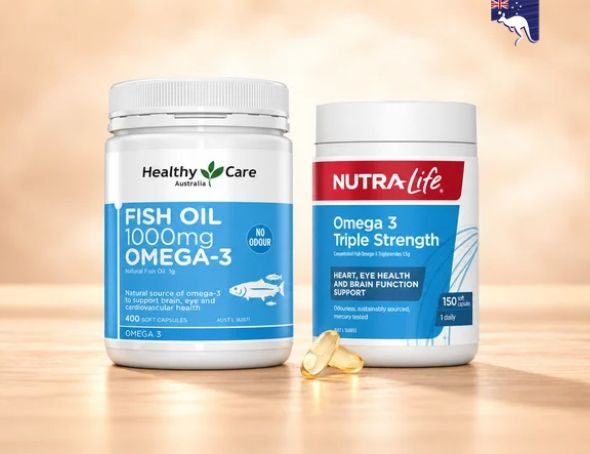
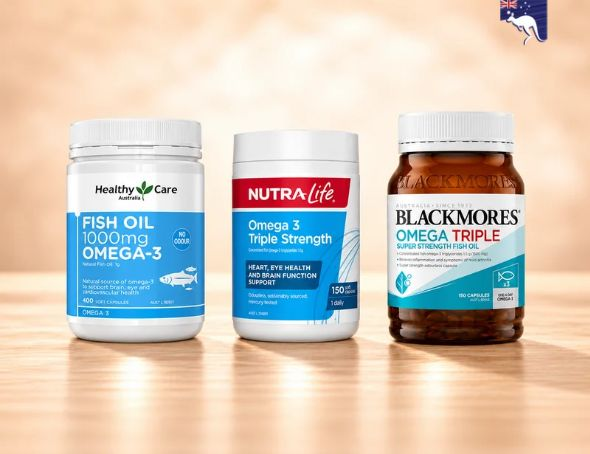
Match the full product name, strength, capsule count and ingredient amounts. “Swisse fish oil” or “Healthy Care omega-3” is not precise enough: a brand can sell several formulations with similar colours and different EPA and DHA amounts. Compare the available pack with the manufacturer's current information for that market.
Ask for readable photographs of the bottle being supplied, including its back label and expiry area. A manufacturer's stock image explains what a product generally looks like; it does not show the seller's actual inventory. If the listing and bottle disagree, resolve the difference before ordering.
Choose a seller you can trace after delivery
Look for a business identity, working contact details, a clear invoice and an understandable process for reporting a wrong or damaged item. Save the listing and order confirmation. If an answer is only “100% original,” ask what documentation or manufacturer verification supports that statement.
The WHO's consumer guidance recommends trusted outlets and warns about websites concealing contact information and suspicious offers. For a Bangladesh purchase, the useful question is whether the seller can identify the supplied product and respond when a problem arises. A high price is not a certificate, and a discount alone does not prove a fake.
Understand what an AUST number tells you
Many Australian medicine labels carry an AUST L, AUST L(A) or AUST R number. Use the TGA's official information and register to check a claimed Australian listing, comparing the product identity rather than merely finding a similar name.
AUST L identifies a listed medicine; the TGA does not assess each such product's efficacy before sale. Assessed listed and registered medicines have different evaluation pathways. The TGA explains these categories.
A matching entry is one identity check. It does not verify the Bangladesh seller, the bottle's journey or a copied number on a counterfeit label. Avoid turning “listed in Australia” into a promise that the capsule treats a disease.
Use the brand's verification process where available
Swisse publishes a verification guide describing a QR code and an authenticity code under a silver scratch panel on relevant packaging. Follow the official Swisse instructions for a pack carrying that system. Contact the brand if the result is unclear; do not assume every product, market or older pack uses identical technology.
Packaging changes can also be legitimate. Swisse's packaging refresh information describes design changes. Therefore, a changed cap or label deserves a check against the correct product version, rather than an immediate accusation or automatic reassurance.
Inspect the delivery before using it
| Check | What to do |
|---|---|
| Product and serving details | Confirm they match the item you ordered, including capsule count. |
| Seal and container | Look for damage, leakage or signs of tampering. |
| Batch and expiry | Keep them legible; compare inner and outer packaging where both show these details. |
| Unexpected appearance or smell | Pause use and seek clarification rather than testing another capsule. |
These checks follow the WHO's advice on inspecting received products. They identify reasons to investigate; passing them does not provide laboratory confirmation of identity, purity or potency.

Swisse Ultiboost Odourless High Strength Wild Fish Oil
Swisse Ultiboost Odourless High Strength Wild Fish Oil is a premium Omega-3 supplement that supports heart health, brain function, healthy vision, and nervous system health. Its hi...
Keep authenticity separate from freshness and suitability
A genuine product can still be unsuitable for you or have a storage problem. An ordinary barcode identifies a product type, while a brand's authentication system may provide additional checks. Neither a fishy aftertaste nor a freezer experiment substitutes for a documented investigation.
For questions about heat, oxidation and storage, use our fish-oil freshness guide. For deciding which formulation fits your needs, see how to choose an omega-3 supplement.
If something remains questionable, keep the bottle and invoice, photograph the issue and contact the seller and manufacturer. Do not buy another bottle merely to compare its taste. If you experience a suspected adverse reaction, obtain medical advice and provide the exact product details.