How to Choose the Right Kids Nutrition Drinks for Growth
Choosing the right kids nutrition drink means checking your child’s age, appetite, growth needs, diet pattern, sugar level, protein, calcium, vitamin D, DHA, and allergens. This guide helps Bangladeshi parents understand when nutrition drinks may help, what to avoid, how to compare options, and why drinks should support balanced meals not replace real food.
Many parents choose kids' nutrition drinks hoping to support growth, weight, energy, immunity, and learning. But not every drink is suitable for every child, and choosing the wrong one can lead to excess sugar, unnecessary calories, or poor meal habits. This guide explains how to identify your child's nutritional gaps, what to look for on labels, how to avoid common marketing traps, and which trusted supplements can support their daily growth safely.
Quick Navigation – Kids Nutrition & Growth Drinks Guide

Helping children grow healthy involves prioritizing balanced, nutrient-dense whole foods, establishing structured meal times, encouraging hydration, and using targeted dietary support under professional guidance when gaps persist.
How do you choose the right kids' nutrition drink?
To select the right kids' nutrition drink, assess your child's specific dietary gaps (e.g., low calcium, protein, or zinc) and age group rather than relying on generalized height-booster ads. Choose formulas with controlled sugar, balanced protein, and vital micronutrients (Vitamin D, Calcium, Iron, and Zinc), ensuring they serve as occasional dietary support rather than replacing main meals.
What Are Kids Nutrition Drinks?
Kids' nutrition drinks are liquid formulas, ready-to-drink shakes, or dissolvable powders designed to supply supplemental calories, macronutrients (like proteins and fats), and essential vitamins and minerals. They are formulated to support nutritional adequacy in growing children, particularly during rapid physical development phases or when dietary variety is restricted.
Nutrition Drink vs Regular Milk vs Homemade Smoothie
| Option | What It Provides | Best Use Case |
|---|---|---|
| Regular Cow Milk | Natural calcium, protein, hydration, Vitamin B12, and moderate healthy fats. | Daily baseline nutrition for children over 12 months with a balanced diet. |
| Fortified Nutrition Drink | Targeted vitamins, minerals, specialized proteins, and calorie boosts. | Nutritional support during picky eating phases, school fatigue, or recovery. |
| Homemade Smoothie | Real food nutrients, vitamins, dietary fiber, and healthy natural fats. | A nutrient-dense afternoon snack or a supportive hydration boost. |
Are Nutrition Drinks Meal Replacements?
Generally, commercial nutrition drinks should not be treated as meal replacements for healthy children. While they can bridge temporary gaps, relying on liquid calories can suppress a child's natural appetite for solid foods. Complete medical-grade formula liquid replacements are typically reserved for children under strict clinical or pediatric supervision due to distinct medical conditions.
When Might a Child Need a Nutrition Drink?
In Bangladesh, factors like busy school and coaching schedules, intense summer heat causing appetite drops, high intake of low-nutrient processed snacks, and picky eating behaviors often leave children lacking sufficient key nutrients.
Possible Situations for Supplemental Nutrition Support:
- Picky eating behaviors that limit fruit, vegetable, or protein intake.
- Poor or irregular appetite during seasonal changes or hot weather.
- Slow weight gain or growth curves identified by healthcare charts.
- Inadequate daily protein or dairy consumption due to dietary preferences.
- Busy morning routines where sitting down for a full breakfast is difficult.
- Convalescence or recovery periods following common seasonal illnesses.
When to Ask a Pediatrician First
While retail dietary drinks and vitamins are readily available, seek professional medical guidance if your child experiences:
- Unexplained weight loss or severe lack of energy.
- Suspected food allergies, gluten sensitivity, or severe lactose intolerance.
- Chronic digestive issues like chronic diarrhea, bloating, or stomach pain.
- Developmental delays or growth parameters falling below recommended percentiles.
- The child is under 2 years of age (toddlers have delicate organ systems requiring precise nutrient balances).
Does every child need a nutrition drink?
Short answer: No. Most children can successfully meet their physiological requirements from regular, balanced home-cooked meals. Nutrition drinks and supplemental chewables serve as supportive tools when lifestyle limits, appetite drops, or dietary gaps emerge.
Key Nutrients to Look for in Kids Nutrition Drinks
When evaluating nutrition drinks or supplemental products, check the labels for these foundational growing-years ingredients:
1) Protein for Growth and Muscle Support
Protein provides the amino acids necessary for lean tissue repair, muscle development, and immune antibody formation. Avoid over-concentrating protein, as excess protein intake can place unnecessary stress on a young child's kidneys.
2) Calcium and Vitamin D for Bones
Calcium is the primary building block of bones, while Vitamin D is essential for absorbing that calcium effectively. This pairing is vital if your child has low dairy intake or limited morning sun exposure.
3) Iron for Energy and Oxygen Transport
Iron is critical for healthy red blood cells, which carry oxygen to muscles and the brain, helping children remain focused during school. Iron levels should be balanced; avoid self-prescribing high-strength iron without a doctor's confirmation of deficiency.
4) Zinc for Immune Support
Zinc plays a crucial role in immune system defense, cell division, and healthy appetite regulation. Children deficient in Zinc often display poor taste perception and low appetite.
5) Healthy Fats and DHA
Docosahexaenoic Acid (DHA) is an omega-3 fatty acid crucial for early brain function and eye health. If your child rarely eats oily marine fish, finding a source of DHA can support learning and cognitive focus.
6) Fiber or Prebiotics for Digestion
Gut-friendly prebiotics or soluble fibers help maintain normal stool consistency and support the digestive microbiome, which is particularly useful for kids with low fruit and vegetable intake.
What to Avoid in Kids Nutrition Drinks
Not all kids' wellness drinks are healthy. Many popular options contain ingredients that may hinder, rather than help, long-term health.
Too Much Added Sugar
Excessive sucrose, high-fructose corn syrup, or maltodextrin adds empty calories. High sugar can spoil a child's appetite for nutritious lunch or dinner, increase dental cavity risk, and reinforce a strong preference for ultra-sweet processed foods.
Artificial Claims or “Height Guarantee” Marketing
Be skeptical of products promising guaranteed height increases or instant brain boosts. Height is primarily determined by genetics, alongside overall sleep hygiene, systemic health, physical activity, and broad long-term dietary habits—not a single beverage or supplement.
Adult Protein Powders and Pre-Workouts
Never give adult body-building powders or protein shakes to children unless specifically instructed by a pediatrician. Adult products often contain high amino-acid concentrations, artificial sweeteners, caffeine, or herbal extracts unsafe for immature systems.
Unclear Imported Products
Only buy products from transparent retailers with verifiable supply chains. Avoid packages showing compromised seals, missing ingredient details, no clear age-dosage guidelines, or lack of rigorous safety certifications.
Using Drinks as a Permanent Substitute for Meals
Relying on liquid nutrition means children miss out on chewing practice, tasting diverse food textures, and developing healthy eating habits that prevent selective eating in the future.
How to Choose the Right Kids Nutrition Drink: A Step-by-Step Framework
Use this logical process to make an informed choice for your child's dietary routine:
Step 1: Check the Child's Age Range
Nutritional needs transition quickly. Infant formula, toddler drinks, and school-age supplements have distinct compositions. Always verify the age rating on the label before purchasing.
Step 2: Identify the Real Nutrition Gap
Observe your child's patterns. Are they avoiding dairy (calcium deficiency), skipping proteins, or struggling with general low appetite? Targeted support is better than generic calorie overloading.
Step 3: Read the Nutrition Label Carefully
Do not rely only on front-of-pack buy words. Turn the product over and check the serving size, grams of sugar, protein source, and active micro-minerals like iron and zinc.
Step 4: Choose Based on Purpose
Match the supplement or drink type to your core goal (e.g., bone strength, appetite boost, focus support, or general vitamin balance).
Step 5: Check Safety and Allergens
Review the allergen warnings for milk, soy, gluten, or fish oil. If your child has sensitive digestion, consider lactose-free, goat's milk based, or prebiotic-fortified alternatives.
Step 6: Use the Correct Serving Size
Always measure the serving using the provided scoop or instructions. Over-serving can cause digestive discomfort, nausea, or excessive calorie intake.
Step 7: Track the Response
Monitor how your child responds. Observe changes in energy levels, stool patterns, natural appetite for solid foods, and regular weight trends.
Best Homemade Nutrition Drinks for Kids
Before opting for commercial nutrition formulas, consider these easy, nutrient-dense homemade blends using real, fresh ingredients:
1) Banana Milk Smoothie
Blend one ripe banana with a cup of fresh pasteurized milk and a tablespoon of pre-cooked rolled oats. This provides potassium, natural carbohydrates for energy, and supportive fiber.
2) Yogurt Fruit Smoothie
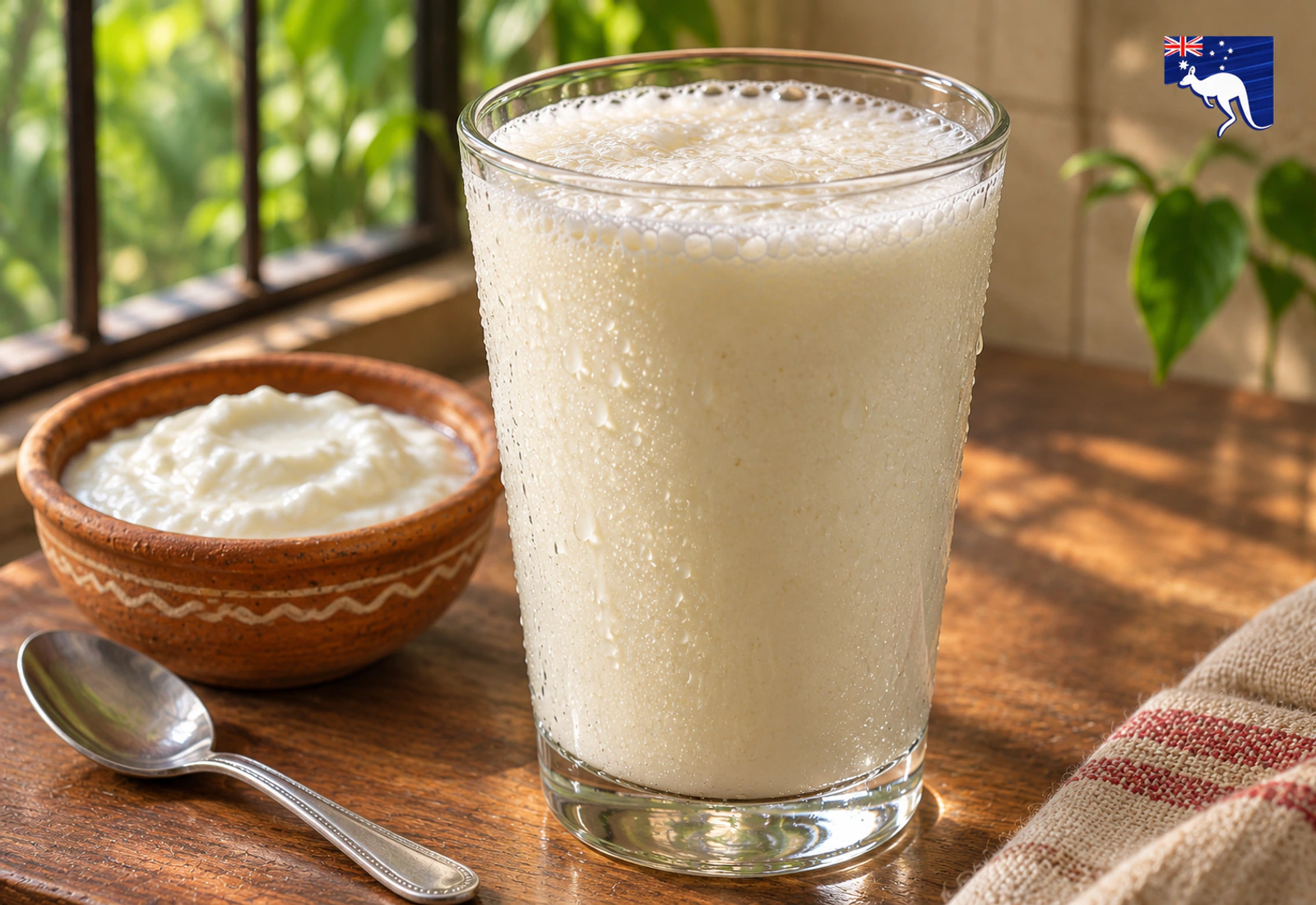
Whisk plain curd (sweetened naturally or unsweetened) with fresh sweet mango, papaya, or banana. This drink supports natural digestion and provides calcium.
3) Peanut Butter Banana Drink
For children over 3 years without nut allergies, blend a small spoonful of natural peanut butter with milk and a banana. This is an excellent calorie and healthy fat booster for active school-goers.
4) Date Milk Smoothie
Soak 2-3 soft dates in warm water, remove seeds, and blend with warm or chilled milk. This offers a natural iron and sweet flavor boost without relying on processed white sugar.
5) Oats Milk Drink
Cook fine oats lightly in milk, blend with a touch of honey (only for kids over 1 year), and serve warm. This provides gentle energy release and dietary fiber.
Bangladesh Nutrition Tip:
Serve homemade smoothies as mid-morning or late-afternoon snacks. Avoid giving these heavy drinks immediately before lunch or dinner, as they can lower your child's appetite for balanced meals of rice, fish, lentils, and vegetables.
Nutrition Drinks vs Real Food: What Parents Should Know
Understanding the balance between solid foods and liquid supplements is essential for long-term childhood development.
Why Real Food Comes First
- Jaw and Dental Development: Chewing solid foods helps kids build healthy jaw strength and supports proper speech development.
- Digestive Function: Intact whole foods contain natural dietary fiber essential for gut motility and avoiding constipation.
- Cognitive Food Habits: Helping children experience different tastes, textures, and colors builds positive food associations and reduces selective eating behavior.
When Drinks and Targeted Supplements Can Support
Despite our best efforts, certain situations make supplement support a helpful addition. Highly active schedules, recovery from fever or stomach bugs, seasonal transitions, or periods of intense school stress are times when targeted nutritional products can provide peace of mind.
Best Timing for Liquid Nutrition or Chewables
Provide nutritional drinks or support gummies after breakfast or during the afternoon slump. Giving them late in the evening or right before main meals can interfere with normal solid food intake and healthy sleep schedules.
Common Mistakes Parents Make
- Choosing based purely on advertisements: Assuming television or social media ads tell the full story about a child's unique growth requirements.
- Ignoring sugar values: Failing to read ingredient lists and purchasing formulas packed with excess added sugar.
- Giving adult-strength supplements: Assuming "more is better" and risking organ overload.
- Giving nutritional drinks too close to meal times: Lowering the child's drive to eat their freshly prepared home-cooked lunches or dinners.
- Expecting immediate changes: Believing a single brand or drink will lead to sudden physical height or cognitive changes.
- Overusing multiple supplements together: Combining multivitamins, fortified milk drinks, and separate calcium tablets, which can lead to toxicity risk.
Suggested Kids' Nutrition & Growth Support Products in Bangladesh
These premium, authentic Australian products are designed to support children's nutritional intake safely alongside a healthy daily diet.
1) Bubs Australia Easy Digest Goat Milk Junior Nutrition Drink Stage 4 (3–12 Years)
What it does: Formulated with premium goat milk, this junior nutrition drink contains naturally easy-to-digest A2 goat protein, making it highly suitable for children with sensitive digestion. It is enriched with prebiotics (GOS/FOS), probiotics (BB536), DHA, and essential micronutrients like calcium, Vitamin D, iron, and iodine to support brain, bone, and immune health.
- Why Choose This: It carries the Clean Label Project® Purity Award, confirming that it is independently tested and free from harmful heavy metals and contaminants.
- Best for: Growing children aged 3 to 12 years with sensitive tummies, picky eating habits, or low milk intake.
- How to Use: Follow the scoop measurements on the tin to prepare a warm or chilled drink. Use as a healthy afternoon snack or active school support.
Gentle on sensitive tummies. Support your child's brain development and bone strength with naturally easy-to-digest A2 goat milk protein.

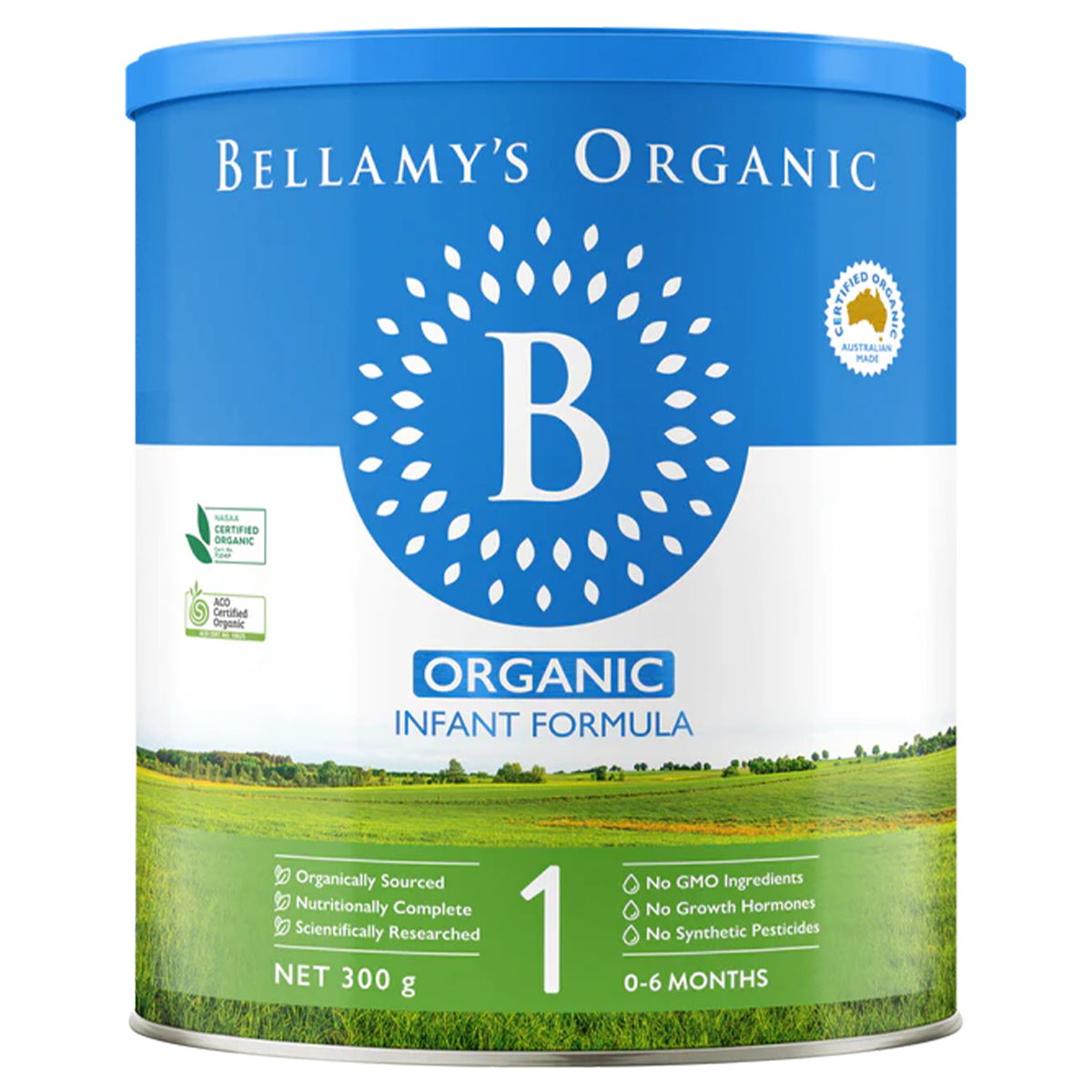
2) Bellamy's Organic Infant Formula Step 1 (0–6 Months)
What it does: This is a premium organic, whey-dominant infant formula designed to provide complete, nutritionally balanced milk for infants from birth up to 6 months of age. It is crafted from certified organic cow's milk and enriched with essential key vitamins and minerals.
- Why Choose This: Formulated to meet strict Australian organic food standards, completely free from synthetic pesticides, growth hormones, and artificial ingredients.
- Best for: Infants aged 0 to 6 months who are being formula-fed or require mixed-feeding support.
- How to Use: Prepare carefully by sterilizing all bottles and utensils, and mix with boiled, cooled water exactly according to the tin's table.
Pure organic standards from birth. Give your newborn a certified organic formula free from artificial additives and synthetic chemical residues.
3) Swisse Little Multivitamin Gummies – Daily Growth & Development Support
What it does: These chewable daily gummies support healthy growth, bone strength, immune defenses, and energy production. They pack key nutrients—including energy-supporting B vitamins, bone-strengthening Vitamin D, and immune-supporting Vitamin C and Zinc—into a fun, easy format.
- Why Choose This: They are 99% sugar-free and vegetarian-friendly, meaning children get their nutritional support in a delicious raspberry-flavored gummy without unnecessary sugars.
- Best for: Picky eaters, school-age kids experiencing daily fatigue, or children who struggle to swallow tablets.
- How to Use: Children aged 2–12 years chew 2 gummies daily during or after meals, or as directed by a healthcare provider.
Fill diet gaps with ease. Help maintain energy, bone health, and immune systems with a tasty, 99% sugar-free gummy that kids love.

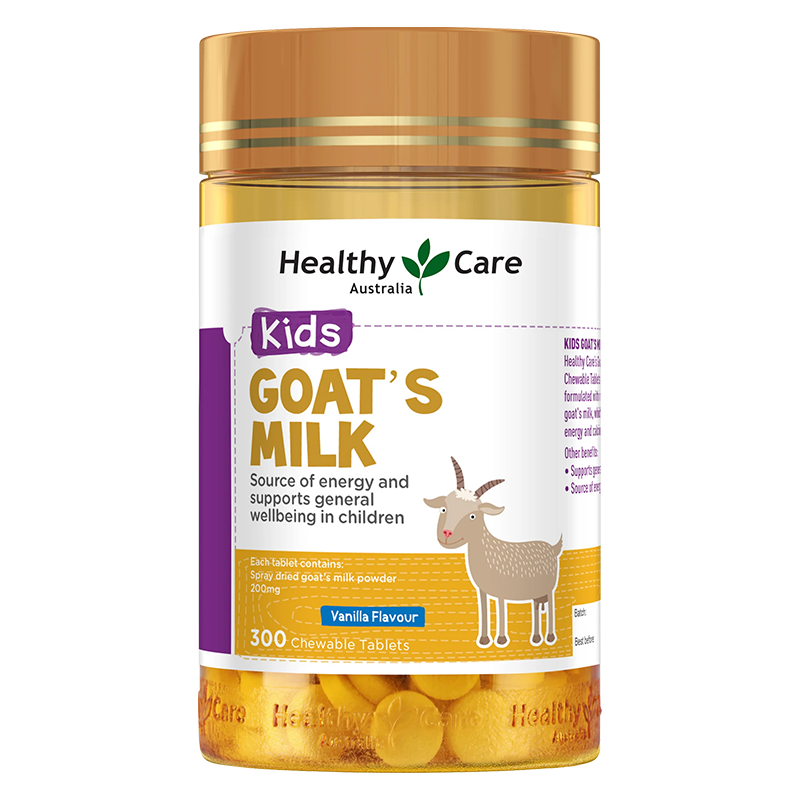
4) Healthy Care Kids Goat Milk Vanilla Flavour – Natural Calcium & Energy Chewables
What it does: Made from pure Australian goat's milk, these delicious vanilla chewables provide a natural source of calcium and protein. They help support daily physical energy and strong bones and teeth for growing children.
- Why Choose This: Prepared from easy-to-digest goat's milk in a highly portable chewable tablet format, making daily dairy nutrition convenient and stress-free.
- Best for: Active children who dislike drinking liquid milk, those with busy school-and-coaching routines, or kids needing portable calcium support.
- How to Use: Children who are able to chew can consume 4 to 10 tablets daily, or as advised by your healthcare professional. Do not swallow whole.
On-the-go bone support. Provide your child with the natural protein and calcium benefits of pure goat's milk in a tasty chewable vanilla tablet.
Comparison: Choosing the Right Strategy by Need
| Child's Specific Pattern | Better Nutritional Strategy | What to Avoid |
|---|---|---|
| Picky Eater / Avoids Veggies | Balanced dietary multis like Swisse Little Multivitamin Gummies + gradual food exposure. | Using heavy calorie drinks to fully replace meals. |
| Low Dairy or Milk Intake | Bioavailable goat's milk chewables like Healthy Care Kids Goat Milk Vanilla or fortified drinks. | Relying on high-sugar, chocolate-flavored dairy powders. |
| Avoids Fish / Seafood | DHA/Omega-3 chewables or goat's milk formula fortified with DHA. | Adult-strength concentrated fish oil liquid capsules. |
| Prone to Sensitive Digestion / Tummy Issues | A2 goat milk-based junior drinks like Bubs Goat Milk Stage 4 containing prebiotics/probiotics. | Highly processed, low-fiber commercial cow milk powders. |
| Infant Feeding (0-6 Months) | Strictly breast milk, or certified organic infant milk like Bellamy's Organic Step 1 when breastfeeding is not possible. | Using raw cow's milk, goat's milk, or toddler formulations for newborns. |
Looking for Premium, Authentic Kids' Vitamins in Bangladesh?
Protect your child's appetite, bones, and immunity with 100% genuine Australian kids' vitamins, directly imported and securely shipped to your doorstep.
Safety Note & Guidelines
- Supplements are intended to support daily nutrition gaps, not cure or prevent medical conditions.
- Never exceed the age-specific dose stated on the back label.
- Store all chewables, gummies, and syrups out of reach of children to prevent accidental over-ingestion.
- Consult a qualified pediatrician before introducing any new supplement if your child is under 2 years old, taking prescription medications, or under medical care.
- Discontinue use immediately and seek professional guidance if your child experiences stomach distress, rashes, or any unusual symptoms.
Frequently Asked Questions (FAQs)
1. What is the best nutrition drink for kids' growth?
The best option matches your child's specific gap. Look for age-appropriate drinks or supplements providing balanced protein, Vitamin D, Calcium, Iron, and Zinc while maintaining low levels of added white sugars.
2. Do nutrition drinks help children grow taller?
No single drink can guarantee height. Overall height is largely determined by genetic factors, physical activity, consistent sleep patterns, and comprehensive diet quality over time, not by a single powdered formula.
3. Are nutrition drinks safe for kids?
Yes, provided they are formulated specifically for children, matched to their correct age group, contain controlled sugar content, and are sourced from regulated, certified distributors.
4. Can kids drink protein shakes?
Regular children do not need high-protein adult shakes. Excess protein can burden their developing kidneys. Only use kids' specific nutritional drinks or standard milk unless a physician advises otherwise.
5. What is better: milk or nutrition drinks?
For a child with a well-rounded diet, fresh pasteurized milk is sufficient. For picky eaters or children experiencing low appetite or systemic recovery, fortified nutrition support helps fill those acute dietary gaps.
6. How often should kids take nutrition drinks or chewables?
Always follow the product's label guidelines. For most daily multivitamin gummies or calcium chewables, a single age-appropriate dose with a meal is typical.
7. Which nutrition support is good for picky eaters?
Picky eaters often benefit from a comprehensive multivitamin like Swisse Little Multivitamin Gummies to cover basic micronutrient requirements without suppressing appetite for real food.
8. Can nutrition drinks completely replace meals?
No. They should complement meals. Chewing real, whole foods supports jaw development, normal digestion, and healthy eating patterns that prevent long-term picky eating habits.
9. What should parents check before buying kids' nutrition drinks?
Always check the exact age rating, the grams of sugar per serving, active micro-nutrients, potential allergens, and secure packaging seals from reliable, verified importers.
References & Scientific Sources
This article is compiled for informational and educational purposes using cautious healthcare guidelines, validated nutrition metrics, and verified brand safety profiles from Australian Goods Bangladesh.
- World Health Organization (WHO) – Infant and Young Child Feeding Guidelines
- UNICEF – Child Nutrition Report and Standards
- Harvard T.H. Chan School of Public Health – The Nutrition Source for Kids
- Harvard Health Publishing – Guidelines on Choosing Toddler and Child Formulas
- Therapeutic Goods Administration (TGA) – Australian Ministry of Health Product Standards
Medical Disclaimer
This article is for general informational and educational purposes only. It does not provide medical diagnoses, treatment advice, or therapy recommendations, and should not replace clinical consultations. Dietary supplements are not medicines. If your child is struggling with growth issues, persistent picky eating, allergies, or underlying medical conditions, please consult a qualified healthcare professional or pediatrician. Australian Goods Bangladesh is a retailer, not a medical care provider.