Does Fish Oil Help Weight Loss or Cause Weight Gain?
Fish oil is often promoted for weight management, but the evidence does not support buying it as a fat burner. Understand what studies found, how many calories oil contributes, and how to decide whether an omega-3 supplement fits your actual nutritional needs.
Quick Answer
Fish oil is not a reliable weight-loss supplement. Trials have not consistently shown extra weight or fat loss when it is added to diet and exercise. It contains calories because it is fat: 1 g of oil provides about 9 kcal. That small amount does not automatically cause weight gain.
Key Takeaways
- Choose omega-3 for an appropriate nutritional or clinical reason, not a promise to burn belly fat.
- Calculate calories from total oil, not just the EPA and DHA figures on the label.
- Sustainable eating habits, activity and personalised support matter more for weight management than changing fish-oil brands.
Does omega-3 help you lose weight?
Taking a capsule before a walk or after a meal does not turn it into a weight-loss treatment. In a six-month randomized trial, adults receiving diet and exercise counselling lost weight, but adding omega-3 did not produce significantly greater weight loss than placebo.

A 2025 systematic review examined 11 studies involving 637 adults during calorie restriction. Supplementation did not significantly increase fat loss or preserve fat-free mass compared with control groups. The researchers noted that more research was needed.
These findings do not support a dependable slimming effect or a dose for targeting belly fat. Nutritional benefits and changes in blood triglycerides are different questions from losing body fat. A claim about one should not be used as proof of the other.
Does fish oil cause weight gain?
Fish oil contributes energy, but taking it does not automatically make someone gain weight. Weight changes reflect the overall eating pattern, activity and other individual factors over time. A small capsule is only one part of that picture.
FDA nutrition teaching guidance uses approximately 9 kcal per gram of fat. Consider this hypothetical label:
- Total fish oil: 1,000 mg, equivalent to 1 g.
- EPA: 180 mg; DHA: 120 mg, both included within that oil.
- Energy from the oil: approximately 9 kcal per capsule.
The 300 mg combined EPA/DHA is not the capsule's total fat. Counting calories from only those two ingredients would undercount the oil. The shell and any other ingredients may contribute additional energy, so use the actual nutrition information when available. Liquid products and larger servings need their own calculation.
What deserves more attention in your routine?
NIDDK guidance emphasises a sustainable eating pattern, appropriate portions and regular movement. In a Bangladeshi routine, useful changes might include less sugar in tea, reviewing frequently eaten fried snacks, and building meals around vegetables, lentils and suitable protein alongside a comfortable portion of rice or roti.
Choose changes you can repeat rather than a short, punishing diet. A walk that fits your commute or a brief activity break may be easier to maintain than an ambitious routine you dislike. Seek tailored help if weight management is difficult or medical conditions affect your food or activity choices.
How to choose omega-3 without buying a slimming promise
Before paying for fish oil in Bangladesh, decide whether you have a reason to supplement beyond changing your weight. If your diet already meets your needs, a more expensive bottle is not automatically useful.
- Compare total oil, EPA, DHA and capsules per serving on the actual label.
- Check other ingredients, allergens, expiry and the manufacturer's storage directions.
- Follow the stated directions or your clinician's advice; do not increase the dose to accelerate weight loss.
- Question claims of rapid slimming, appetite suppression or fat burning unless supported by suitable product-specific evidence.
For help interpreting amounts, read our omega-3 label and dosage guide. Our omega-3 food guide can help you consider intake through meals.
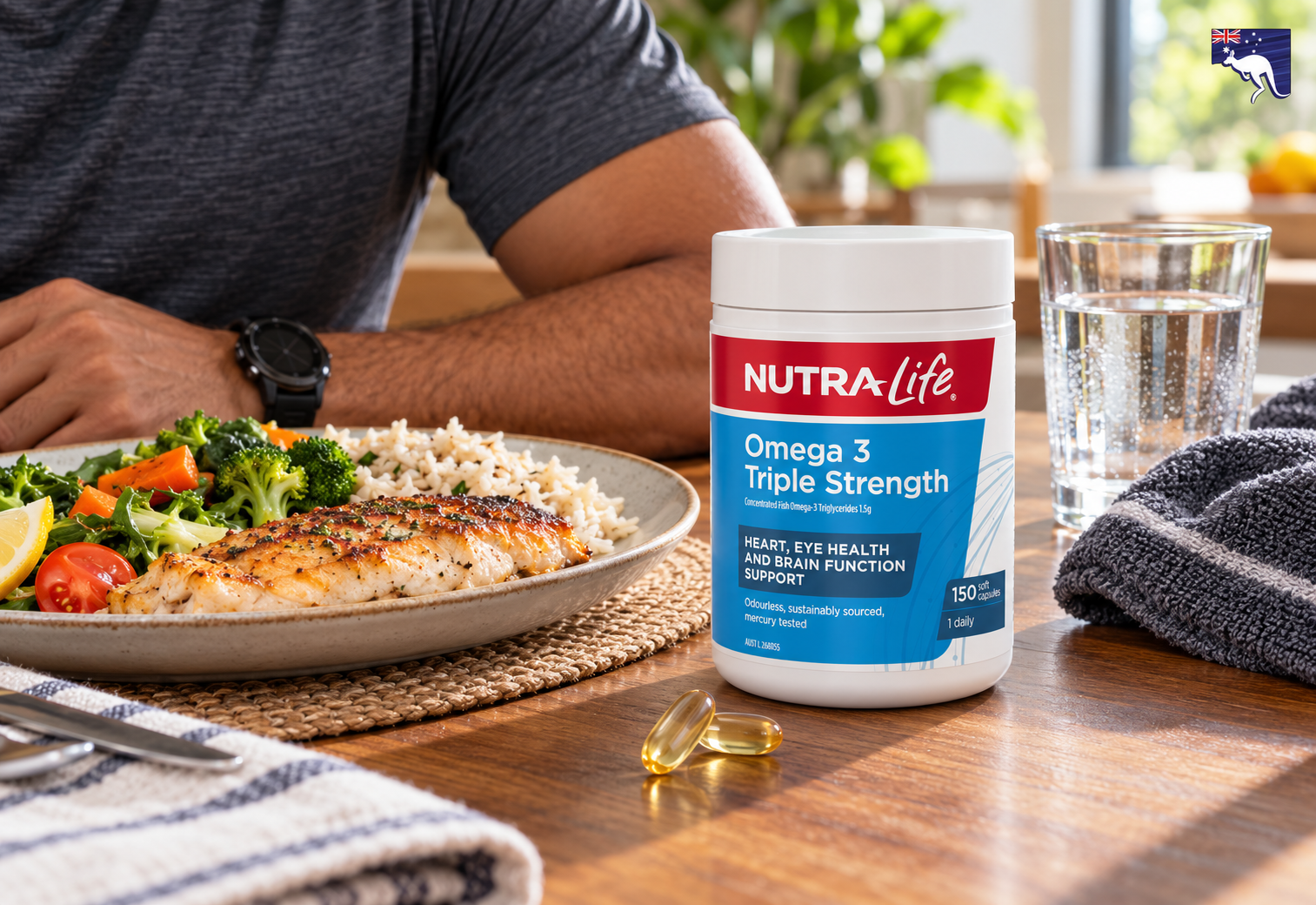
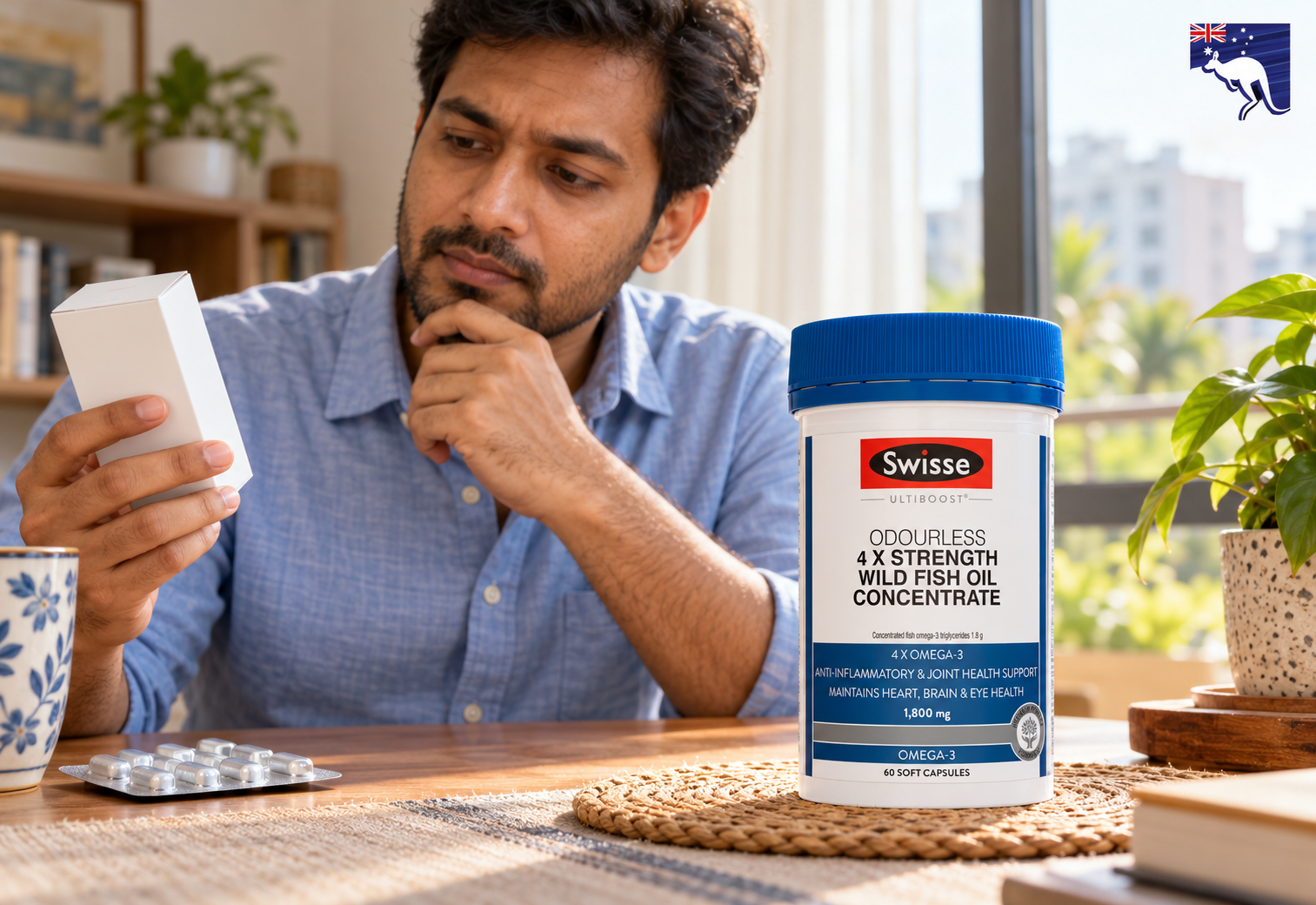
Products pictured or linked with this article are nutritional options, not proven weight-loss products. Pick a supplement only if it serves an appropriate purpose, and keep your weight-management expectations separate.

Healthy Care Fish Oil 1000mg Omega-3
Healthy Care Fish Oil 1000mg Omega-3 is an odourless fish oil supplement that provides essential Omega-3 fatty acids to support heart, brain, eye and joint health. It is a convenie...