Fish Oil for Fatty Liver: Evidence, Limitations and Safety
Fish oil can have a role in managing high triglycerides, but that does not make it a proven treatment for fatty liver or liver scarring. Learn how to interpret study results, understand MASLD and MASH terminology, and discuss the right follow-up.
Quick Answer
Fish oil is not an established treatment for fatty liver disease or fibrosis. Some studies suggest effects on liver fat, but results are inconsistent and do not prove better long-term liver outcomes. A clinician may use prescription omega-3 for high triglycerides, which is a different treatment goal. Assessment and metabolic care remain important.
Key Takeaways
- Less liver fat or a lower enzyme result does not automatically mean that liver scarring has improved.
- Prescription omega-3 may be used for high triglycerides; ordinary fish-oil supplements are not interchangeable with that treatment.
- Agree on liver-risk assessment and follow-up rather than relying on a supplement or a liver-detox claim.
A scan report mentioning fatty liver often leads straight to a search for something to take. Fish oil is one common suggestion, especially when triglycerides are also high. Those two findings can occur together, but the treatment question is not the same: lowering a blood fat is different from treating liver inflammation or scarring.
What do MASLD and MASH mean?
MASLD means metabolic dysfunction-associated steatotic liver disease. It describes liver fat in a person with cardiometabolic risk factors, after the wider clinical context is assessed. MASH refers to the form with inflammation and liver-cell injury. You may still see the older terms NAFLD and NASH in reports and research. The European liver guideline explains the terminology.
The name on a scan is not a complete risk assessment. A useful next question is whether there is evidence of fibrosis, or scarring, and how your clinician plans to assess it. Do not assume that a mild-sounding description means no follow-up is needed.
What have fish-oil trials found?
The WELCOME trial randomised 103 people to a purified EPA/DHA preparation or placebo for 15–18 months. Its main adjusted analysis showed a trend towards less liver fat that was not statistically significant. A secondary analysis linked greater DHA enrichment in blood cells with lower liver fat, but fibrosis scores did not improve. Read the original WELCOME study.
That is more nuanced than saying the trial proved fish oil reverses fatty liver. The distinction between its main treatment comparison and secondary analysis matters, as do adherence differences and omega-3 exposure in the control group.
Another randomised trial studied an EPA formulation in 243 people with NASH for a year. It did not improve the measured liver-tissue features, including fibrosis, compared with placebo, although triglycerides fell at the higher dose. See the original EPA trial. This directly illustrates why a blood-fat benefit should not be relabelled as a liver-treatment benefit.
Which result are you trying to improve?
| Measurement | What it reflects | Important limitation |
|---|---|---|
| ALT or AST | Blood markers associated with liver-cell injury | Normal values do not exclude important fibrosis |
| Liver-fat measurement | Fat detected or quantified by imaging | Less fat does not by itself prove less scarring |
| Fibrosis assessment | Risk or evidence of liver scarring | Needs interpretation in the clinical setting |
AASLD cautions that liver enzymes can be normal even with advanced disease and should not be used alone to exclude significant fibrosis. Read the AASLD guidance. Ask what a change in your own result means rather than treating one improved number as an all-clear.
How does fibrosis testing work?
If your clinician recommends further assessment, ask whether a FIB-4 calculation is useful. It combines age with AST, ALT and platelet results to estimate risk; it does not diagnose scarring by itself. Depending on the result and your circumstances, the next step may be liver-stiffness testing, such as transient elastography, or another validated blood test. FIB-4 performs poorly below age 35, and older adults need different interpretation, so an online calculator is not an all-clear. The European guideline uses a stepwise pathway. In Bangladesh, ask which test is available, what it costs and how its result would change your care before paying for repeat imaging.
Why might a clinician still prescribe omega-3?
High triglycerides are a separate reason for treatment. AASLD includes omega-3 options in triglyceride management and discusses prescription preparations when triglycerides are severely elevated. The purpose can include reducing pancreatitis risk, rather than treating MASH itself. See its lipid-management recommendations.
If omega-3 has been prescribed, confirm the exact product and intended outcome. A supermarket or imported supplement with the same front-label milligram number may provide a different formulation and amount of active fatty acids. Do not replace a prescription with a cheaper bottle on that basis. The triglyceride and cholesterol guide explains the distinction.
What should come before a supplement purchase?
The 2024 European guideline does not recommend nutraceuticals as MASLD treatment because evidence for liver damage, fibrosis and clinical outcomes is insufficient. It instead places individualised metabolic and lifestyle care within the management plan. Read the guideline recommendation.
NIDDK describes gradual weight management when appropriate, better food choices and physical activity as important measures; activity can help even without weight loss. Rapid weight loss and malnutrition are not appropriate shortcuts. See NIDDK's treatment overview.
For a Bangladeshi household, the discussion can start with ordinary meals and practical constraints: rice portions, vegetables, dal, fish, snacks, drinks, work hours and opportunities to move. Ask for changes you can sustain and afford. You do not need to buy imported “liver foods” to begin that conversation.
- Bring the scan report, recent blood tests and your current medicine list.
- Ask whether a fibrosis assessment is needed and who will interpret it.
- Clarify the plan for blood sugar, blood pressure and blood fats.
- Agree on follow-up and what would count as meaningful improvement.
Safety and product labels
Fish oil can cause reflux, unpleasant taste or digestive upset. Discuss anticoagulants and a history of irregular heartbeat before high-dose use; some high-dose cardiovascular trials found increased atrial-fibrillation risk. NIH summarises omega-3 safety.
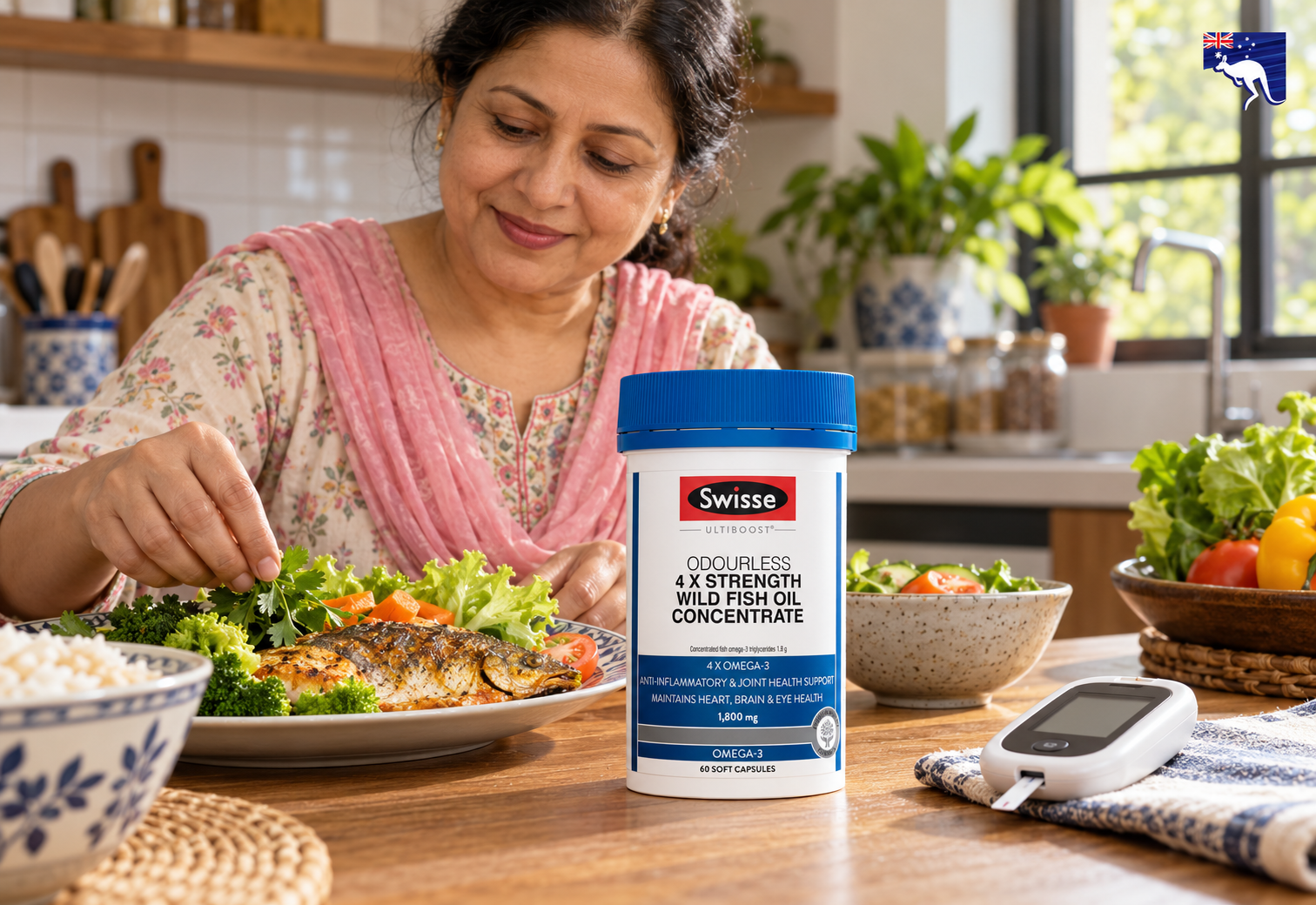
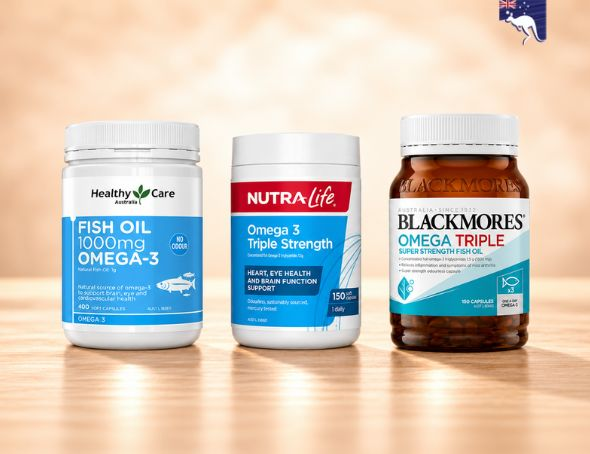
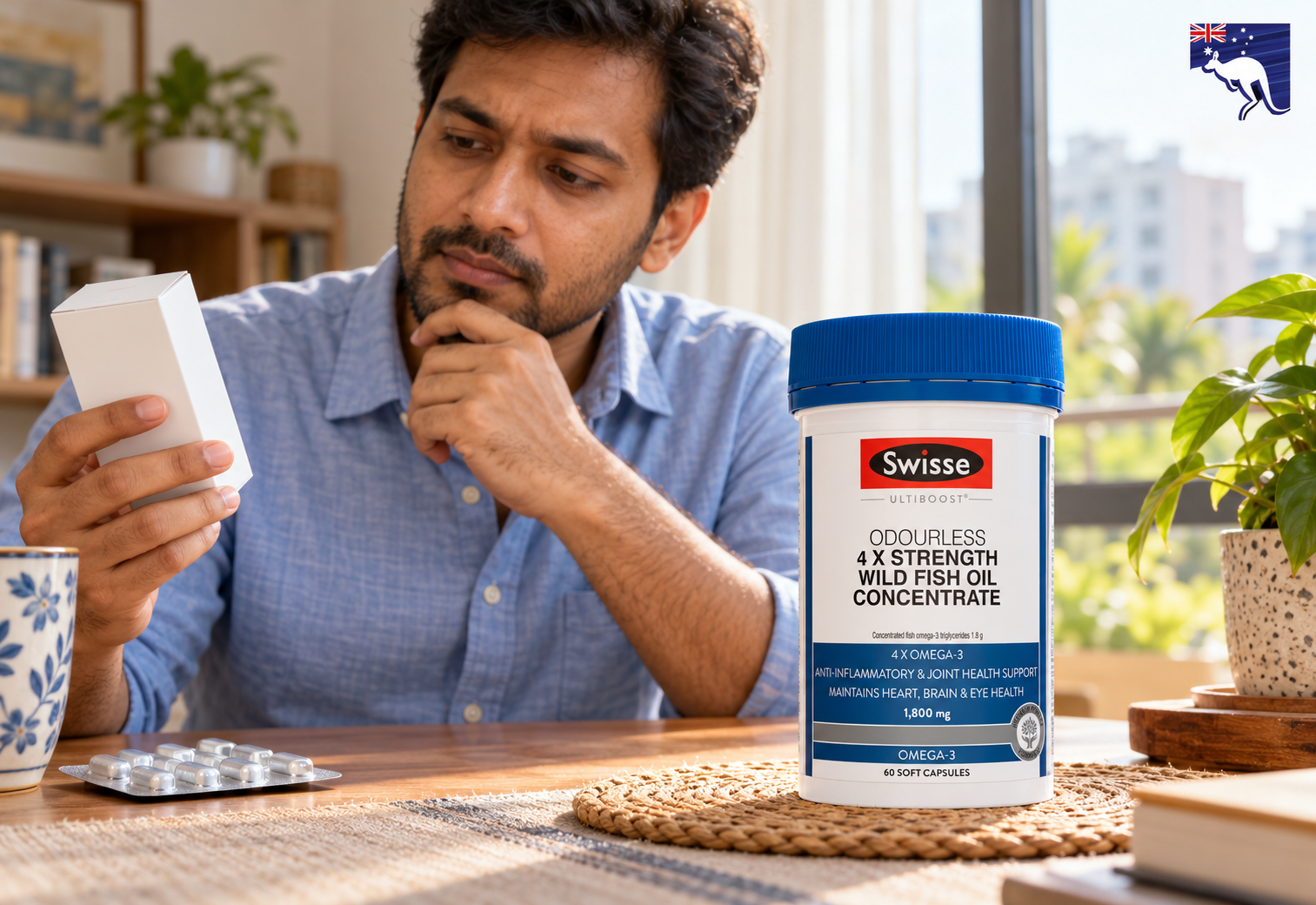
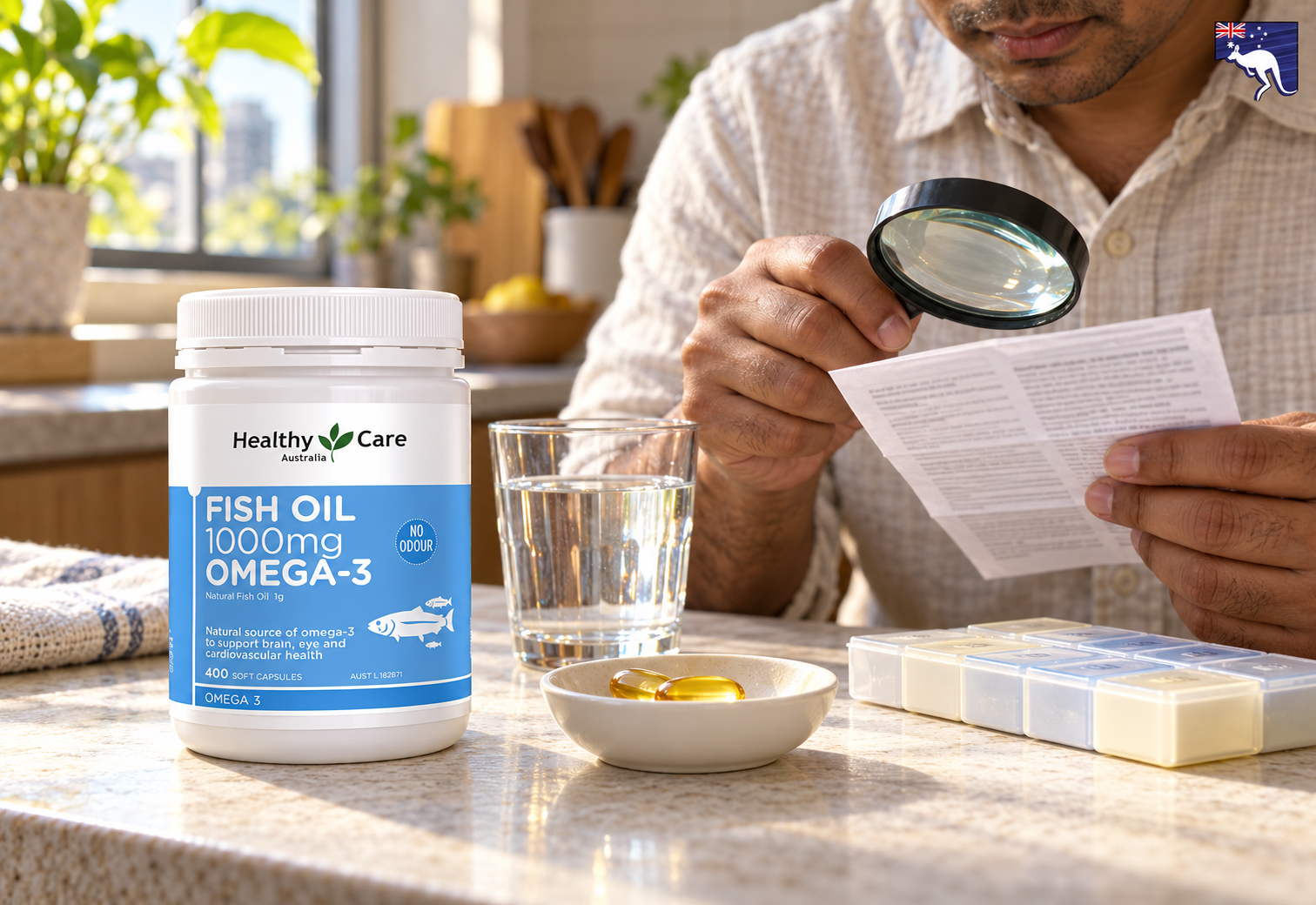
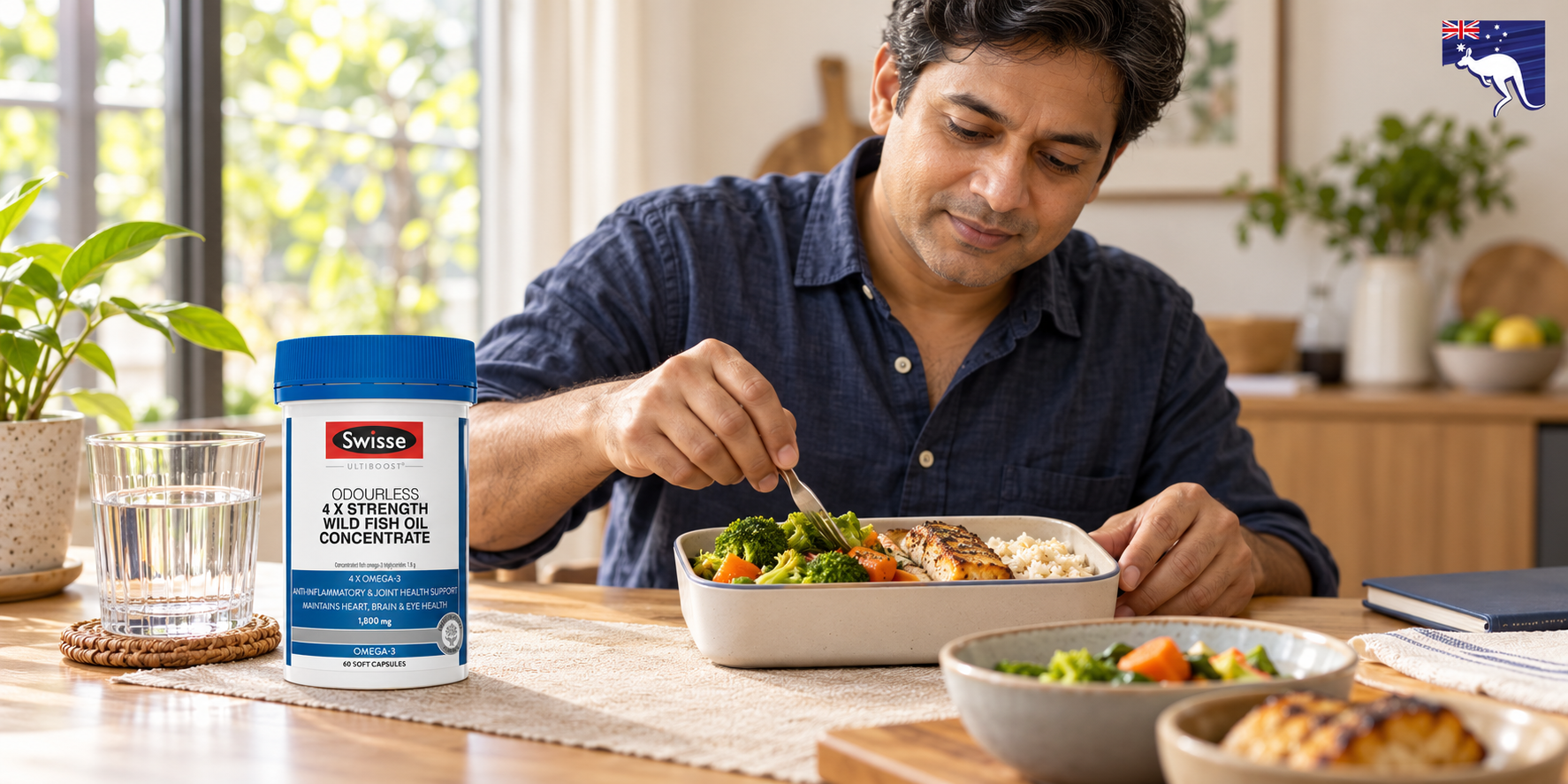
A product shown beside this article is an example for comparing labels, not evidence that it treats liver disease. Check EPA and DHA per serving, added ingredients, expiry and storage instructions. Avoid building a “detox” stack: show every herbal or nutritional product to the clinician managing your liver care.
Keep the goal specific. If the plan is to manage triglycerides, review that outcome as agreed. If the concern is liver scarring, continue the appropriate assessment rather than assuming a supplement has addressed it.

Swisse Ultiboost Odourless 4 x Strength Wild Fish Oil Concentrate
Swisse Ultiboost Odourless 4 x Strength Wild Fish Oil Concentrate is a high-strength omega-3 supplement formulated to support heart, brain, eye and joint health. Each capsule provi...