Do I Need a Multivitamin? Signs, Tests & When to Start
A practical guide for adults in Bangladesh who are unsure whether a multivitamin is useful. Learn how symptoms, food intake and selected blood tests inform the decision, and what to prepare before speaking with a clinician.
Quick Answer
You may need a multivitamin if your diet leaves several nutrient gaps, but tiredness alone cannot establish that need. Persistent or unexplained symptoms deserve assessment. A clinician can decide whether testing, dietary changes or a specific nutrient treatment is appropriate before you commit to a daily supplement.
Key Takeaways
- Give the decision a purpose: identify the dietary gap or clinical reason before choosing a bottle.
- Blood-test results and symptoms need to be interpreted together; a supplement is not a diagnostic trial.
- Bring your current medicines, supplement labels and previous reports to the assessment.
You wake up tired, struggle through the afternoon and wonder: do I need a multivitamin? Before choosing a bottle, it helps to work out what has changed. For adults in Bangladesh, the useful starting point is your food intake, symptoms and health history—not a checklist that treats every low-energy day as vitamin deficiency.

Who may benefit from a multivitamin?
A multivitamin may help someone whose usual food intake leaves several nutrient gaps—for example, because of poor appetite or a restricted diet. Someone eating a varied diet may not need one. There is no standard multivitamin formula, so the product must match the reason for taking it. NIH guidance on multivitamins explains these distinctions.
Make the question specific: “Which nutrients am I unlikely to get?” Rice, dal, fish, eggs, vegetables and other familiar foods can contribute different nutrients; one missed meal cannot describe your overall intake. A dietitian can assess the foods you regularly eat and any exclusions before recommending changes.
Are tiredness and weakness signs of vitamin deficiency?
They can occur with some deficiencies, but they do not identify the cause. Poor sleep, stress, medicines and conditions such as diabetes or thyroid disease can also cause fatigue. Arrange a medical assessment if unexplained tiredness lasts a few weeks, affects daily life or comes with other symptoms. The NHS fatigue guide explains why self-diagnosis can be misleading.
| What you notice | What it means for your next step |
|---|---|
| Tiredness after disrupted sleep | Review sleep and routine; a multivitamin is not a test of whether you are deficient. |
| Fatigue with paleness, breathlessness or noticeable heartbeats | Anaemia is one possible explanation. Seek medical assessment instead of selecting iron from symptoms alone. |
| Unintentional weight loss or tiredness that limits normal activities | Discuss the wider pattern with a doctor rather than waiting to finish a supplement bottle. |
The middle row describes possible iron-deficiency anaemia symptoms; it is not a diagnosis.
Do you need blood tests before starting?
Testing should answer a clinical question. Tell the doctor what you are experiencing first; they can decide which investigations would help. When anaemia is suspected, a full blood count examines blood cells. Depending on the findings, further tests may be needed to establish the cause.
For suspected vitamin B12 or folate deficiency, assessment can include haemoglobin, red-cell size and the relevant vitamin levels. Results need to be interpreted alongside symptoms. NHS guidance on B12 and folate diagnosis also explains why identifying an absorption problem can change treatment.
Before paying for a vitamin-test package in Bangladesh, ask which result would change your care. Bring previous reports with their dates and reference ranges so your clinician can judge whether another test is useful.
Three things to bring to a nutrition appointment
- A symptom timeline: when the problem began, whether it is worsening and which everyday activities it interrupts.
- A realistic food picture: typical meals, appetite changes, food restrictions and any recent weight change. Describe what you actually eat, without trying to make the record look healthier.
- Your current products: medicine names, supplement bottles or clear label photos, daily amounts and any previous blood-test reports.
These notes make the conversation more useful than arriving with only a preferred brand name.
When is it reasonable to start a multivitamin?
Start with a defined purpose: filling identified dietary gaps, or following a professional recommendation that takes your health and medicines into account. Agree what you will review—food intake, symptoms or a particular blood result—and when. A vague promise to “feel better” is difficult to evaluate.
A diagnosed deficiency may need targeted treatment. Iron-deficiency anaemia requires attention to its cause and appropriate iron replacement. B12 deficiency may require tablets or injections depending on why it developed. A general multivitamin should not replace that plan. See the NHS treatment guidance.
If symptoms continue, return for assessment rather than automatically increasing the dose or switching to a stronger formula.
Adult multivitamin options to discuss after assessment
Once a multivitamin has a clear role, these catalogue options let you compare formats and labels:
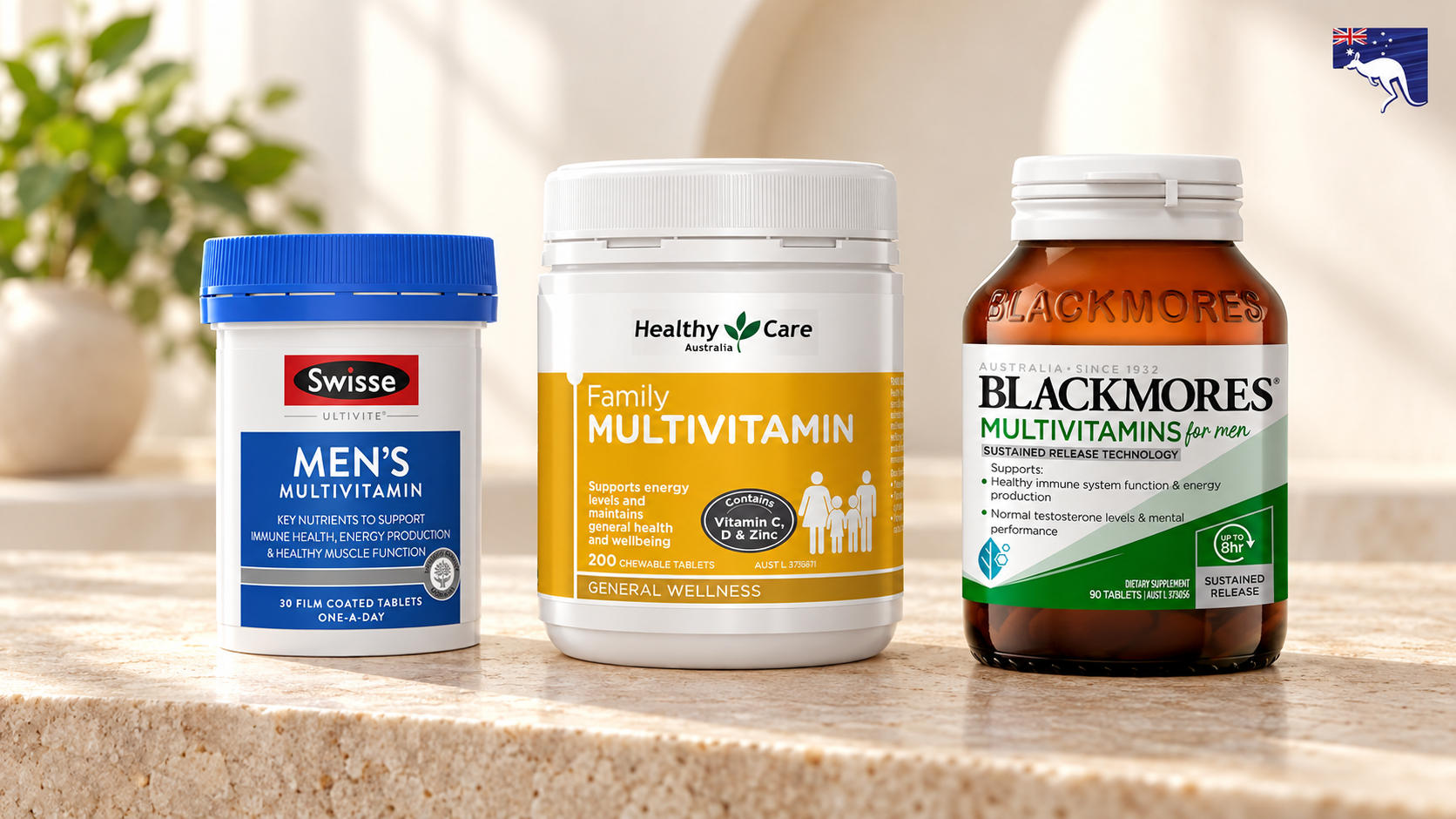
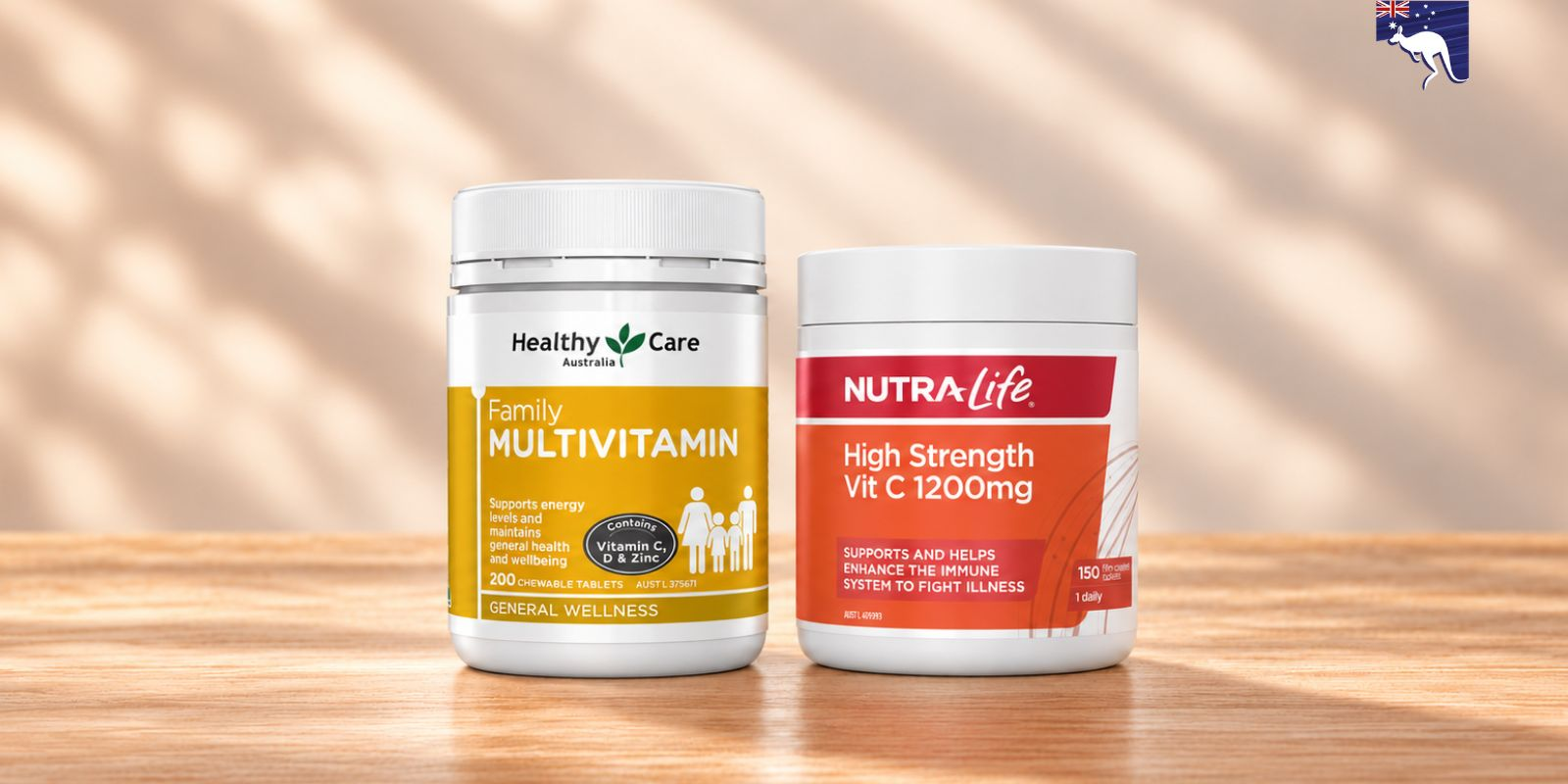
- Healthy Care Family Multivitamin: a chewable option. The manufacturer lists sucralose, sulfites, soya bean products and gluten, which matter when checking suitability.
- Blackmores Multivitamins for Men: an adult tablet formula. Its label directs one tablet daily with food, unless professionally prescribed otherwise.
- Blackmores Multivitamins for Women: another adult tablet formula. Its current manufacturer warning says not to use during pregnancy or breastfeeding.
Use the current pack instructions and review the complete ingredient list with your pharmacist. These examples are comparison starting points, not treatments for unexplained fatigue.

Healthy Care Family Multivitamin
Healthy Care Family Multivitamin 200 chewable tablets in Bangladesh. Compare price, adult and child directions, pack duration and vitamin precautions.
Ready to compare formulas?
Our separate comparison examines ingredient amounts and daily cost across Swisse, Healthy Care and Blackmores, so you can check the details once you know what you are trying to supplement.