Regular vs High-Potency Multivitamins: What’s Different and Who Should Be Cautious?
Does a stronger multivitamin make a better choice? Compare regular and high-potency formulas using actual Swisse labels, understand vitamin B6 precautions, and learn what to check when choosing an imported multivitamin in Bangladesh.
Quick Answer
High-potency multivitamins usually provide more of selected nutrients, but they are not automatically better or higher in everything. Compare amounts per daily serving and your total intake from other supplements. People taking medicines, using overlapping products, or choosing supplements during pregnancy need particular care. The right formula depends on an identified need and individual suitability, not the strength claimed on the bottle.
Key Takeaways
- High potency does not mean every nutrient is higher: the Swisse examples have equal vitamin D3, while the high-potency formula contains less zinc.
- Check vitamin B6 across all supplements; combining a multivitamin with B-complex or some magnesium products can increase the total dose.
- Choose a multivitamin by nutritional need, life stage, medicines and the exact pack label; persistent tiredness is not a reason to automatically increase potency.
A bottle marked “high potency” can sound like the obvious upgrade. But what if it has more B vitamins, the same vitamin D and less zinc than the regular option? That is exactly what one label comparison shows. The useful question is whether the formula fits your needs—not how strong its name sounds.
What does high-potency multivitamin mean?
High-potency or high-strength multivitamins generally supply larger amounts of selected vitamins or minerals. They are not automatically higher in every nutrient, and “regular” does not guarantee a low-dose formula. Multivitamin formulas vary widely, so compare the amounts in the full recommended daily serving.
A daily value on a label is a reference for nutrient intake, not a score to maximise. An upper intake limit is a safety boundary, not a goal. Taking more than you need does not automatically deliver more benefit.
Regular vs high-potency: a real label comparison
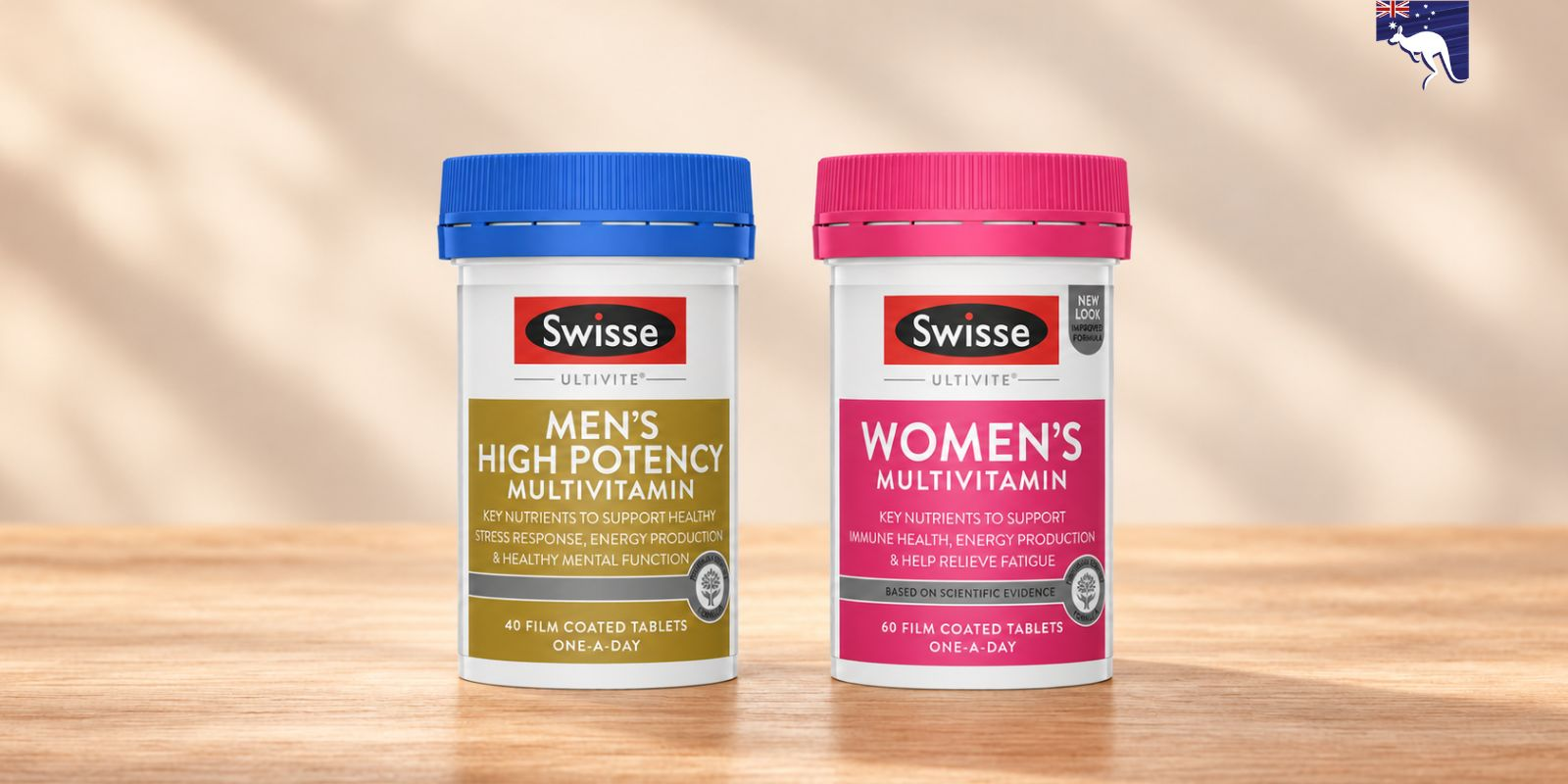
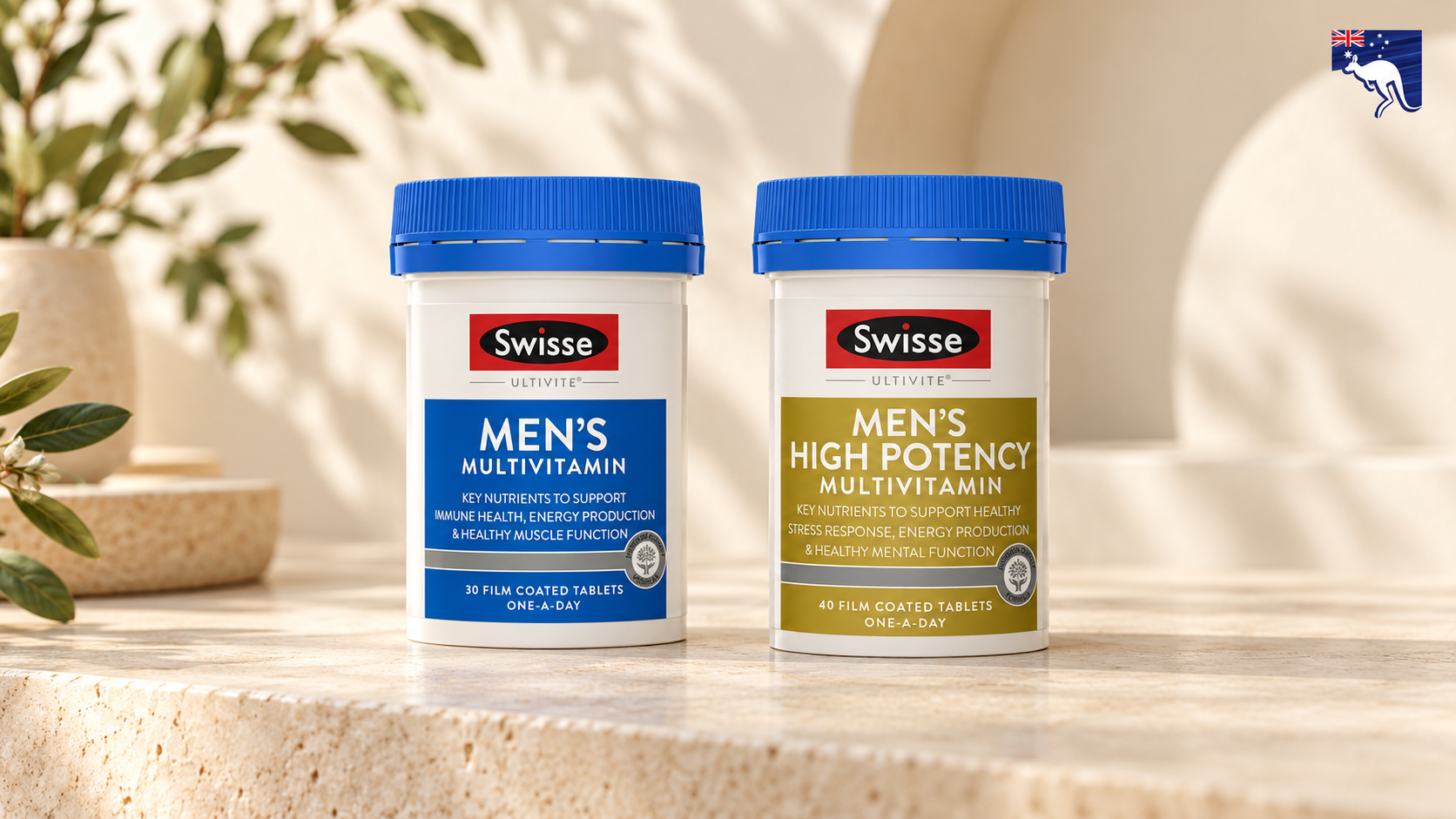
Here is Swisse Ultivite Men's Multivitamin alongside Swisse Men's High Potency Multivitamin. Both Australian manufacturer directions specify one adult tablet daily with or after food.
| Per daily tablet | Regular Men's | Men's High Potency |
|---|---|---|
| Vitamin B6 | 24.68 mg | 50 mg |
| Vitamin B12 | 50 micrograms | 240 micrograms |
| Vitamin D3 | 25 micrograms | 25 micrograms |
| Zinc | 15 mg | 8 mg |
| Folic acid | 500 micrograms | 500 micrograms |
Source: Swisse Australia’s regular Men’s and Men’s High Potency ingredient panels, checked 25 October 2026. These selected nutrients are not the complete formulas; verify the exact pack sold to you.
The high-potency version has more B6 and B12, equal vitamin D3 and folic acid, and less zinc. Neither label alone establishes which is right for you. The product card below lets you inspect the full formula and current availability.

Swisse Ultivite Men's High Potency Multivitamin
Swisse Men's High Potency Multivitamin 40 tablets in Bangladesh. Compare price, key nutrients, adult serving, pack duration and precautions.
Who should be cautious with high-strength multivitamins?
- People already taking supplements: a multivitamin can overlap with B-complex, magnesium, zinc, iron or other products. Add up repeated ingredients before buying another bottle.
- People who are pregnant, planning pregnancy or breastfeeding: use advice specific to that life stage. The high-potency example contains preformed vitamin A and carries pregnancy warnings; a general adult formula is not a substitute for an appropriate prenatal plan.
- People taking medicines or managing a health condition: ask a pharmacist or clinician to check the entire formula. Vitamin K can affect warfarin treatment, and herbal ingredients also matter.
- Children and teenagers: an adult high-potency product is not a shortcut to an age-appropriate supplement.
Persistent tiredness or poor concentration deserves assessment. Increasing several nutrients at once may not address the underlying cause. A confirmed deficiency may need a specific treatment rather than a broader multivitamin.
Vitamin B6: check the total across your supplements
Australia's Therapeutic Goods Administration warns that excess supplemental vitamin B6 can damage peripheral nerves. B6 may be present in products marketed mainly for magnesium, zinc or stress support, so check more than the front label. Reports have occurred below 50 mg a day; there is no simple dose threshold that guarantees safety for everyone.
If tingling, burning or numbness develops in your hands or feet, stop the B6-containing supplement and seek medical advice promptly. Ordinary food sources of B6 are not associated with this supplement-related risk. The regular formula in our table also contains B6, so this check applies to both options.
How to choose a multivitamin in Bangladesh
- Start with the need. Consider your diet, life stage and any clinician-confirmed deficiency. A bigger number on a label is not evidence that you need that amount.
- Check the exact pack. Compare serving size, nutrient amounts, warnings and expiry date. Imported products with similar names may have different formulas or pack sizes.
- Compare the cost per day. Divide the current pack price by the number of labelled daily servings. Compare suitable formulas first, then price; tablet count alone can mislead.
- Check storage and ingredient preferences. Follow the pack's temperature instructions, especially in hot, humid conditions. Verify allergens and halal or vegetarian suitability separately—potency does not establish any of these.
If swallowing tablets is your main concern, the format may matter more than strength. This guide explains the practical differences: