How to Choose a Multivitamin in Bangladesh: Age & Diet
Age labels are only the first filter. Learn how to compare multivitamin ingredients, serving sizes and life-stage needs, with practical examples for children, adults and people over 50 buying supplements in Bangladesh.
Quick Answer
Choose a multivitamin by matching its labelled age range and nutrient amounts to an identified dietary need. Then check the daily serving, allergens, added herbs and medicine warnings. A family, women’s or 50+ label alone cannot establish suitability; pregnancy and diagnosed deficiencies need a more specific plan.
Key Takeaways
- Use age eligibility to narrow the options, then compare the complete formula.
- Read nutrient amounts per daily serving, including equivalent mineral amounts.
- Check the actual pack and compare cost per labelled serving before buying.
A bottle says “for women”, another says “50+”, and a third promises a high-potency formula. Which detail should decide what goes into your basket? Start with the person taking it: their age, what they eat and the nutrient gap they actually need to fill. Here is how to choose a multivitamin in Bangladesh without letting the front label make the decision for you.
First, name the gap you want to fill
Write one specific reason for considering a supplement. “I eat no animal foods” points towards a vitamin B12 discussion; “this bottle is popular” tells you little about nutritional need. A varied eating pattern and a restrictive diet require different decisions.
Vegan diets need a reliable B12 source through fortified foods or supplements. Absorption problems can require a separate treatment plan, so a multivitamin is not automatically enough. NIH explains who may need B12 support.
For everyday meals, consider your actual mix of dal, fish or eggs, vegetables, fruit and dairy or suitable alternatives. Living in Bangladesh, working at a desk or exercising regularly does not by itself establish a deficiency.
Choose by age and life stage
| Who is it for? | What changes the choice? |
|---|---|
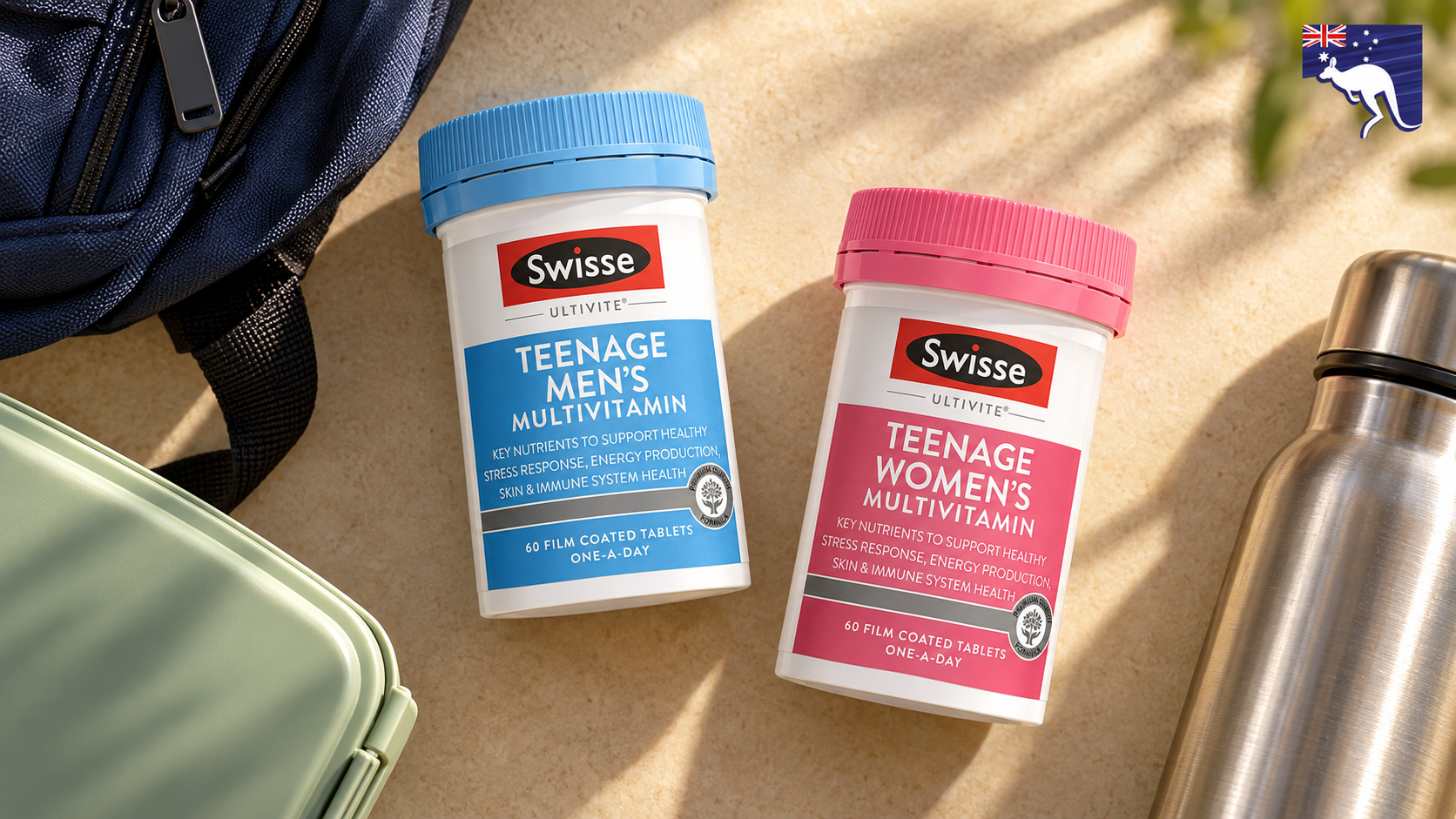
| Children and teenagers | Check the exact age range and ability to chew or swallow the stated form. Most healthy children eating varied meals do not need an extra multivitamin; restrictive diets or medical conditions merit a pediatric review. |
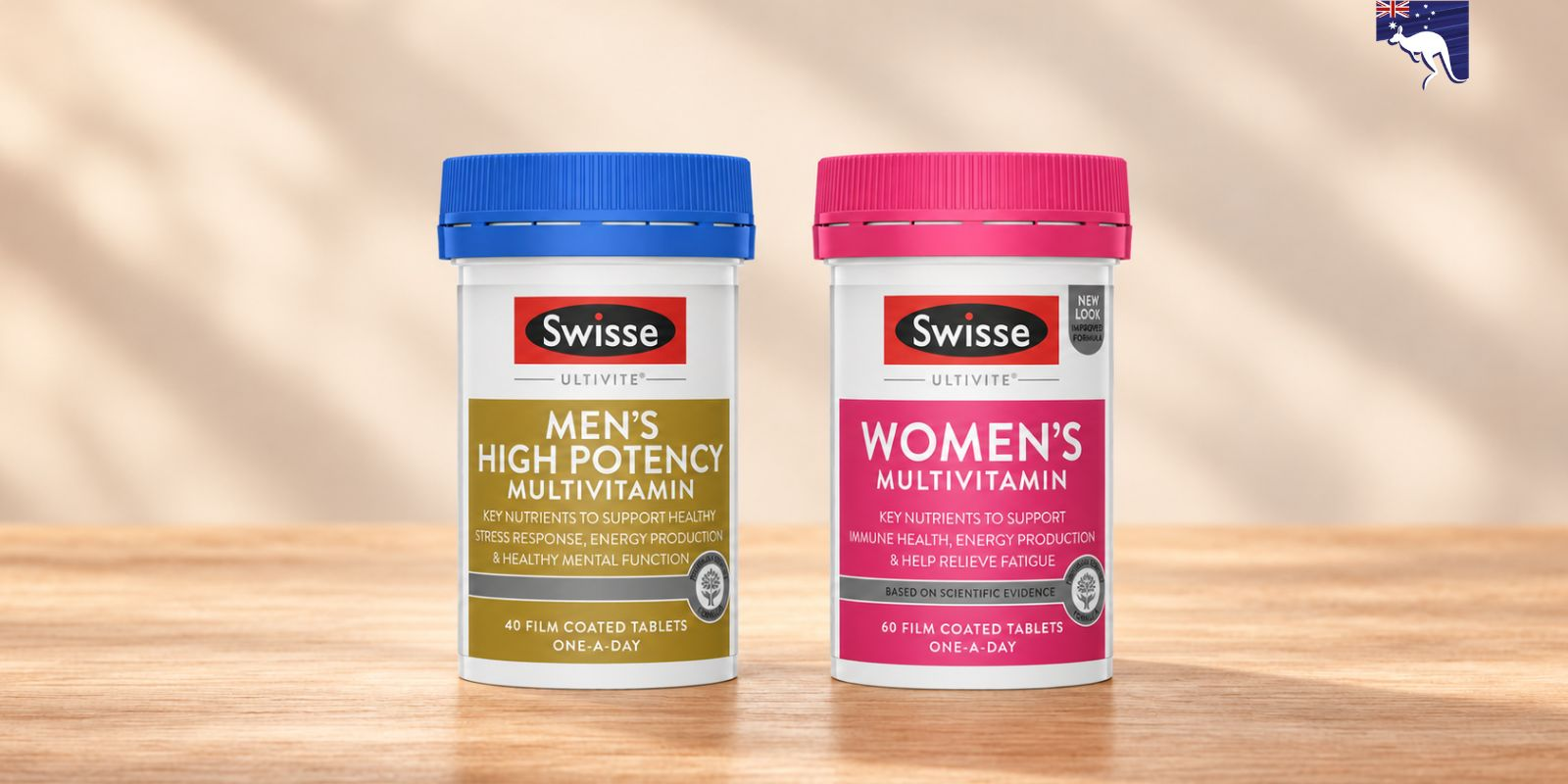
| Adults who menstruate | Iron needs differ from those of adult men and many older adults. Heavy periods deserve assessment; do not choose an iron dose solely because a bottle says “women”. |
| Adults over 50 | B12 from fortified foods or supplements can be easier to absorb than food-bound B12. Review medicines and diet before deciding whether a broad formula is useful. |
| Planning pregnancy or pregnant | Use pregnancy-specific advice. An ordinary adult or 50+ multivitamin is not automatically an appropriate prenatal choice. |
These distinctions draw on AAP guidance for children, NIH iron guidance and its B12 guidance. For anyone who could become pregnant, the CDC recommends 400 micrograms of folic acid daily; individual pregnancy plans may need different advice. Read the CDC recommendation.
Read the multivitamin label in this order
- Daily serving: establish whether the ingredient amounts are per tablet or per daily dose.
- Actual nutrient amount: look for the equivalent mineral amount, rather than comparing the weight of different compounds.
- Formula fit: find the nutrient you need and check all the others, including added herbs. A longer list is not a selection rule.
- Practical details: check allergens, dietary suitability, directions and warnings before comparing prices.
For example, Healthy Care Family Multivitamin lists 15 mg ferrous fumarate equivalent to 5 mg iron per tablet. Two tablets would provide 10 mg iron; the larger compound number is not the iron dose. Its label permits one to two tablets for adults, but that does not mean everyone needs the larger serving. See the manufacturer's ingredients and directions.

Healthy Care Family Multivitamin
Healthy Care Family Multivitamin 200 chewable tablets in Bangladesh. Compare price, adult and child directions, pack duration and vitamin precautions.
If a label shows a percentage daily value, treat it as a reference, not your personal prescription. Multivitamin formulas are not standardized, and calcium and magnesium amounts can be modest. NIH's multivitamin guide explains the differences.
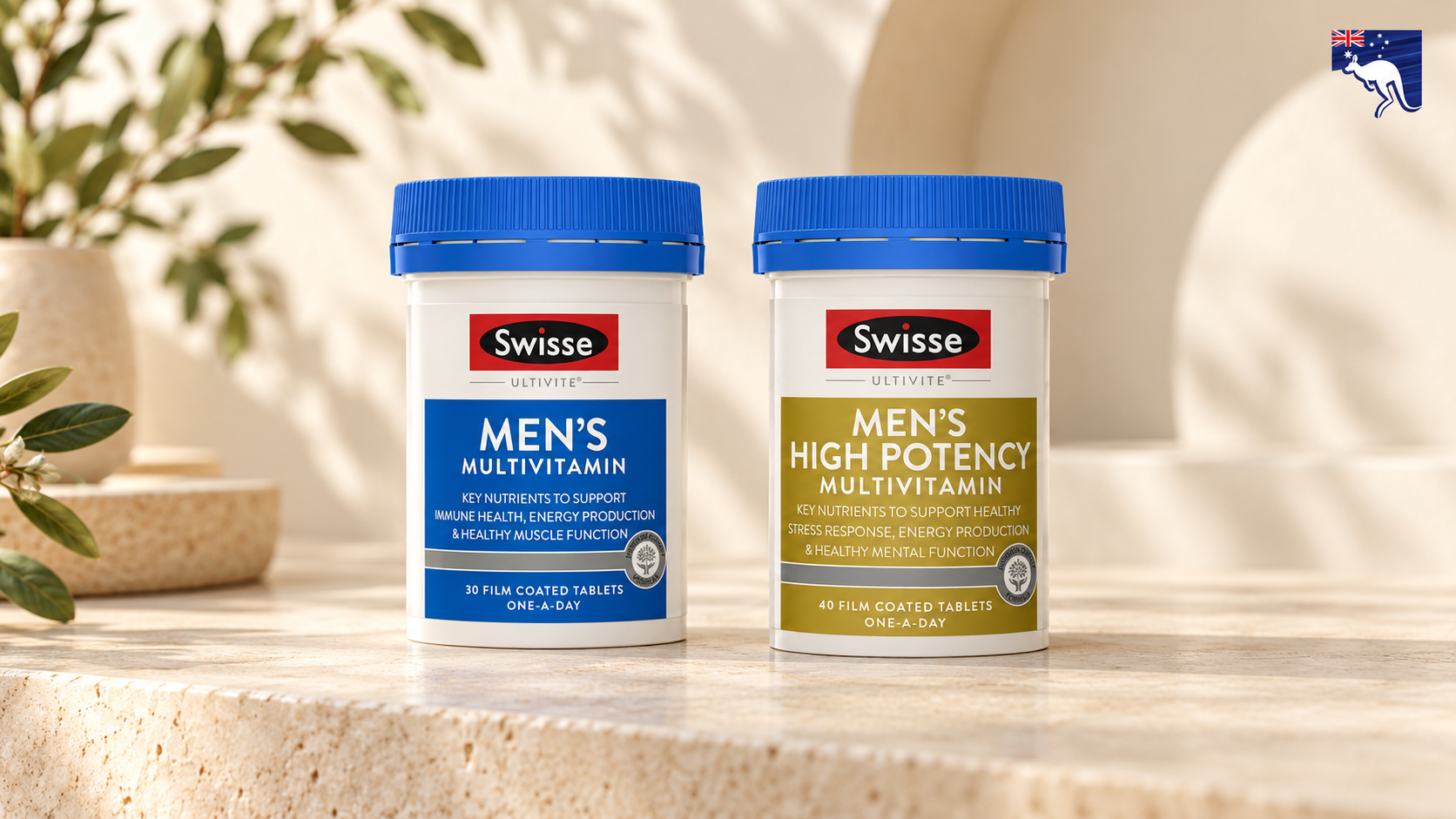
Three products, three different label checks
The linked products illustrate how selection changes across a household. They are examples to compare after establishing a need.
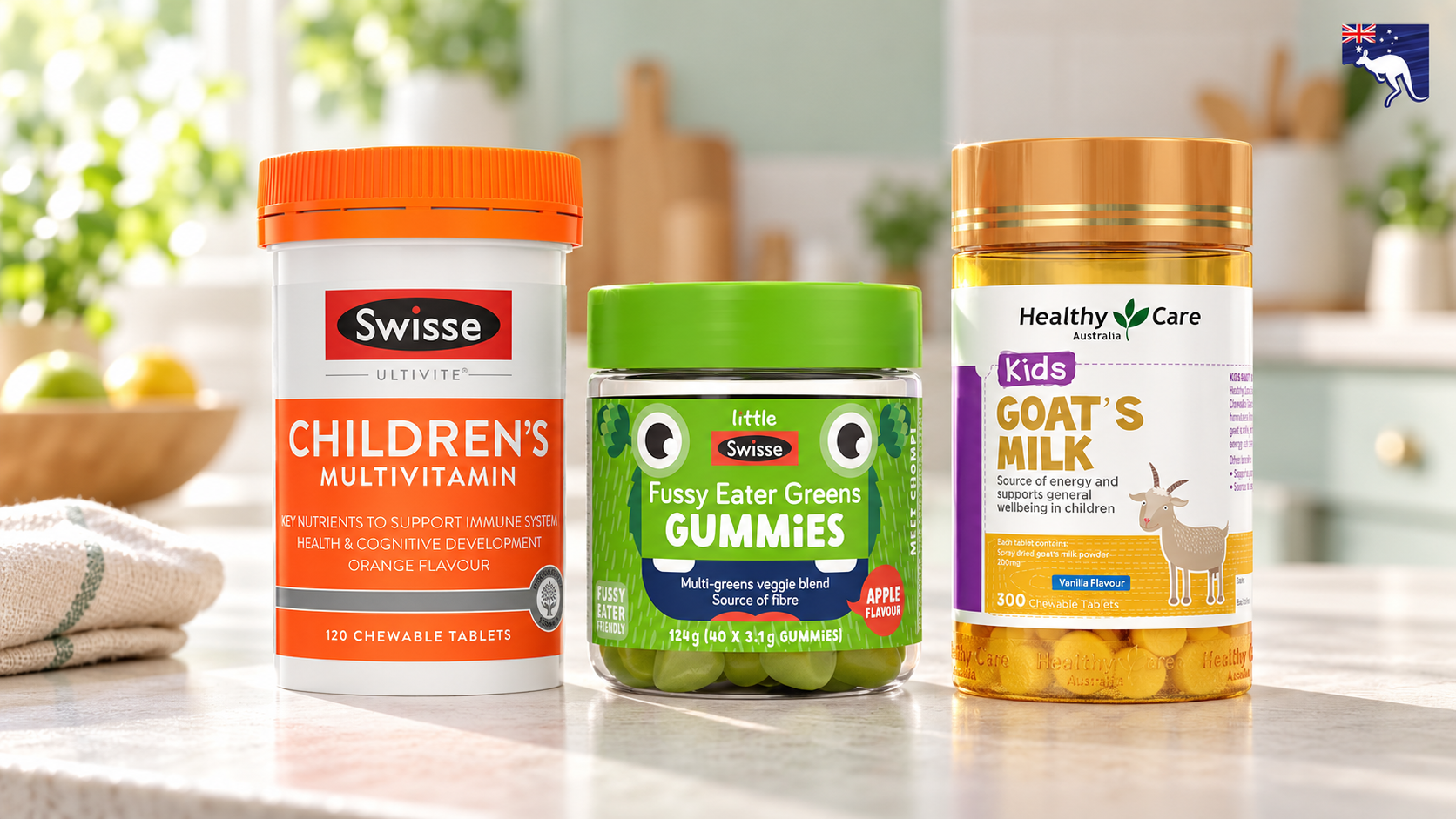
- Swisse Ultivite Children's Multivitamin: the manufacturer's orange chewable has separate directions within ages 2–12. It must be chewed under adult supervision. Do not confuse it with Swisse Kids Multi, which has a different formula and age bands. Check this specific children's label.
- Healthy Care Family Multivitamin: adult and child directions differ. The listed minimum age is two; “family” does not mean one dose fits everyone. Its allergen information includes soya, gluten and sulfites.
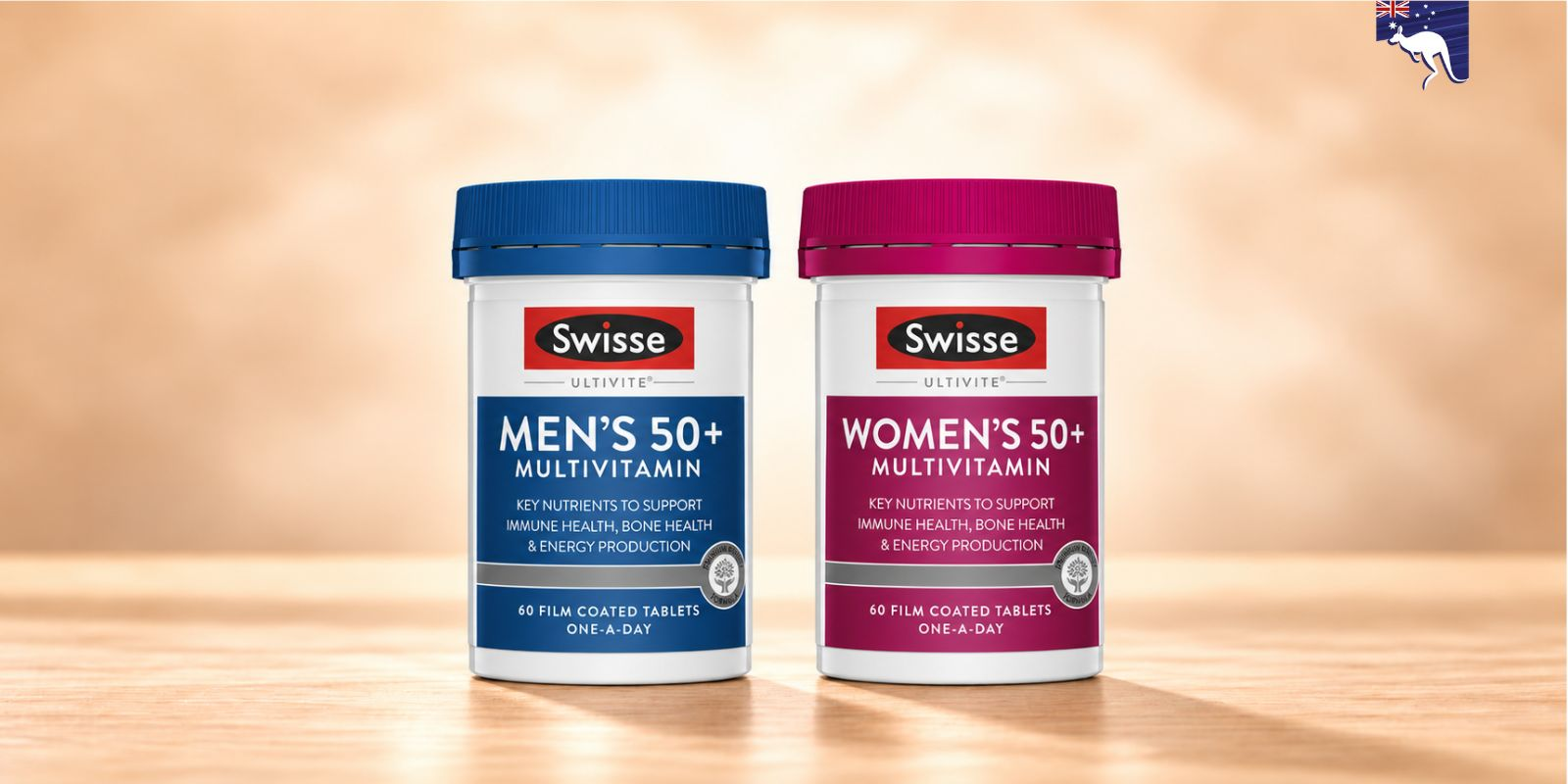
- Swisse Ultivite Women's 50+: an age-targeted formula that also contains herbs. Its current label includes warfarin, vitamin B6 and liver-related warnings. Ask a pharmacist to review these alongside regular medicines; an age match alone does not settle suitability. Read the complete 50+ warnings.
Before buying a multivitamin in Bangladesh
Request clear photographs of the actual pack's ingredients, age directions and expiry date. Match the product variant and tablet count to the listing, then inspect the seal on arrival. Formulas and packaging may change, so use the pack you receive for its instructions.
Compare cost per labelled daily serving: a 60-tablet bottle lasts 60 days at one tablet daily, or 30 days at two. Never lower or increase the dose to make a price comparison work. Finally, take your shortlist and existing supplement labels to a pharmacist if medicines, pregnancy or a medical condition complicate the choice.