Vitamin C Tablets: Benefits and Safety in Bangladesh
Vitamin C helps the body function normally, but a high-strength tablet is not automatically better than meeting your needs through food. This Bangladesh-focused guide explains the benefits, common cold and skin claims, daily amounts, side effects and the details worth checking on a tablet label.
Quick Answer
Vitamin C supports normal immune function, collagen production and absorption of iron from plant foods. Tablets can help when intake is inadequate, but most people can meet their needs through a varied diet. A 1000 mg tablet is much more than the usual adult dietary requirement. More is not always more useful, and high intakes can cause digestive side effects.
Key Takeaways
- Vitamin C has essential roles, but those roles do not mean everyone needs a high-dose tablet.
- Regular supplementation may modestly shorten colds; it does not reliably prevent colds in the general population.
- Check total vitamin C across tablets, multivitamins and combination products before adding another supplement.
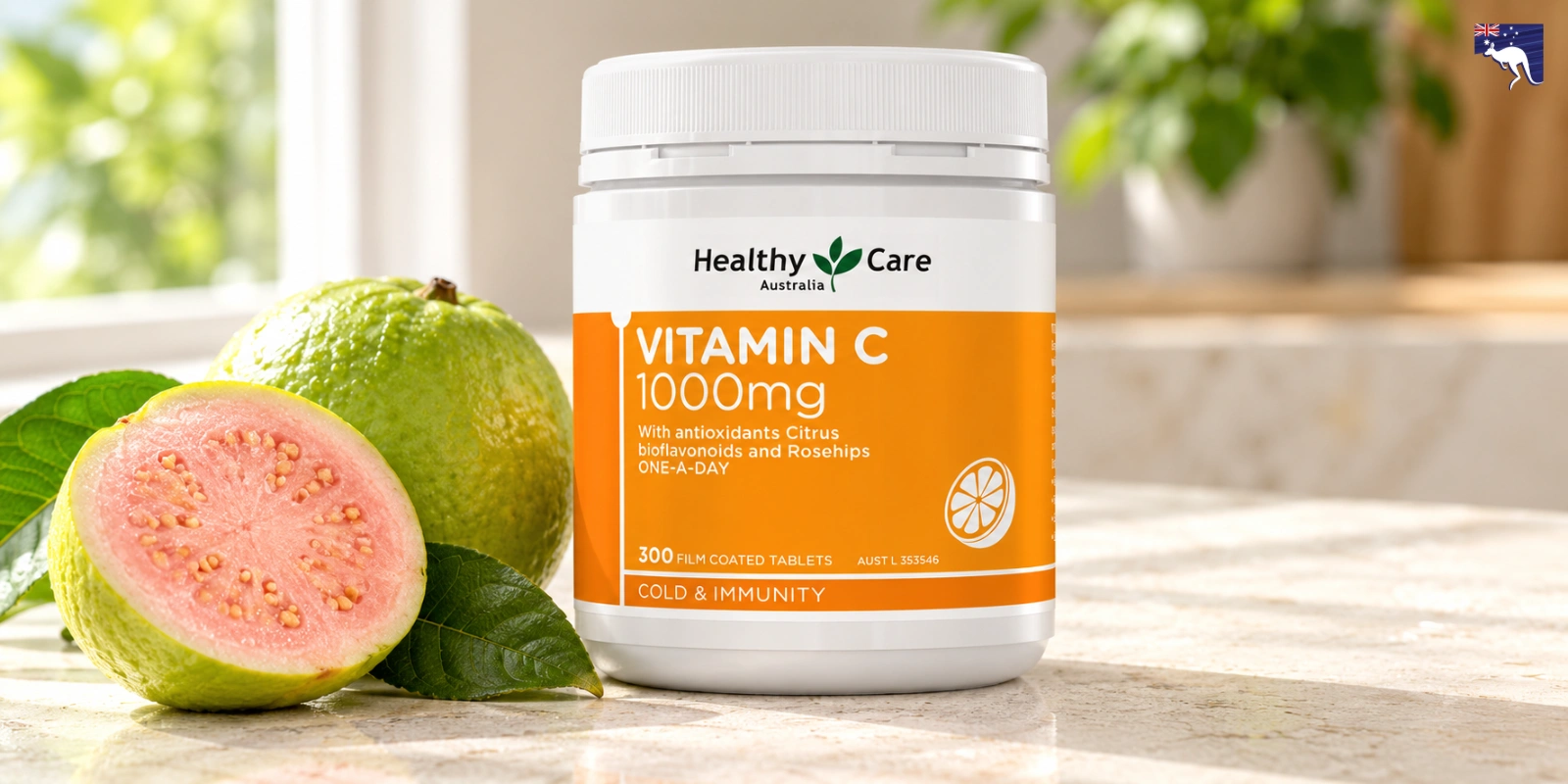
A 1000 mg vitamin C tablet can look reassuringly strong. But strength answers only one question: how much is in the tablet? It does not tell you how much you need or whether the benefit you want has been demonstrated.
If you are comparing vitamin C tablets in Bangladesh for immunity, skin or everyday wellbeing, begin with your diet and your reason for buying. Then look at the evidence, the amount and the complete label.
What does vitamin C do in the body?
Vitamin C, also called ascorbic acid, is an essential nutrient. It contributes to collagen formation, normal immune function and antioxidant protection, and helps the body absorb nonheme iron from plant foods. The NHS vitamin C guidance describes its role in maintaining tissues and supporting wound healing.
A tablet can supply this nutrient when food intake is insufficient. That is different from proving that extra vitamin C improves every function once nutritional needs are already met. “Needed for collagen” does not establish that a larger tablet produces more visible skin improvement.
For many households, a food-first plan means making fruit and vegetables a dependable part of meals, rather than relying on an occasional large serving. Choose affordable seasonal options you will actually eat. This article focuses on oral supplements; the separate food guide can help you build that everyday pattern.
Do vitamin C tablets prevent or treat colds?
The distinction between taking vitamin C regularly and starting it after a cold begins matters. In the Cochrane review of placebo-controlled trials, regular supplementation did not reduce cold incidence in the general population. It did modestly shorten the duration of colds.
Trials starting vitamin C after symptoms appeared found no consistent benefit for duration or severity. Results in people undergoing brief extreme physical stress were different, but a finding in marathon runners or skiers does not automatically apply to an ordinary working day in Dhaka.
That makes “immune support” a limited claim, not a guarantee that you will avoid illness. A tablet also should not become the reason to postpone assessment of persistent or concerning symptoms. Choose it for an identified nutritional reason, not as insurance against every cough and fever.
What are vitamin C’s benefits for skin?
Collagen helps give connective tissue its structure, and vitamin C is needed to make it. Adequate intake therefore belongs in a healthy diet. A nutrient’s essential role, however, is not a promise that a high-dose tablet will whiten skin, remove scars or replace treatment for pigmentation.
Oral vitamin C and a topical vitamin C serum are different products. If a study or advert concerns a serum applied to the skin, do not assume that its result applies to a tablet. Check the form used, the outcome measured and whether vitamin C was tested alone or within a larger formula.
How much vitamin C do adults need?
As a reference, the NIH Office of Dietary Supplements lists US adult recommended dietary allowances of 90 mg daily for men and 75 mg for women. Pregnancy, breastfeeding and smoking affect requirements. These are dietary reference values, not a diagnosis or a personal prescription.
A 500 mg or 1000 mg tablet is therefore substantially above the ordinary adult requirement. The body regulates vitamin C levels, and absorption becomes less efficient at higher doses. The largest number on the shelf is not automatically the best fit.
The adult upper intake level is 2000 mg per day from all sources; lower limits apply to children and teenagers. An upper limit is not a target, and staying below it does not establish that a dose is necessary or appropriate for someone with a medical condition.
500 mg or 1000 mg: how should you compare tablets?
Ask what gap you are trying to fill. If a clinician has recommended a particular amount, compare products that match that plan. If you have no identified gap, first review your food intake and whether another supplement already provides vitamin C.
For a simple overlap example, a 1000 mg tablet plus a multivitamin providing 100 mg supplies 1100 mg from supplements before food is counted. A beauty formula or another antioxidant product might add more. Keeping a short list of your products makes that arithmetic much easier.
A label example from an Australian product
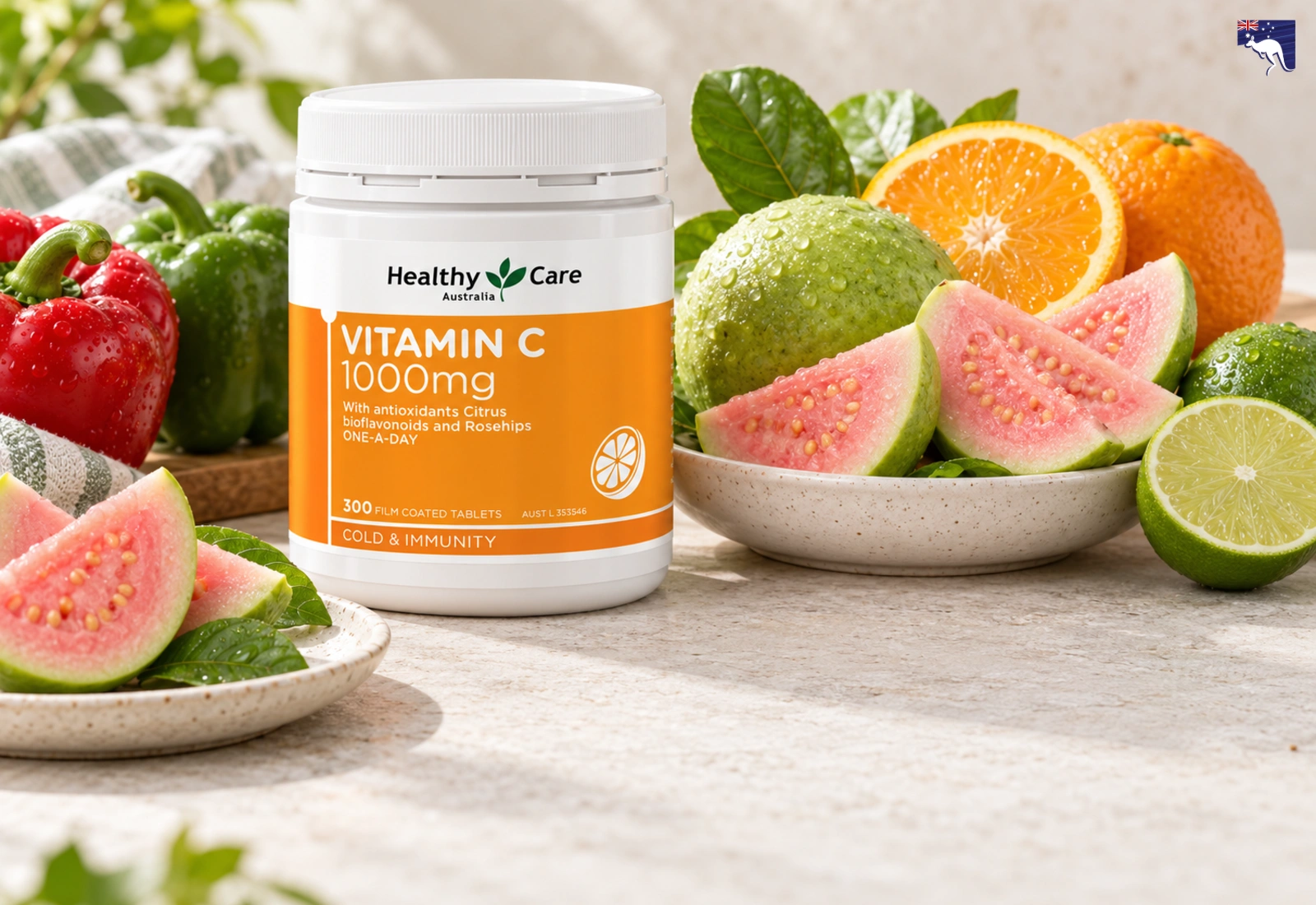
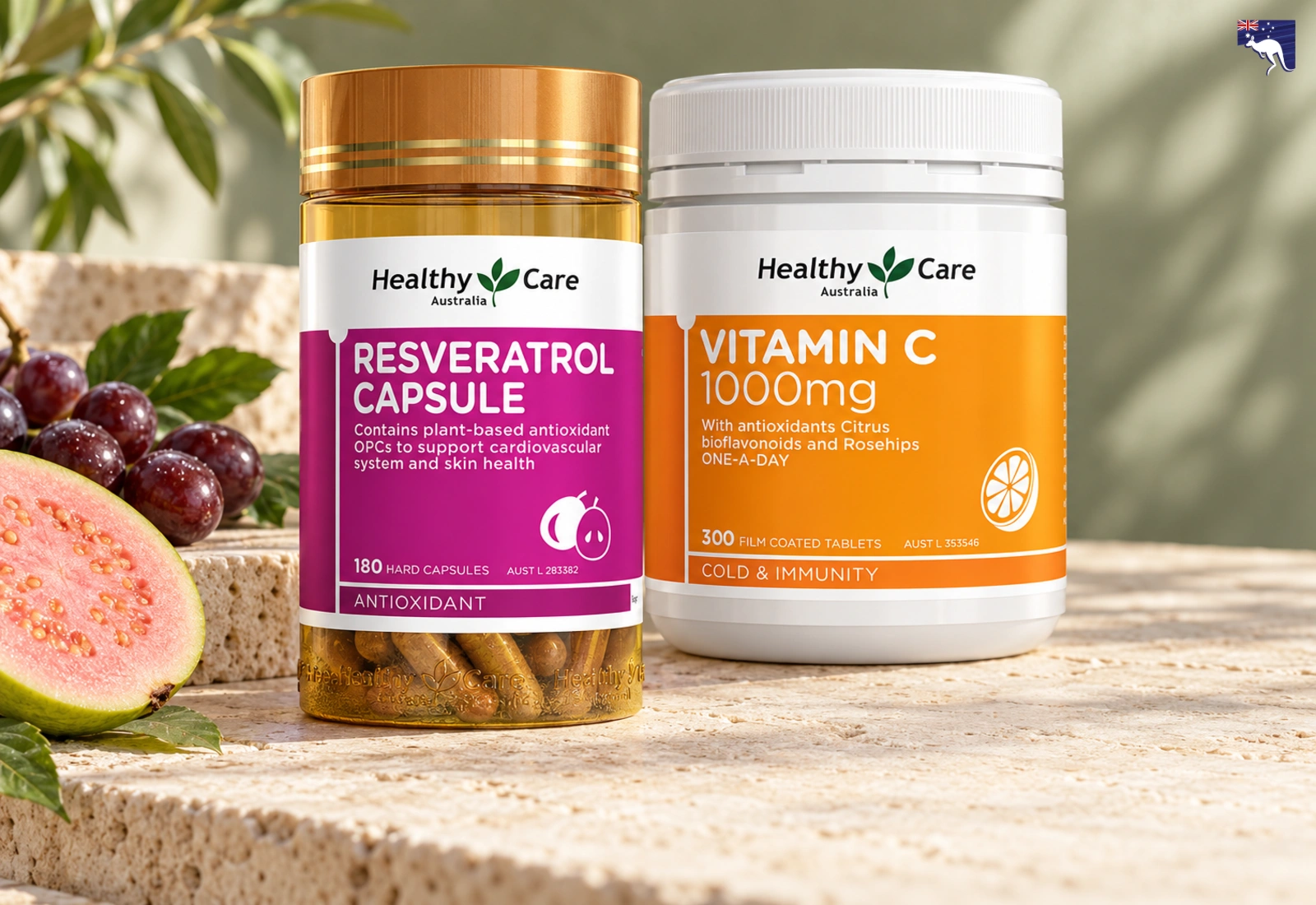
Healthy Care Vitamin C 1000mg, 300 film-coated tablets declares a total of 1000 mg vitamin C per tablet. This comes from ascorbic acid plus vitamin C supplied by sodium ascorbate and calcium ascorbate. The formula also contains rosehip extract and citrus bioflavonoids.
Use the declared total vitamin C for comparison. Adding the raw weights of the ascorbate compounds would give the wrong vitamin C total because those compounds contain more than the vitamin alone. The 300-tablet count describes the pack size, not a recommendation for a 300-day course.
When should you take vitamin C tablets?
Follow the directions for the exact product. For the Healthy Care example above, the manufacturer’s adult directions specify one tablet during or immediately after a meal, or professional advice. That describes this label; it is not a recommendation that every adult needs the product.
There is no need to invent a special morning-versus-night rule from the word “antioxidant”. A suitable product, an appropriate amount and a routine consistent with its instructions matter more. Do not double the amount because you missed a tablet, and do not assume a film-coated tablet is meant to be chewed.
Vitamin C side effects and who should check first
Higher supplemental intakes can cause diarrhoea, stomach cramps, nausea or heartburn. Mayo Clinic’s vitamin C guidance also highlights precautions around kidney stones, medical tests and interactions.
Speak to a clinician before high-dose use if you have kidney disease, a history of stones or an iron-overload condition such as haemochromatosis. Ask your treatment team before using antioxidant supplements during cancer treatment. If you take regular medicines, a pharmacist can check the full combination.
Tell the person arranging blood or urine tests about supplements too: high vitamin C levels can affect some test results. If a tablet causes persistent symptoms, stop treating those symptoms as evidence that it is “working” and seek advice.
Do you need vitamin C with an iron tablet?
Vitamin C helps absorption of iron from plant foods, but that does not mean a separate high-dose tablet is always essential alongside prescribed iron. A randomised trial involving 440 adults with iron-deficiency anaemia found comparable haemoglobin recovery with oral iron alone and oral iron plus vitamin C.
Follow the plan given for your anaemia rather than changing it on the basis of a general supplement claim. The cause of the deficiency, the iron preparation and follow-up testing are part of that plan.
Buying and storing vitamin C in Bangladesh
Compare the exact formulation, strength, serving size and tablet count. Chewable, effervescent and film-coated products can have different directions and additional ingredients; check these when sugar, sodium, allergies or dietary restrictions matter to you.
Before ordering, inspect the full label, expiry and seal information, and confirm any halal claim for the exact product rather than the brand in general. Use the live product listing for the current Bangladesh price. Follow the pack’s storage directions; heat and humidity deserve attention during storage at home.
The most useful purchase is one that fills a real need at an appropriate amount. If your diet already covers that need, a higher-strength tablet may add cost and side effects without giving you the benefit you hoped for.
Compare the available strengths and pack details on the current product listing. Choose around an identified need and the supplied directions, rather than the largest number.

Healthy Care Vitamin C 250–1000mg Tablets
Healthy Care Vitamin C 250–1000 mg in Bangladesh. Compare selected strength, tablet format, pack price, matching directions and supply duration.