Winter Immunity Supplements in Bangladesh: What Is Worth Buying?
A useful winter supplement plan starts with what your diet or health needs, not the longest shopping list. Compare vitamin C, vitamin D, zinc and combination products, understand the limits of cold-prevention claims, and see how Manuka honey can fit as an optional food.
Quick Answer
There is no single best winter immunity supplement for everyone in Bangladesh. Vitamins C and D and zinc have essential roles, but a supplement is most useful when it addresses an identified need. Compare ingredients and label directions before combining products. Honey is an optional food, not a substitute for nutrients, vaccination or medical care.
Key Takeaways
- Start with a dietary gap or professional recommendation; winter alone does not establish a supplement need.
- Vitamin C, vitamin D and zinc should not be advertised as guaranteed cold or flu protection.
- Check repeated ingredients across multivitamins, immune formulas and separate nutrient products.
- Manuka honey and vitamin C chewables containing honey are different products with different uses.
The first sniffle of winter can turn a simple shopping trip into a basket of vitamin C, zinc, vitamin D and something labelled “immune defence”. Before you buy them all, ask one useful question: what is each product meant to add?
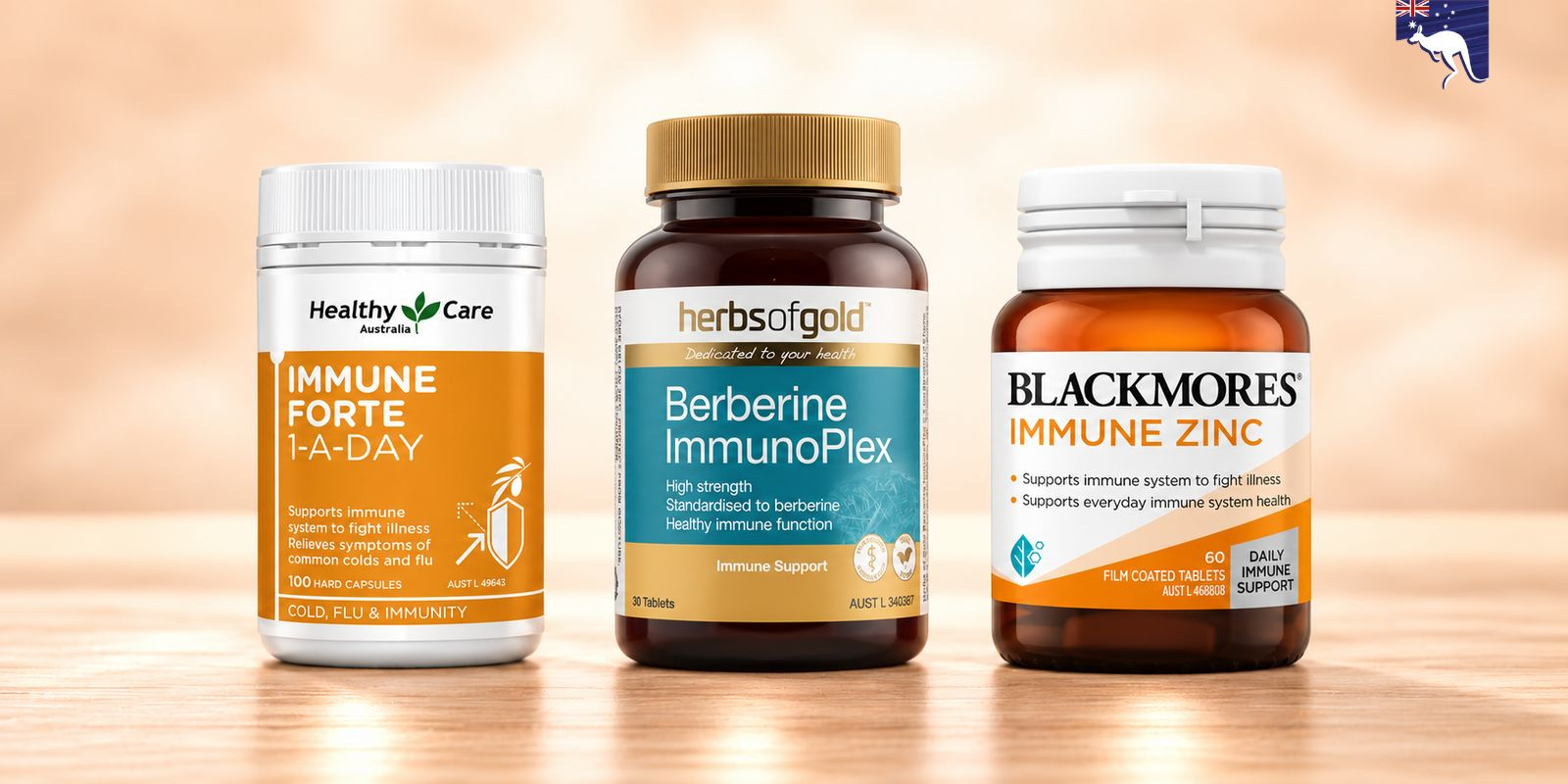
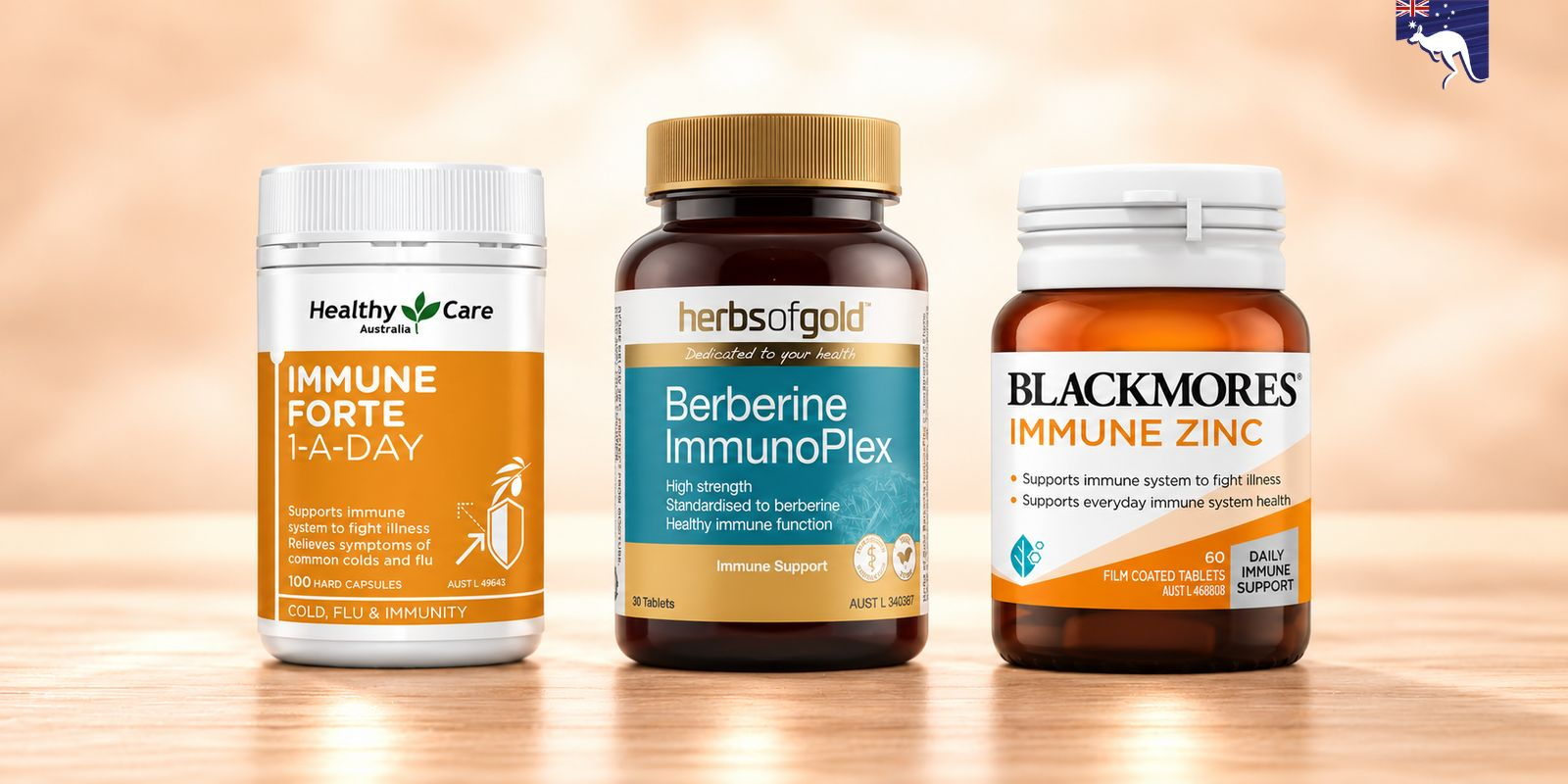
Choosing winter immunity supplements in Bangladesh becomes easier when you separate nutrition from promises of avoiding illness. This guide covers five supplement categories, then explains where honey fits. You can build a sensible shortlist without turning your morning into a handful of overlapping tablets.
Start with the gap, not the season
Think about your usual meals, any restricted foods, existing supplements and advice you have already received. If you have a diagnosed deficiency, that specific plan takes priority over a general winter product. Feeling tired or catching a cold does not identify which nutrient, if any, you lack.
A varied diet remains the foundation. The NIH explains that multivitamins can help fill some intake gaps, but they do not replace the fibre and other components of food. Buying an imported product should involve the same careful questions as any other supplement: what is in it, do I need it, and is it suitable for me?
1. Vitamin C: useful nutrition, modest cold evidence
Vitamin C supports normal immune function and is available from foods such as citrus fruit, peppers and other vegetables. If your intake is limited, a supplement may be worth discussing. That is different from assuming everyone needs a high-strength tablet throughout winter.
The NIH review of vitamin C reports that regular supplementation generally does not prevent colds in the general population, although it can modestly shorten their duration. Starting only after symptoms begin has not shown consistent benefit. Larger amounts are not automatically more useful and can cause digestive upset.
When comparing products, look at vitamin C per labelled serving, the tablet format and any additional ingredients. “Chewable”, “high strength” and “with honey” describe different features; none is a substitute for reading the formula.
2. Vitamin D: address your own need
Vitamin D contributes to bone health and immune function. Food intake, sun exposure and individual circumstances affect vitamin D status. Living in a sunny country does not establish everyone's level, but winter alone does not diagnose deficiency either.
The NIH vitamin D fact sheet explains relevant risk factors and the risks of excess. If you have limited sun exposure, an absorption condition or previous low results, discuss whether supplementation or testing is appropriate. Routine testing is not necessary for every healthy person.
For infection prevention, a 2025 review of randomised trials did not establish statistically significant overall protection against acute respiratory infections. Correcting an identified need remains worthwhile; buying vitamin D as a guaranteed winter shield is a different proposition.
3. Zinc: separate cold treatment research from daily use
Zinc is an essential nutrient, but the evidence does not support treating every zinc tablet as a cold-prevention product. A Cochrane review found little or no preventive benefit. Zinc used during a cold may shorten symptoms by around two days, but confidence in that finding was low and side effects were more frequent.
Study formulations and regimens varied. Those results do not mean that an ordinary daily combination tablet will have the same effect. Ask a pharmacist about an appropriate product rather than copying a research dose.
According to the NIH zinc safety information, excessive long-term intake can lower copper levels and impair immunity. Zinc can also interact with some antibiotics. Avoid zinc products used inside the nose because of the risk of loss of smell described by NCCIH.
4. Combination formulas: check what is already covered
A vitamin C, D and zinc formula can simplify a suitable plan, but combining it with a multivitamin and separate zinc may duplicate ingredients. Write down each product's amount per daily serving before deciding what belongs together.
For example, NutraLife High Strength Vitamin C + D + Zinc contains all three named nutrients. It is a swallow-tablet product, with adult directions in the checked catalogue. Do not assume its instructions match a chewable or a children's formula.
If this type of combination fits an identified need, use the product card to inspect the complete label and current pack. Its inclusion here is an option to assess, not advice to add it to every existing routine.

Nutra life High Strength Vitamin C + D + Zinc
Nutra life High Strength Vitamin C + D + Zinc: Per tablet: vitamin C 1,200 mg, vitamin D3 8.25 micrograms (330 IU) and zinc 10 mg. Compare Bangladesh pack prices and label directio...
5. Herbal and greens blends: assess the actual formula
Words such as “natural”, “superfood” and “detox” do not establish that a blend prevents winter infections. Different herbs, extracts and amounts cannot be treated as interchangeable. NCCIH describes limited or mixed evidence for several commonly promoted cold remedies.
Before buying a blend, identify each ingredient and ask whether it adds something relevant to your needs. Take extra care with medicines, pregnancy or a health condition. Our separate herbal guide looks more closely at these products and their limitations.
Where does Manuka honey fit?
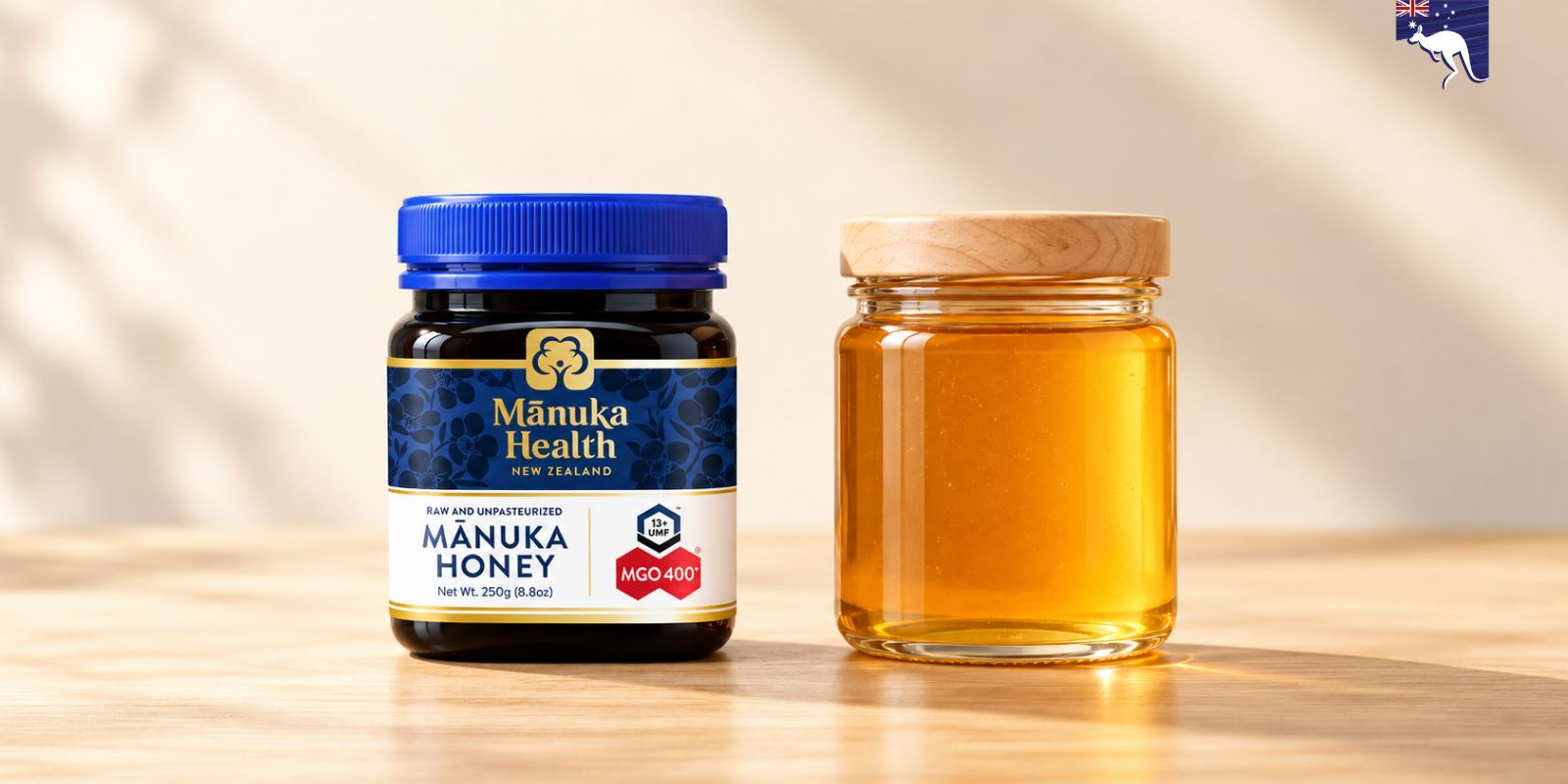
Honey belongs in the food cupboard. You may enjoy it with breakfast or in a warm drink, but it is not a replacement for vitamins or minerals. NCCIH notes limited research suggesting honey can ease nighttime cough in children old enough to have it; that does not establish cold prevention or a need for premium Manuka.
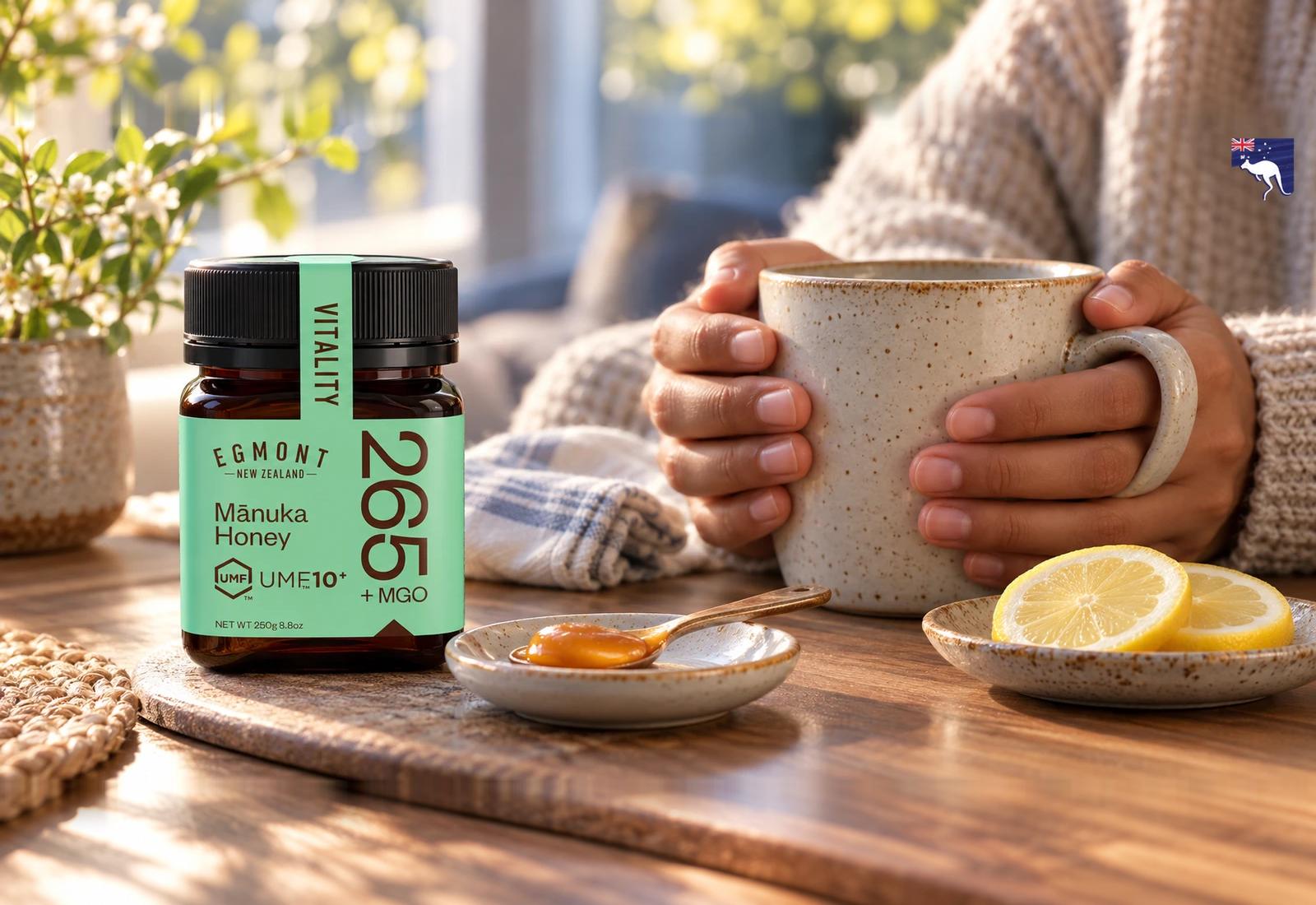
If you prefer Egmont MGO 575+, choose it for its labelled specification, taste preference and budget. A higher MGO number does not establish stronger winter protection. Our honey and cough guide explains the evidence and limits.
Swisse Vitamin C + Manuka Honey is a formulated chewable supplement, not the same thing as a spoonful of honey. Its checked label includes gluten and sulfites, so read its ingredient and age directions carefully. Never give honey to babies under 12 months, as the NHS advises.
A practical buying check for Bangladesh
Make the comparison on one page: product name, ingredients per serving, the label's serving size and the number of servings in the pack. Then divide the selected pack price by that number. This tells you the cost of following that product's directions, not whether you personally need it. Take the list to a pharmacist if ingredients overlap. Bringing photographs of the labels is more useful than asking whether two products advertised as “immune support” can be taken together.
- Match the formula to the person. Confirm the intended age, ingredients, allergens and compatibility with medicines.
- Compare servings, not tablet count alone. A bottle requiring two tablets per labelled day lasts half as many days as its tablet count.
- Check the supplied pack. Read the seal, batch, expiry, directions and storage conditions; keep the invoice.
- Review the final cost. Select the correct size and check delivery charges and timing before ordering.
There is no requirement to purchase all five categories. You may need one carefully chosen supplement, a clinician's specific plan, or simply a more varied shopping basket. Keep meals, sleep, hand hygiene and appropriate vaccination in your winter routine. Supplements can address particular needs; they cannot guarantee an illness-free season.