Manuka Honey vs Regular Honey: Differences, Value and Winter Use
Does a premium Manuka jar belong beside your everyday honey? Compare what the labels, research and prices actually tell you, then choose a honey that fits your taste, budget and winter routine in Bangladesh.
Quick Answer
Manuka honey differs from regular honey in its floral source and, on graded products, measured methylglyoxal (MGO). Regular honey can be a practical everyday sweetener; Manuka may appeal if you value a specific origin, documented grading and traceability. Neither is proven to prevent winter infections. Both contain sugar, and neither is suitable for babies under 12 months.
Key Takeaways
- Choose by intended use, verified label and price per 100 g, rather than the largest MGO number.
- Manuka grading describes honey characteristics; it does not establish a treatment dose or stronger immunity.
- Honey may offer short-term cough relief, but research does not establish that premium Manuka is necessary.
- Local and imported honey both need credible sourcing. All honey contributes sugar.
A jar for your morning tea and a jar costing several times more can both say “honey” on the front. If you are comparing Manuka honey vs regular honey in Bangladesh, the useful question is what that extra money buys—and whether you will value it.
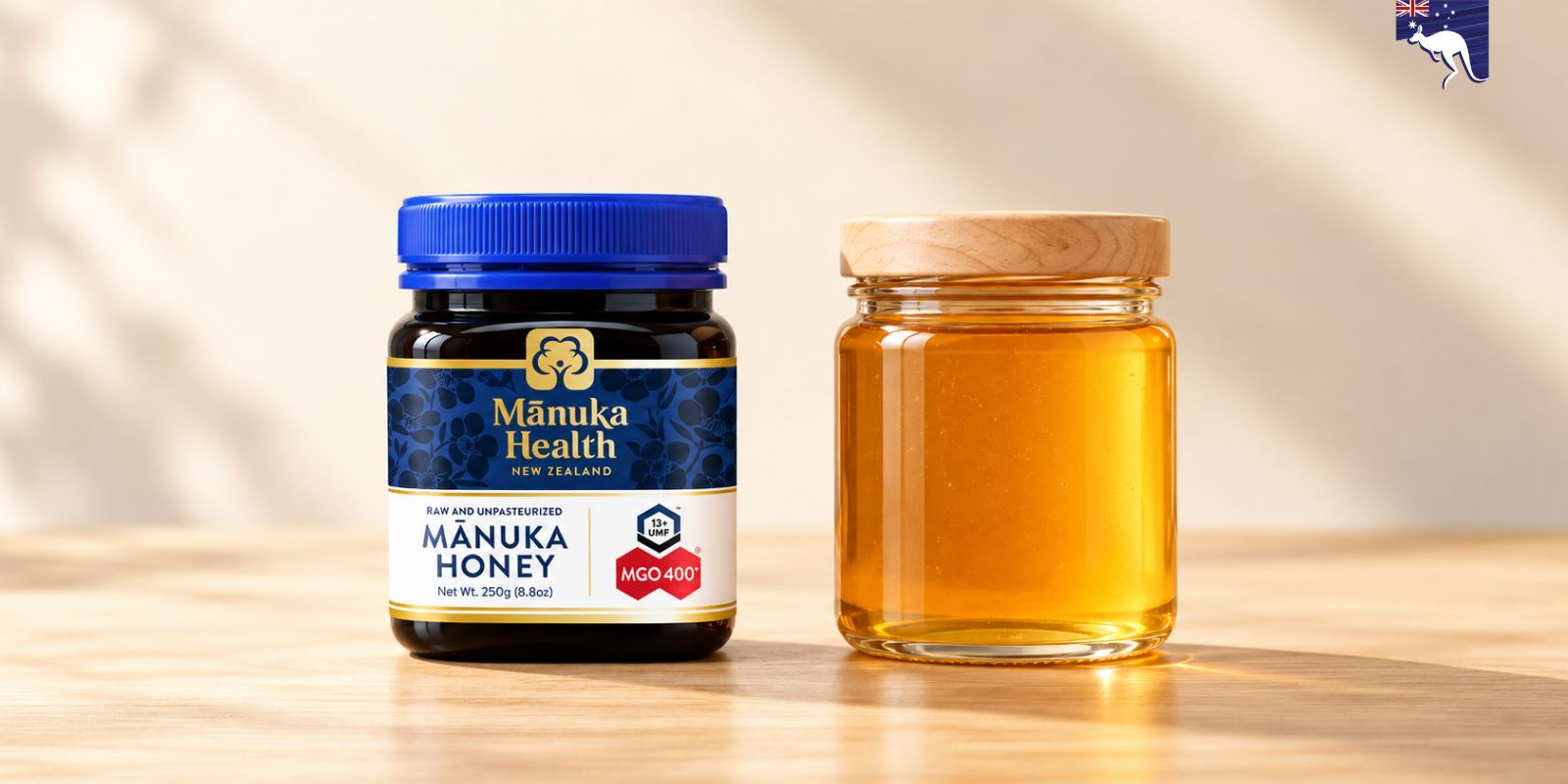
For some shoppers, the answer is a particular New Zealand honey with a clearly labelled grade and traceable batch. For others, a well-sourced everyday honey suits the kitchen perfectly. Winter adds another question: will the more expensive jar keep the family healthier? That deserves an evidence-based answer before you shop.
Manuka honey and regular honey: the main differences
“Regular honey” is a broad shopping term, not a single grade. It may describe honey from one main floral source or a mixture of flowers, produced locally or overseas. Colour, flavour and texture vary. A jar does not become inferior simply because it has no Manuka rating.
New Zealand Manuka honey comes from bees gathering nectar from the mānuka plant, Leptospermum scoparium. The New Zealand Ministry for Primary Industries uses five laboratory attributes to identify honey labelled as mānuka for export: four chemical markers and one DNA marker. Its criteria distinguish monofloral from multifloral mānuka honey.
| What matters | Regular honey | Manuka honey |
|---|---|---|
| Floral source | Many possible flowers or blends | Mānuka, with monofloral or multifloral classification |
| Label comparison | Origin, ingredients, weight and producer | The same checks, plus any declared MGO or licensed UMF grade |
| Kitchen role | Sweetening, breakfast and recipes | The same food uses, often chosen for its specific identity and grade |
| Sugar | Counts towards sugar intake | Also counts towards sugar intake |
| Buying decision | Flavour, sourcing and everyday value | Those factors plus the value you place on documented grading |
Raw, organic and Manuka answer different questions. Raw refers to how a product is described in relation to processing; organic concerns its certification; Manuka describes its botanical identity. One word cannot stand in for all the others. If processing is your main concern, our raw honey vs regular honey guide explains that comparison separately.
What do MGO and UMF actually tell you?
MGO means methylglyoxal, a compound measured in Manuka honey. An MGO 265+ label describes a minimum concentration of 265 milligrams per kilogram. It is useful for comparing a declared product characteristic. It does not mean 265 times better immunity, and it is not a recommended daily dose.
UMF is a separate licensed quality system. The UMF Honey Association describes checks involving MGO, leptosperin, DHA and HMF. Because UMF assesses more than MGO alone, a number on an online conversion chart cannot establish that a particular jar is UMF certified. Look at the actual pack and the brand’s documentation.
For a first purchase, set a budget before comparing grades. A high number can be relevant if that measured characteristic is what you want. Paying more without knowing why is less helpful. Our guide to Manuka honey, MGO and UMF explains how to read the label.
Is Manuka honey better for winter immunity?
There is no good basis for promising that eating Manuka honey will prevent winter colds or make your immune system stronger than eating regular honey. The British Heart Foundation notes that broad claims about honey improving immunity lack strong evidence.
Laboratory findings about antibacterial activity also need careful interpretation. A compound acting on bacteria in a test does not demonstrate that swallowing a spoonful treats an infection. Food honey and medical-grade wound dressings are different products; an ordinary jar should not be used to treat a wound.
This matters when a shopping page uses words such as “shield”, “healing strength” or “medicinal”. Those phrases can make a food purchase sound like a health necessity. A premium honey can be enjoyable and worth buying without that promise. Choose it for what can be checked: origin, label, grade, batch information and the product you actually want.
If you are also considering vitamins or herbal products for winter, our winter supplement guide and herbal buying guide explain their uses and limitations.
What about a cough or scratchy throat?
Honey has a more specific, limited role here. Across six trials (899 participants aged one to eighteen), a Cochrane review published in 2018 reported probable short-term improvements in childhood cough versus no intervention or placebo. Confidence in the evidence ranged from low to moderate; many trials assessed only a single night.
That evidence concerns short-term symptom relief. It does not show that honey prevents infection or that a high-MGO Manuka jar is necessary. A comfortably warm honey drink may be pleasant when your throat feels irritated; choose a honey you enjoy rather than assuming the most expensive one will work best.
Never give honey to babies under 12 months. Do not give hot drinks to small children. Seek medical advice for a cough lasting more than three weeks or getting worse, and urgent medical help for breathing difficulty, chest pain or coughing blood. Honey should not delay assessment.
Will switching to Manuka reduce sugar or calories?
No useful shopping decision should start with that assumption. WHO includes sugars naturally present in honey in its definition of free sugars. Manuka remains a concentrated sweet food, even when its origin and grade are carefully documented.
For someone managing diabetes, “natural”, “raw” and “high MGO” do not remove the need to consider carbohydrate portions. Mayo Clinic advises that substituting honey for sugar generally offers no advantage in a diabetes eating plan. Our honey vs sugar comparison looks at this more closely.
A practical approach is to use a small amount where you enjoy it, rather than adding honey on top of an already sweet drink. You do not need a compulsory spoonful every morning to justify owning a good jar.
When is the Manuka premium worth considering?
For breakfast and everyday recipes: a well-sourced regular honey may meet your needs at a comfortable price. Think about how quickly your household finishes a jar and whether its flavour works with your usual food.
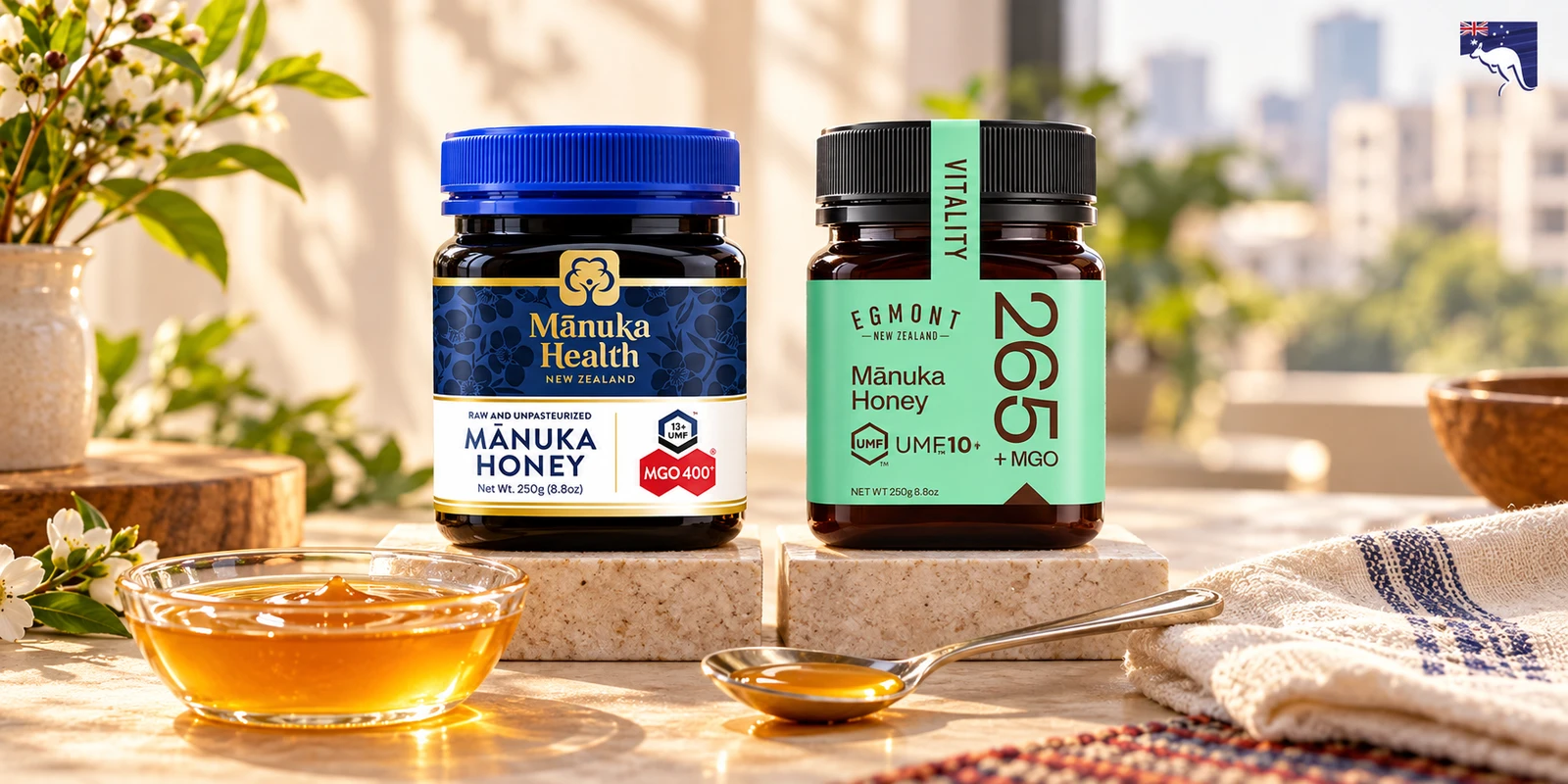
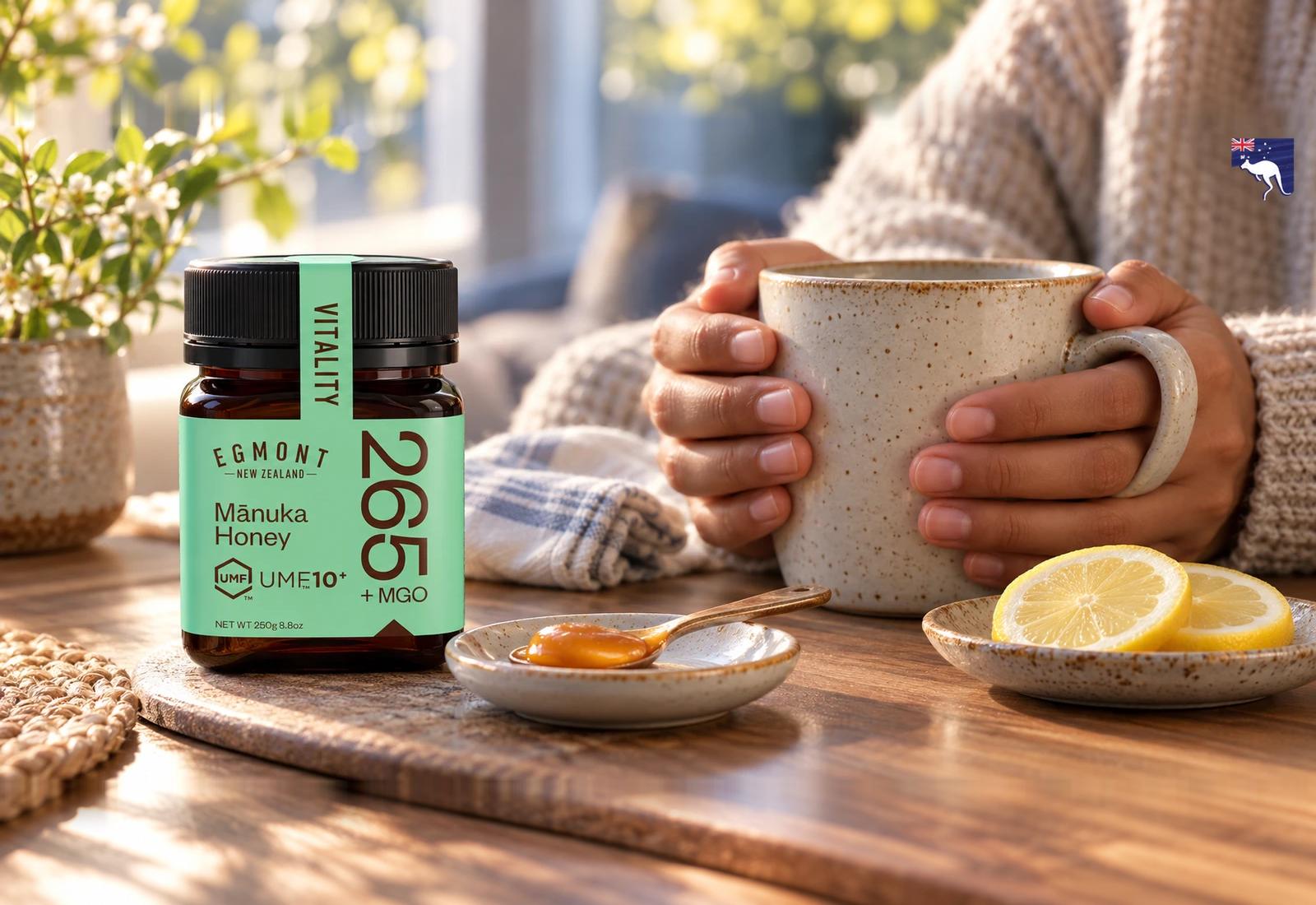
For exploring New Zealand Manuka: compare a lower-priced entry point with a clearly graded monofloral option. For example, the catalogue includes Egmont MGO 50+ multifloral honey and Egmont MGO 265+. These are different product choices, so compare the selected weight and label as well as the jar price.
For a gift or a particular grade: presentation, brand preference and documented grading may justify a higher budget. A recipient may appreciate a traceable premium food. Avoid presenting it as a cure or as something they need because of a medical condition.

Egmont Premium Manuka Honey MGO 265+ (New Zealand)
Egmont MGO 265+ Manuka honey in Bangladesh: compare jar weight, labelled grade, batch traceability, food-use guidance and current price.
The product above is one graded option to inspect. Check its live price, selected pack and availability before ordering. If you are deciding between brands, our Egmont vs Manuka Health comparison can help narrow the choice.
A fair buying checklist for Bangladesh
- Decide the job. Everyday sweetener, occasional tasting or a premium gift each suggests a different budget.
- Read the origin. A retailer’s Australian name does not make every product Australian. The Egmont and Manuka Health examples here are New Zealand honey.
- Match grade and weight. Compare the same pack size where possible. Price per 100 g equals the jar price divided by its weight in grams, multiplied by 100.
- Check traceability. Look for clear batch and date information, an intact seal and a seller who can explain the supplied stock. A QR code alone is not proof of authenticity.
- Check the final order. Confirm delivery charges, stock and the selected variant before paying.
Neither local origin nor an imported label guarantees purity by itself. For help assessing claims, read how to identify pure honey without misleading home tests. The strongest reason to upgrade is a product you understand and will enjoy—not fear that everyday honey is failing your family.
Ready to compare? Browse our Manuka honey range in Bangladesh and start with a grade and jar size that fit your budget. The right purchase should make sense on its label before it reaches your kitchen.