Herbal Immunity Boosters in Bangladesh: Evidence & Safety
A winter wellness basket can fill up quickly. This guide explains what olive leaf, ashwagandha and other herbal products can reasonably offer, which claims deserve caution, and where Manuka honey fits as a food rather than a herbal treatment.
Quick Answer
Herbal immunity boosters in Bangladesh should be assessed ingredient by ingredient, not treated as a proven winter protection plan. Evidence for preventing colds is limited; some ashwagandha preparations may help stress or sleep, but suitability matters. Honey is a bee-produced food with a possible role in cough comfort, not an herb or an infection-prevention treatment.
Key Takeaways
- Start with a specific need rather than buying several products labelled for immunity.
- Olive leaf, ashwagandha and garlic have different evidence and precautions.
- Herbal blends do not replace prescribed respiratory treatment or protection from smoke and dust.
- Choose Manuka honey for its food qualities and documented grade, not a detox or flu-prevention promise.
A winter shopping basket can grow surprisingly quickly: olive leaf for immunity, ashwagandha for stress, a lung blend for dusty days and a jar of honey for the family. Each promises to help with something different. Do you need all of them?
If you are comparing herbal immunity boosters in Bangladesh, begin with a smaller question: what are you actually hoping to improve? Trouble sleeping, a scratchy throat and concern about catching a cold call for different decisions. A collection of “natural” products is not automatically a better plan.
Here is a practical way to compare the main options, keep the useful possibilities and leave exaggerated promises out of your basket.
Read the claim before choosing the herb
“Supports immunity” is broad wording. It does not tell you whether a product has been shown to prevent an infection, shorten symptoms or help someone with a particular deficiency. Those are separate questions, requiring different evidence.
Look for the full ingredient name, extract details, labelled directions and warnings. A large number on the front may describe an equivalent amount of dried plant rather than the quantity of extract in a capsule. Compare the actual formulation, not just the biggest number.
This guide focuses on herbal choices. If you are mainly comparing vitamin C, vitamin D or zinc, use our winter supplement guide for that separate decision.
Olive leaf: interesting research, limited answers
Olive leaf extract is often marketed for winter wellness. The most useful question is whether research measures an outcome that matters to you, rather than simply describing antioxidant activity.
A 2019 trial recruited 32 teenage athletes and compared an olive-leaf preparation with placebo. Illness occurred at a similar rate in the two groups, although the extract group recorded fewer days with symptoms overall. The small, specialised sample limits what shoppers can conclude for adults or families generally.
That is a reason for measured interest, not a promise that taking olive leaf all winter prevents colds. The particular study preparation also cannot be assumed equivalent to every capsule on sale.
If considering Healthy Care Olive Leaf 3000, inspect the supplied label and current product information. Do not copy a schedule from an older photograph or increase the serving because symptoms have appeared.
Ashwagandha: consider the stress or sleep question
Ashwagandha belongs in a different conversation. NCCIH reports that certain preparations may help with stress or insomnia, while evidence for other uses is less clear. This does not establish protection against winter infections, nor does research on one extract guarantee identical results from another.
If poor sleep is the issue, review the pattern first: late caffeine, irregular bedtime, discomfort or persistent anxiety may need attention beyond a supplement. Ongoing sleep or mood difficulties deserve professional assessment.
Check suitability carefully. Ashwagandha should be avoided during pregnancy and breastfeeding; thyroid or autoimmune conditions, planned surgery and several medicines are reasons to seek advice before use. Drowsiness and stomach upset can occur, and long-term safety remains uncertain.
The TGA also warns about very rare liver injury. Avoid it with current or previous liver problems. Stop taking it and seek medical advice if you develop yellow skin or eyes, dark urine or unexplained marked tiredness.
Lung-support blends: the name is not the evidence
A product called “lung support” may contain several herbs, vitamins or minerals. Read the individual ingredients and distinguish a statement about traditional use from a demonstrated clinical effect of that exact blend.
Do not assume a daily tablet protects against smoke, dust or polluted air. Nor should a herbal formula replace an inhaler or other prescribed respiratory treatment. NCCIH finds no conclusive evidence that dietary supplements benefit asthma and advises discussing additions with the treating clinician.
For someone with asthma, checking the existing care plan and avoiding known triggers is a more useful starting point than buying an extra bottle. New wheezing, breathlessness or a persistent cough needs assessment, not a guess about which herb matches the symptom.
Garlic and aged garlic: keep expectations specific
Garlic in cooking and concentrated garlic supplements are different purchases. The food can add flavour to ordinary meals without turning dinner into a treatment plan.
According to NCCIH’s garlic review, studies of immune or cold-season benefits are few and have limitations. “Aged garlic” should not be treated as proof that a capsule will prevent flu or keep the household free of colds.
Garlic supplements can also increase bleeding risk. Tell your healthcare professional if you take blood-thinning medicines or aspirin, or have surgery planned. More is not automatically better simply because the starting ingredient is familiar.
Greens and detox blends: separate food from a promise
A greens powder is not the same thing as a plate of vegetables, and a B-complex supplement is not an herb. Review what a mixed product actually contains before adding it to other supplements with overlapping vitamins.
Claims about cleansing the liver, removing winter toxins or “resetting” immunity deserve particular care. NCCIH’s assessment of detox programmes finds weak research and no compelling evidence for the advertised toxin-removal benefits. A honey-containing tablet or green drink does not become a necessary cleanse after rich meals.
For ordinary winter eating, build meals around foods you enjoy: vegetables, lentils, fruit and suitable protein sources. A product can be convenient without being essential or replacing that variety.
Where Manuka honey fits in a winter routine
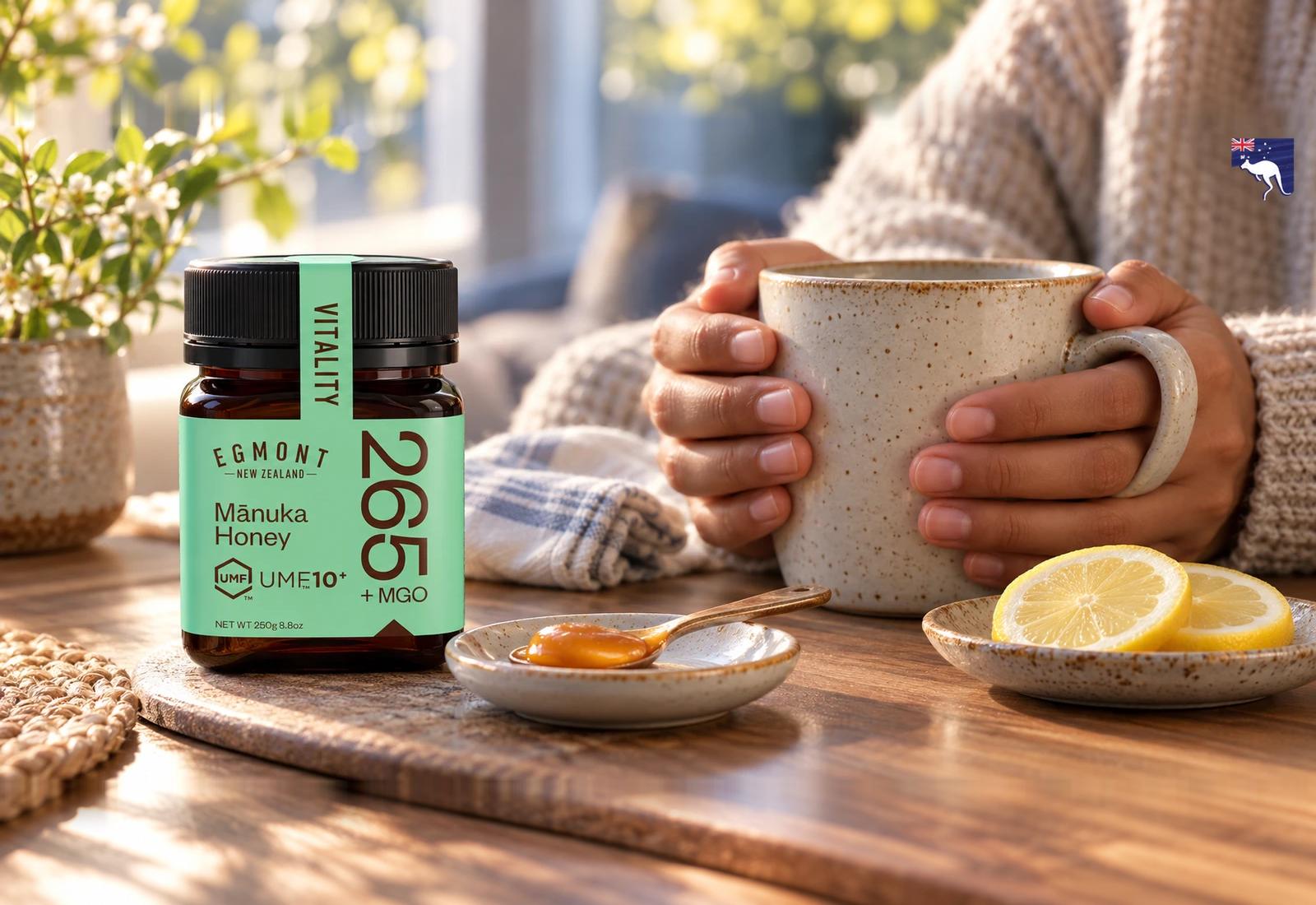
Honey is a bee-produced food, not a herbal supplement. It can be enjoyable in a comfortably warm drink or with breakfast. Limited evidence suggests honey can ease some cough symptoms, especially nighttime coughing in children older than one; NCCIH discusses this narrow role.
That research does not establish that premium Manuka honey is needed, that a higher MGO grade gives better symptom relief, or that honey prevents infection. Honey also contributes sugar. Never give it to a baby under 12 months, and avoid hot drinks for small children.
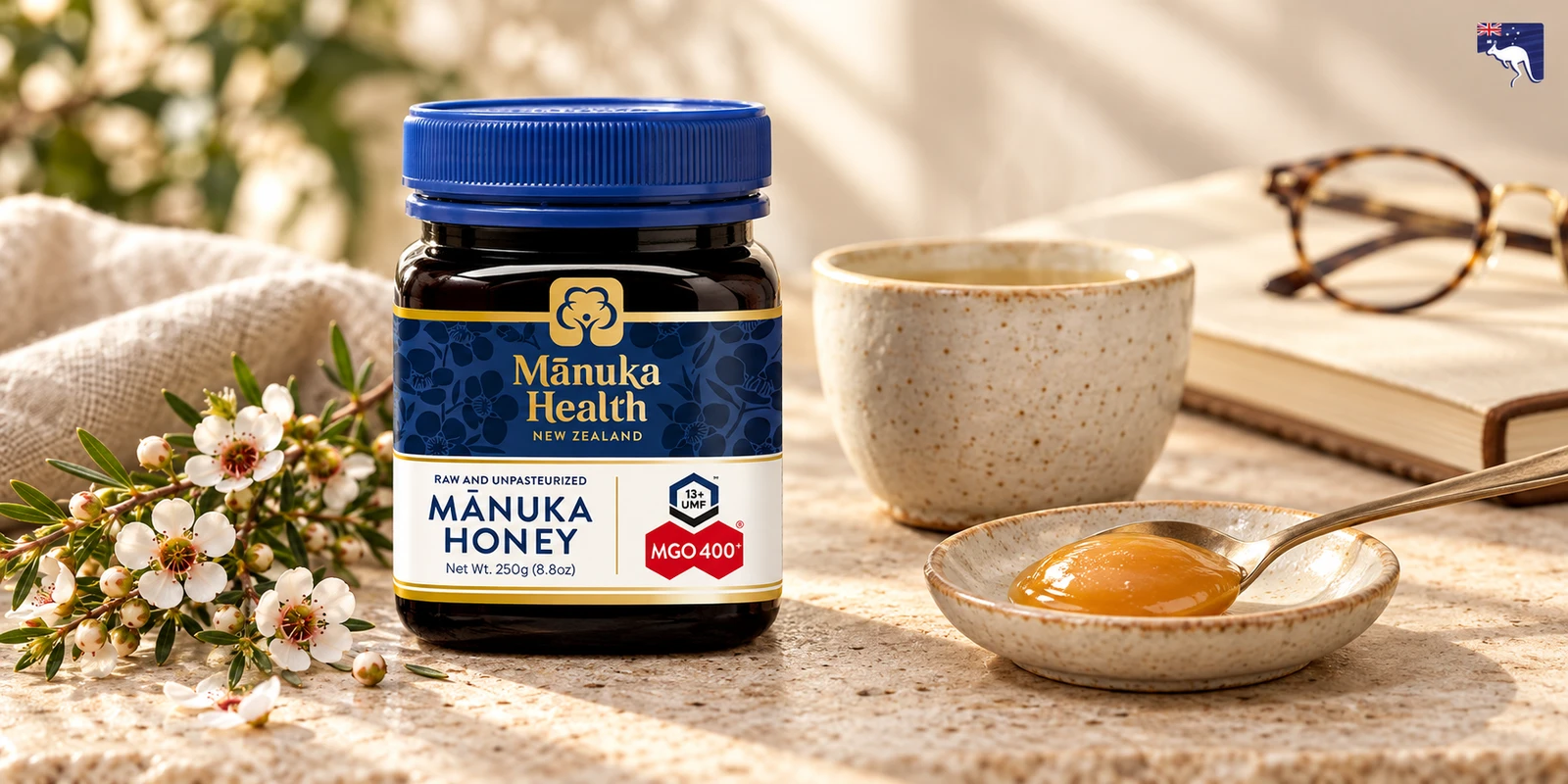
If you want a New Zealand Manuka jar for its flavour, origin and documented grade, Manuka Health MGO 400+ is one option to compare. Check the selected weight, current price and batch information. Its grade describes the honey; it is not a prescription for winter illness.

Manuka Health MGO 400+ Manuka Honey (New Zealand)
Manuka Health MGO 400+ honey in Bangladesh: compare jar weight, UMF 13+ label, food-use guidance, expiry and current selected-pack price.
A smaller, more useful buying checklist
- Name one goal. Decide whether you want a food, help assessing a symptom or advice on a specific supplement.
- Check compatibility. Show a pharmacist the complete labels and your medicine list before combining herbs.
- Check the supplied pack. Confirm age suitability, serving instructions, batch, date and sealed condition.
- Compare real cost. Use the labelled daily serving when comparing supplement prices; use matching weights for honey.
- Decide when to review. Do not keep adding products when the original concern continues.
For a cough lasting more than three weeks, seek medical advice. Breathing difficulty, chest pain or coughing blood needs urgent medical help, consistent with NHS cough guidance.
Choose products whose purpose, evidence and suitability you understand. If a good jar of honey is what you want for your kitchen, compare our Manuka honey range in Bangladesh by origin, labelled grade, selected weight and price. A clear reason for choosing one jar is more useful than a crowded shopping basket.