Top 10 Mineral Rich Foods You Should Be Eating
Mineral rich foods help support energy, hydration, muscle function, immunity, bone strength, and overall wellness. This guide explains the top 10 mineral rich foods you should be eating, including leafy greens, nuts, seeds, fish, lentils, dairy, eggs, fruits, whole grains, and superfoods, with Bangladesh-friendly meal ideas and safe supplement guidance.
Minerals silently support your body every day. They help maintain energy production, hydration balance, muscle function, bone strength, immunity, and healthy nerve activity. Yet many people in Bangladesh consume enough calories while still missing important minerals because of low vegetable intake, processed foods, sugary drinks, irregular meals, and limited food diversity. This guide explains the top 10 mineral-rich foods, how minerals support your body, the best ways to improve intake naturally, and when supplements may help support nutritional consistency.
Why Minerals Matter More Than You Think
Minerals are essential nutrients your body needs every single day to function properly. Unlike calories that mainly provide energy, minerals help regulate important internal processes including hydration balance, muscle contractions, oxygen transport, nerve signaling, immunity, and bone maintenance.
Minerals work quietly in the background. When mineral intake stays low for long periods, your body may not perform efficiently. This may sometimes affect energy levels, hydration, recovery, concentration, and general wellbeing.
What minerals actually do in your body
Minerals help cells communicate properly, support fluid balance, maintain healthy muscles and nerves, strengthen bones and teeth, and support oxygen movement throughout the body. Some minerals also contribute to antioxidant support and healthy inflammatory balance.
Why many people may not get enough minerals
- Processed food-heavy diets
- Low vegetable intake
- Skipping meals regularly
- Sugary drinks replacing nutritious foods
- Limited meal variety
- Fast-food-heavy lifestyles
Important Minerals Your Body Needs
| Mineral | Why It Matters | Common Food Sources |
|---|---|---|
| Calcium | Bone & teeth support | Milk, yogurt, fish |
| Magnesium | Muscle & nerve support | Nuts, seeds, leafy greens |
| Iron | Oxygen transport | Lentils, spinach, eggs |
| Zinc | Immune support | Seafood, seeds, meat |
| Potassium | Hydration & muscle balance | Banana, coconut water |
| Selenium | Antioxidant support | Fish, eggs |
Signs your diet may be low in minerals
- Low energy or fatigue
- Muscle cramps
- Weakness
- Poor concentration
- Low food variety
- Dehydration
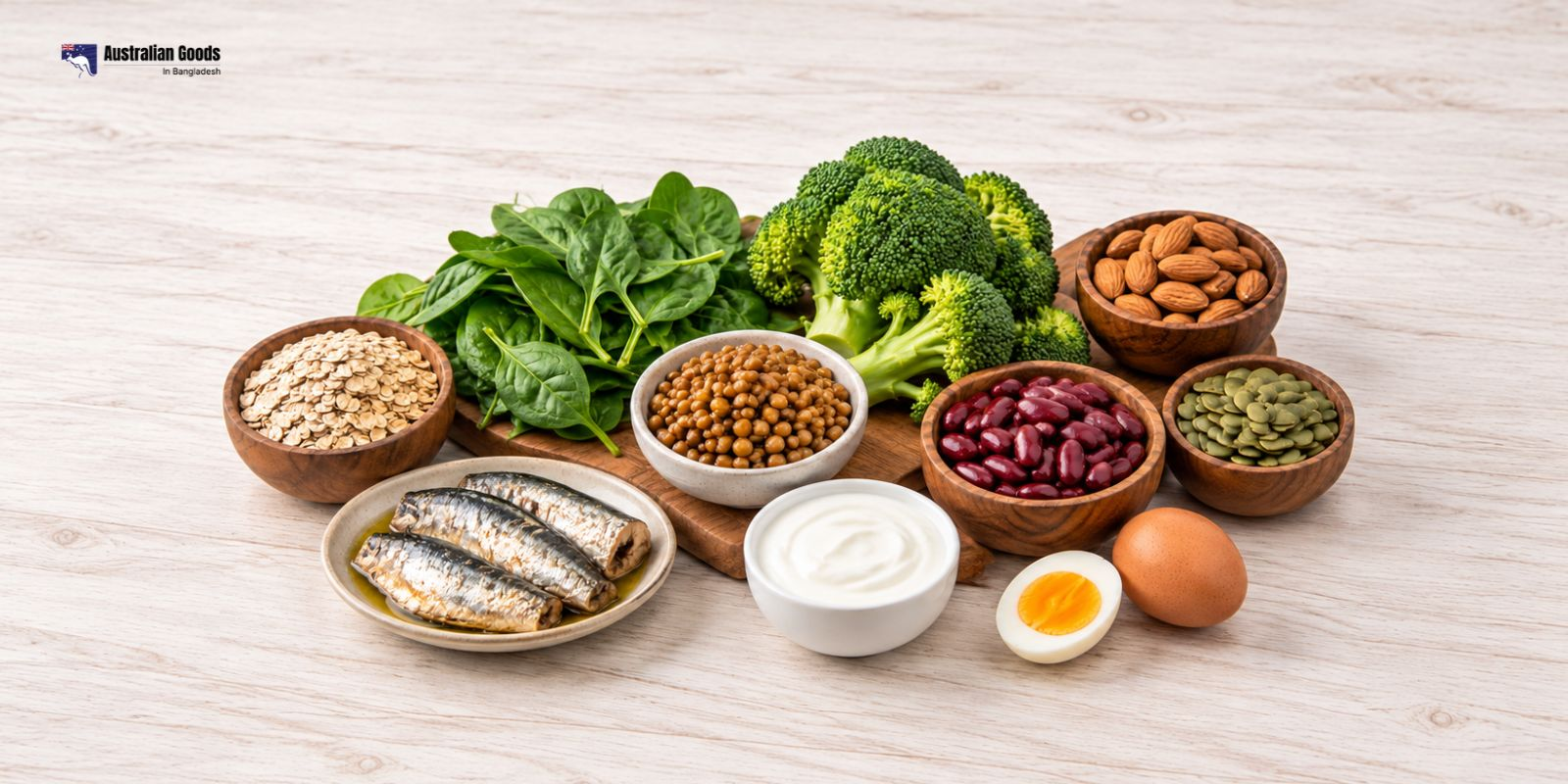
The Top 10 Mineral Rich Foods
1) Leafy Green Vegetables
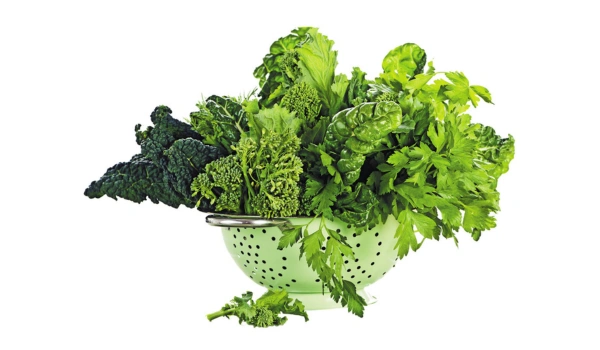
Spinach, lal shak, kale, and pui shak are rich in magnesium, calcium, iron, and potassium. These vegetables help support muscle function, hydration, and balanced nutrition.
Easy ways to include:
- Add to dal or khichuri
- Mix with eggs
- Blend into soups
2) Nuts and Seeds
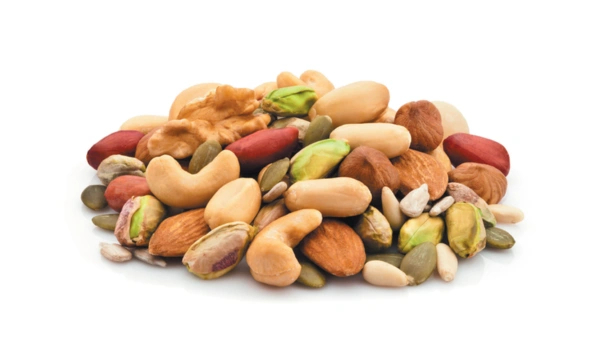
Almonds, chia seeds, pumpkin seeds, and sesame seeds contain magnesium, zinc, selenium, and healthy fats.
Easy ways to include:
- Add to yogurt or oats
- Sprinkle over salads
- Blend into smoothies
3) Fish and Seafood
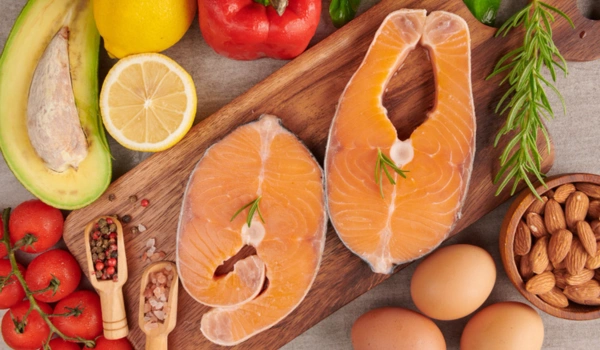
Fish provides selenium, iodine, zinc, phosphorus, and protein. Fatty fish may also support omega-3 intake.
Easy ways to include:
- Fish curry with rice
- Grilled fish with vegetables
- Sardines with toast
4) Lentils and Beans
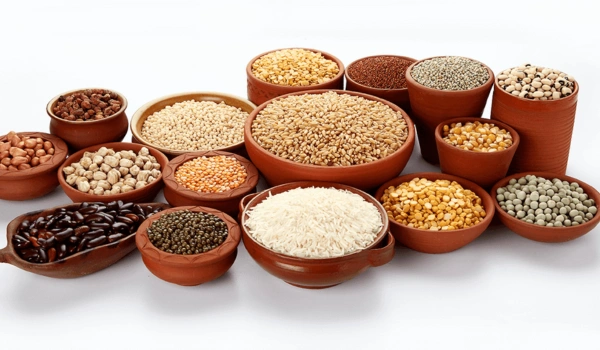
Dal, chickpeas, and beans provide iron, magnesium, potassium, fiber, and plant protein.
Easy ways to include:
- Dal with rice
- Chickpea salad
- Vegetable khichuri
5) Dairy Foods

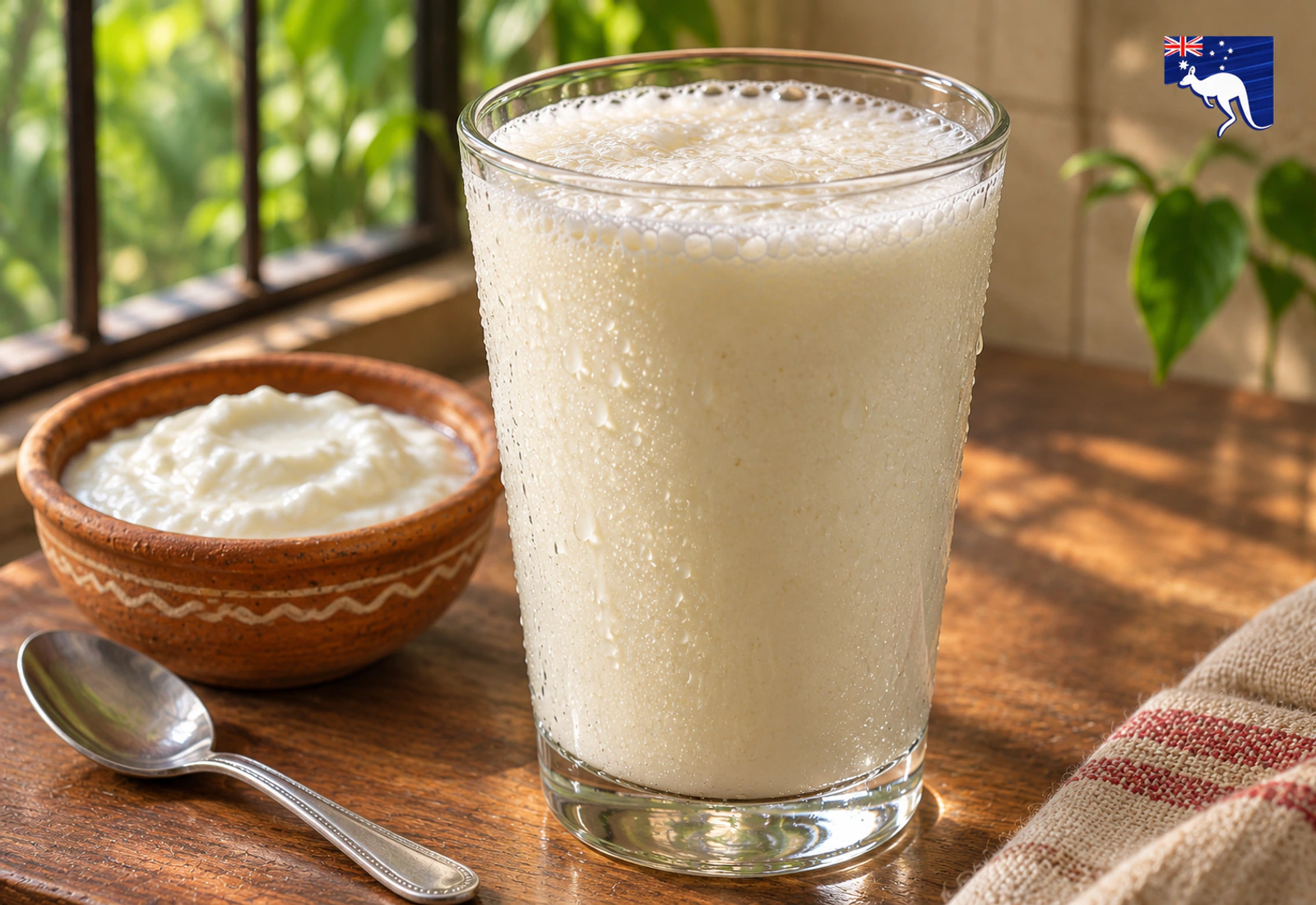
Milk, yogurt, and cheese naturally contain calcium, potassium, and phosphorus that help support healthy bones and teeth.
Easy ways to include:
- Yogurt with fruit
- Milk with breakfast
- Smoothies with yogurt
6) Eggs

Eggs provide selenium, zinc, iron, protein, and important micronutrients in a convenient and affordable form.
Easy ways to include:
- Boiled eggs
- Vegetable omelets
- Egg curry
7) Fruits Rich in Minerals
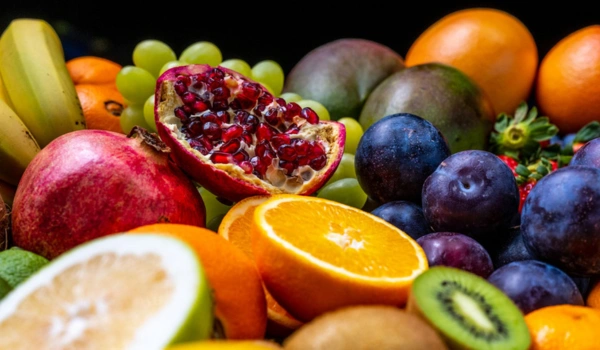
Banana, guava, avocado, papaya, and coconut water naturally provide potassium and magnesium.
Easy ways to include:
- Fruit bowls
- Smoothies
- Coconut water during hot weather
8) Whole Grains
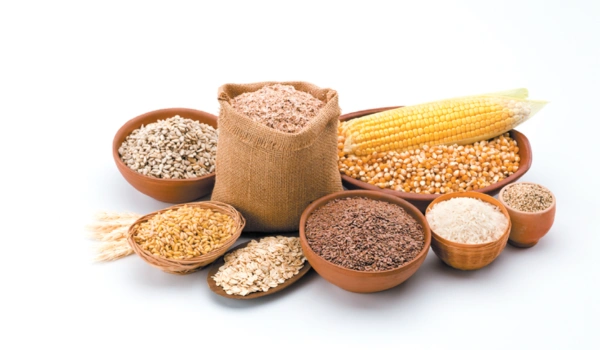
Oats, brown rice, and whole wheat contain magnesium, zinc, iron, and fiber that support balanced eating habits.
Easy ways to include:
- Oatmeal breakfast
- Whole wheat roti
- Brown rice occasionally
9) Dark Chocolate (In Moderation)

Dark chocolate can provide magnesium and iron when consumed moderately. Lower sugar options are generally better choices.
Easy ways to include:
- Small portions after meals
- Add to oats occasionally
- Pair with nuts or fruit
10) Mineral Rich Superfoods
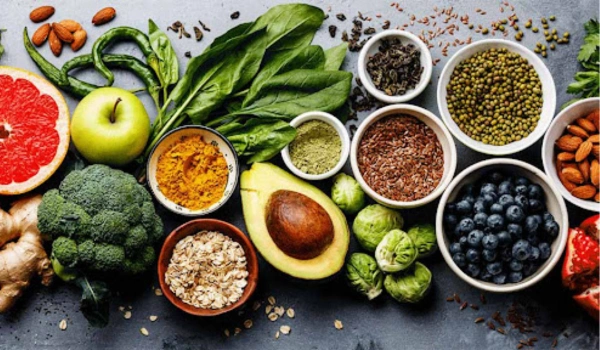
Spirulina, chia seeds, pumpkin seeds, and seaweed are nutrient-dense foods that contain concentrated minerals and antioxidants.
Easy ways to include:
- Add to smoothies
- Mix into yogurt
- Sprinkle over meals
Best Ways to Eat These Foods Daily
The best nutrition plan is the one you can repeat consistently. Instead of overcomplicating healthy eating, focus on small daily habits that fit naturally into your lifestyle.
- Add vegetables to one meal daily
- Include nuts or seeds as snacks
- Eat fish regularly during the week
- Improve breakfast quality
- Increase meal variety gradually
Small improvements done consistently usually work better than extreme diets that are difficult to maintain long term.
Mineral Rich Food vs Supplements
When food is enough
Balanced meals with vegetables, fruits, protein, whole grains, seeds, dairy foods, and healthy fats can naturally provide many important minerals for daily wellness support.
When supplements may help
Some people may benefit from additional mineral support because of restricted diets, low appetite, busy schedules, aging, heavy sweating, pregnancy, or poor food variety.
Supplements should support healthy eating habits rather than replace real food. Nutrition consistency still matters most.
Recommended Mineral Support Supplements in Bangladesh
Food should always come first because real foods provide fiber, protein, healthy fats, antioxidants, and many nutrients together naturally. However, modern lifestyles can make consistent mineral intake difficult. Busy work schedules, irregular meals, low vegetable intake, processed foods, excessive sweating, stress, poor hydration, restrictive diets, and limited food variety may sometimes reduce overall nutrient consistency.
Supplements are not replacements for healthy meals, but they can help support nutritional consistency when daily eating habits are not ideal. The goal is not to replace real food — it is to help fill practical nutrition gaps while improving long-term eating habits.
1) Swisse Ultiboost Magnesium – Daily Magnesium Support for Busy Adults
Why supplements may help: Magnesium-rich foods like leafy greens, seeds, nuts, and whole grains are important, but many people do not eat them consistently every day. Busy office routines, fast food habits, irregular meals, and low vegetable intake can reduce magnesium consistency over time.
What it does: Swisse Ultiboost Magnesium is designed to support healthy muscle function, nervous system support, and daily wellness routines for adults with active or stressful lifestyles.
- Best for: Busy professionals, gym-goers, stressful routines, low vegetable intake, and inconsistent eating habits.
- Food-first reminder: Continue eating magnesium-rich foods like greens, nuts, seeds, oats, and legumes.
- Common mistake: Taking supplements while still ignoring hydration, vegetables, and balanced meals.
Modern lifestyles are not always nutrition-friendly. Small consistent support can help maintain better wellness routines over time.

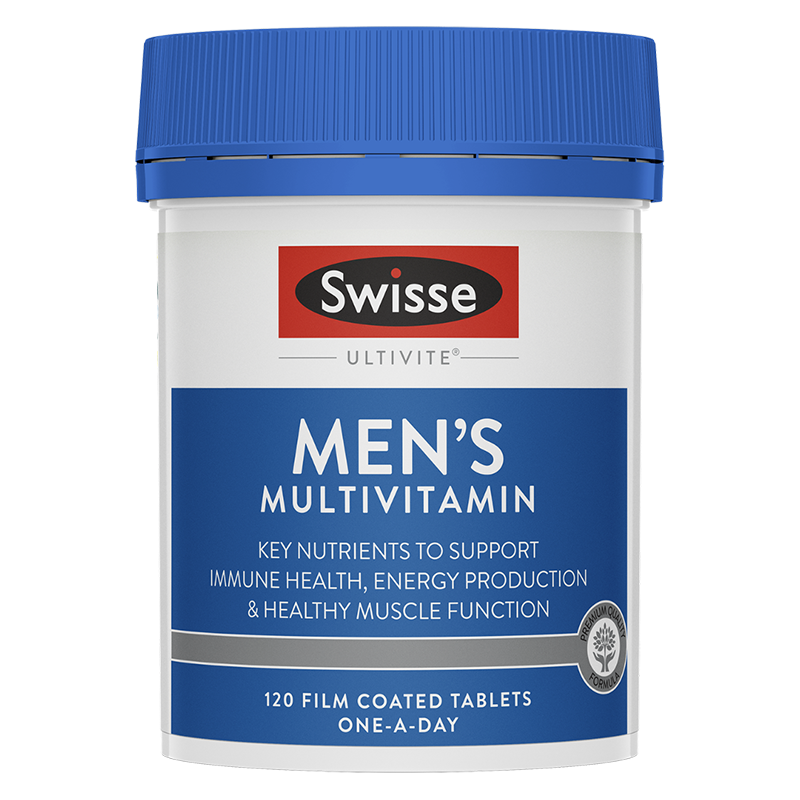
2) Swisse Ultivite Multivitamin – Everyday Nutritional Support
Why supplements may help: Even people who eat regularly may still miss important minerals because of low food diversity, processed meals, or inconsistent eating schedules. Multivitamins can help support broader nutritional consistency alongside real food.
What it does: Swisse Ultivite provides vitamins and minerals designed to support general wellness, energy support, and nutritional balance for adults with busy lifestyles.
- Best for: Busy adults, office workers, low food variety, and inconsistent eating habits.
- Food-first reminder: Supplements work best alongside vegetables, fruits, protein, and hydration.
- Common mistake: Expecting multivitamins to fully replace healthy eating habits.
Nutrition consistency matters more than perfection. Better routines usually create better long-term wellness habits.
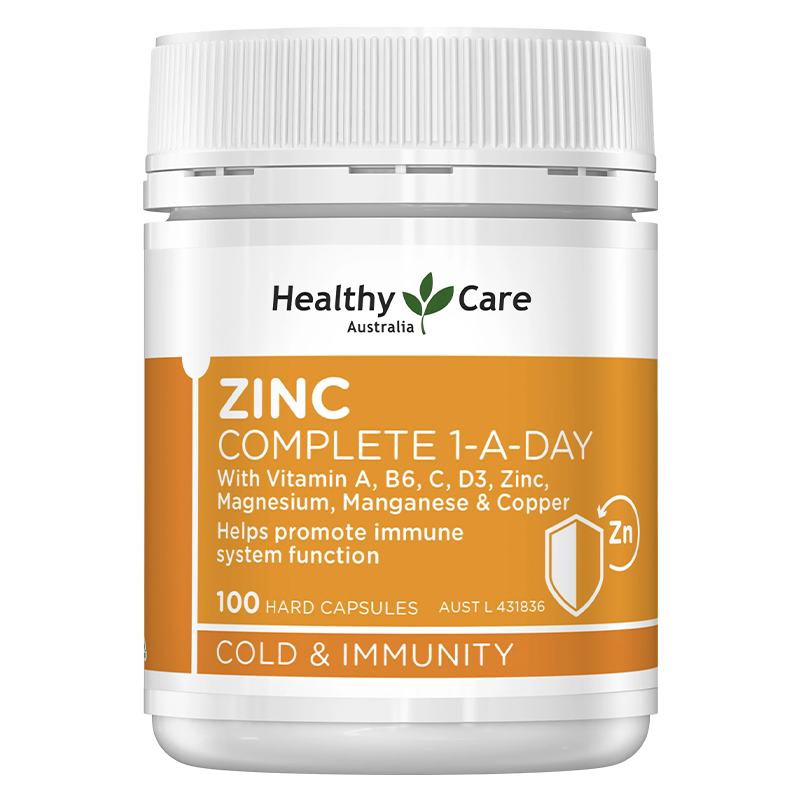
3) Healthy Care Zinc Complete – Zinc Support for Everyday Wellness
Why supplements may help: Zinc-rich foods like seafood, seeds, nuts, and meat are important, but many diets may not consistently provide enough zinc variety. Fast food routines and low protein intake may also reduce mineral balance.
What it does: Healthy Care Zinc Complete provides zinc support alongside other nutrients designed to support general wellness and nutritional balance.
- Best for: Low seafood intake, low seed intake, busy routines, and limited food diversity.
- Food-first reminder: Continue eating seafood, seeds, nuts, eggs, and protein-rich foods regularly.
- Common mistake: Using supplements while continuing highly processed eating habits.
Supplements support routines. Long-term wellness still depends on everyday eating habits and lifestyle consistency.
4) Swisse Ultiboost Calcium + Vitamin D – Bone & Daily Calcium Support
Why supplements may help: Calcium-rich foods like milk, yogurt, fish, and leafy greens are important, but many adults may not consistently consume enough calcium-rich foods every day. Indoor lifestyles and low sunlight exposure may also affect Vitamin D support routines.
What it does: Swisse Ultiboost Calcium + Vitamin D is designed to support healthy bones, teeth, and daily calcium intake alongside balanced nutrition.
- Best for: Adults with low dairy intake, indoor routines, and inconsistent calcium-rich meals.
- Food-first reminder: Continue eating dairy foods, fish, greens, seeds, and balanced protein meals.
- Common mistake: Ignoring exercise, movement, and overall diet quality while focusing only on supplements.
Strong nutrition is built daily. Better food quality, movement, and consistency usually matter more than quick fixes.

Common Mistakes People Make With Mineral Intake
- Skipping vegetables regularly: This reduces overall nutrient diversity.
- Replacing meals with tea or snacks: Common in busy routines and may reduce nutrition quality.
- Over-relying on processed foods: Highly processed foods often contain fewer minerals.
- Ignoring hydration: Fluid balance also affects mineral function.
- Using supplements without improving food habits: Real food should remain the foundation.
Final Thoughts
Minerals support your body every day by helping maintain hydration, muscle function, immunity, energy production, bone health, and overall wellness. Foods like leafy greens, fish, nuts, seeds, lentils, fruits, dairy foods, and whole grains can naturally improve mineral intake when eaten consistently.
The goal is not perfect eating. Small daily improvements such as adding more vegetables, improving hydration, increasing food variety, and reducing processed foods can support better nutrition consistency over time. When balanced meals become a regular habit, long-term wellness becomes easier to maintain naturally.
Frequently Asked Questions (FAQs)
1. What foods are richest in minerals?
Leafy greens, nuts, seeds, fish, lentils, dairy foods, eggs, fruits, and whole grains are among the best mineral rich foods.
2. Which minerals are most important for the body?
Calcium, magnesium, iron, zinc, potassium, and selenium all support important body functions including muscles, hydration, immunity, and bones.
3. What are signs of low mineral intake?
Fatigue, weakness, muscle cramps, low energy, poor concentration, and dehydration may sometimes be linked with poor nutrient intake.
4. Which fruits contain important minerals?
Banana, guava, avocado, papaya, and coconut water naturally provide potassium and other beneficial nutrients.
5. Are mineral supplements necessary?
Not always. Many people can improve mineral intake through balanced meals and better food variety. Supplements may support some individuals when diets are inconsistent.
References & Scientific Sources
The information in this article is based on established nutrition science, international health guidance, and food-first wellness principles.
Medical Disclaimer
The information in this article is for educational purposes only and is not a substitute for professional medical advice, diagnosis, or treatment. Mineral needs vary depending on age, diet, health status, and lifestyle. If you have ongoing health concerns, medical conditions, or suspected nutrient deficiencies, consult a qualified healthcare professional before making major dietary or supplement changes.