Painkillers vs Glucosamine: Which Is Better for Joint Pain?
Compare painkillers and glucosamine for joint pain relief. Learn how each works, their benefits, risks, and safe use. Discover lifestyle tips, diet strategies, and trusted Australian supplements available in Bangladesh to manage joint pain effectively and maintain long-term mobility and flexibility.
Joint pain affects millions worldwide, including adults in Bangladesh. Painkillers offer rapid relief for acute discomfort, while glucosamine supports long-term joint health. This comprehensive guide explores the differences, safety considerations, lifestyle factors, and professional advice for safe and effective joint care.
Featured Answer
Painkillers work by reducing inflammation and blocking pain signals, offering fast relief for joint discomfort. Glucosamine, on the other hand, supports cartilage health, improves joint lubrication, and promotes long-term joint function. The optimal approach depends on the type of pain, duration, severity, and guidance from a healthcare professional, especially in contexts like Bangladesh where lifestyle and dietary habits may affect joint health.
Understanding Joint Pain
Joint pain can arise from multiple mechanisms including inflammation, cartilage wear, autoimmune responses, or injuries. In Bangladesh, lifestyle factors such as prolonged sitting, physically demanding labor, and age-related cartilage degeneration exacerbate discomfort. Addressing joint pain requires understanding both the biological causes and the environmental or lifestyle factors that may aggravate symptoms.
Causes of Joint Pain
- Osteoarthritis: progressive cartilage loss leading to stiffness and pain
- Rheumatoid arthritis: autoimmune-driven inflammation of joint tissue
- Sports injuries or trauma causing joint or ligament damage
- Repetitive strain from occupation or daily activities
- Lifestyle contributors: posture, sedentary habits, nutrition, body weight
Who Is Most Affected?
- Older adults and seniors
- Professionals in physically demanding jobs
- Athletes or active adults
- Individuals with previous joint injuries or inflammatory conditions
What Are Painkillers?
Painkillers reduce pain and inflammation by inhibiting chemical pathways in the body. They are particularly effective for acute flare-ups, sudden joint swelling, or injury-related pain. While they provide fast relief, painkillers do not improve cartilage structure, joint lubrication, or long-term joint function.
Types of Painkillers
- NSAIDs: ibuprofen, diclofenac – reduce inflammation and pain
- Acetaminophen/paracetamol – pain relief without anti-inflammatory effect
- Topical gels and creams – local symptom relief
Pros & Cons
- Pros: Fast symptom relief, widely available, easy dosing
- Cons: Gastrointestinal irritation, kidney/liver risks, no long-term cartilage support
What Is Glucosamine?
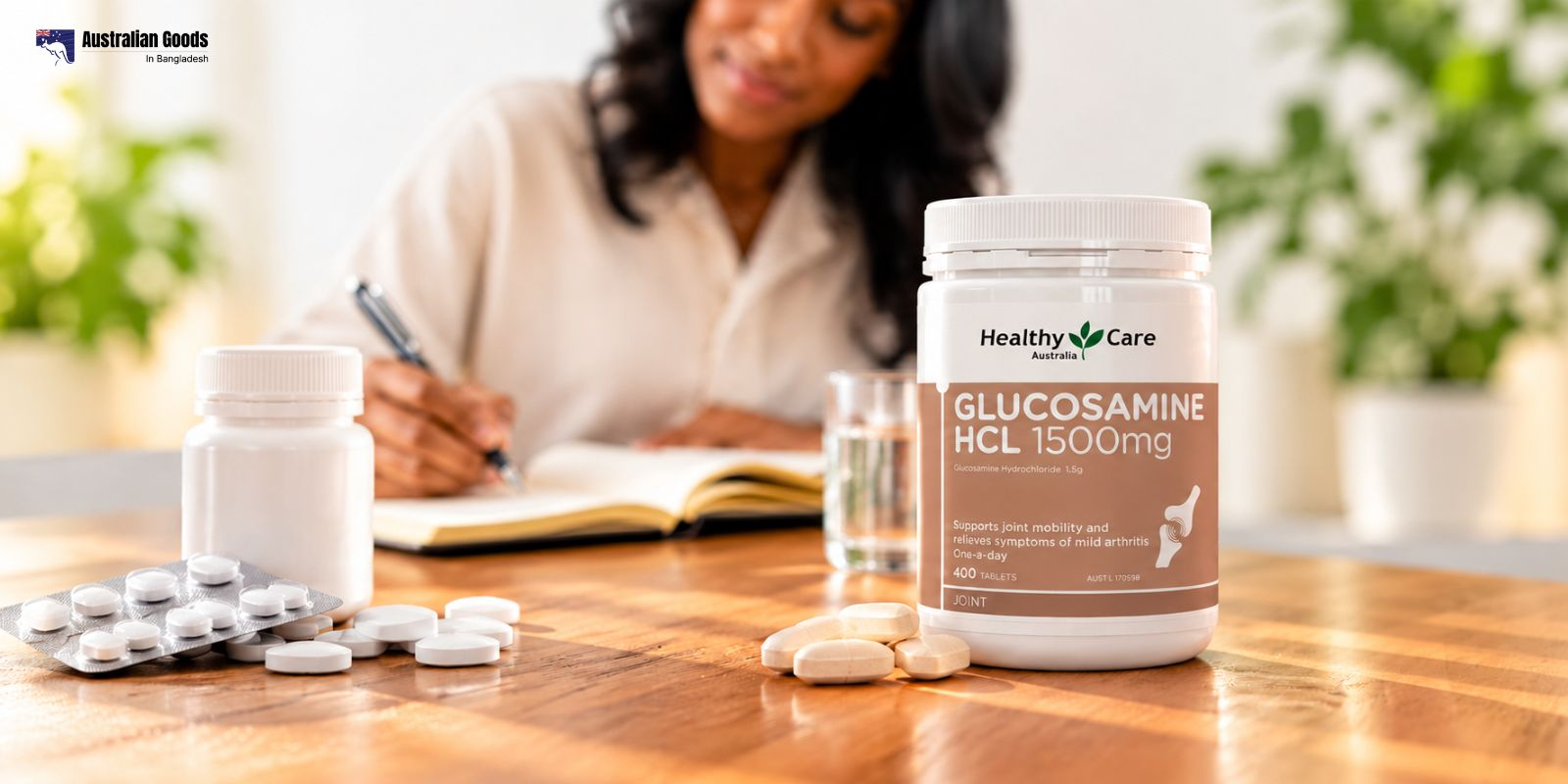
Glucosamine is an amino sugar naturally present in cartilage. Supplements may support cartilage maintenance, joint lubrication, and long-term function. Effects are gradual and typically appear after consistent use over several weeks. Glucosamine is especially relevant for chronic joint conditions such as osteoarthritis or age-related degeneration.
Forms of Glucosamine
- Glucosamine Sulfate
- Glucosamine Hydrochloride
Pros & Cons
- Pros: Supports long-term joint function, generally well-tolerated, fewer acute side effects
- Cons: Slow onset, effectiveness varies between individuals, does not relieve acute pain
Painkillers vs Glucosamine – Key Differences
| Aspect | Painkillers | Glucosamine |
|---|---|---|
| Main Function | Immediate symptom relief | Supports cartilage & long-term joint health |
| Onset | Fast | Slow (weeks) |
| Best Use | Acute flare-ups | Long-term joint support |
| Side Effects | GI, kidney, liver risk with long-term use | Mild GI upset occasionally |
When to Use Each Option
Deciding whether to use painkillers or glucosamine depends on the type, severity, and duration of joint pain. Painkillers are most appropriate for acute flare-ups, sudden inflammation, or injury-related discomfort, as they act quickly to reduce pain and swelling. Glucosamine is better suited for long-term support, helping maintain cartilage integrity, improve joint lubrication, and slow degeneration over time. Understanding your joint condition ensures your treatment plan is both safe and effective.
- Painkillers: Use during acute pain, inflammation, or flare-ups.
- Glucosamine: Take for long-term cartilage and joint support.
- Combination: May be appropriate under medical supervision to address immediate pain while supporting long-term joint health.
Combining Painkillers and Glucosamine Safely
Some individuals may benefit from using both painkillers and glucosamine simultaneously. Painkillers provide rapid relief from acute symptoms, whereas glucosamine works gradually to maintain joint health. To maximize benefits and minimize risks, consult a healthcare professional regarding timing, dosage, and potential interactions with other medications or supplements. Proper spacing and adherence to instructions are essential to ensure safety and optimal outcomes.
- Use painkillers only when acute pain occurs.
- Take glucosamine consistently for long-term support.
- Check for interactions with prescription medications or other supplements.
- Follow label directions and adjust timing to avoid absorption issues.
Lifestyle & Diet Tips for Joint Health
Lifestyle and dietary habits greatly influence joint health. Combining supplementation with exercise, anti-inflammatory nutrition, and ergonomic adjustments can help maintain mobility and reduce chronic joint stress. In Bangladesh, integrating these practices is critical due to sedentary work environments and physically demanding daily activities.
- Engage in low-impact exercises like walking, swimming, or cycling to minimize joint stress.
- Maintain a healthy weight to reduce load on knees, hips, and spine joints.
- Incorporate anti-inflammatory foods: fatty fish, leafy greens, nuts, turmeric, and ginger.
- Avoid smoking and excessive alcohol consumption to protect cartilage and bone health.
- Use correct posture and ergonomic practices at work and home to prevent repetitive strain.
Actionable Tips
- Use painkillers only for short-term flare-ups; avoid daily long-term use without medical guidance.
- Take glucosamine daily for gradual joint support; benefits appear over several weeks.
- Combine supplements with diet and exercise to maximize joint health benefits.
- Monitor for side effects and adjust timing or dosage under professional supervision.
- Purchase supplements from trusted, authentic retailers in Bangladesh.
- Track symptoms and adjust routine based on response for personalized joint care.
Recommended Joint Support Supplement in Bangladesh
For long-term joint health, supplements that support cartilage and connective tissue integrity are highly beneficial. Nutra-Life Joint Formula MSM Concentrate Powder provides key nutrients to support mobility and comfort. Always follow label instructions and consult a healthcare professional before starting supplementation.
Nutra-Life Joint Formula MSM Concentrate Powder – Joint Health & Mobility Support
Why supplements may help: Supports cartilage, connective tissue, and joint function. Helps maintain mobility and flexibility for adults managing chronic joint discomfort.
What it does: Provides MSM (Methylsulfonylmethane) to support joint cartilage, reduce stiffness, and promote overall mobility and comfort.
- Best for: Adults seeking daily joint support and mobility enhancement
- Food-first reminder: Maintain a balanced diet with anti-inflammatory foods like fish, nuts, vegetables, and fruits to complement the supplement.
- Common mistake: Expecting instant relief; benefits appear gradually with consistent use.
Consistent use supports long-term joint health alongside diet, exercise, and proper ergonomics.

Short Summary
Painkillers provide immediate relief for joint discomfort, while glucosamine supports cartilage and long-term joint function. Short-term flare-ups may require painkillers, whereas glucosamine taken consistently over weeks can improve joint health. Combining both under professional guidance provides balanced relief. Lifestyle measures like low-impact exercise, anti-inflammatory foods, and ergonomics further enhance joint outcomes.
Conclusion
Choosing between painkillers and glucosamine depends on your joint pain type, severity, and long-term health goals. Painkillers are best suited for immediate flare-up relief, whereas glucosamine supports long-term cartilage health and joint function. A combined approach under professional supervision can address immediate pain while promoting long-term joint health and mobility.
Complementing supplementation with lifestyle strategies such as low-impact exercise, anti-inflammatory diet, weight management, and proper ergonomics is critical to maintaining joint health, particularly for adults in Bangladesh with sedentary work or physically demanding routines.
Support Your Joint Health
Explore authentic Australian joint supplements available in Bangladesh, including glucosamine and complementary products, to maintain mobility, flexibility, and long-term joint wellbeing.
Frequently Asked Questions
1. Can glucosamine replace painkillers?
No. Glucosamine supports long-term joint health but does not provide immediate relief like painkillers.
2. How long does glucosamine take to work?
It may take several weeks of consistent use to notice improvements in joint mobility and comfort.
3. Are painkillers safe for long-term use?
Frequent NSAID use may cause gastrointestinal, kidney, or liver issues. Consult a doctor for long-term use.
4. Can I take both painkillers and glucosamine together?
Yes, under professional guidance, to provide immediate relief while supporting long-term joint health.
5. Which is better for knee pain?
Painkillers help with acute flare-ups; glucosamine supports long-term cartilage function. A combination may help under supervision.
6. Is glucosamine safe for everyone?
Generally safe, but those with shellfish allergies or chronic conditions should consult a healthcare professional first.
7. Can diet alone relieve joint pain?
A balanced diet with anti-inflammatory foods supports joint health but may not provide immediate relief during flare-ups.
References & Scientific Sources
Medical Disclaimer
This article is for educational purposes only. It does not diagnose, treat, or cure joint conditions. Painkillers and glucosamine should only be used as directed. Consult a qualified healthcare professional before starting any supplement or medication, especially during chronic conditions, pregnancy, or when taking prescription medicines.