Ashwagandha Powder vs Capsules in Bangladesh: Benefits, Price & Safety
Loose ashwagandha powder and extract tablets are different preparations. This guide helps readers compare formats, interpret strength labels, assess price per serving and understand evidence and safety. It also explains why the formulated products featured here should not be mistaken for loose root powder.
Quick Answer
Choose by preparation and suitability, not format alone. Capsules may contain root powder or extract, while tablets often contain an extract or blend. Check the plant part, measured serving, full ingredients and safety information. Compare like-for-like pack costs, and never convert an extract's dry-root-equivalent figure into a homemade powder dose.
Key Takeaways
- Plain root powder, extract powder and extract tablets are different preparations; capsule format alone does not identify the contents.
- Research on a specified extract does not establish the same benefit for every loose ashwagandha powder.
- Compare net weight and labelled servings for value. Extract weight and dry-root equivalent are different measurements.
- The products featured in this guide are formulated supplements, not confirmed loose-powder listings.
- Powder still requires safety checks. Pregnancy, breastfeeding, liver history, some conditions and medicines can make ashwagandha unsuitable.
A spoonful of ashwagandha powder and a small extract tablet can look like two ways to take the same thing. The difference matters more than their size suggests.
If you are comparing ashwagandha powder in Bangladesh, begin with three questions: is it plain root powder or an extract, what does the label actually tell you, and how much will the labelled serving cost? Those answers make the choice clearer than “natural,” “high strength” or a large milligram number alone.
What is ashwagandha powder?
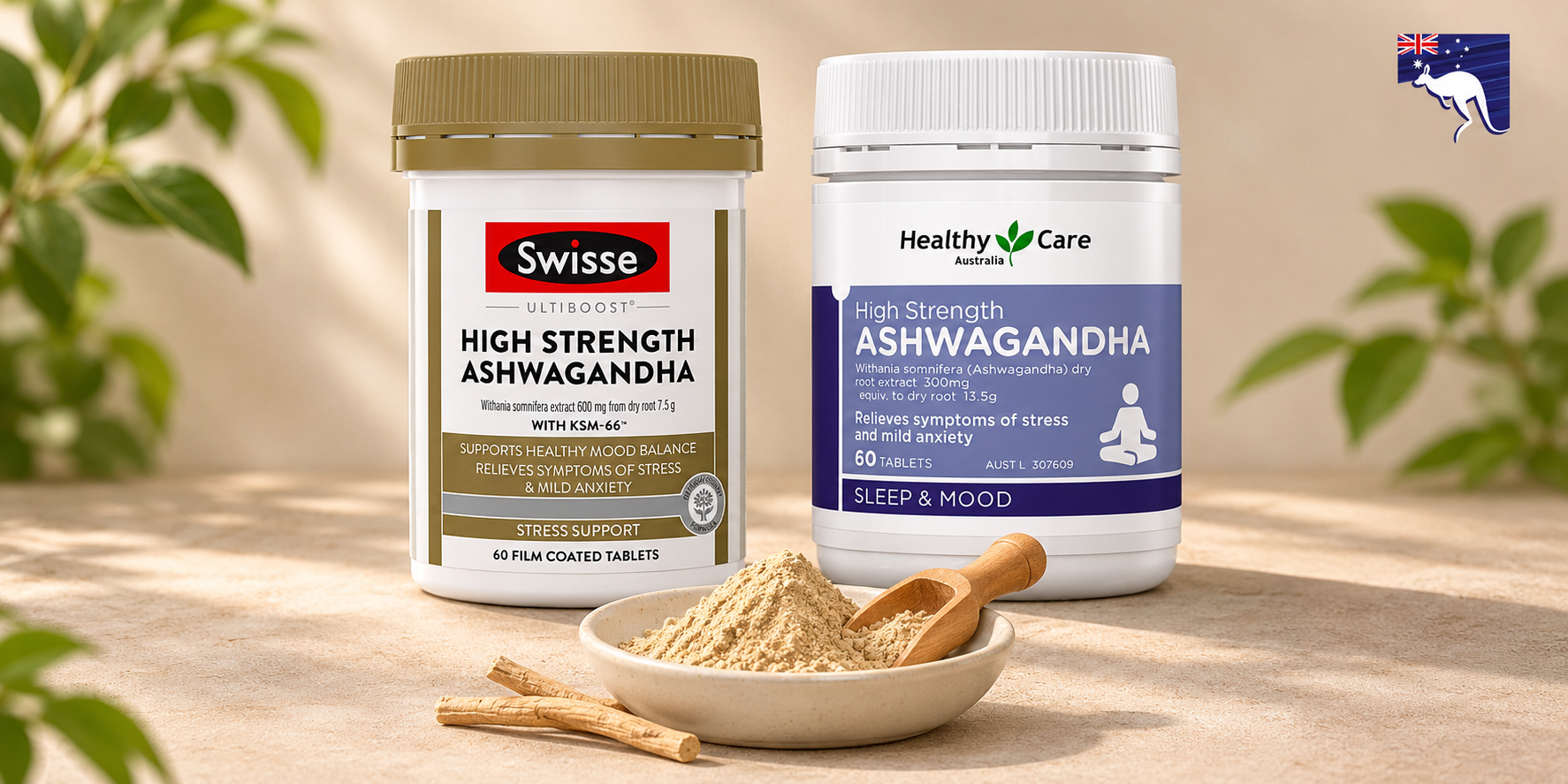
Plain ashwagandha root powder is the dried, ground root of Withania somnifera. An extract powder is different: selected components have been extracted from plant material and the resulting preparation may be concentrated. Tablets and capsules can contain either powder or extract, so the dosage form does not identify the contents.
Ashwagandha is also called Indian ginseng, but it does not belong to the Panax ginseng group. Its root and leaf differ chemically, making the plant part another useful label detail. NIH’s ashwagandha fact sheet explains these distinctions.
Powder versus tablets and capsules
Plain root powder
Loose powder is a format to consider if you prefer a preparation you can mix according to the manufacturer's instructions. You must measure it correctly, manage the taste and keep the container dry. Check the stated net weight and whether the label provides a serving in grams.
A bag labelled only “ashwagandha” leaves too much unexplained. Look for Withania somnifera, the plant part, ingredient list, batch number, expiry date and the manufacturer or responsible supplier.
Extract tablets
A tablet provides a measured amount of its particular formula. It can be convenient for a regular routine, but the label still matters. Check extract weight, any stated plant equivalent, other active ingredients and allergens.
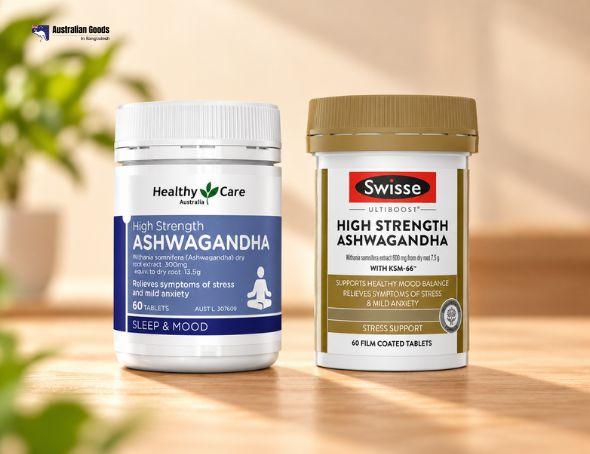
For example, Swisse’s manufacturer information lists 600 mg of KSM-66 ashwagandha extract, equivalent to 7.5 g dry root, per High Strength tablet. That does not mean it contains 7.5 g of extract or that it equals any spoonful of loose powder.
Capsules
A capsule is a container, not a promise about strength. Some hold ground root; others hold extracts or several ingredients. Read the contents before comparing a capsule with a tablet. If you avoid particular animal ingredients, also check what the capsule shell contains.
Which format is better?
Choose the preparation with clear information that fits your preferences and is suitable for you. Powder may appeal if you want a mixable format. Tablets or capsules may suit someone who wants less measuring and preparation. None is automatically safer, more effective or better absorbed simply because of its form.
Ashwagandha powder benefits: what does the evidence actually cover?
Some studies suggest benefits for stress or sleep, but much of the research uses specified extracts. Results from an extract study cannot establish that an unrelated loose powder will have the same effect.
For example, a trial involving 64 adults with chronic stress tested a particular root extract for 60 days and found improvements in stress measures compared with placebo. It was a small, single-centre trial—not proof that every ashwagandha preparation works equally well. Read the original study.
The NIH Office of Dietary Supplements describes limited sleep research and differing preparations across studies. Evidence is not a basis for treating ashwagandha as an instant sleeping aid. For the wider benefits and limitations, see our ashwagandha uses and safety guide.
Claims about rapidly boosting testosterone, curing anxiety or fixing fertility should not decide your purchase. Persistent symptoms deserve individual assessment; a supplement label cannot provide that diagnosis.
Ashwagandha powder price in Bangladesh: how to compare fairly
There is no single Bangladesh price for ashwagandha powder. Pack weight, plain root versus extract, added ingredients, testing and seller all affect the offer. Compare the same preparation and weight before deciding that one bag is better value.
Our related products below are formulated supplements. They should not be mistaken for loose root powder. Use the current ashwagandha collection to check exact formats and prices; ask about a specific loose-powder SKU before ordering if powder is what you need.
For a useful cost comparison, calculate:
- Cost per gram of powder: pack price divided by net grams.
- Labelled servings in the pack: net grams divided by the labelled grams per serving.
- Cost per labelled daily serving: pack price divided by the number of labelled daily servings.
For tablets and capsules, use the daily number on that product's label. Healthy Care’s manufacturer directions specify two tablets daily for its 60-tablet High Strength pack, while Swisse's High Strength directions specify one tablet daily. Equal tablet counts therefore do not necessarily mean equal days of use.
This arithmetic compares cost, not medical effectiveness. Add delivery charges and check expiry before paying for a larger pack.
Why 600 mg and 13,500 mg may describe different things
A front label may emphasise the amount of original root represented by an extract. The actual extract itself weighs less. These are different measurements, not competing declarations of effectiveness.
Healthy Care, for example, lists 300 mg of dry-root extract per tablet, equivalent to 13.5 g of dry root. Swisse High Strength lists a different extract and root-equivalent figure. You cannot rank the two by the largest number alone. Our Swisse versus Healthy Care comparison explains the formulas in more detail.
How should you take ashwagandha powder?
Follow the instructions for the exact product, including the measured quantity and any mixing directions. A household teaspoon is not a reliable substitute for a gram measurement unless the manufacturer provides a validated measure. Do not calculate your own powder dose from the extract-equivalent number on a tablet bottle.
If directions are missing, ask the supplier before using it. Avoid combining loose powder with an ashwagandha tablet or sleep blend without a pharmacist checking the total routine. There is no universal powder dose or time of day that suits every person and preparation.
Safety comes before format
Ashwagandha can cause drowsiness and stomach symptoms. Avoid it during pregnancy and breastfeeding. People with thyroid or autoimmune disorders, those preparing for surgery, or those taking medicines should seek professional advice before use. Potential interactions include sedatives, thyroid medicines, diabetes and blood-pressure medicines, anticonvulsants and immunosuppressants. Long-term safety is not established. NCCIH safety guidance.
Australia's TGA warns about sudden, sometimes severe vomiting or diarrhoea and a very rare risk of liver injury. Avoid ashwagandha if you have current or previous liver problems. Stop taking it and seek medical advice for yellow skin or eyes, dark urine, unusual tiredness, abdominal pain or persistent nausea. Powder is not exempt from these concerns. TGA consumer safety advisory.
Before you choose a product
Ask for a clear photo of the complete label. Check the seal, batch and expiry when it arrives, and follow the storage temperature on the pack. In Bangladesh's heat and humidity, a dry cupboard away from a stove, window or steamy bathroom is a practical starting point; some homes may need a cooler storage location to meet the label limit.
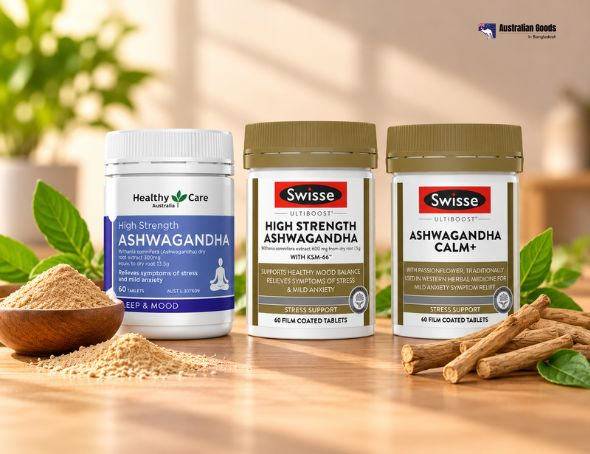
If you prefer a formulated option, compare these products individually. High Strength extracts and multi-ingredient Calm+ serve different shopping preferences; the cards are alternatives to investigate, not a stack to take together.
Swisse Ultiboost High Strength Ashwagandha. Compare ingredients, labelled serving, pack value and current Bangladesh price. Read suitability and medicine warnings.
Swisse Ultiboost High Strength Ashwagandha