Omega-3 for Winter Joint and Immune Health in Bangladesh
Cooler mornings in Bangladesh can make a familiar walk or household task feel less comfortable. Build a winter plan around movement, meals and appropriate care, while understanding where omega-3 fits in joint and immune health.
Quick Answer
Omega-3 is not an immediate remedy for winter stiffness or a proven all-purpose shield against seasonal infections. Its role depends on your diet and any diagnosed condition. Keep an appropriate movement and treatment routine, use sensible respiratory-infection precautions and assess new or worsening joint symptoms rather than blaming the weather alone.
Key Takeaways
- Winter discomfort does not establish a new omega-3 requirement or justify a higher dose.
- Small changes to the timing and organisation of daily activities can make an agreed joint-care routine easier to maintain.
- An immune-health claim needs evidence about actual infections, not only a description of how nutrients affect cells.
The difficult part of a winter morning may be the first few steps out of bed, opening a stiff jar or getting ready for the journey to work. If your joints feel less comfortable as the weather changes, it is tempting to look for one seasonal supplement that will make everything easier.
A better winter plan starts with the activities you want to keep doing. Omega-3 may have a place in that plan, but it cannot take over the jobs of movement, appropriate treatment or an assessment when symptoms change.
Does cold weather explain the joint pain?
Weather and pain have a complicated relationship. In the UK Cloudy with a Chance of Pain study, people with chronic pain recorded symptoms through a smartphone app. Humidity, wind speed and atmospheric pressure were associated with painful days; temperature did not show a significant association in the main analysis.
This observational study cannot establish the cause of one person's symptoms, and its results are not a forecast for Bangladesh. It does show why the explanation should be more careful than “cold thickens joint fluid, so take fish oil.”
Notice what else changes: how long you sit, whether you skip a walk, the work you do and whether a prescribed routine has slipped. Bring those observations to a clinician if discomfort continues. Do not assume a new swollen joint is simply your usual winter stiffness.
Choose the next step that matches the situation
| Situation | Useful next step | Where omega-3 fits |
|---|---|---|
| A familiar joint problem feels stiffer and your activity has reduced | Review the established movement and symptom-management plan. | Assess any separate nutritional purpose; do not expect immediate relief. |
| Pain is new, worsening or disrupting sleep and daily tasks | Arrange an assessment rather than assuming the season is responsible. | A supplement should not delay investigation. |
| A joint is hot and swollen, with fever or feeling unwell | Seek urgent medical help. | Buying or changing fish oil is not the priority. |
| You want protection from winter coughs and colds | Use appropriate infection-prevention measures and review personal risk. | An immunity claim is not a substitute for those measures. |
What can omega-3 realistically contribute to joints?
Research differs by diagnosis. The American College of Rheumatology's integrative-care guideline conditionally recommends established dietary advice without adding supplements for rheumatoid-arthritis management, because the evidence did not show consistent, clinically meaningful benefits across the supplements considered.
Some individual studies are encouraging, but that does not establish a treatment for every winter ache. Nor does an anti-inflammatory explanation prove that a retail fish oil repairs cartilage, lubricates a knee or reverses joint damage. Our omega-3 and joint-pain guide examines the condition-specific evidence.
If a clinician supports supplementation, agree on its purpose and a review point. Continue prescribed treatment unless the prescriber changes it. The arrival of colder weather is not, by itself, a reason to double your usual capsules.
Make movement easier to maintain on cooler days
For osteoarthritis, the NHS identifies regular exercise as a central treatment, with a suitable plan covering muscle strength and general fitness. The plan should match your condition and ability; doing too much too quickly is not the aim.
Think about the practical obstacle. If an early outdoor walk is uncomfortable, consider a more comfortable time or an indoor option already agreed with your physiotherapist. Keep the necessary footwear or walking aid accessible. If family members usually accompany you, settle the time together instead of relying on a spontaneous decision each morning.
For a day spent at a desk, plan opportunities to change position rather than leaving all movement until evening. For household work, organise tasks so that the most uncomfortable activity is not the first thing you must do on waking. These are ways to support a routine, not a prescribed exercise programme.
Use warmth for comfort, with sensible handling
Comfortable layers and a room you can move around in may make the morning easier. NHS guidance notes that hot or cold packs can help some people with osteoarthritis symptoms. Use a purpose-made pack according to its directions, protect the skin and ask a professional about suitability if you have reduced sensation or circulation problems.
Warmth is a comfort measure, not evidence that inflammation or damage has been treated. A hot, newly swollen joint deserves assessment. Avoid combining a new heat treatment with a medicated cream unless its instructions allow that use.
What does “immune support” mean in winter?
A claim about immune cells is different from evidence that a product prevents infections. The DO-HEALTH randomised trial studied relatively healthy adults aged 70 and over. Omega-3 supplementation did not significantly improve the overall infection outcome under the trial's statistical criteria, although analyses of particular infection types included favourable findings.
Those findings merit further study; they do not establish that any fish-oil bottle will prevent colds in a Bangladeshi household. Ask which population, formulation and outcome support an immunity claim. A phrase such as “boosts defence” leaves all three unanswered.
The CDC's respiratory-illness prevention guidance emphasises recommended immunisations, hygiene, cleaner air and steps to avoid spreading illness when sick. Ask your healthcare professional which immunisations are appropriate and available for you locally. Masks and other additional precautions may be useful in higher-risk settings.
If someone in the household is older, takes medicines that affect immunity or has a condition that increases the risk of serious illness, discuss a plan before they become unwell. Keep the contact details and agreed next steps where the family can find them.
Keep meals and supplement decisions straightforward
Choose meals that fit the household's usual shopping and cooking. Fish, vegetables and other familiar foods can be planned without creating a separate “winter detox” menu. Our Bangladesh omega-3 food guide distinguishes fish EPA/DHA from plant ALA and gives reference portions.
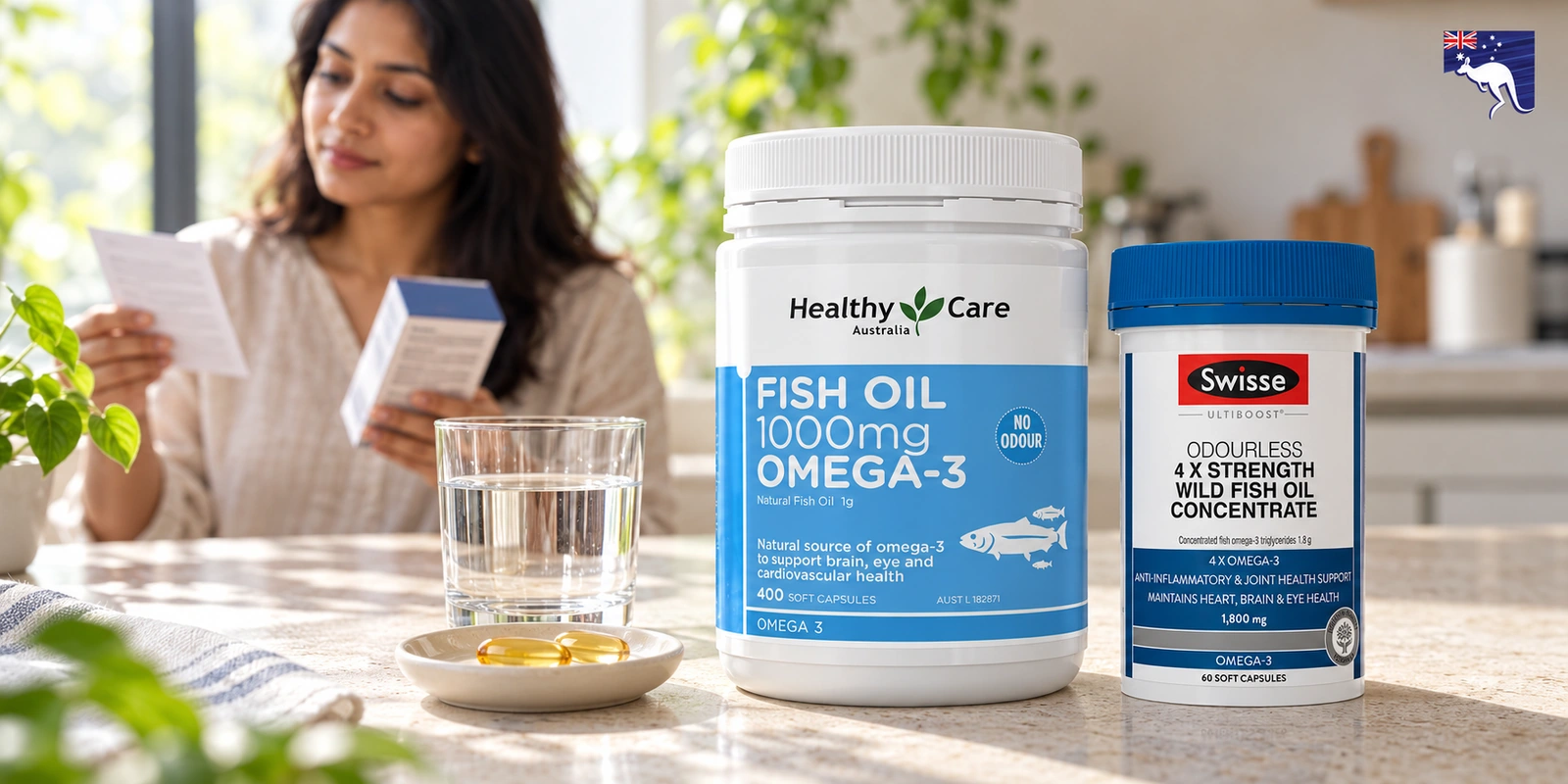
If a supplement has a clear purpose, compare the actual EPA/DHA, full ingredients and appropriate serving. A krill-oil claim about absorption does not by itself establish better winter pain relief than fish oil. Follow the exact product directions and any individual advice; there is no single seasonal dose for every adult.
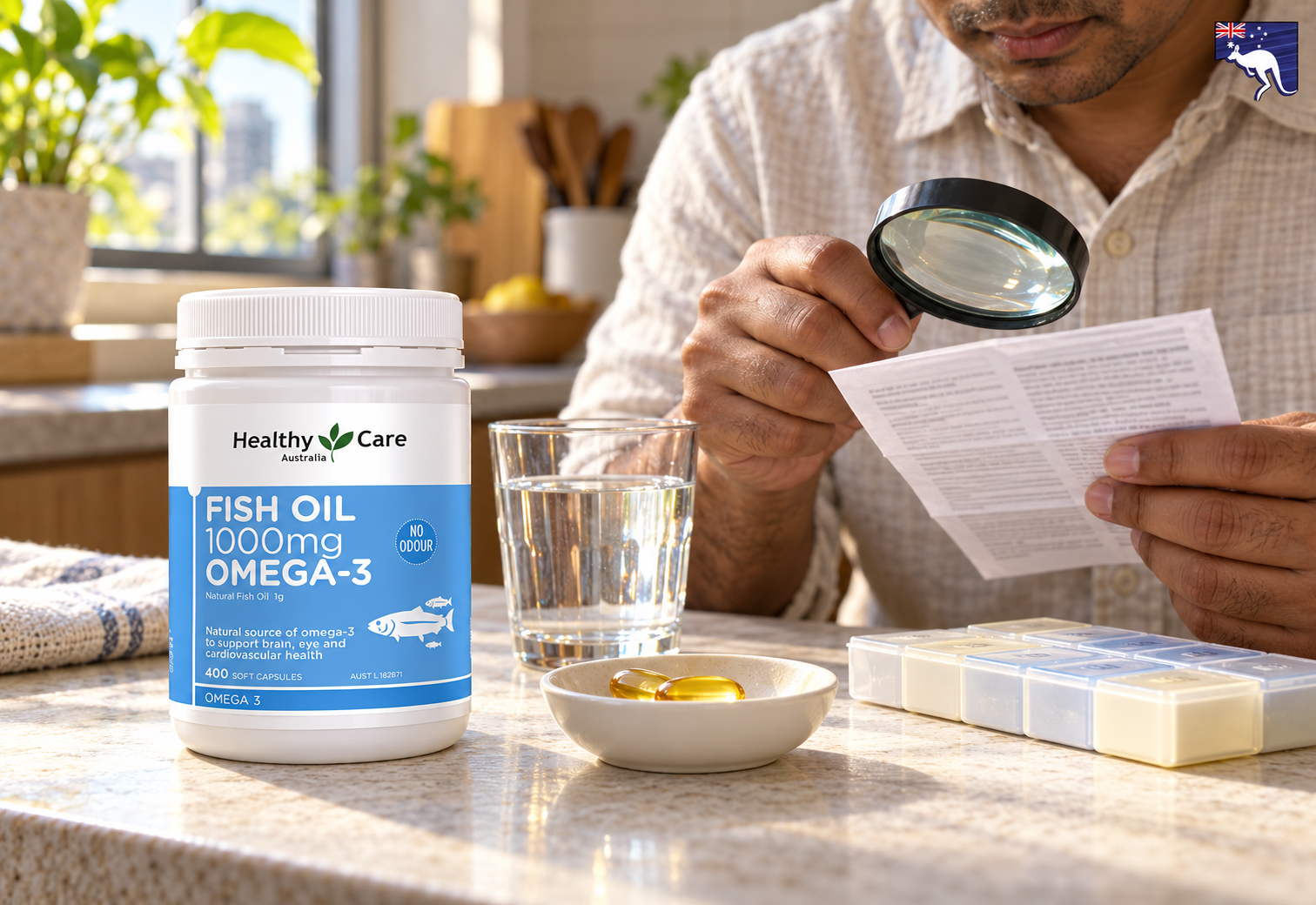
Tell a pharmacist about medicines and other supplements before adding a product. For a fuller check, read our omega-3 safety guide. Use the product cards to inspect labels after you know what you are looking for.

Swisse Ultiboost Odourless High Strength Wild Fish Oil
Swisse Ultiboost Odourless High Strength Wild Fish Oil is a premium Omega-3 supplement that supports heart health, brain function, healthy vision, and nervous system health. Its hi...
Review changes instead of waiting for warmer weather
Record one or two meaningful activities, such as walking to a nearby shop or using stairs, along with swelling, sleep disruption and medicine use. A brief record is more useful than repeatedly asking whether the supplement “feels stronger.”
The NHS joint-pain guidance recommends medical review for persistent or worsening problems and urgent help for concerning signs. Severe pain after injury or inability to bear weight also needs prompt assessment.