Lutein-Rich Foods in Bangladesh: Everyday Choices for Eye Health
Palong shak, peas, sweet corn and egg yolks can help bring lutein into familiar meals. This food-first guide offers practical combinations, explains the limits of nutrient rankings, and shows when an eye supplement needs a separate clinical discussion.
Quick Answer
Practical lutein-containing foods in Bangladesh include spinach or palong shak, green peas, sweet corn, broccoli and egg yolks. Dark leafy greens are especially useful choices. Build these foods into varied meals instead of chasing a precise daily lutein number. Food supports nutrition, but new vision problems need an eye examination and certain people with AMD may need a specialist supplement.
Key Takeaways
- Palong shak, peas, corn, broccoli and egg yolks offer familiar ways to add lutein to meals.
- Use varied foods and regular portions; a precise lutein ranking for every local shak is not established here.
- A food plan cannot replace an eye examination or an AREDS2 formula prescribed for a diagnosed condition.
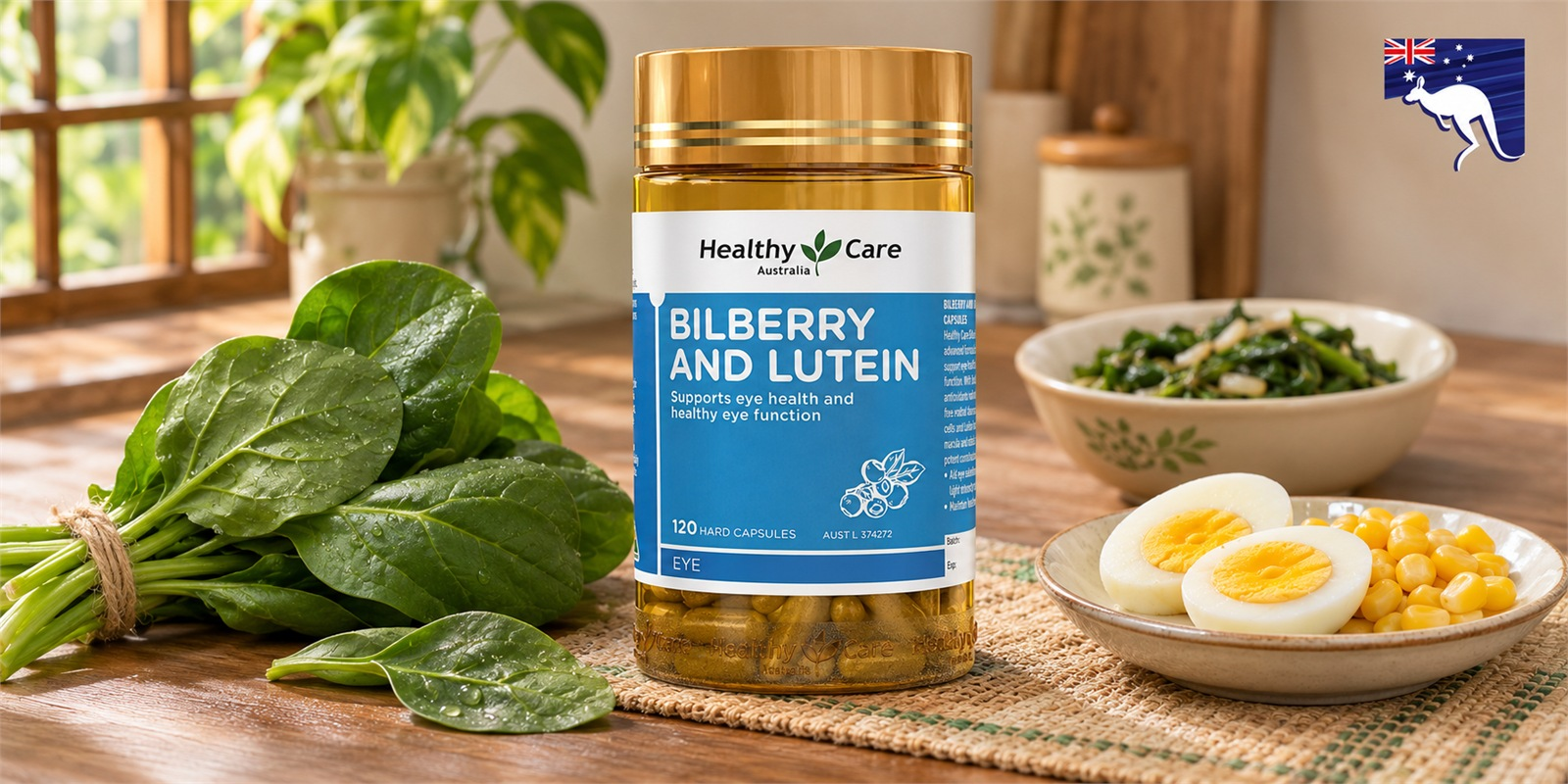
The vegetable seller's basket may be a more useful starting point for eye nutrition than a shelf of unfamiliar powders. A bunch of palong shak, a packet of peas or a few eggs can fit meals your family already enjoys.
Looking for lutein-rich foods in Bangladesh is less about finding one exceptional ingredient and more about making several ordinary choices repeatable. This guide keeps the focus on foods, preparation and realistic expectations, without assigning uncertain nutrient numbers to every local variety of shak.
How dietary lutein relates to central vision
Lutein is a plant pigment found in a range of foods. Together with zeaxanthin, it is concentrated in the part of the eye responsible for detailed central vision. Lutein and zeaxanthin are often listed together in food databases, so a combined value should not be presented as lutein alone.
They also differ from beta-carotene: lutein does not turn into vitamin A. A food can supply several carotenoids, but the names are not interchangeable. For background on these distinctions, see the Linus Pauling Institute's carotenoid guide.
If your question is whether lutein supplements help a particular eye problem, the evidence guide below answers that separately. For everyday meals, the next step is a shopping list you can use.
Build your market list around these lutein foods
| Food | Practical way to use it | Helpful perspective |
|---|---|---|
| Spinach or palong shak | Cook as a side dish, stir into dal or add to an omelette. | A well-established leafy source; portion and preparation affect the amount eaten. |
| Green peas | Add to vegetable rice, soup or a mixed vegetable curry. | Fresh or frozen peas can make meals more varied. |
| Sweet corn | Use boiled kernels in a snack bowl, soup or vegetable dish. | Provides lutein and zeaxanthin; it need not replace leafy greens. |
| Broccoli | Steam briefly or cook with other vegetables. | An option when affordable and available, rather than a required imported food. |
| Egg yolks | Serve a cooked egg or an omelette with vegetables. | The yolk supplies these pigments; egg whites are not an equivalent source. |
The American Optometric Association's nutrition information identifies leafy vegetables, broccoli, corn and peas as useful carotenoid foods. Choose from the list according to budget, season and your family's preferences. You do not need to buy every item each week.
Local shak varieties: useful foods, uncertain numbers
Local greens deserve a place in a varied diet, but “dark green” is not a laboratory measurement. Different species and growing conditions produce different nutrient profiles. It would be misleading to give every Bangladeshi shak the lutein number measured in spinach grown elsewhere.
Rotate the greens you normally cook and keep palong shak among your options when available. This provides variety without pretending that one serving has a precisely verified local lutein dose. If a medical or research question needs an exact intake calculation, a dietitian should use a suitable food-composition source and clearly state its limitations.
Turn the shopping list into breakfast, lunch and dinner
Spinach and eggs for an easy breakfast
Fold cooked palong shak into an egg, and serve it with roti or another usual breakfast food. Cook the egg thoroughly. If eggs do not suit your diet, use a spinach-and-dal preparation later in the day instead; there is no need to force every nutrient into breakfast.
Give shak a regular place beside rice and dal
Keep rice and dal, then add a visible serving of shak rather than a few leaves used as decoration. Include fish, egg, beans or another protein food according to your usual diet. The point is to give vegetables a reliable place on the plate, not to turn lunch into a supplement calculation.
Peas and greens for a shared dinner
Prepare a mixed vegetable dish with peas and, when available, broccoli. For a family member who dislikes leafy textures, finely chopped greens can be mixed into dal or a vegetable omelette. Offer small portions without pressure, and change the preparation before deciding a food is permanently off the menu.
Cook and store greens without chasing perfection
Wash vegetables with safe water, remove damaged parts and use clean utensils. Buy quantities you can use while fresh. Frozen peas or spinach can be convenient alternatives when fresh produce is unavailable; follow the packet's cooking and storage instructions.
Carotenoids are absorbed alongside dietary fat, so some oil in the meal is useful. This does not require a large amount of oil or a fried dish. Cooking can also help release pigments from plant tissues. There is no single preparation method that makes every vegetable nutritionally perfect.
For busy households, plan two uses for a purchase before buying it. For example, one portion of greens can accompany lunch and another can go into the next day's breakfast, provided leftovers are cooled and stored safely. A realistic plan is more valuable than food that sits unused.
No single lutein target applies to every plate
There is no established recommended daily allowance for lutein comparable with the daily reference values for many vitamins. You may see a milligram amount in an eye study or on a supplement label, but that is not a universal dietary target for every healthy adult.
A simpler approach is to ask whether leafy vegetables and other colourful plant foods appear regularly in your meals. Start with one manageable change, such as adding shak to lunch several times a week, and build from there. If your diet is very restricted, a dietitian can help with the wider pattern, including energy and protein needs.
Food and an AREDS2 recommendation have different jobs
For general nutrition, food is a sensible foundation. However, a person with certain stages of age-related macular degeneration may be advised to take an AREDS2 combination. That is a separate medical decision, and eating more spinach is not a reason to stop a prescribed formula.
The NEI's AREDS questions and answers explains why the high-dose study formulation differs from ordinary meals or a standard multivitamin. Equally, healthy eyes do not automatically require AREDS2.
Only if you have a specific supplementation recommendation, use the product label below to compare ingredients with that advice. A general eye-health supplement is not automatically an AREDS2 formula, and these meal ideas do not require buying one.
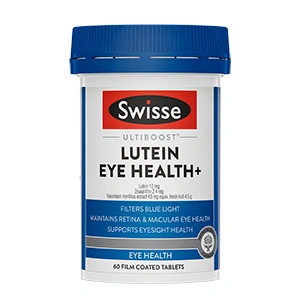
Swisse Ultiboost Lutein Eye Health+
Swisse Lutein Eye Health+ in Bangladesh: lutein 12 mg, zeaxanthin and bilberry formula, one-a-day directions, 60-day pack and current price.
Food choices complement eye care
A colourful plate supports a good eating pattern; it does not diagnose eye strain, remove the need for glasses or promise protection from every eye disease. Continue eye checks, particularly when you have diabetes or an existing eye condition. Seek assessment for new blurring, distortion or difficulty seeing in dim light.
Start with one change you can keep: a portion of shak at lunch, peas in a family dish or a vegetable omelette at breakfast. Keep any clinician-recommended formula and follow-up separate from that everyday food habit.